9 Adorable Animals That Can Turn Deadly Fast
Some animals look like they belong on a birthday card, a nature calendar, or a child’s stuffed toy shelf. They have soft eyes, tiny paws, round faces, bright colors, or clumsy little movements that make people want to move closer. That is usually the first mistake.
Nature has a strange sense of humor. It can wrap danger in fur, feathers, glowing skin, or a face so sweet it tricks the brain into lowering its guard. One second, an animal looks harmless enough for a selfie, and the next, it reminds everyone that cute is not the same thing as safe.
Americans see this mistake all the time in viral videos. Someone walks too close to a moose, tries to touch a raccoon, leans over a boat toward a hippo, or treats a wild creature like a pet with better lighting. These animals are not villains, but they can become deadly fast when humans forget where the line is.
Deer Are Cute Until They Leap Into Traffic
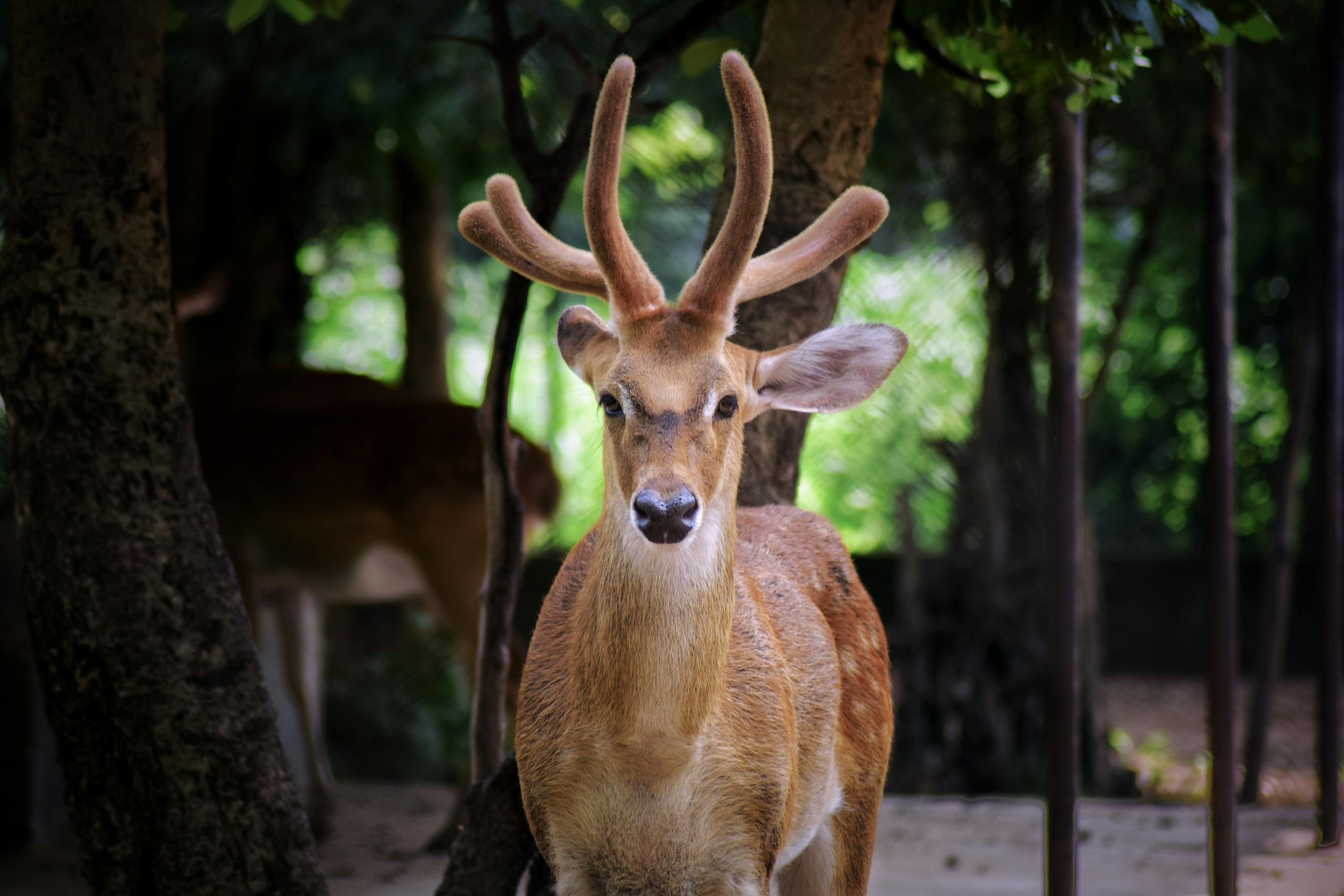
Deer may be America’s favorite symbol of woodland innocence. They show up in holiday art, backyard videos, and quiet roadside moments that make people slow down and stare. But deer become deadly in a way that feels ordinary until it happens.
Across the United States, deer collisions injure drivers and passengers every year. The danger spikes when deer move suddenly across roads at dawn, dusk, or during mating season. A gentle-looking animal can become a disaster when it appears in the headlights with no warning.
Blue-Ringed Octopuses Are Tiny Ocean Nightmares
The blue-ringed octopus is small enough to fit in a hand, which makes it look less threatening and more like a beautiful sea creature from a documentary. Its glowing blue rings are stunning, almost like jewelry moving across its skin. But in nature, bright beauty often means one thing: back away.
This little octopus carries a powerful toxin that can paralyze the body and interfere with breathing. The bite can be so small that a person may not realize how serious it is at first. By the time symptoms appear, the situation can turn frighteningly urgent.
Moose Can Turn a Quiet Road Into Chaos
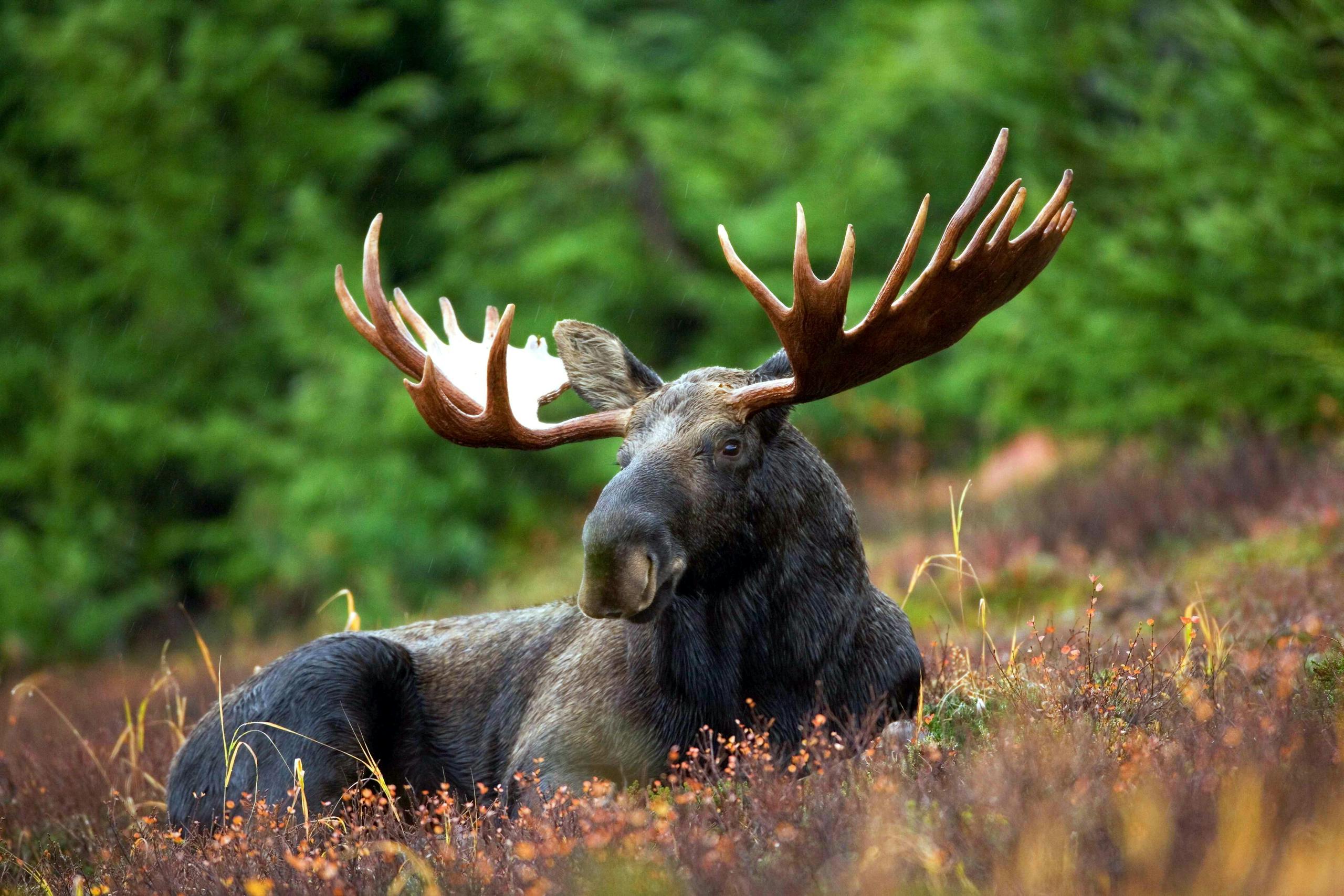
Moose have a calm, almost goofy look that makes people forget how enormous they are. Their long faces, big ears, and slow steps can make them seem like peaceful forest giants. But a moose does not need to be a predator to be dangerous.
When a moose feels threatened, especially near a calf, it can charge and stomp with terrifying force. Drivers in northern states also know how dangerous moose can be on roads, especially at night. Hitting an animal that large is not just a car accident; it can be a life-threatening crash.
Slow Lorises Hide Venom Behind Those Big Eyes
The slow loris may be one of the most deceptive animals on Earth. Its huge eyes, tiny hands, and gentle movements make it look helpless, almost like a plush toy that blinked to life. That is exactly why people underestimate it.
This small primate has a venomous bite, which is rare among mammals and deeply unsettling once you know it. When threatened, it can mix toxic secretions with saliva and deliver a bite that may cause intense pain, swelling, allergic reactions, or worse. Those big innocent eyes are not an invitation to touch.
Dogs Can Become Dangerous When Warning Signs Are Ignored
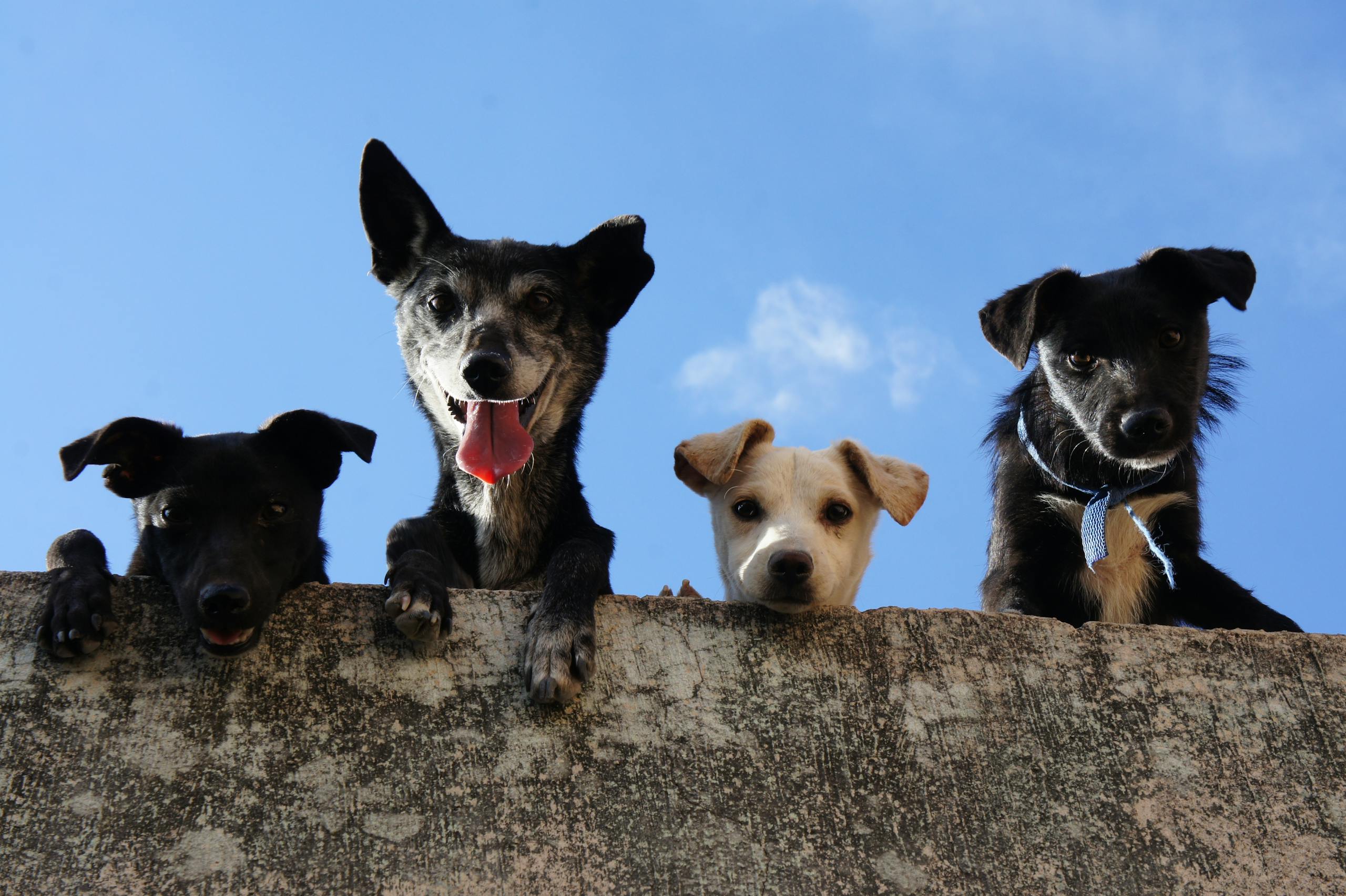
Dogs are family for millions of Americans, and most are loving, loyal, and safe when treated well. That makes this one uncomfortable, because nobody wants to think of man’s best friend as a potential threat. Even a familiar dog can become dangerous due to fear, pain, poor training, neglect, or disease.
Dog bites can cause serious injuries, especially to children, older adults, and people who miss the warning signs. A stiff body, hard stare, growling, raised hackles, or sudden silence can all mean trouble. Loving dogs should make people more responsible, not careless.
Cone Snails Make Pretty Shells Dangerous
Cone snails look like something a beachcomber would happily pick up and admire. Their shells can be glossy, patterned, and beautiful enough to seem like harmless souvenirs. That beauty can become a trap for curious hands.
These snails hunt with a venom-delivering tooth that works like a tiny harpoon. Some species can cause paralysis, breathing trouble, and death in severe cases. The safest way to admire a pretty cone shell is to make sure nothing living is still inside it.
Raccoons Are Not Trash Pandas You Should Touch
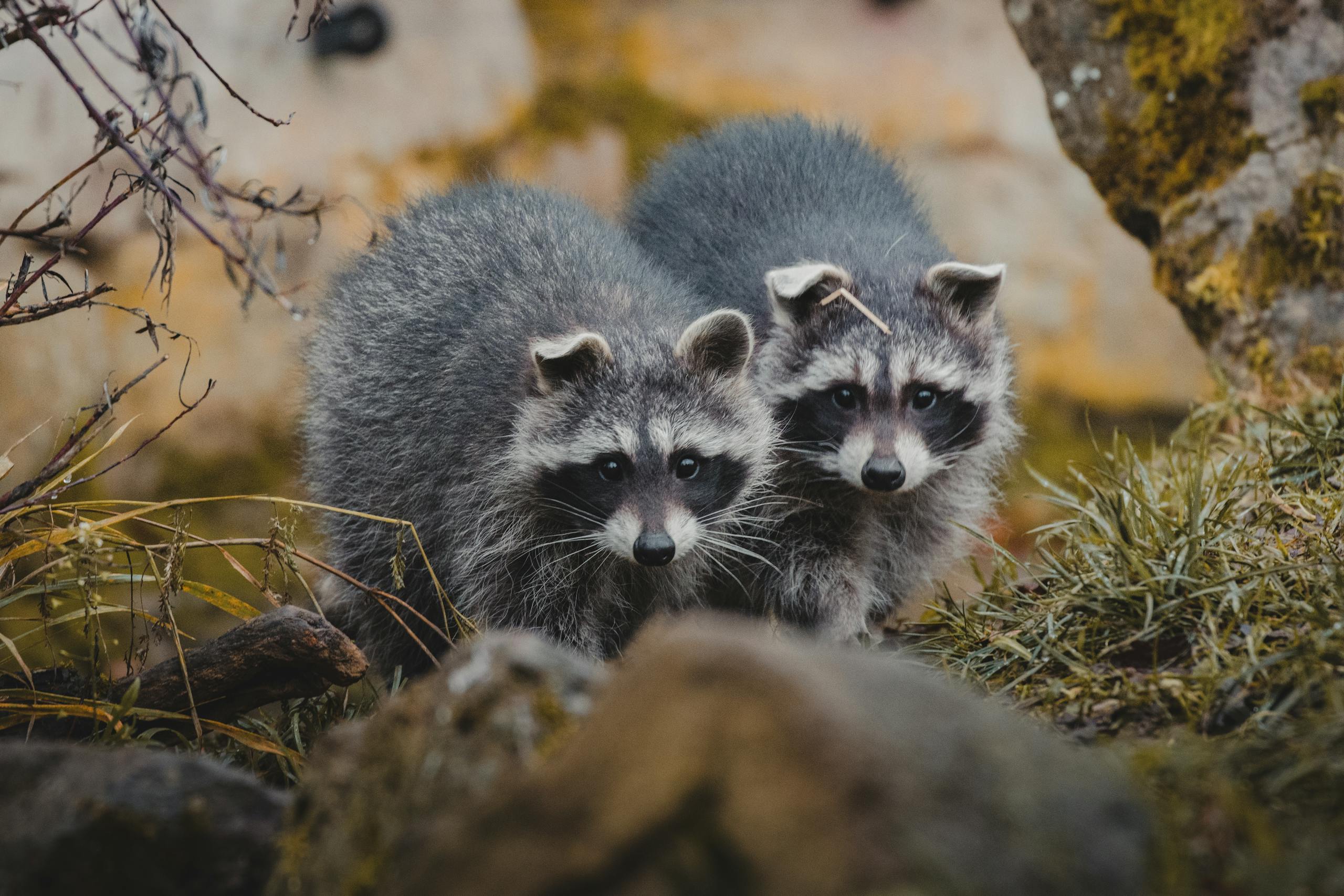
Raccoons look mischievous in the most charming way. Their masked faces, tiny hands, and clever little movements make them seem like neighborhood bandits with personality. That nickname, trash panda, has probably made too many people forget they are still wild animals.
A raccoon can bite, scratch, and carry diseases that put humans and pets at risk. The biggest fear is rabies, especially when an animal acts strangely, aggressively, or unusually friendly. If a raccoon approaches like it has lost all fear, that is not cute; that is a warning.
Golden Poison Frogs Wear Their Warning in Plain Sight
The golden poison frog looks like a tiny drop of sunshine hopping through the forest. Its bright yellow skin is beautiful, smooth, and almost unreal. But that color is not decoration; it is a warning sign written in nature’s loudest language.
This frog’s skin can carry a powerful poison that affects nerves and muscles. It does not need sharp teeth, claws, or size to be dangerous. Sometimes the deadliest animal in the room is small enough to sit on a fingertip.
Box Jellyfish Can Make Clear Water Terrifying
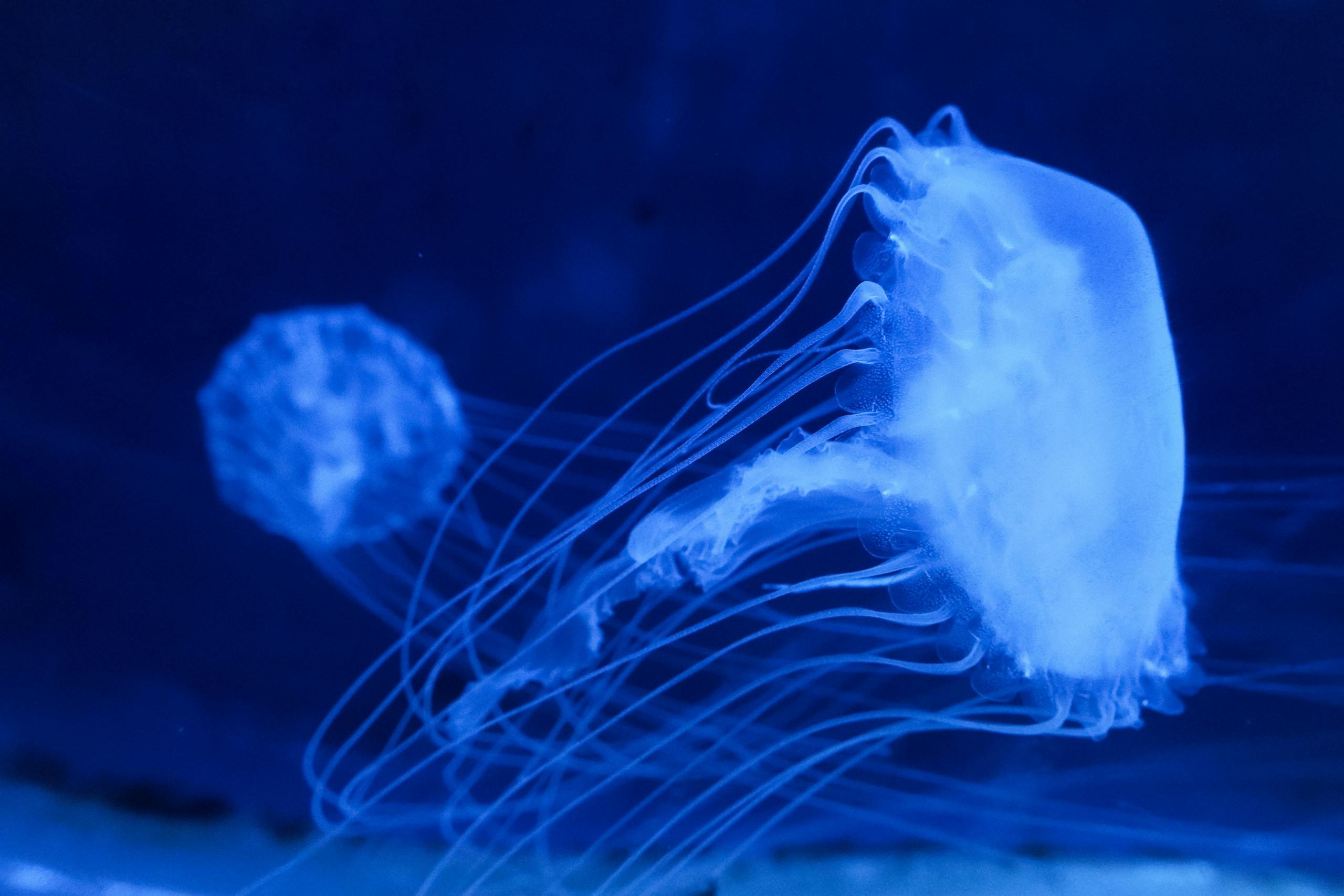
A box jellyfish does not look like a monster. It looks fragile, pale, and almost invisible as it drifts through the water. That ghostly beauty is exactly what makes it so frightening for swimmers.
Its tentacles can deliver venom that causes extreme pain and can affect the heart, skin, and nervous system. A person may brush against it before even realizing it is there. In the ocean, danger does not always come with teeth.
Conclusion
The biggest lesson is simple: cute does not cancel danger. Wild animals do not exist for selfies, touching, feeding, or viral videos. Even familiar animals deserve respect, space, and smart handling.
Most animal attacks happen because humans get too close, ignore warning signs, or assume calm behavior means permission. That assumption can turn a beautiful moment into a terrifying one. The safest way to enjoy nature is to admire it without trying to own it.
The world is full of animals that look soft, funny, tiny, or harmless. Some are all of those things until they feel threatened. Then the cute face drops, the instincts take over, and the person standing too close learns the hard way that nature does not care how adorable something looks.