9 Foods Airlines Served in the 1960s and 1970s That Would Shock Flyers Today
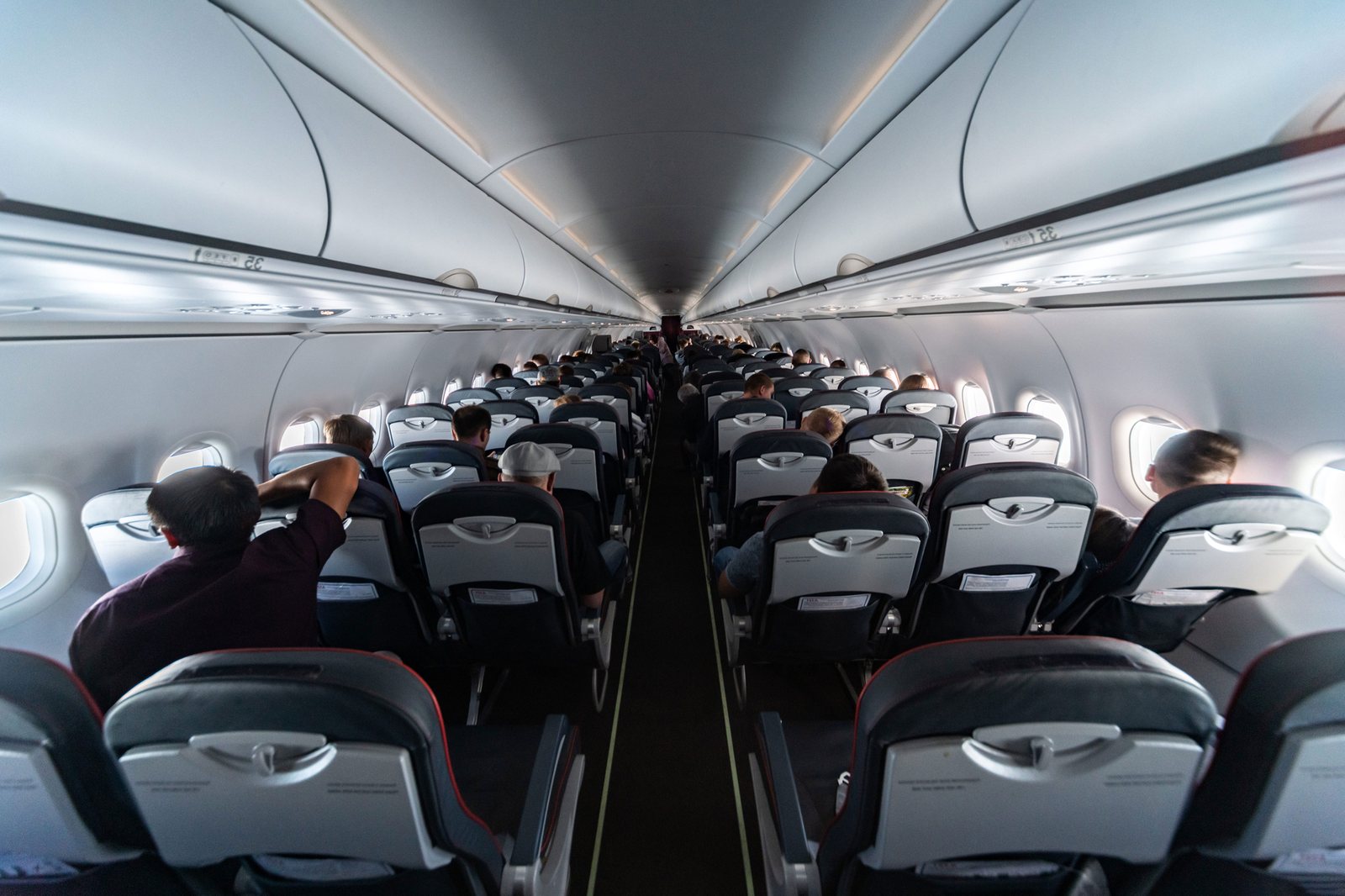
Today, a flight in economy class might come with a small bag of pretzels and a cup of soda, if you’re lucky. On many routes, travelers pay extra for a sandwich or bring their own food from the airport. But there was a time when flying was considered glamorous, and airlines competed fiercely to offer the best meals in the sky.
In the 1960s and 1970s, people dressed up to fly. Men wore jackets and ties, women wore dresses and gloves, and passengers expected to be pampered from the moment they boarded. Airlines responded with elaborate menus, real china and silverware, and service that rivaled fine restaurants on the ground. Before airline deregulation in 1978, when fares were tightly controlled by the government, carriers often competed on comfort and food instead of price.
Many older Americans remember those meals with real fondness, and younger travelers often can’t believe they existed. Here are foods airlines served in the 1960s and 1970s that would shock flyers today.
1. Roast Beef Carved at Your Seat
In first class on some airlines, flight attendants rolled a cart down the aisle carrying a whole roast and carved slices right beside each passenger’s seat. It was a dramatic bit of tableside service, much like a fancy steakhouse. Passengers could choose how they wanted their meat cut and what sides came with it.
This kind of service seems almost unimaginable on today’s crowded flights, where even first-class meals are usually plated in advance. For many travelers in the golden age of flying, the carving cart was a highlight of the trip and a symbol of how special air travel felt.
2. Shrimp Cocktail
Shrimp cocktail was a classic starter on many airline menus. Served chilled with a tangy cocktail sauce and a wedge of lemon, it was the same elegant appetizer people ordered at upscale restaurants and supper clubs. On longer flights, it often came before a multi-course meal.
Seafood on planes was more common than many people realize. Some airlines served lobster or crab on special routes, especially in first class. Today, shellfish is rare on most flights, and the elegant shrimp cocktail has become a fond memory for longtime flyers.
3. Multi-Course Dinners on Real China
On many flights, even passengers outside first class received full meals served on real plates with metal silverware and cloth napkins. A typical dinner might include a salad, a main course such as chicken or steak, vegetables, a roll with butter and dessert. Coffee and tea followed, poured from silver pots.
Over time, airlines switched to plastic trays and disposable utensils to cut costs and save weight. After 2001, metal knives were also restricted on flights for security reasons. The idea of a multi-course meal on real china in economy class now seems like something from another world.
4. Fancy Desserts and Sundaes
Dessert in the sky could be surprisingly elaborate. Some airlines served ice cream sundaes made to order, with toppings like chocolate sauce, whipped cream and nuts. Others offered cakes, pastries and fresh fruit. Passengers on long international flights might enjoy cheese courses and chocolates as well.
Ice cream sundaes became a signature treat on some carriers, especially in first class. They’re still offered on a few premium routes today, but for most travelers, dessert has shrunk to a cookie, if anything at all. Many older flyers still talk about the sundae cart rolling down the aisle.
5. Champagne and Cocktails Flowing Freely
Alcohol was a big part of the airline experience in the 1960s and 1970s. Cocktails were often served before meals, and champagne was common on longer flights and in first class. On some routes, drinks were free even in coach, and flight attendants made a point of keeping glasses full.
Today, most airlines charge for alcohol in economy class, and portions are carefully measured. Rules about intoxicated passengers have also become much stricter. The free-flowing cocktail hour at 30,000 feet is one of the most talked-about features of the golden age of flying.
6. Meals Designed by Famous Restaurants
Some airlines partnered with famous restaurants to give their food a touch of prestige. Pan American World Airways, for example, worked with Maxim’s of Paris, the famed French restaurant, to create in-flight meals on its international routes. The partnership helped Pan Am advertise its service as a taste of fine French dining in the sky.
These collaborations gave passengers the feeling that they were dining at a world-class restaurant, not just eating on an airplane. Some airlines still work with celebrity chefs today, but mostly for premium cabins. For economy passengers in the 1960s, it was a remarkable perk.
7. Hot Breakfasts on Morning Flights
Morning flights often included a full hot breakfast. Passengers might be served scrambled eggs, sausages or bacon, potatoes, toast or pastries, fruit and coffee. Some airlines offered omelets or pancakes, with real syrup and butter.
Today, a morning flight in economy is more likely to come with a granola bar or a small snack box for purchase. Hot breakfasts still appear in some premium cabins, but the days of a full plate of eggs and bacon for every passenger are long gone.
8. Fresh Bread and Rolls Warmed on Board
Warm bread was a small but memorable part of many airline meals. Rolls were heated in the galley ovens and served in baskets, often with real butter pats. Some airlines took pride in their bread and offered several kinds to choose from.
It might seem like a small detail, but warm bread made a meal feel complete and comforting. Flight attendants walking down the aisle with a basket of rolls is an image many longtime travelers remember fondly. It’s a touch that’s mostly disappeared from today’s economy cabins.
9. Children’s Meals With Special Treats
Kids flying in the 1960s and 1970s often received special meals and goodies. Airlines handed out coloring books, playing cards, pilot wings pins and small toys to young passengers. Some children’s meals came in fun packaging, with treats like cookies or candy.
The wings pins, in particular, became cherished souvenirs. Many grown-ups still have the wings they received as children on their first flight. While some airlines still offer small gifts to kids, the full experience of being treated like a special guest has faded on many routes.
Why Airline Food Changed
The biggest shift came after the Airline Deregulation Act of 1978. Before then, the government controlled fares and routes, so airlines competed by offering better service and food. After deregulation, fares dropped and competition shifted to price. Airlines cut costs wherever they could, and meals were an easy target.
Rising fuel prices, the push for efficiency and changes after 2001 continued the trend. Today, airlines focus on keeping fares low, and many charge extra for food, drinks, bags and seat selection. That has made flying more affordable for millions of people, but it has also made it much less glamorous.
Remembering the Golden Age
For those who flew in the 1960s and 1970s, the memories are vivid. They remember dressing up, being greeted warmly at the door and enjoying meals that felt like a night out. Air travel was expensive and less common then, so every trip felt like an event.
You can read more about the history of airline meals and how they’ve changed over the decades. And while most travelers today would happily take cheaper fares over carved roast beef, it’s fun to look back at a time when the journey itself was part of the adventure, much like the travel habits boomers still remember.