9 Forgotten Foods People Over 50 Are Bringing Back Into Their Kitchens
For years, some of the foods our parents and grandparents ate every week were treated as old-fashioned or even a little embarrassing. Liver and onions, sardines on crackers, a bowl of cottage cheese with fruit: these were the meals younger generations swore they’d never eat once they grew up. Supermarkets moved them to the bottom shelf, and many families stopped buying them altogether.
Now, many people over 50 are quietly bringing those foods back. Some are rediscovering them for health reasons, since several are packed with protein, calcium and other nutrients that matter more with age. Others are drawn by lower prices or by simple nostalgia for the meals they grew up with. Here are nine forgotten foods that people over 50 are bringing back into their kitchens.
1. Cottage Cheese
Cottage cheese was a diet staple in the 1970s, often served with a peach half or a scoop of canned pineapple. It fell out of fashion as yogurt took over the dairy case. But in recent years, cottage cheese has made a major comeback, with sales rising and new recipes spreading online.
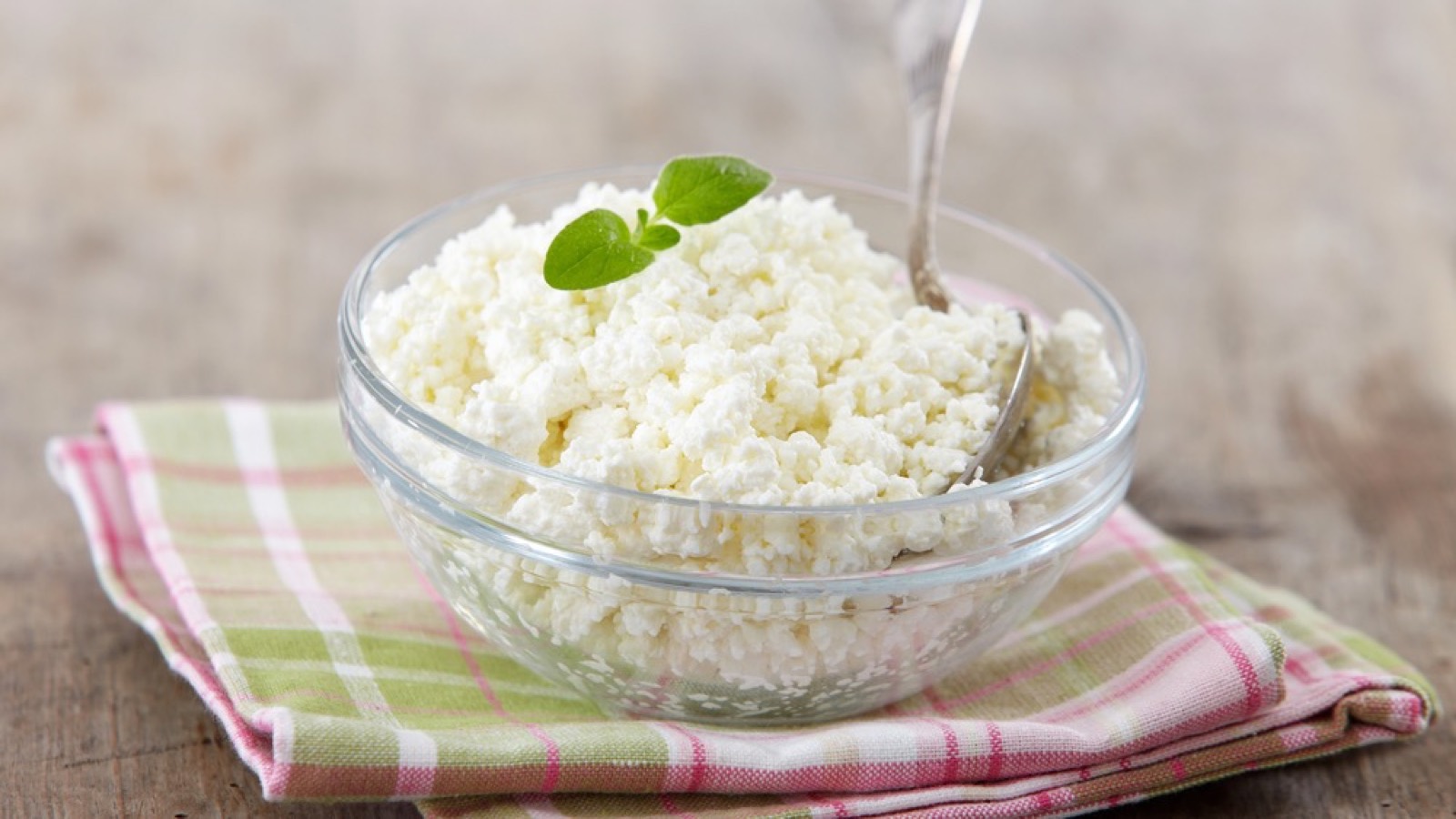
It’s high in protein, which helps older adults maintain muscle. Many people over 50 now eat it for breakfast, blend it into smoothies or use it in place of ricotta in lasagna.
2. Sardines
Sardines on saltine crackers were a common lunch for many grandparents, but younger generations often turned up their noses at the tiny fish in a tin. Now, sardines are gaining new fans, especially among people looking for healthy, affordable protein.
Sardines are rich in omega-3 fatty acids, protein and calcium, especially when eaten with their soft bones. The FDA lists sardines among the best choices in its advice about eating fish because they’re low in mercury.
3. Liver and Onions
Liver and onions was a weekly dinner in many homes, especially for families who were told it was good for the blood. Many kids hated it, and as adults, they stopped making it.
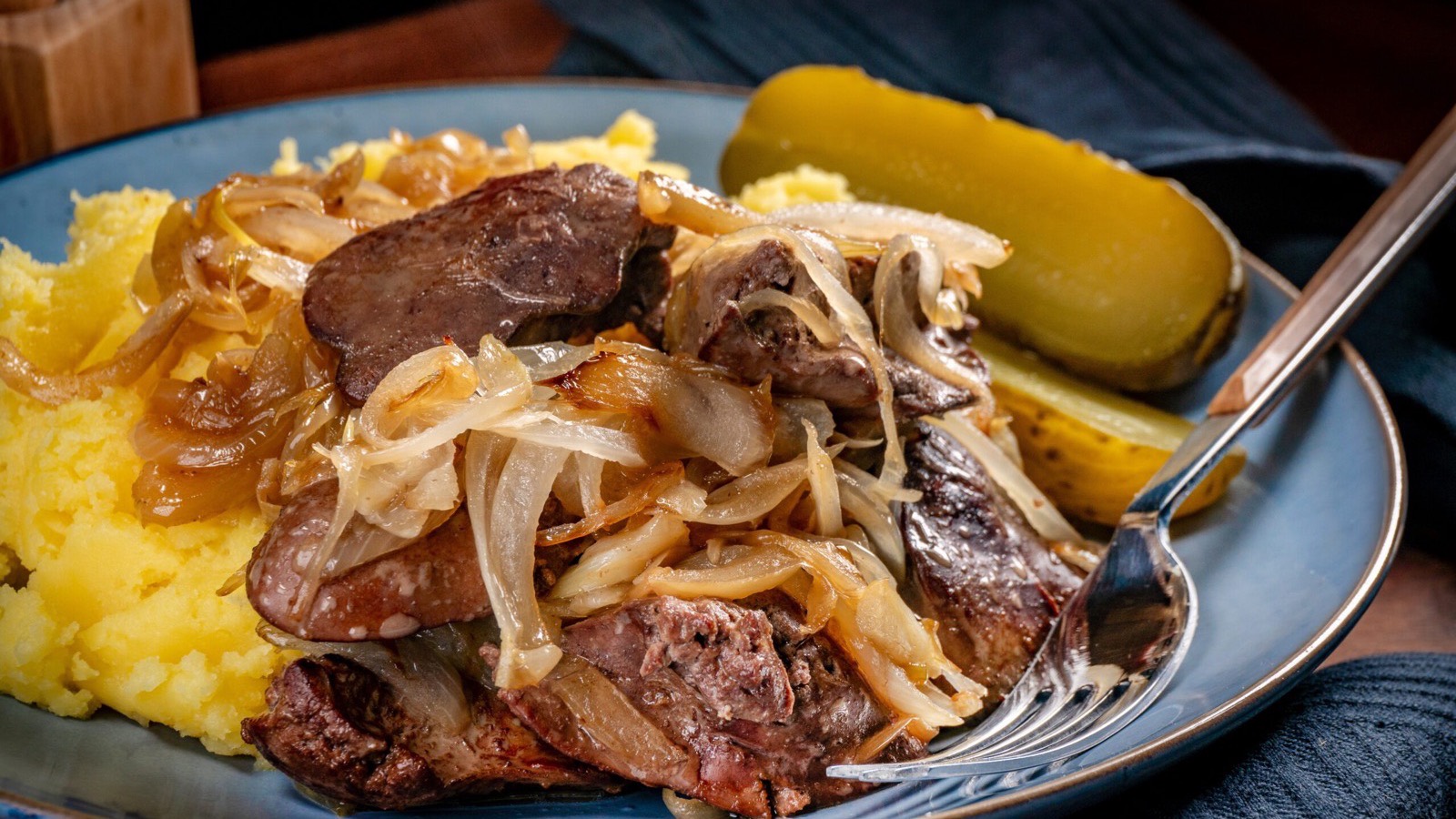
Some people over 50 are giving liver another try. It’s one of the most nutrient-dense foods available, rich in iron, vitamin B12 and vitamin A. It’s also inexpensive. Because it’s so high in vitamin A, though, health experts suggest eating it in moderation. The NIH explains the role of vitamin A and how much is too much.
4. Buttermilk
Grandparents often drank buttermilk straight from a glass, sometimes with cornbread crumbled into it. Most people today only buy it for baking, if they buy it at all.
Buttermilk is making a comeback as people rediscover cultured and fermented foods. It’s lower in fat than many people expect and adds tang to pancakes, biscuits, salad dressings and marinades.
5. Sauerkraut
Sauerkraut was a common side dish in many homes, especially in families with German or Eastern European roots. It was served with hot dogs, pork chops and sausages and was often homemade in big crocks.
Fermented foods like sauerkraut have become popular again. Many people over 50 are making their own or buying refrigerated, unpasteurized versions. It’s low in calories and adds a tangy crunch to meals.
6. Prunes
Prunes have long had a reputation as a food for older people, mostly because of their role in digestion. That reputation made many people avoid them. Some companies even started calling them “dried plums” to improve their image.
Prunes are rich in fiber, and research has suggested they may be good for bone health. Many people over 50 are adding them back to their diets as a sweet, healthy snack.
7. Beets
Pickled beets and Harvard beets, cooked in a sweet and sour sauce, were common side dishes at mid-century dinner tables. Many kids found them strange, with their deep red color and earthy taste.
Beets are popular again, especially roasted beets in salads. They’re rich in fiber, folate and other nutrients. Some people over 50 are going back to the old recipes, like pickled beets, that their mothers made.
8. Oatmeal Cooked the Old Way
Instant oatmeal packets took over breakfast tables for decades. But many people over 50 are going back to old-fashioned rolled oats or steel-cut oats, cooked slowly on the stove, the way their parents made them.
Oats are a whole grain rich in fiber, which may help with cholesterol and heart health. Harvard’s nutrition experts explain the benefits of eating oats. Less processed oats also tend to keep you full longer.
9. Homemade Bone Broth
Grandma’s homemade broth, simmered for hours from chicken or beef bones, was a kitchen staple. It became less common as cartons of store-bought broth took over.
Bone broth has become trendy again, and many people over 50 are making their own. It’s a comforting base for soups and stews, and making it from leftover bones saves money.
Why These Foods Are Coming Back
Several things are driving the return of old-fashioned foods. Many of them are inexpensive at a time when grocery prices are high. Others are rich in nutrients that become more important with age, like protein, calcium and fiber. The National Institute on Aging offers guidance on healthy eating for older adults.
Nostalgia also plays a part. Many people find comfort in the foods they grew up eating, especially as they get older. These foods connect them to their parents and grandparents.
Buying and Storing These Foods
Many of these foods are easy on the budget. Canned sardines, dried oats, cabbage for sauerkraut and beets are among the cheaper items in the grocery store, and buttermilk and cottage cheese are often reasonably priced. Liver is one of the least expensive cuts at the meat counter.
Storage matters too. Cottage cheese and buttermilk should be kept cold and used by the date on the package, while canned fish lasts a long time in the pantry. Homemade bone broth can be frozen in small containers for quick soups. Planning a few meals around these foods each week can stretch a grocery budget while adding nutrition.
A Taste of the Past
Old-fashioned foods are just one part of a broader return to tradition. Many people over 50 are also embracing old-school habits that still hold up today. Which of these foods have you brought back into your kitchen, and which one do you still refuse to eat?