9 Things You Should Never Store in the Laundry Room
The laundry room tends to become the catch-all for everything that doesn’t have a home. Cleaning supplies, old paint, spare towels, a box of photos you meant to sort, maybe a gas can that got moved in from the garage once and never left.
It is an understandable habit, but it is also one of the warmest, dampest rooms in the house, and it often shares space with the dryer, the water heater or even the furnace. After a big Thanksgiving weekend of tablecloths and guest towels, here are nine things to move somewhere better.
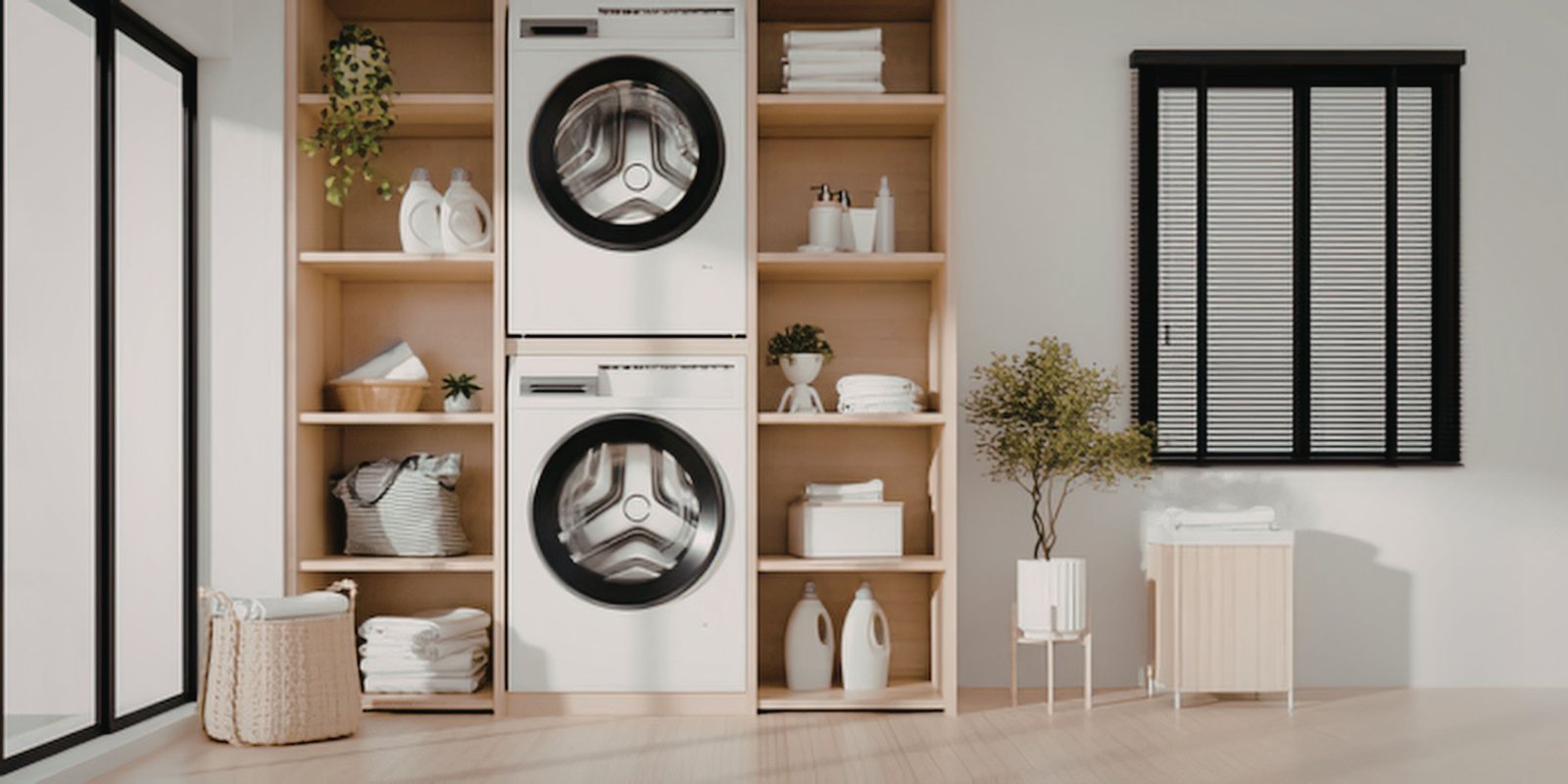
1. Gasoline and Other Flammable Liquids
A laundry room with a gas dryer or water heater has pilot lights, burners and motors, all of which can ignite fuel vapor. The U.S. Consumer Product Safety Commission says on its fuel safety page that gas cans should not be kept in the house or basement, and should be stored away from pilot lights, heaters and other ignition sources.
Gasoline, lighter fluid and camp fuel belong in approved containers in a shed or other ventilated spot away from the home.
2. Paint, Stain and Solvents
Leftover cans of paint and stain often end up on the shelf above the washer. University of Missouri Extension’s guide to storing hazardous products says flammable products should be kept away from heat sources such as water heaters, pilot lights, light switches and motors, and that oil-based paint should be stored with other flammables.
It also recommends keeping products in their original, labeled containers with lids sealed tight, and never in old food or drink containers.
3. Bleach and Ammonia Cleaners Side by Side
Laundry rooms are usually where the cleaning stash lives, which makes this one easy to miss. Missouri Extension warns that chlorine bleach and ammonia can combine to form a poisonous gas, and it suggests storing bleach-based and ammonia-based cleaners on separate shelves. A leaky bottle tipping into another is all it takes.
We cover a similar problem in our list of things you should never store under the kitchen sink, another spot where cleaners pile up.
4. Oil-Stained Rags and Kitchen Towels in a Warm Pile
Towels used to wipe up cooking oil or wood finishes can hold on to oil even after a wash. A study posted by the CPSC found that residual cooking oil remained in laundered cotton towels under every washing method tested, and lab tests showed the towels could still self-heat. The study’s authors cited a manufacturer report linking three fires to freshly dried towels left in piles.
The simple habit: pull towels out of the dryer when the cycle ends and spread them out instead of leaving a hot heap. Rags soaked in stain or linseed oil should go in a sealed container, never a laundry basket. It is a far cry from the laundry day rules people grew up with in the 1950s, but it is just as worth following.
5. Anything Stacked Behind or on Top of the Dryer
Baskets, boxes and spare clothes tend to get wedged behind the dryer, right where the vent runs. The U.S. Fire Administration’s clothes dryer fire safety flyer recommends cleaning the lint filter before and after each load, cleaning lint from the back of the dryer, and checking that the vent behind it isn’t crushed or restricted.
Clutter back there makes all of that harder to do. Keeping the area clear also makes it easier to deal with the pet hair and lint that collect around appliances, something a good vacuum for pet hair can help with.
6. Boxes Crowding the Water Heater or Furnace
If your laundry room shares space with the water heater or furnace, give them room. The U.S. Fire Administration’s basement and garage fire safety tips say to keep anything that can burn at least 3 feet from the furnace, oil burner, wood stove and water heater. That includes cardboard boxes, paper bags and piles of rags.
A strip of tape on the floor marking the 3-foot line is one of those quick DIY projects that make life easier, and it keeps everyone in the house honest.
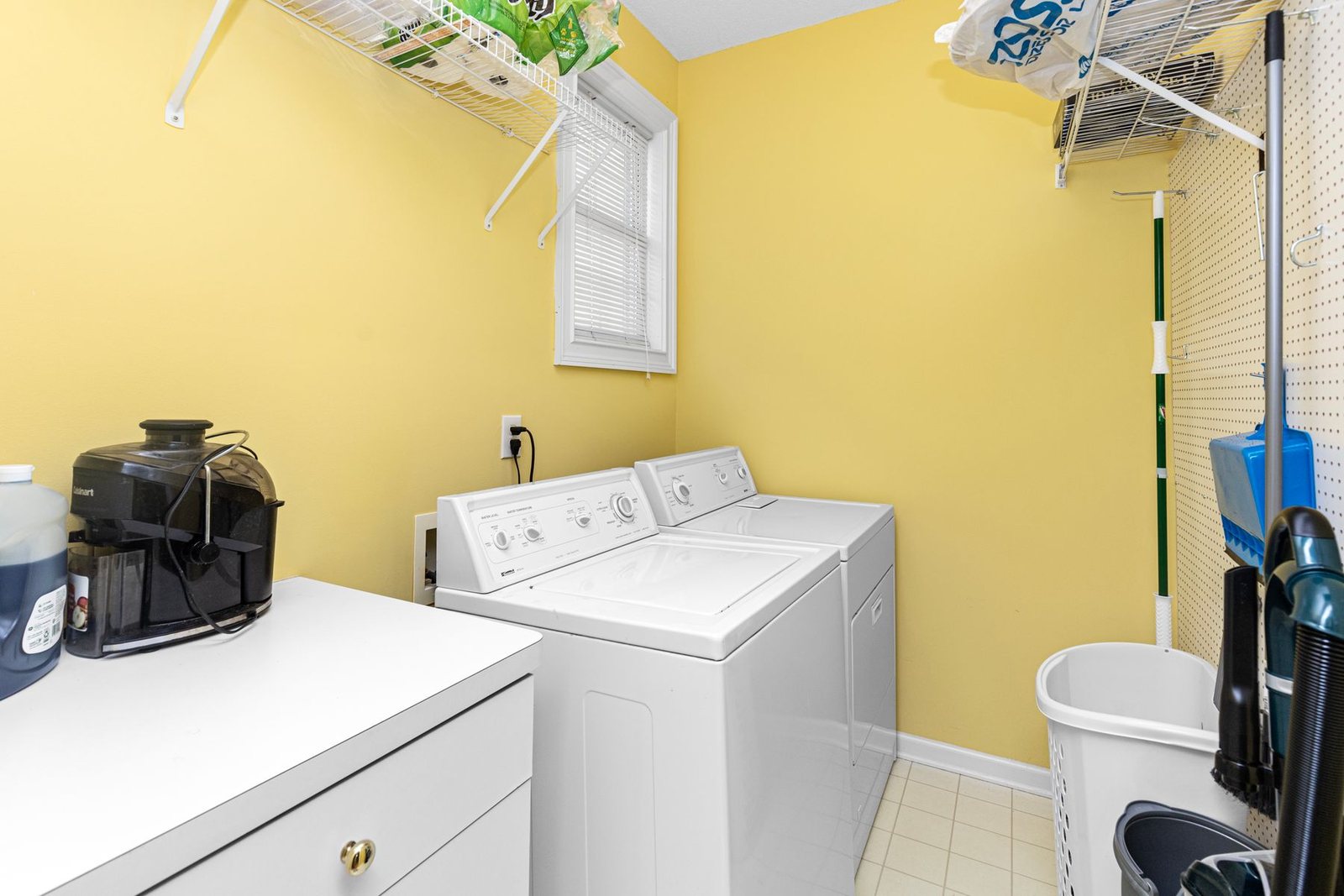
7. Family Photos and Important Papers
Steam from the dryer and warm, humid air are hard on paper and photographs. The National Archives’ guidance on storing family papers and photographs recommends keeping temperatures below 75 degrees and relative humidity below 65 percent to limit mold and insects, and keeping items away from pipes and leaks. A laundry room with plumbing on every wall is the opposite of that. Keeping keepsakes away from heat and steam is a lot like avoiding the classic kitchen mistakes we are all guilty of: put things where they will last, not just where there is room.
8. Valuables on the Floor
Washing machine hoses fail, drains back up, and a laundry room is often the first spot to see water. The Alabama Cooperative Extension System’s flood and water damage guide suggests keeping valuables off the floor where water is possible and adding spillage pans and overflow drains under washers. Anything you would hate to lose should sit up high or live in another room.
9. Off-Season Clothes and Linens in Cardboard Boxes
It is tempting to store winter blankets or summer clothes in boxes on the laundry room shelf, but humidity can leave them musty. Missouri Extension’s tips for preparing household items for storage recommend keeping textiles in airtight plastic containers and clothing in vacuum bags. A bedroom closet or under-bed bin is a drier choice.
Keep It Simple
The laundry room works best when it holds what you actually use for laundry: detergent, stain remover, a drying rack and a basket or two. Move fuel and paint out of the house, separate your cleaners, keep space around the dryer and water heater, and send keepsakes to a drier room.