10 Times Animals Accidentally Triggered Major Human Disasters
We like to believe human disasters begin with human-sized causes. A bad decision, a broken rule, a failed warning, a reckless operator, or a system pushed past its limit usually feels large enough to explain the damage.
Then a bird hits a stabilizer, a wasp blocks a sensor, jellyfish clog a nuclear cooling system, or a monkey trips a transformer. These stories are unsettling because they remind us that modern civilization is full of thin margins, and sometimes the creature that breaks the system has no plan, no malice, and no idea it has just entered history.
A Whistling Swan Brought Down United Air Lines Flight 297
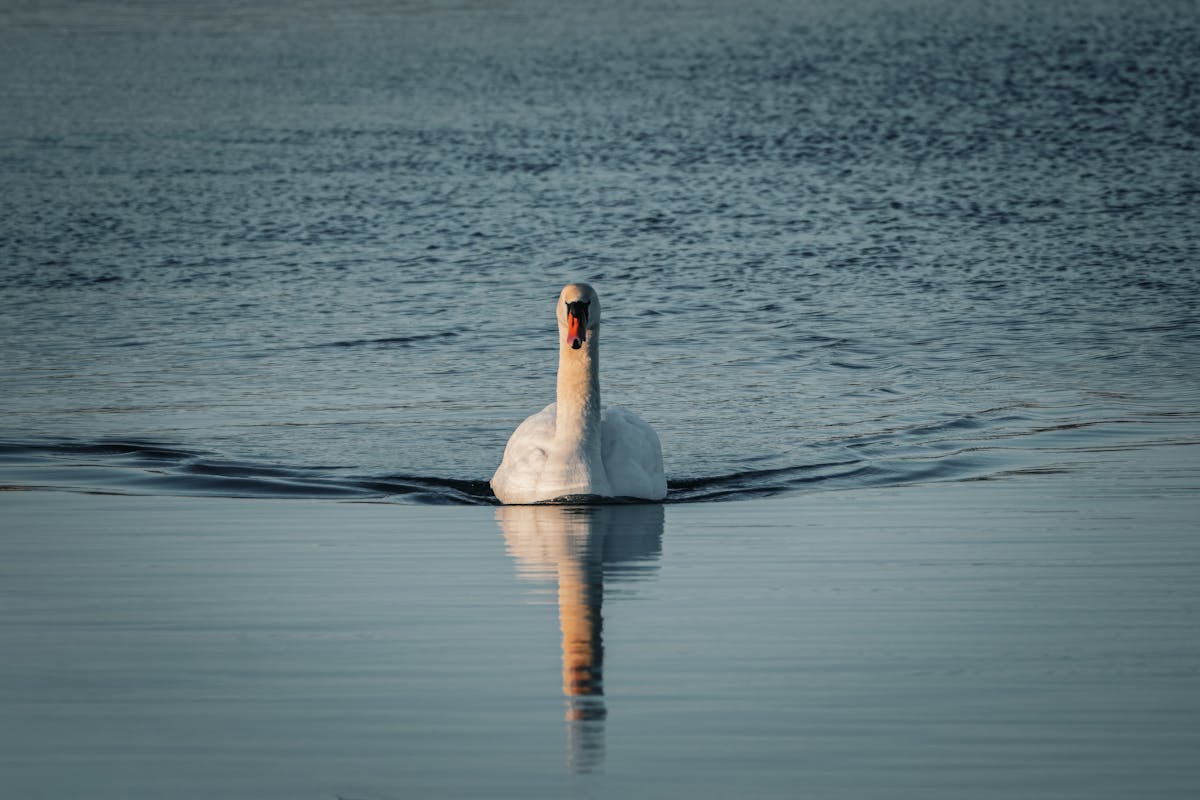
Decades before Flight 1549, another bird strike ended far more tragically. In 1962, United Air Lines Flight 297, a Vickers Viscount, struck whistling swans near Maryland. The Federal Aviation Administration’s accident history notes that the aircraft struck birds identified as whistling swans, with damage to the horizontal stabilizer playing a central role in the crash sequence.
The disaster killed everyone on board and changed how aviation experts thought about bird strikes. Before incidents like this, bird strikes were often treated as a nuisance, especially when they involved engines or windshields. Flight 297 showed that a bird could damage control surfaces in ways that pilots could not recover from.
We often imagine commercial aircraft as sealed, powerful machines, but they still rely on exposed aerodynamic surfaces. A single large bird hitting a critical point can turn speed, altitude, and structural stress into a chain reaction.
Jellyfish Shut Down Nuclear Power Stations by Clogging Cooling Systems
A jellyfish has no brain, no bones, and no interest in electricity. Yet jellyfish blooms have repeatedly caused trouble for coastal power plants that rely on seawater for cooling. In 2011, large numbers of jellyfish clogged filters at Scotland’s Torness nuclear power station, leading operators to shut reactors as a precaution. Reports at the time noted that the reactors were closed manually and that the public was not in danger.
This is one of the strangest infrastructure lessons in modern energy. Nuclear plants are designed around layers of safety systems, but they still depend on water intake structures that interact directly with the natural world. When jellyfish gather in huge numbers, their soft bodies can overwhelm screens and filters.
The same pattern has appeared beyond Scotland. Reuters reported in 2025 that jellyfish caused the temporary shutdown of four reactors at France’s Gravelines nuclear power plant after clogging cooling systems. The lesson is blunt. Critical infrastructure is not separate from ecology. It sits inside it.
A Monkey Triggered a Nationwide Blackout in Kenya
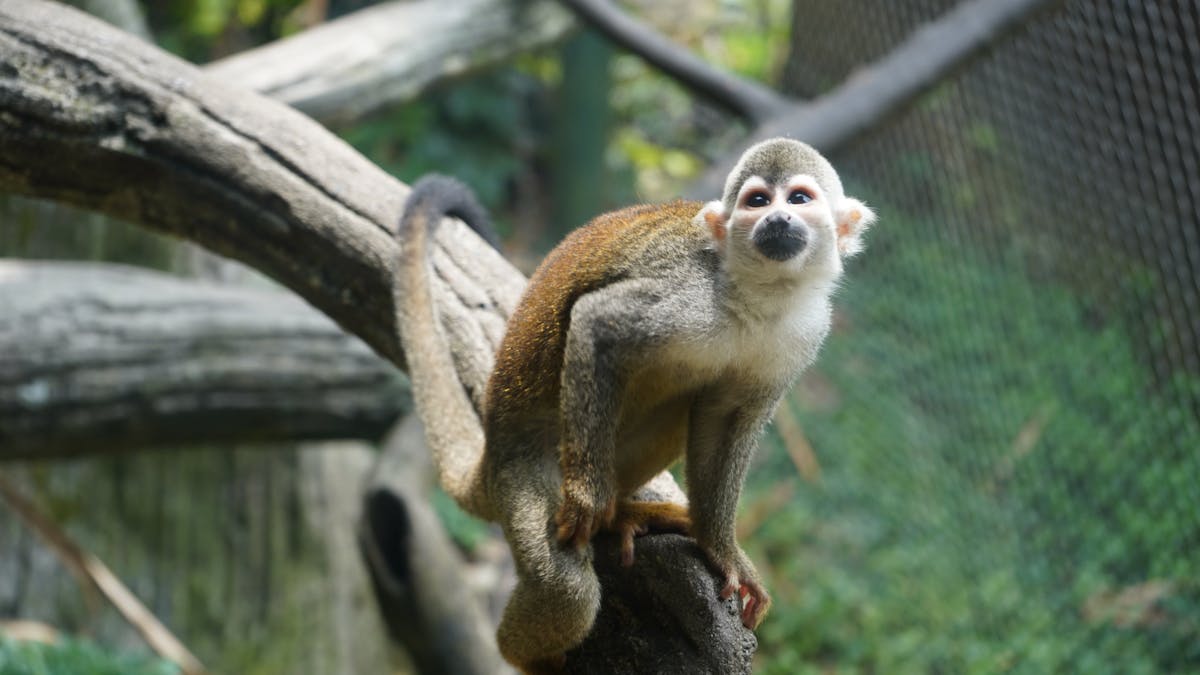
In 2016, Kenya experienced a nationwide blackout after a monkey interfered with equipment at a hydropower facility. Reuters reported that the animal tripped a transformer at a KenGen plant, leading to the loss of more than 180 megawatts from the grid. Time also reported that the outage lasted more than three hours and that the monkey survived before being handed over to the Kenya Wildlife Service.
This incident sounds almost comic until we consider what blackouts do. Power failures disrupt hospitals, businesses, transport systems, communications, refrigeration, water pumping, and daily work. A monkey did not understand voltage, grid load, or national electricity demand. It climbed, slipped, touched the wrong component, and exposed how quickly a protected system can cascade into public disruption.
The story became viral because it sounded impossible. It stayed important because it showed that infrastructure security has to consider animals as real operational risks.
A Mud Dauber Wasp Likely Helped Doom Birgenair Flight 301
Few disasters feel as unnerving as Birgenair Flight 301 because the suspected trigger was so small. In 1996, the Boeing 757 crashed into the Atlantic Ocean after taking off from Puerto Plata in the Dominican Republic. Investigators concluded that the captain’s pitot tube, a sensor used to measure airspeed, was blocked.
The FAA’s accident study notes that the black and yellow mud dauber wasp was suspected in the blockage because the insect is known to build mud nests inside open holes such as pitot tubes.
The result was cockpit confusion at the worst possible time. The aircraft’s instruments gave conflicting speed information, alarms sounded, and the crew had to diagnose a hidden sensor problem under extreme pressure. The catastrophe killed 189 people. A wasp did not “attack” the aircraft. It simply treated a small opening as a useful place to build. That is what makes the case so disturbing. The boundary between ordinary animal behavior and human disaster can be no wider than a metal tube on the side of a jet.
The Great Chicago Fire Became Attached to a Cow That Probably Did Not Start It
The Great Chicago Fire of 1871 burned through the city from October 8 to October 10, destroying thousands of buildings and leaving tens of thousands homeless. National Geographic summarizes the scale clearly, noting that the fire destroyed 17,500 buildings, wiped out 73 miles of street, and left about 90,000 people without homes.
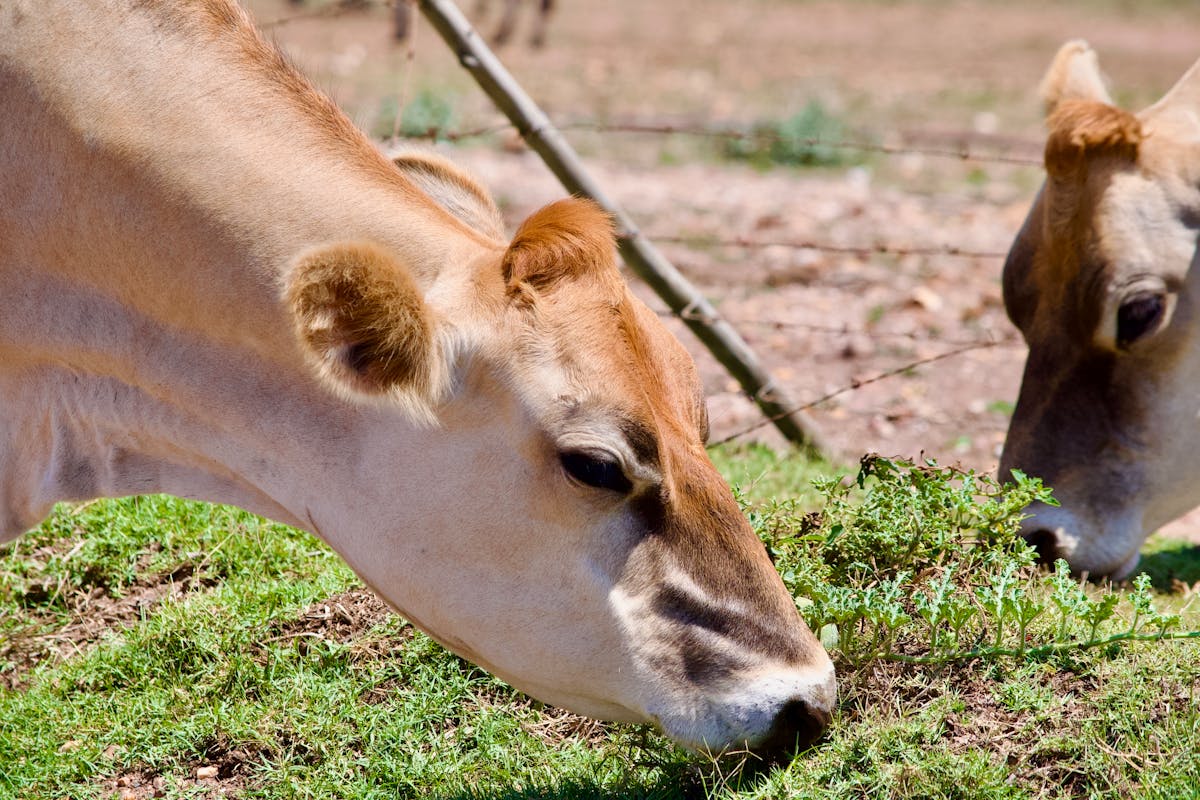
The famous animal in this story is Mrs. O’Leary’s cow, long accused in popular legend of kicking over a lantern. The problem is that the cow story has never been proven, and Chicago’s City Council formally exonerated Catherine O’Leary and her cow in 1997. The cow matters because the legend shows how humans simplify disaster.
A dense wooden city, dry conditions, wind, weak fire defenses, and urban crowding created the real danger. Still, people preferred a cleaner villain. One barn, one lantern, one animal. The myth survived because it turned a terrifying urban systems failure into a story people could repeat.
Canada Geese Forced US Airways Flight 1549 Into the Hudson River
US Airways Flight 1549 remains one of the clearest examples of a small wildlife encounter turning into a national aviation emergency. On January 15, 2009, the Airbus A320 had just taken off from New York’s LaGuardia Airport when it struck a flock of Canada geese. The impact caused an almost total loss of thrust in both engines, leaving the crew with only minutes to choose between a risky airport return and a forced water landing.
The National Transportation Safety Board later identified the ingestion of large birds into each engine as the probable cause of the accident.
What makes this incident so powerful is the contrast between the cause and the consequence. A routine climb turned into a citywide emergency because several large migratory birds crossed the wrong patch of sky at the wrong moment. Captain Chesley Sullenberger and First Officer Jeffrey Skiles turned a potential mass casualty disaster into a survival story by ditching on the Hudson River, where all 155 people aboard survived.
The episode became famous as the “Miracle on the Hudson,” but its deeper lesson is less comforting. Even advanced aircraft, trained crews, and crowded airspace systems can be thrown into crisis by wildlife moving through their natural environment.
Rats and Fleas Helped Spread the Plague That Changed World History
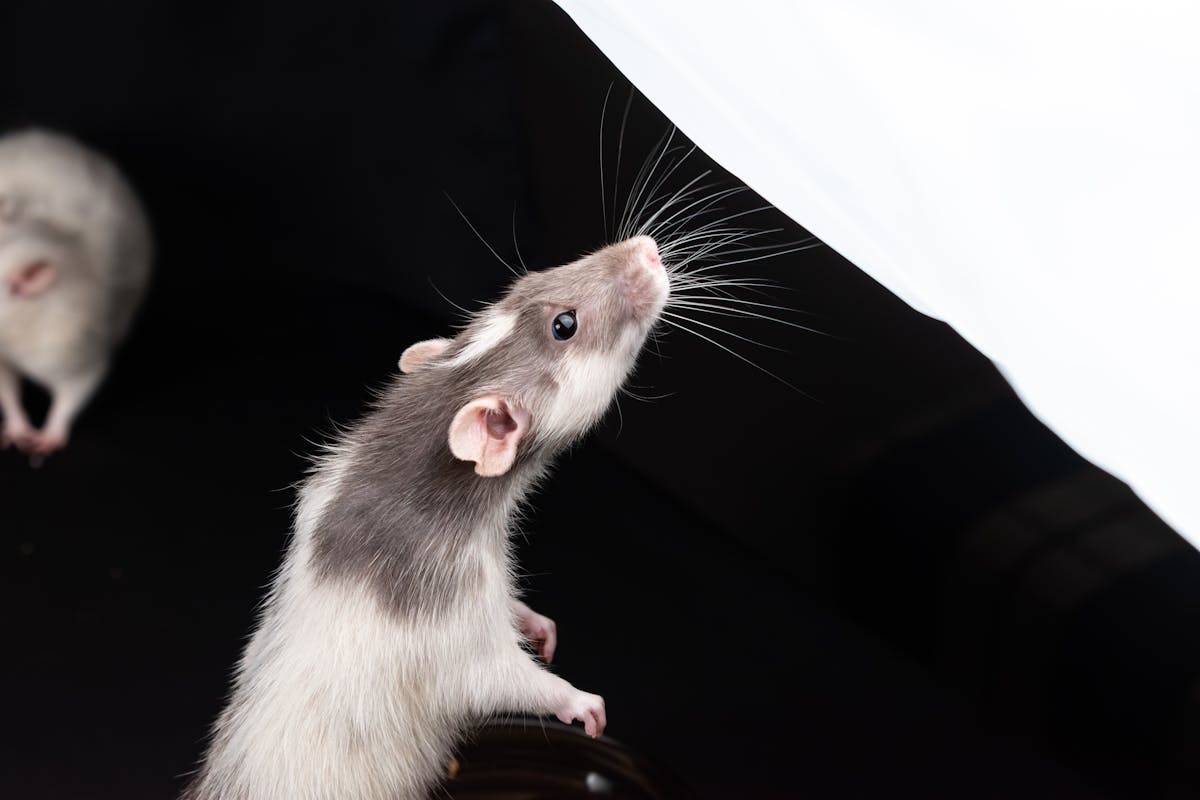
The Black Death did not begin with a dramatic accident. It spread through bodies, trade routes, ships, towns, fleas, and rodents. The CDC explains that plague is caused by the bacterium Yersinia pestis, transmitted by fleas and cycling naturally among wild rodents. People usually become infected through the bite of an infected rodent flea or through contact with infected animals.
The medieval pandemic was much more complex than a simple “rats caused it” story. Human fleas, lice, pneumonic transmission, crowded cities, and trade networks also shaped its spread. Still, rodents and fleas remain central to the disease ecology of plague. Britannica notes that the Black Death is believed to have resulted from plague and that the disease was likely transmitted from rodents to humans by infected flea bites.
The disaster shows how animals can become part of a biological system that humans accelerate. Ships carried goods, people, and pests. Cities offered food and shelter. Fleas carried bacteria. The result changed labor, religion, economics, and social life across Europe.
Desert Locusts Turned Weather Conditions Into a Food Security Crisis
A locust swarm is not just a cloud of insects. It is a moving hunger machine. Starting in late 2019 and into 2020, East Africa and Yemen faced one of the largest desert locust upsurges in living memory. The Food and Agriculture Organization described the event as a major threat to crops, livelihoods, and food security across affected regions.
The frightening part is the speed. Locusts can strip fields before families, farmers, or governments can respond. Their population explosions depend on rain, breeding conditions, wind patterns, and vegetation. Once those factors line up, the insects can move across borders faster than many official responses can organize.
For communities already under pressure from drought, conflict, rising food prices, and public health disruptions, locusts turn vulnerability into an emergency. They are not exotic villains. They are a natural species responding to favorable conditions, but at the swarm scale, that natural behavior becomes a human disaster.
Rabbits Created One of Australia’s Most Damaging Invasive Animal Disasters
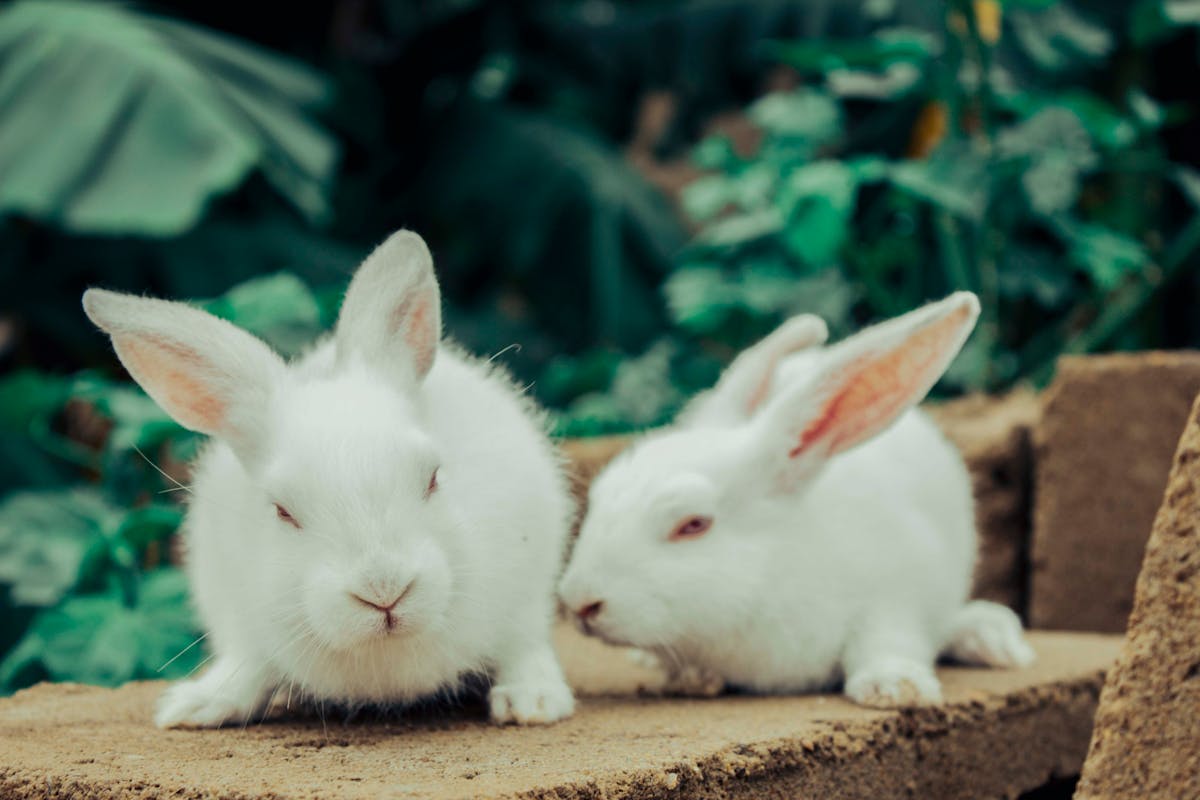
Australia’s rabbit disaster began as a human decision, but the animals themselves drove the ecological damage once they were released. In 1859, European wild rabbits were introduced so they could be hunted for sport. The National Museum of Australia notes that within 50 years, rabbits had spread across almost the entire continent, with devastating effects on indigenous flora and fauna.
The disaster grew because rabbits reproduce quickly, graze heavily, and thrive in conditions where native species had not evolved defenses against them. They stripped vegetation, worsened erosion, damaged crops, and pushed ecosystems out of balance. Modern research has traced the enormous invasion back to a single 1859 introduction of rabbits, underlining how one release event can become a continental problem.
This is not the kind of disaster that arrives in a single explosion. It creeps. It multiplies. Then one day, the damage is everywhere, and the cost of control becomes generational.
Elephants Derailed a Passenger Train in Assam
In December 2025, a high-speed passenger train in Assam, India, struck a herd of wild Asiatic elephants. The Associated Press reported that seven elephants were killed, a calf was injured, and five coaches plus the engine derailed. No human casualties were reported among the roughly 650 passengers aboard, but the incident disrupted travel and renewed concerns about rail lines crossing elephant movement zones.
This story is tragic because neither side belonged there by accident in the moral sense. The elephants were moving through a landscape shaped by habitat, food patterns, and migration pressures. The train was moving through infrastructure built for human speed and national connection.
When those paths crossed, mass and momentum decided the outcome. Reuters reported that the accident occurred in a non-designated elephant corridor, which makes the risk harder to manage because animals do not follow official maps. The disaster exposes a growing conflict between wildlife movement and infrastructure expansion.
Conclusion
The most unsettling lesson from animal-triggered disasters is that the animals are usually innocent. They are not attacking civilization. They are flying, nesting, feeding, breeding, migrating, drifting, or climbing.
The real warning sits with us. We build aircraft that share airspace with birds, power plants that pull water from living seas, farms that depend on ecological balance, railways that cut through wildlife routes, and cities that can turn rumor into history. These events remind us that disaster planning cannot stop at machines, people, and weather. It must also account for the unpredictable living world moving through the systems we built.