10 Reasons Russian Soldiers Are Abandoning Putin’s War Effort
The ongoing conflict between Russia and Ukraine has brought with it some astonishing developments. In a surprising turn of events, entire Russian regiments are abandoning their posts. These desertions speak volumes about the morale within Putin’s military ranks. From strategic failures to plummeting soldier morale, the unraveling of Putin’s war effort is becoming more evident each day. Here are the shocking reasons why these regiments are packing up and walking away.
Disillusionment With Leadership
Russian soldiers are facing a crisis of confidence in their leadership. As reports of poor decision-making and strategic misfires come in, the soldiers left on the front lines are increasingly questioning their commanders’ judgment. This disillusionment is not only affecting morale but actively pushing many to abandon their posts. Without trust in their leaders, these soldiers see little reason to fight for a cause they no longer believe in.
Lack of Resources and Support
One of the main reasons for the increasing desertions is the lack of essential resources. Soldiers have reported being sent into battle without adequate supplies, such as food, medical kits, and proper ammunition. The disconnect between what is promised and what is actually delivered has led to a growing sense of abandonment among the ranks. These unmet needs are forcing many soldiers to make the difficult decision to flee in search of safety and security.
Unclear Objectives and Poor Strategy
Another major factor is the confusion surrounding the military’s objectives. The lack of a clear, attainable goal has left many Russian soldiers feeling that their efforts are futile. With vague commands and shifting strategies, many regiments are walking away from what they view as an ill-conceived mission. The absence of clear directives only exacerbates the disarray within the ranks, leading to more desertions as soldiers struggle to understand the purpose of their sacrifice.
Rising Casualties and Diminished Morale
As the death toll among Russian soldiers rises, so does the anxiety and fear on the ground. Witnessing the death of comrades in a conflict that seems endless has deeply impacted morale. Many soldiers are no longer willing to risk their lives for a cause they don’t believe in, leading to an increasing number of desertions as they seek to return home or escape the dangers of combat.
Growing Protests at Home
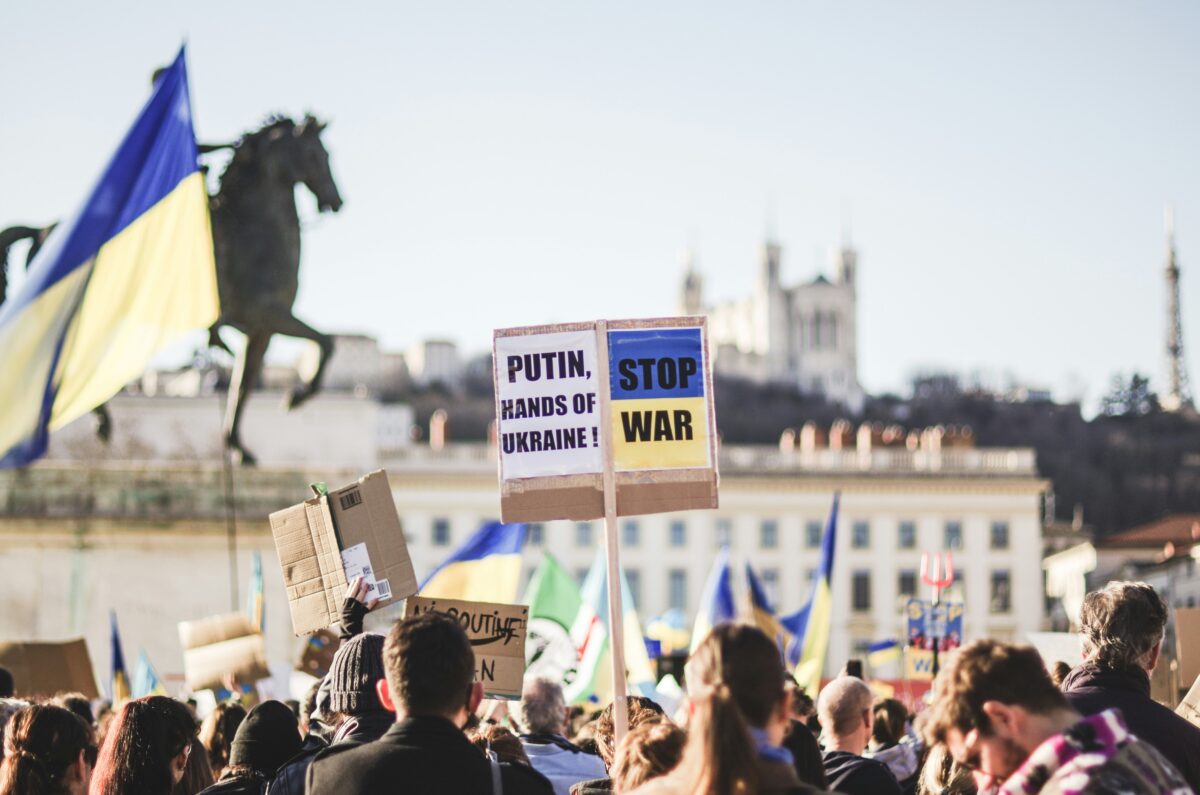
The growing opposition to the war among the Russian population has fueled further disillusionment within the military. Soldiers are aware that the conflict is unpopular at home and are increasingly questioning their participation in a war that many see as unjust. With the pressure from civilians mounting, it becomes harder for soldiers to justify their actions, leading to more soldiers walking away from the front lines.
Fear of Prosecution or Retribution
Some soldiers desert because they fear the consequences of being part of an illegal or unjust war. With increasing reports of human rights violations and international condemnation, many fear prosecution both at home and abroad. Desertion has become a way for these soldiers to avoid retribution and the shame associated with continued involvement in a conflict that is increasingly seen as a war crime.
Pressure From Family and Loved Ones
Another personal reason for desertion is the pressure from soldiers’ families and loved ones back home. As news of the atrocities and the growing death toll from the war spreads, soldiers face mounting pressure to return home. For many, their commitment to their families outweighs their loyalty to the military. This personal conflict has become a significant factor driving desertion as soldiers return to their roots for safety and support.
Influence of International News and Social Media
The role of international news and social media cannot be underestimated in this conflict. Soldiers who were once isolated from the outside world are now able to see the global reaction to the war, including the growing condemnation of Russian aggression. This information, often starkly at odds with official state propaganda, has become a source of awakening for many, prompting them to reconsider their roles in the conflict and, eventually, to flee their posts.
Increased Instances of Self-Harm and Mental Health Crises
As the war continues, there has been a troubling rise in mental health issues among Russian soldiers, including self-harm and suicides. The stress, trauma, and uncertainty of war have taken a heavy toll on their psychological well-being. Many soldiers find themselves at breaking point and, unable to cope with the emotional and mental strain, choose to desert rather than continue serving under these harsh conditions.
Lack of Consequences for Desertion
Finally, the military’s inability to effectively punish deserters has further emboldened soldiers to leave their posts. Reports indicate that deserters are not facing severe punishment, either because of the overwhelming scale of desertions or because of a lack of leadership willing to enforce discipline. This lack of consequences only reinforces the belief that desertion is a viable and safe option for those unwilling to continue fighting.
Conclusion
The desertion of entire Russian regiments is a glaring sign that Putin’s war effort is losing its grip. With every soldier who abandons their post, the military’s structure becomes weaker, and the chance of victory more distant. The lack of resources, morale, and clear direction is contributing to a growing crisis within Russia’s ranks. It remains to be seen how this trend will affect the war’s outcome, but one thing is clear: the Russian military is at a tipping point, and the cracks in Putin’s war machine are only getting wider.