7 Shocking Truths About America’s Food Crisis in 2026 You Won’t Believe
The American food industry is no stranger to challenges, but the current state of the food system is downright alarming. With rising food prices, widespread food insecurity, and unsustainable farming practices, the crisis is only getting worse.
This article breaks down seven uncomfortable truths everyone needs to face about America’s food crisis.
The Price of Groceries Has Skyrocketed
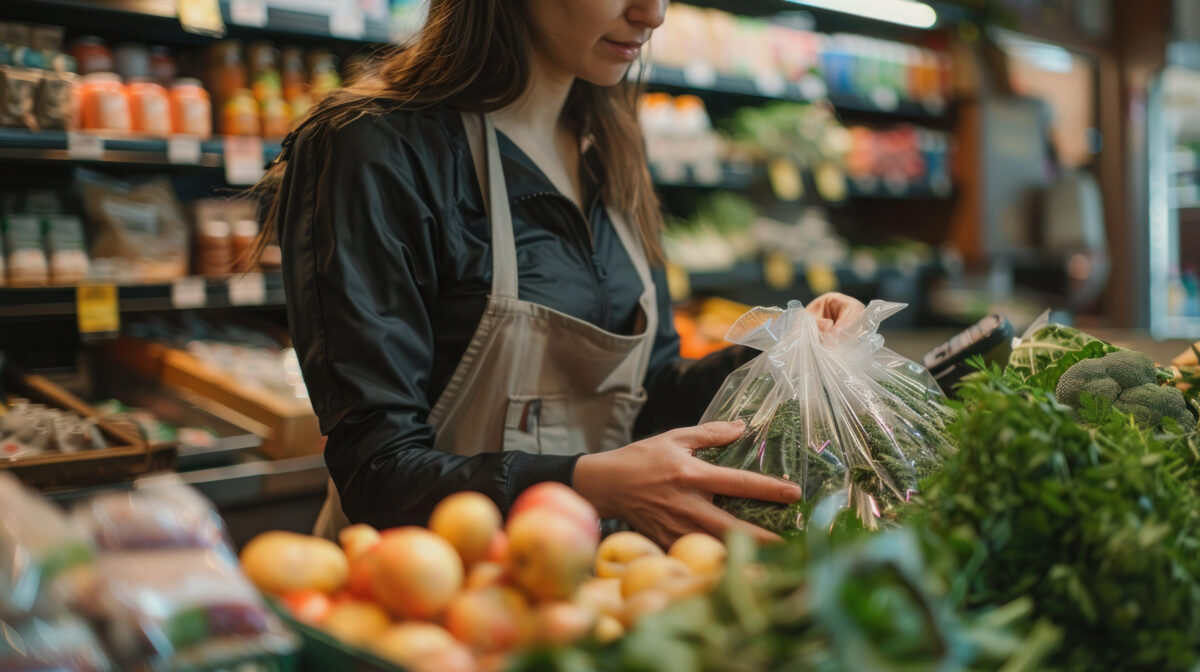
The average cost of groceries in the U.S. has seen an unprecedented rise, and it’s not just a minor bump in the road. From fruits and vegetables to meat and dairy, inflation has taken a huge toll on American families. In fact, grocery prices have risen by a staggering 15% in the past year alone. So, what’s driving this spike?
Farmers face unpredictable weather and soil depletion, while labor shortages cause bottlenecks. Production costs are passed to consumers, reducing affordable choices.
The reality is, it’s only going to get worse unless major reforms are put in place. If you’ve been feeling the pinch at checkout, you’re not alone. But it’s not just about sticker shock – it’s about what these prices mean for food access, and how this affects the most vulnerable in society.
The U.S. Faces Growing Food Insecurity, With Millions Going Hungry
While grocery prices are soaring, food insecurity is affecting more people than ever before. In fact, nearly 38 million Americans are currently living in food insecurity, a problem that has worsened due to economic instability, low wages, and inflation. But perhaps the most troubling aspect of this is the fact that food banks and charities are unable to meet demand.
Food insecurity is now a nationwide crisis. Middle-class families are turning to food assistance, choosing between eating and paying for essentials.
With the situation likely to worsen in the coming years, urgent changes are needed to ensure all Americans have access to nutritious food.
The Hidden Costs of Eating Healthy in America

Many people want to eat healthier, but the hidden costs of eating well can be downright discouraging. Fresh produce, organic foods, and sustainably sourced ingredients are often priced out of reach for many. In fact, organic food prices can be 50% higher than those of conventional food, making healthy eating a privilege rather than a right.
Nutrition-related diseases like heart disease and diabetes are rising, but many Americans can’t afford healthy diets. Food deserts, where fresh food is scarce, are common in low-income areas.
This gap in access to healthy food contributes to a national health crisis that costs the healthcare system billions of dollars every year. In the U.S., the idea that “you are what you eat” has never been truer, but sadly, many can’t afford to eat what’s best for their bodies.
Unsustainable Farming Practices Are Destroying the Planet
Industrial farming damages the planet,causing soil erosion, water pollution, and biodiversity loss. Pesticides and monocropping deplete soil nutrients.
But that’s not the worst part: American agriculture’s carbon footprint is massive, contributing to global warming and climate change. Livestock farming, particularly beef and dairy, is one of the largest sources of greenhouse gas emissions. This is a direct result of both deforestation (to make room for grazing) and the methane produced by cows.
If we don’t change the way we farm, the environmental costs will keep rising. The result will be more extreme weather events, worse crop failures, and even more expensive food. We need to overhaul the system, but time is running out.
Big Corporations Are Manipulating the Food System for Profit

Big food corporations control most of the supply and focus on profits over health. Processed foods are marketed as affordable but are linked to health issues.
Big business influences food policy, lobbying for laws that favor their interests. Harmful products stay on the market while sales are prioritized over health.
The ‘Farm to Table’ Trend Is More About Marketing Than Sustainability
“Farm-to-table” and “locally sourced” are often marketing terms, not guarantees of sustainability. Many products travel long distances, raising carbon emissions.
Moreover, some so-called “local” farms are part of large industrial agricultural systems that aren’t any more sustainable than the big corporations they claim to oppose. As consumers, it’s important to be critical of these buzzwords. True sustainability involves not just local sourcing, but also ethical farming practices, biodiversity, and fair labor standards.
The Impact of Fast Food on American Health Is More Devastating Than Ever

Fast food’s consequences are more severe than ever; obesity, heart disease, and diabetes are linked to high-fat, high-sugar diets. Consumption continues to rise, especially in low-income areas.
Fast food chains target children and young adults, creating habits that are hard to break. Their influence remains strong, and the future of American health is bleak without change.
Conclusion
America’s food crisis affects everyone. The system is broken,food insecurity, unsustainable farming, and corporate greed threaten the future.
To fix this crisis, everyone must demand change. We need a more equitable, sustainable, and healthy food system so no one goes hungry. The clock is ticking.