7 Places Americans Are Tired of Being Asked to Tip
The tip screen has become the new American jump scare. One minute, someone is buying a coffee, a sandwich, or a bottle of water. The next minute, a glowing tablet stares back, with three bold choices that seem to whisper the same thing: “How generous are you really?”
That tiny screen has turned everyday checkout into a public moral exam. The cashier is waiting. The line is breathing behind you. Your thumb hovers over “no tip” like it is a trap door, and suddenly, a normal purchase feels like a confession booth with card payments.
Americans are not imagining the pressure. Pew Research Center found that 72% of U.S. adults say tipping is now expected in more places than it was five years ago.
A 2025 survey found that 63% of Americans hold at least one negative view of tipping, including frustration with pre-entered tip screens and the belief that businesses should pay workers better rather than shifting the burden onto customers.
Coffee shops

The modern coffee shop can feel less like a cozy morning ritual and more like a tiny stage where customers are forced to perform kindness.
You order a regular coffee, maybe a muffin from the glass case, and then the tablet spins around like a game-show wheel.
The suggested tips appear before the caffeine has even reached your bloodstream, and somehow, the cheapest emotional option still feels expensive.
This is where many Americans start to feel trapped. People understand tipping a barista who crafts a complicated drink, handles a long line, or brings genuine warmth to a rushed morning.
The frustration begins when a simple black coffee comes with a screen asking for 20%, 25%, or 30%. That is not gratitude anymore. That feels like a guilt fee poured directly into the cup.
Self-serve kiosks
Self-serve kiosks may be the strangest twist in the tipping drama. The customer walks in, studies the menu, taps through the order, picks the toppings, enters the payment, grabs the receipt, waits for the food, and sometimes even clears the table.
Then the machine politely asks for a tip, as if the customer should thank the restaurant for letting them work part-time.
That is why this one irritates people so quickly. Tipping usually makes sense when someone adds personal service, attention, care, or skill.
At a kiosk, the customer often feels like they are doing the labor the business used to provide. The tip prompt can make the whole exchange feel backward, like paying extra rent after building the house yourself.
Fast food counters
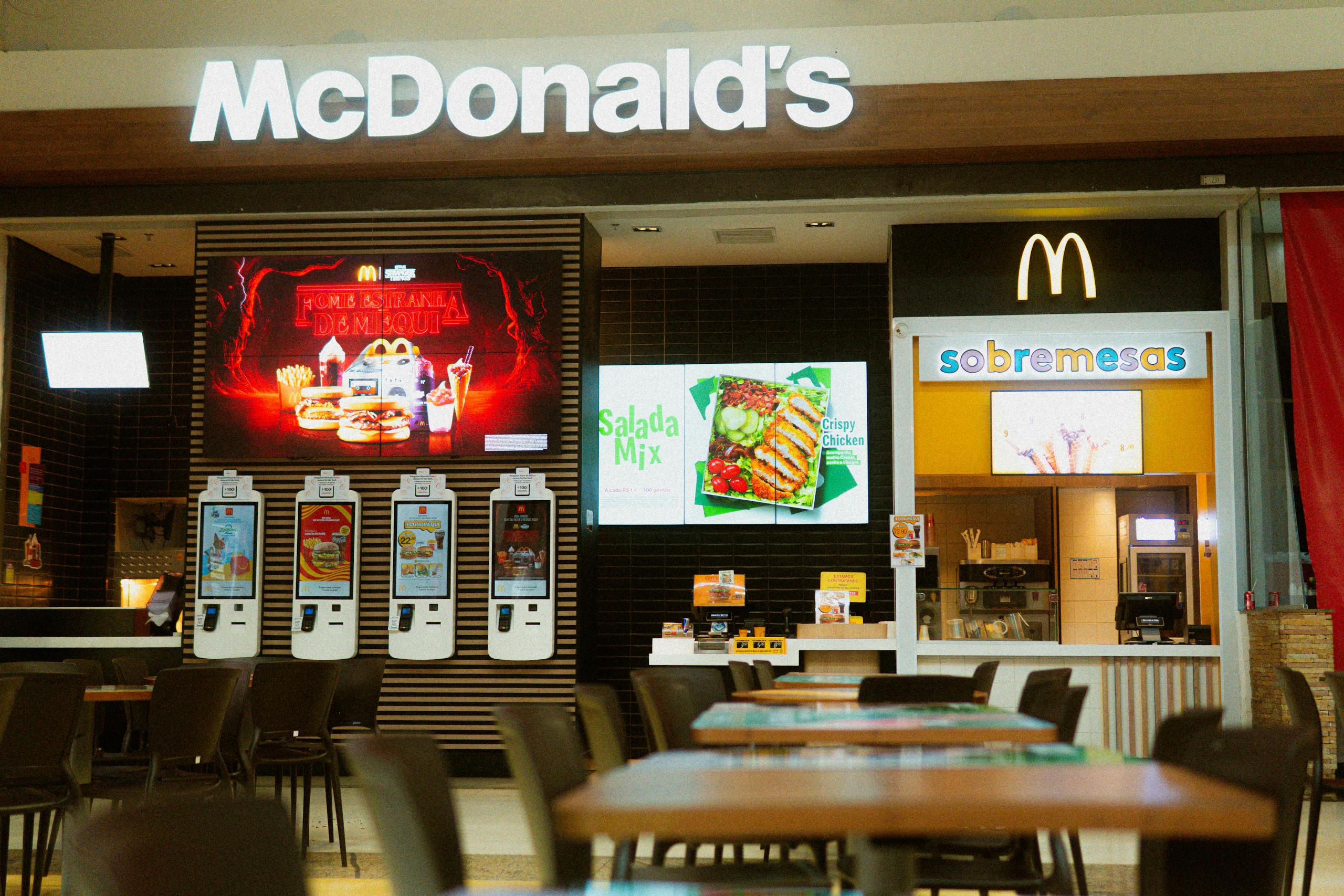
Fast food once had a simple deal with America. It promised speed, convenience, and a meal that did not require a financial strategy session.
Now, customers already wince at combo prices that look nothing like they did a few years ago, then face a tip screen before they even get their fries. The moment hits like a small betrayal.
The anger is not aimed at the workers behind the counter. Most customers know fast food jobs can be exhausting, underpaid, and stressful.
The frustration comes from watching large chains raise prices, automate ordering, shrink the service experience, and still leave customers feeling responsible for fixing the wage problem. A burger should not come with a side of economic guilt.
Takeout restaurants
Takeout tipping lives in the messy middle of American manners. If a restaurant carefully packs a large family order, handles substitutions, adds sauces, checks allergies, and makes sure nothing spills, many customers are happy to tip. That feels fair. Someone did more than hand over a bag.
The problem comes when a basic pickup order carries the same tipping expectation as full table service. The customer ordered online, drove to the restaurant, parked, walked inside, grabbed the food, and carried it home.
There was no table service, no refills, no check-in, no cleanup, and no dining experience. When the screen still suggests a restaurant-level tip, people feel as though the rules have changed without anyone asking them.
Food trucks
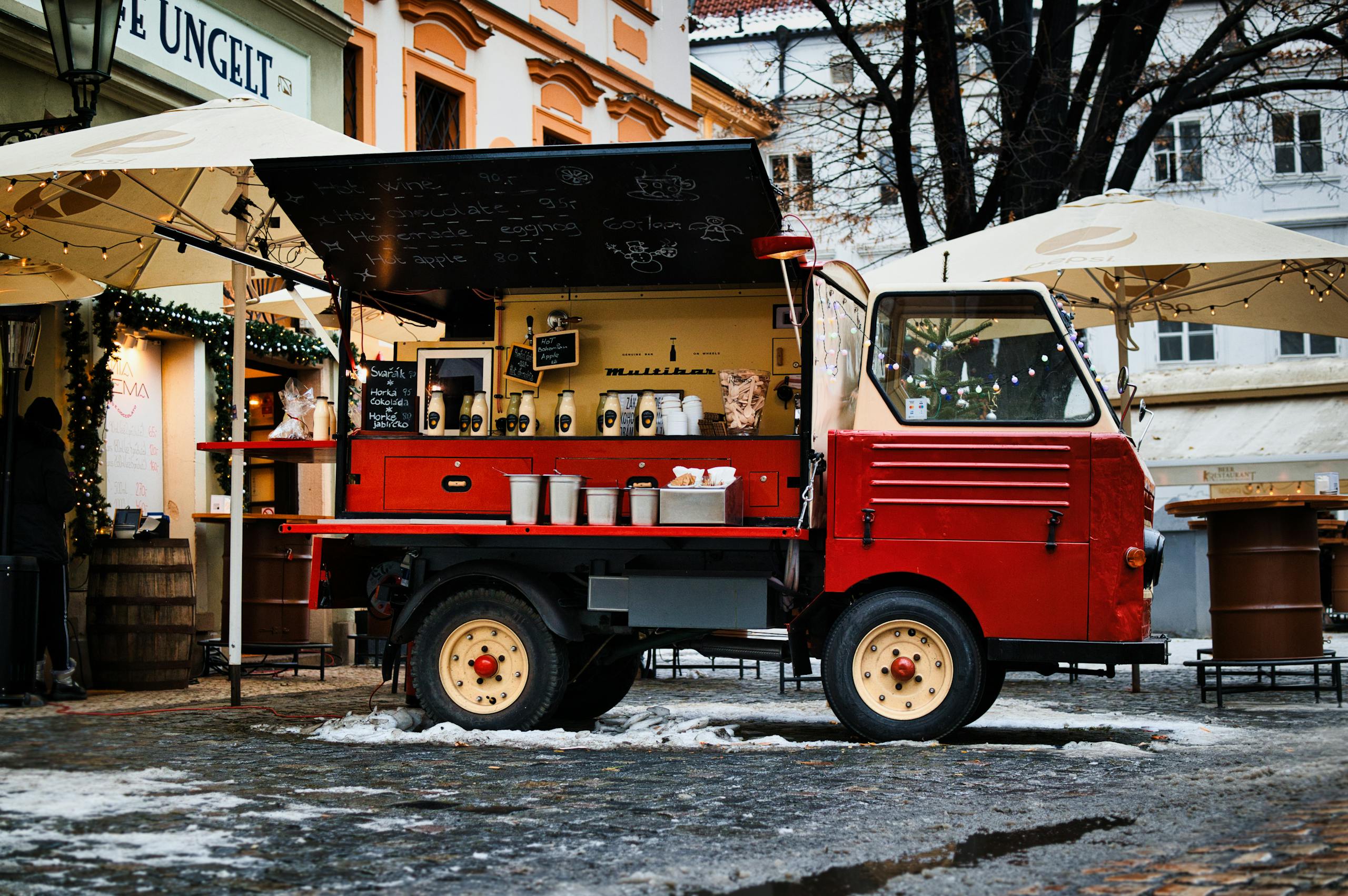
Food trucks have personality, and that is part of their charm. They smell like sizzling onions, festival afternoons, brewery patios, and Friday nights that didn’t require a reservation.
People love the creativity, the small-business energy, and the feeling of eating something fun from a window-on-wheels.
Then the bill lands. A sandwich costs nearly as much as a restaurant meal. A taco plate feels like a special occasion. A drink adds another few dollars. Then the tablet asks for a tip, and the magic starts to wobble.
Customers know food truck crews work hard in tight, hot, chaotic spaces, but they also wonder why a quick window handoff now feels priced like a seated meal with extra pressure attached.
Convenience stores
Convenience store tipping feels like the moment tipping culture jumped the fence and started wandering into places it never belonged. A customer grabs a bottled soda, a bag of chips, or a pack of gum.
There is no custom service. No table. No delivery. No special preparation. Just a barcode, a card reader, and suddenly a tip prompt appears like an uninvited guest.
That is why people react so strongly. The setting does not match the request. Nobody expects to tip for buying toothpaste, cough drops, or a candy bar on the way home.
When a tip screen appears in a place built around speed and basic transactions, it makes shoppers feel as if the entire meaning of tipping has been stretched beyond recognition.
Retail shops

Retail tipping can turn a pleasant shopping trip into an awkward social test. Someone buys a candle, a shirt, a small gift, or a bottle of fancy soap. The employee rings it up, maybe folds it nicely, maybe says something friendly.
Then the payment screen asks for a tip, and the customer has to decide whether basic checkout now counts as a service event.
This one hits hard because people want to support small shops. They want local businesses to survive. They want workers to be treated well. But they also do not want every purchase to become a negotiation with their conscience.
A $28 candle should not leave someone wondering if they failed a stranger by refusing to add another $5.
Why the backlash keeps getting louder
The loudest complaints about tipping are often misunderstood. Most Americans are not angry at workers. They are angry at the fog.
They do not know when tipping is expected, when it is optional, when it is generous, and when it is being used as a quiet substitute for fair wages. The rules feel blurry, and blurry rules make people defensive.
41% of Americans say tipping culture has gotten out of control, while another 41% say businesses should pay employees better instead of relying so heavily on tips. The same survey found that 38% are annoyed by pre-entered tip screens. That tells the real story. The backlash is not about stinginess. It is about exhaustion.
The screen is the villain because it makes the pressure visible. Old-school tip jars were passive. You could drop a dollar in, ignore them, or pretend you did not see them.
Digital tip screens are different. They ask loudly. They ask directly. They ask while someone is watching. That little moment has become one of the most uncomfortable rituals in everyday American life.
Key takeaway
Americans are tired of being asked to tip in places where the service feels unclear, minimal, automated, or already baked into the price.
Coffee shops, kiosks, fast-food counters, takeout restaurants, food trucks, convenience stores, and retail shops have become pressure points in a larger argument over money, wages, manners, and guilt.
The real frustration is not that workers want to earn more. The real frustration is that customers feel like businesses keep sliding the same bill across the counter and calling it generosity.
Tipping used to feel like a thank-you. Now, in too many places, it feels like a test people never agreed to take.