8 Brutal Ways Millennials Are Ruining the Job Market for Gen Z
Every Gen Z graduate knows the job hunt now feels like a group project where nobody explains the instructions, the deadline keeps changing, and the boss still wants 5 years of experience for a starter job.
You spend years collecting assignments, internships, student debt, LinkedIn connections, résumé bullets, unpaid “exposure,” career advice, and anxiety.
Then you open a job post labeled “entry level,” and somehow it wants three years of experience, advanced software skills, a polished portfolio, perfect communication, flexible availability, and the confidence of someone who has already survived two layoffs.
That is why the phrase Millennials are ruining the job market for Gen Z hits a nerve. It sounds dramatic, but it captures a real frustration young workers feel right now.
Millennials were once the broke interns, the student-debt generation, the avocado-toast punchline, and the workers accused of killing everything from malls to napkins. Now, many of them are managers, recruiters, founders, team leads, hiring gatekeepers, and workplace culture shapers.
No one is saying every Millennial is secretly plotting against Gen Z from a standing desk with oat milk coffee nearby. Most are trying to survive the same expensive, unstable, overworked economy.
Still, the workplace habits Millennials helped normalize are now shaping how Gen Z gets hired, trained, promoted, judged, and sometimes rejected before they even get a real chance.
Millennials Turned Entry-Level Jobs Into Experienced Beginner Jobs

The old promise of an entry-level job was simple. A company hired you, trained you, let you make beginner mistakes, and slowly helped you become useful. That promise now feels like it got shredded in a corporate printer.
Many Gen Z applicants open beginner job posts and find requirements that sound anything but beginner. Employers want software fluency, internship experience, project samples, polished communication, industry knowledge, and, sometimes, years of prior work. The first rung of the ladder now feels like it has been moved above everyone’s head.
Recent labor-market data show why this frustration is not imaginary. At the end of 2025, unemployment for recent college graduates was around 5.7%, while about 42.5% were working in jobs that did not require a college degree.
Millennial managers did not create this problem alone, but many helped normalize the “plug-and-play” worker. After years of lean teams, layoffs, hustle culture, and doing more with less, some now expect Gen Z to arrive already polished.
That turns entry-level work into a contradiction. Young workers are being asked to have experience before anyone gives them experience.
They Made Remote Work a Prize Gen Z cannot Easily Win.
Millennials fought hard for remote work, and honestly, many had good reasons.
Long commutes, open offices, rising rents, pointless meetings, daycare chaos, burnout, and a fake-productivity culture made remote work feel like a rescue plan. Millennials pushed back against the old office script and helped make flexibility mainstream.
Gen Z entered the workforce after that battle had already changed the rules.
A remote job sounds perfect until a young worker realizes what it means to lose. No quick desk-side questions. No overhearing a senior coworker handle a difficult client. No casual lunch where someone explains how the company really works. No manager notices confusion early because everyone is just another square on a screen.
Workplace surveys suggest that younger employees are often seeking mentorship, connection, and career growth during office time, even as hybrid work remains common.
That creates a strange generational clash. Millennials want to protect the flexibility they fought for. Gen Z often needs the visibility and informal training that remote work can weaken. Sometimes, Millennials are ruining the job market for Gen Z, not through cruelty but by defending a work style that makes the first few years of a career harder to navigate.
They Made Side Hustle Culture Feel Mandatory

Millennials did not invent side hustles, but they turned them into a lifestyle brand. Freelance after work. Sell digital templates. Start a podcast. Build a personal brand. Drive for extra cash. Launch a newsletter. Monetize your hobby. Turn your bedroom into a studio. Never let a skill sit quietly if it could become income.
Gen Z inherited that pressure before many even found stable full-time work. A normal paycheck no longer feels like enough. A résumé is not enough either. Young workers are now told to be employees, creators, freelancers, networkers, content marketers, and entrepreneurs all at once.
Everyone is supposed to have a portfolio, a niche, a link, a brand, and a backup plan before they even understand workplace politics.
Millennials made side hustles sound empowering because they were reacting to an unstable economy. For Gen Z, the message can feel darker. If a degree, a job, and hard work are still not enough, the American dream starts looking less like a ladder and more like a treadmill with Wi-Fi.
They Turned Workplace Boundaries Into a Hiring Filter
Millennials helped make workplace boundaries mainstream. No more answering emails at midnight. No more pretending burnout is ambition. No more giving loyalty to companies that replace workers in a week. Those ideas were necessary after years of corporate overreach.
Unfortunately, Gen Z is entering the job market at a strange time. The language of boundaries is now common, but young workers often lack the power to use it without being judged.
A hiring manager may hear “work-life balance” and quietly think “low effort.” Another may hear “flexibility” and wonder if the candidate will disappear after onboarding.
That unfair judgment hits Gen Z hard. Millennials once fought for the same balance that younger workers now request. Yet many Millennials are now the managers reading applications, leading interviews, and deciding who seems “ready.”
When the generation that fought for boundaries becomes the generation judging boundaries, the workplace gets complicated fast.
They Built a Networking Economy That Rewards Visibility
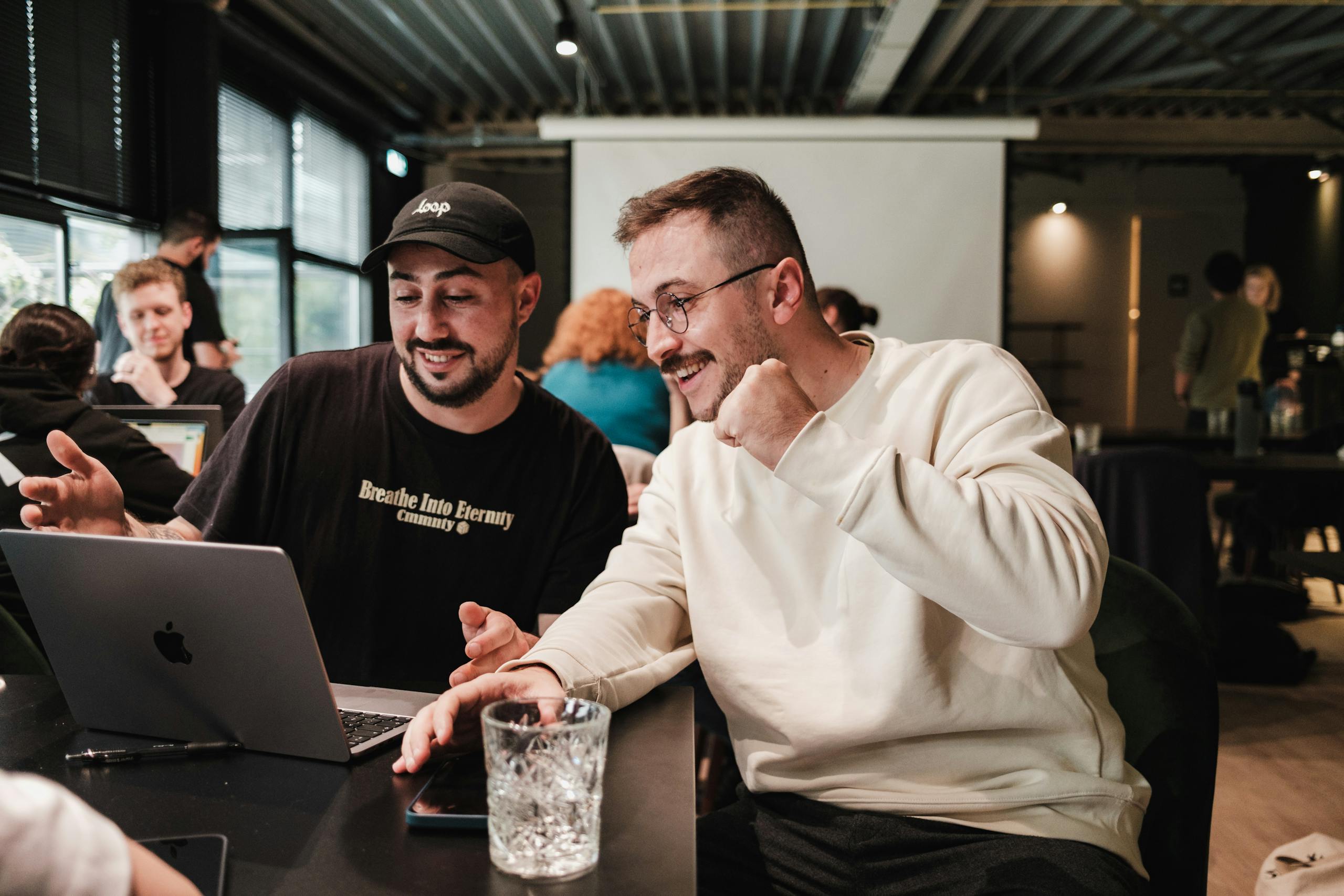
The old career advice sounded simple. Work hard, apply, and prove yourself. The new advice sounds like a social media strategy. Optimize LinkedIn. Build relationships. Comment thoughtfully. Find a mentor. Attend panels. Join communities. Message recruiters. Create content. Stay visible.
Millennials helped build this networking economy because digital platforms became central to their careers. They learned that many good jobs travel through referrals, alumni circles, Slack groups, DMs, group chats, and quiet recommendations before they ever hit public job boards.
That system can punish Gen Z workers who do not already have access.
First-generation graduates, rural applicants, working-class students, caregivers, introverts, and young people without professional family networks may be told to “network” without being given a real doorway into the room. The job market then claims to reward merit while quietly rewarding social access.
Gen Z is not only competing for jobs. They are competing for visibility. That is why the complaint that Millennials are ruining the job market for Gen Z feels so relatable to young Americans who are qualified but still invisible.
They Let AI Eat the Training Wheels
The old entry-level job came with boring tasks, but those boring tasks taught people how work worked.
Drafting reports, answering emails, pulling data, organizing files, scheduling meetings, preparing summaries, and writing first versions of documents were not glamorous. Still, they helped young workers build judgment, speed, context, and confidence.
AI is now eating many of those training-wheel tasks. Millennial-led teams are often quick to adopt AI because they are old enough to manage systems and young enough to embrace new tools fast.
That creates a brutal problem for Gen Z: the basic work that used to teach beginners is disappearing before young workers can learn from it.
Recent reporting on AI and early-career workers has pointed to a substantial decline in employment for young workers in AI-exposed fields, including customer service, data entry, and coding.
AI can accelerate teams, but speed is not the same as development. If companies automate the work that once required trained new employees, they still need to answer one basic question. Where are beginners supposed to begin?
They Made Culture Fit Sound Friendly While Raising the Bar

“Culture fit” sounds harmless until it becomes a velvet rope. Millennial managers often care about workplace vibes. They want emotional intelligence, shared values, clear communication, collaboration, humor, flexibility, and people who “get it.”
That can create healthier workplaces, but it can also make hiring feel like joining a friend group that has already decided the inside jokes.
Gen Z candidates can miss out on opportunities because they have not yet mastered the hidden performance of professionalism. A young applicant may be judged for tone, interview style, confidence level, online presence, communication habits, or not knowing how to sound polished in exactly the expected way.
Potential gets mistaken for risk. A quiet candidate becomes “not ready.” A direct candidate becomes “immature.” Someone without an internship polish becomes “not a fit.”
Culture fit can help a workplace, but it can also become a polite way to hire people who already know the rules. Companies that want young talent need to stop confusing polish with potential.
They Changed the Promotion Game and Left Gen Z Confused
Millennials spent years watching promotions turn into stress, meetings, office politics, longer hours, and barely enough pay to justify the headache.
Many decided the old ladder was not worth climbing. That attitude is spreading across younger workers, too. Recent coverage of Gen Z career preferences found that only 6% of Gen Z workers name leadership roles as their main career goal, with many prioritizing balance and well-being instead.
Millennials helped make that mindset acceptable. They questioned hustle culture, exposed burnout, and made boundaries sound smart instead of lazy.
The downside is that when fewer experienced workers want to manage, mentor, or train, Gen Z loses guidance. A workplace full of people protecting their peace can become a workplace where no one has time to help the newest person grow.
Conclusion

Millennials did not wake up and decide to ruin the job market for Gen Z. They were shaped by recessions, layoffs, student debt, burnout, bad bosses, rising rent, and years of being told they were the problem. Still, their workplace revolution has consequences.
Remote work made flexibility normal, but training harder. Boundaries made burnout less acceptable, but early-career expectations more confusing. Side-hustle culture has made independence attractive, but stability feels weaker.
AI adoption sped up work but removed some beginner tasks. Networking made careers more social but less accessible. Culture fit made offices warmer, but hiring was more subjective.
Now Gen Z is standing at the front door of the American job market, résumé in hand, wondering why the entry-level sign is hanging over a locked room.
The answer is uncomfortable. Millennials changed work to survive it. Gen Z now has to survive the changes they created.