10 Ways Farmed Fish Could Be Worse Than Wild-Caught
In the debate surrounding fish consumption, wild-caught fish often receive praise for their sustainability and nutritional value. However, farmed fish are becoming increasingly popular due to their lower price and availability.
While farmed fish may seem like a practical option, there are significant reasons why they could actually be worse than their wild-caught counterparts. Here are 10 reasons why farmed fish could be a less healthy and more environmentally damaging choice.
Lower Nutritional Value
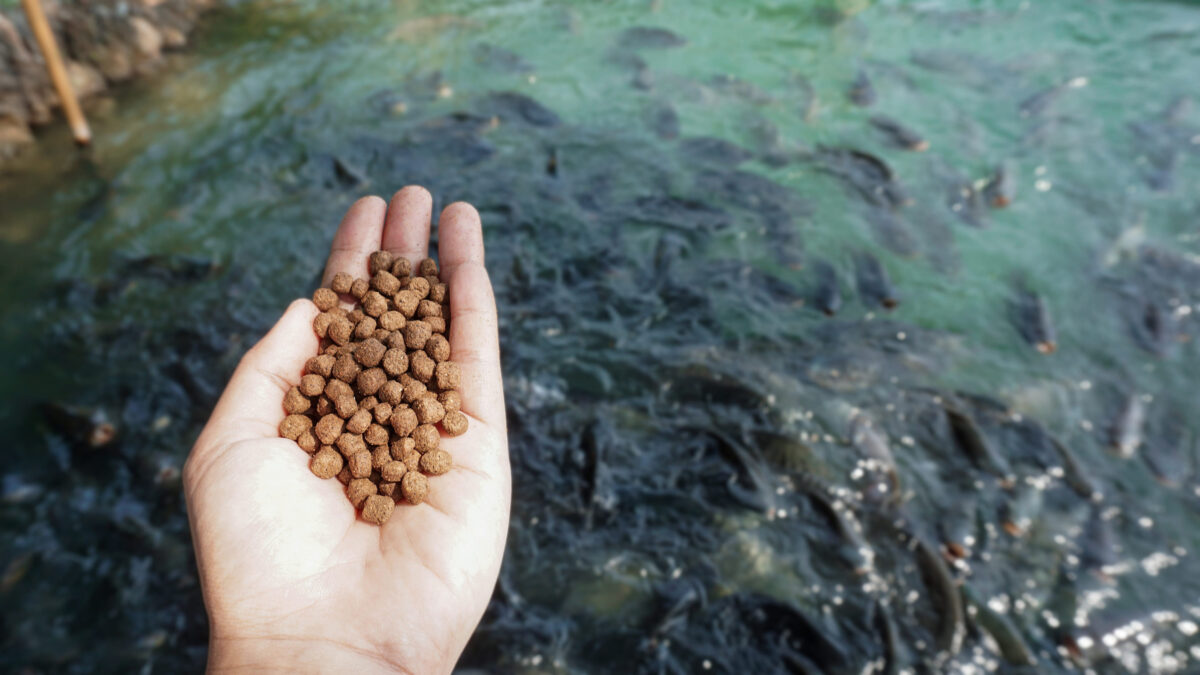
Farmed fish are often fed a controlled diet of grains, processed ingredients, and sometimes antibiotics. This diet can alter the fish’s nutrient profile.
In contrast, wild-caught fish feed on a varied diet of marine organisms, resulting in a better omega-3 fatty acid profile, which is essential for heart health. Studies suggest that wild fish have higher levels of these beneficial fats, making them the superior option for nutritional benefits.
Increased Risk of Contaminants
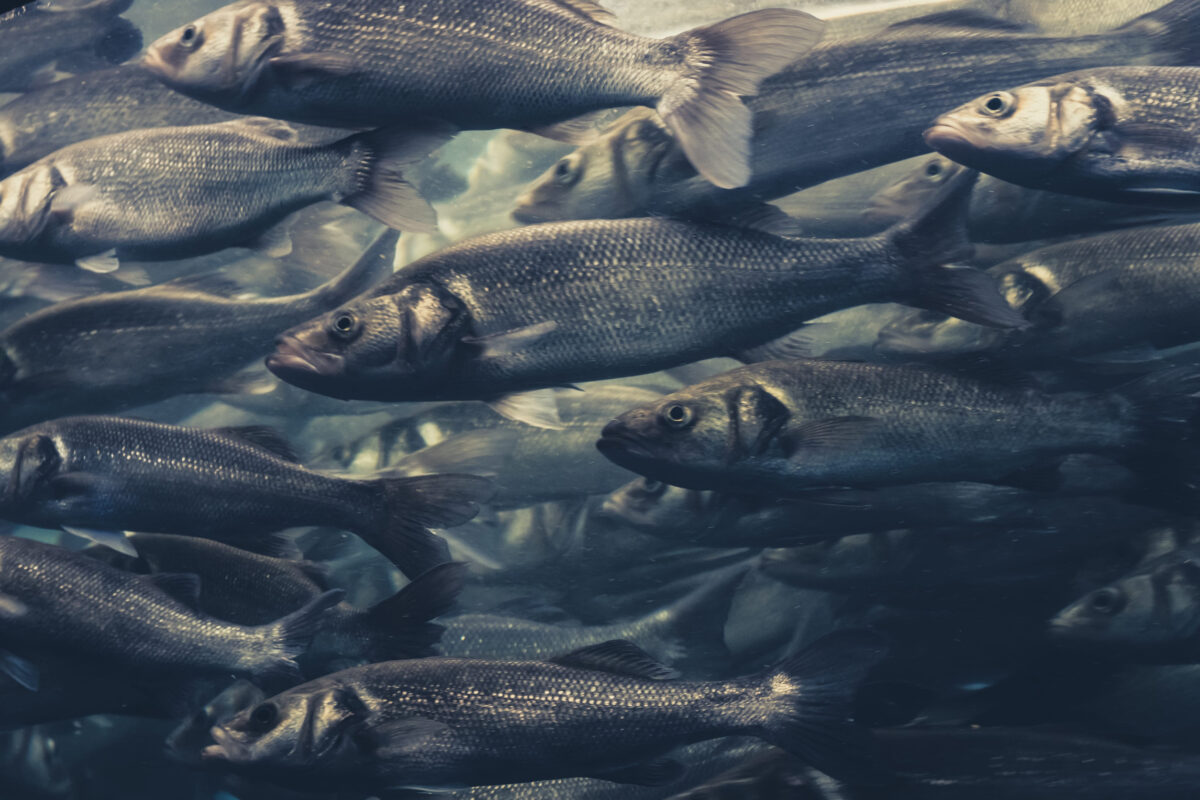
Farmed fish are often kept in crowded conditions, which increases the likelihood of disease and parasites. To manage this, fish farms frequently administer antibiotics, which can remain in the fish and enter the food chain.
Moreover, farmed fish are at risk of absorbing harmful chemicals like polychlorinated biphenyls (PCBs) and dioxins, which can accumulate in the fish’s fat.
These toxic substances can pose long-term health risks to humans, especially when consumed in large quantities.
Environmental Pollution
Fish farming can contribute significantly to oceanic pollution. Waste produced by large fish populations, including uneaten food and feces, can pollute the surrounding water. This creates “dead zones” where oxygen levels are too low to support most marine life.
Additionally, the chemicals used in fish farming, such as pesticides and antibiotics, can leach into the water, further harming aquatic ecosystems. In contrast, wild fish are part of a natural, balanced ecosystem, without the risks associated with artificial farming environments.
Spread of Disease
Because farmed fish are kept in close quarters, diseases can spread quickly. These diseases can then be transmitted to nearby wild fish populations, further threatening their survival.
The introduction of farmed fish diseases to the wild can reduce biodiversity, weaken fish populations, and disrupt natural food webs. Wild fish, on the other hand, do not face this heightened risk, as they live in open waters with a lower risk of disease transmission.
Genetic Impact on Wild Fish
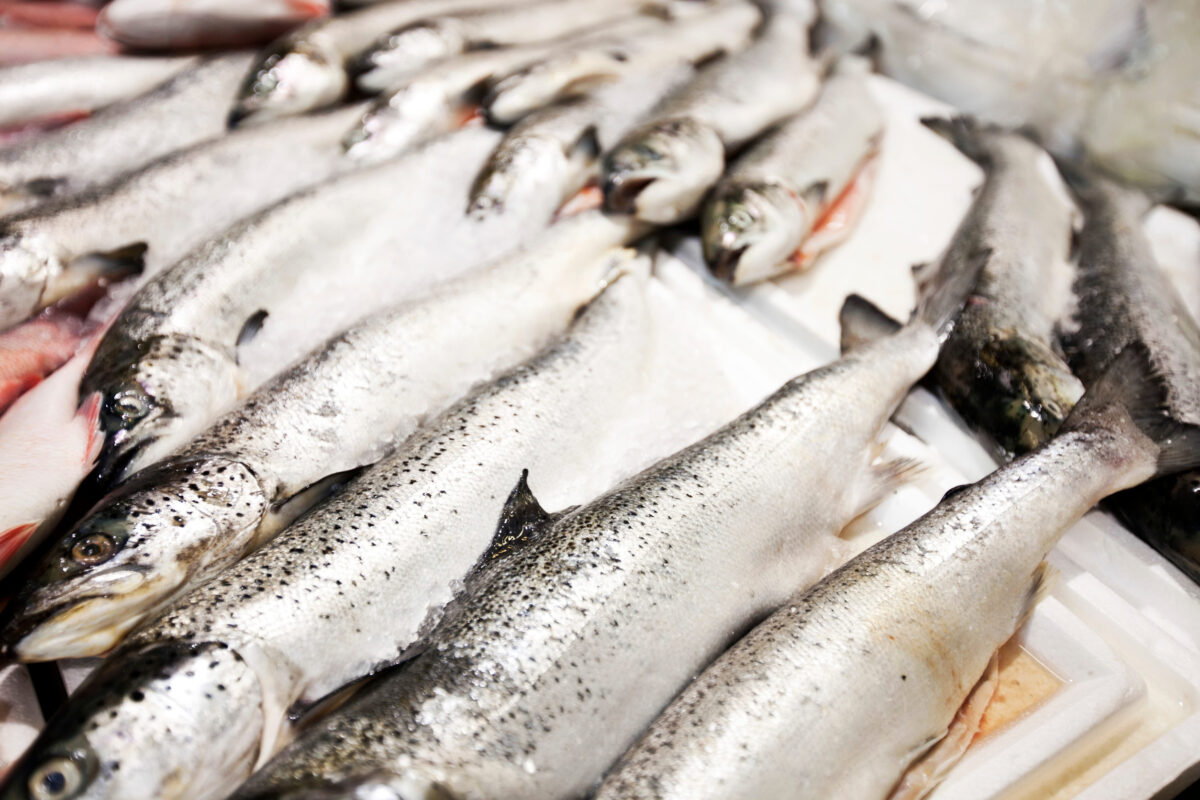
Farmed fish, particularly salmon, are often genetically modified to grow faster and more efficiently in captivity.
When these farmed fish escape from their pens, they can interbreed with wild fish, introducing genetic traits that may compromise the health and adaptability of the wild population. These interbreeding events can weaken the genetic pool of wild fish and make them more susceptible to diseases and environmental changes.
Increased Carbon Footprint
The farming of fish, especially in large-scale industrial operations, requires significant energy input. Fish farms rely on extensive infrastructure, including water-pumping systems, feed production, and the transport of harvested fish.
The production and transportation of farmed fish can lead to a substantial carbon footprint. In comparison, wild fish capture does not require the same level of artificial input, as fish naturally grow in the wild without the need for energy-intensive farming processes.
Depletion of Wild Fish Stocks
Farmed fish are often fed a diet containing fishmeal and fish oil, which are derived from wild-caught fish. This demand for wild fish as feed contributes to the overfishing of oceanic species, exacerbating the depletion of marine life.
As more wild fish are harvested to feed farmed fish, the balance of the ocean ecosystem becomes increasingly strained. Wild fish populations are being threatened by the very industry that aims to provide more fish for human consumption.
Ethical Concerns
Fish farms, particularly in poorer countries, have been criticized for inhumane treatment of the animals. Fish are often kept in overcrowded conditions where they are unable to express natural behaviors.
In addition, many farms do not provide adequate space, leading to high stress levels among the fish and potentially impacting their health and welfare. Wild fish, living in their natural environment, are not subjected to these harsh conditions and are allowed to behave in a way that is consistent with their species’ instincts.
Impact on Local Communities
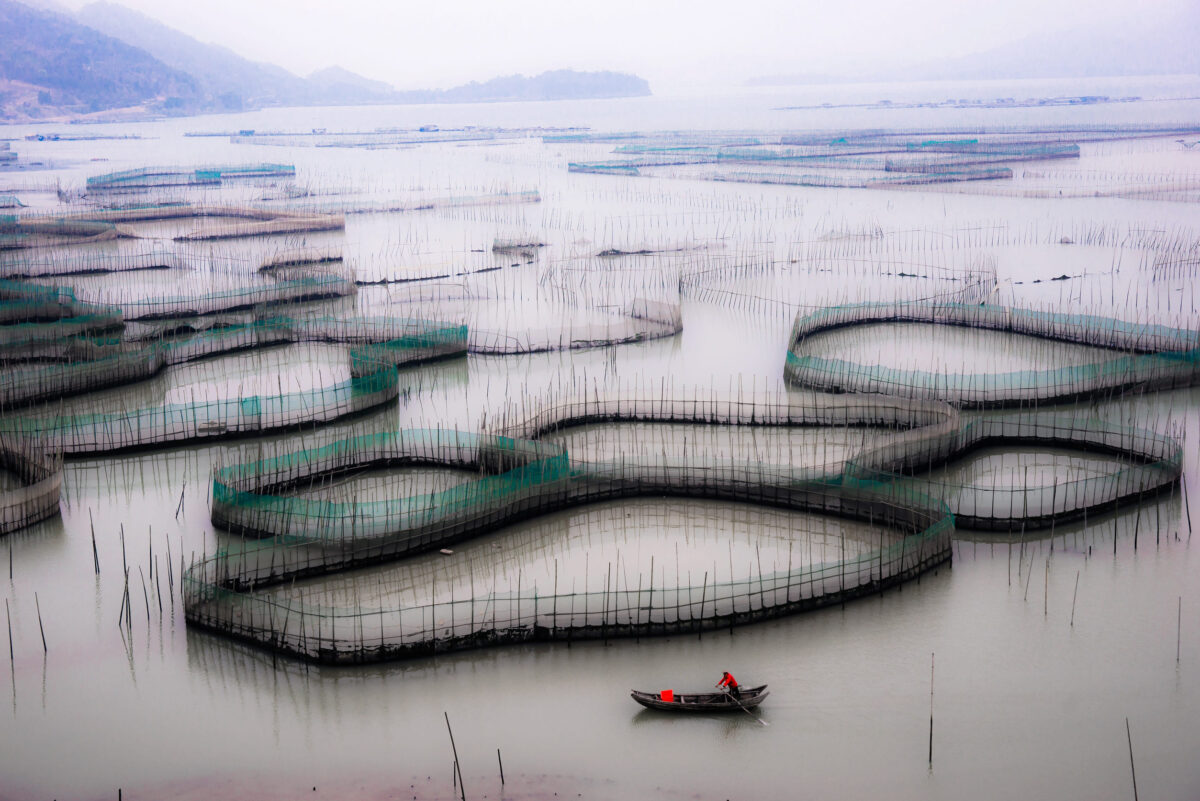
While fish farming may create jobs, it can also have a negative impact on local communities. Many fish farms are located in coastal areas that depend on healthy ecosystems for their livelihoods, including local fishing industries.
Pollution and disease outbreaks from nearby farms can devastate the local fishing economy, as wild fish populations decline due to contamination. In contrast, sustainable wild-caught fishing practices tend to have a more positive impact on local economies and communities.
Unsustainable Practices
Despite efforts to improve the sustainability of farmed fish, the industry still faces significant challenges. Overcrowding, poor waste management, and reliance on unsustainable feed sources make fish farming an unsustainable practice in the long term.
Efforts to implement better practices, such as using plant-based feeds and improving fish pen design, have been met with limited success. The pressure to keep prices low and produce large quantities of fish often leads to compromises on sustainability. In comparison, well-managed wild fisheries, while not without their own challenges, have a better track record of maintaining sustainable practices.
Conclusion
While farmed fish may offer a cost-effective and readily available alternative to wild-caught fish, the environmental, health, and ethical concerns surrounding fish farming cannot be ignored. From the pollution of oceanic waters to the depletion of wild fish stocks, farmed fish production has significant drawbacks. Additionally, the nutritional quality and genetic integrity of farmed fish are often compromised, making them a less desirable option for those concerned with both health and sustainability.
Choosing wild-caught fish when available is a more sustainable and nutritious option. Wild fish are part of a natural ecosystem that does not rely on artificial inputs used in farming. While the future of both industries is still evolving, it’s clear that farmed fish could potentially have far-reaching consequences for the environment, our health, and the future of marine life.