9 Drinks Americans Consume Daily That Interact Terribly With Medications
Your morning coffee, post-lunch soda, or evening glass of juice might seem harmless, even comforting. Yet, these everyday beverages can quietly sabotage the medications you rely on, changing how your body absorbs them or amplifying side effects you never saw coming. Americans consume billions of these drinks each year, often unaware of the hidden risks lurking in familiar cups. From energy-boosting stimulants to natural fruit blends, what seems routine could actually complicate your health in ways you might not expect. Understanding which drinks can interfere with medications is essential to avoid unintentional health setbacks.
Even minor interactions can lead to serious consequences. Some beverages amplify medication side effects, while others block absorption entirely, rendering prescriptions ineffective. While your doctor may warn you about alcohol or grapefruit juice, less obvious culprits like tea or diet drinks rarely get the spotlight. Below, we explore nine drinks Americans commonly consume every day that can interact poorly with medications, explaining why moderation or avoidance is crucial.
Coffee Can Undermine Sleep and Medication Efficacy

For many, coffee is a morning ritual that kickstarts productivity. Yet caffeine interacts with numerous medications, from antidepressants to blood pressure drugs. Coffee can speed up metabolism, reducing the effectiveness of some medications or causing unexpected spikes in heart rate. Stimulants in coffee can also intensify anxiety or insomnia, complicating treatments for sleep or mood disorders. Even decaffeinated versions are not entirely safe, as residual caffeine can subtly alter medication absorption. Drinking coffee around the same time as taking pills can diminish therapeutic effects or amplify jitteriness and nervousness.
Beyond metabolism interference, coffee’s acidity can irritate the stomach lining when combined with certain painkillers, increasing the risk of ulcers or internal bleeding. People on thyroid medication, for instance, may find coffee delays absorption, requiring careful timing between the cup and the pill. Many Americans overlook these interactions because coffee is socially normalized, but the combination of caffeine with prescription regimens deserves more attention.
Alcohol Raises Risk of Dangerous Side Effects
Alcohol is a well-known interaction risk, yet millions of Americans consume it daily without considering its impact on medications. Alcohol can magnify drowsiness, impair coordination, and even worsen liver toxicity when combined with over-the-counter painkillers or prescription drugs. Medications for anxiety, depression, and insomnia can become dangerously sedating when paired with alcohol. For blood thinners, alcohol heightens the risk of internal bleeding, and for diabetes medications, it can cause sudden drops in blood sugar levels. Even moderate drinking carries unpredictable effects, making alcohol a hidden saboteur in everyday routines.
Chronic alcohol consumption can also alter drug metabolism, forcing medications to be processed more slowly or rapidly than intended. This can render some medications ineffective or dangerously potent. Health professionals often emphasize “avoid entirely” for certain prescriptions, but casual drinkers rarely connect social habits with long-term risks.
Grapefruit Juice Blocks or Boosts Medication
Grapefruit juice is a health trend favorite, rich in antioxidants, yet it interacts with dozens of medications, particularly statins and certain blood pressure drugs. Compounds in grapefruit inhibit enzymes that break down medications, leading to higher concentrations in the bloodstream. This can lead to toxicity, muscle pain, or even severe heart complications. Conversely, for some drugs, grapefruit can reduce effectiveness by preventing absorption. Even a small glass in the morning can trigger serious interactions, making this seemingly healthy choice a hidden hazard.
Other citrus fruits, such as Seville oranges or tangelos, carry similar risks. Awareness is crucial because these juices are often marketed as “natural wellness boosters,” encouraging daily consumption without warnings about their chemical effects.
Energy Drinks Compound Stimulant Effects
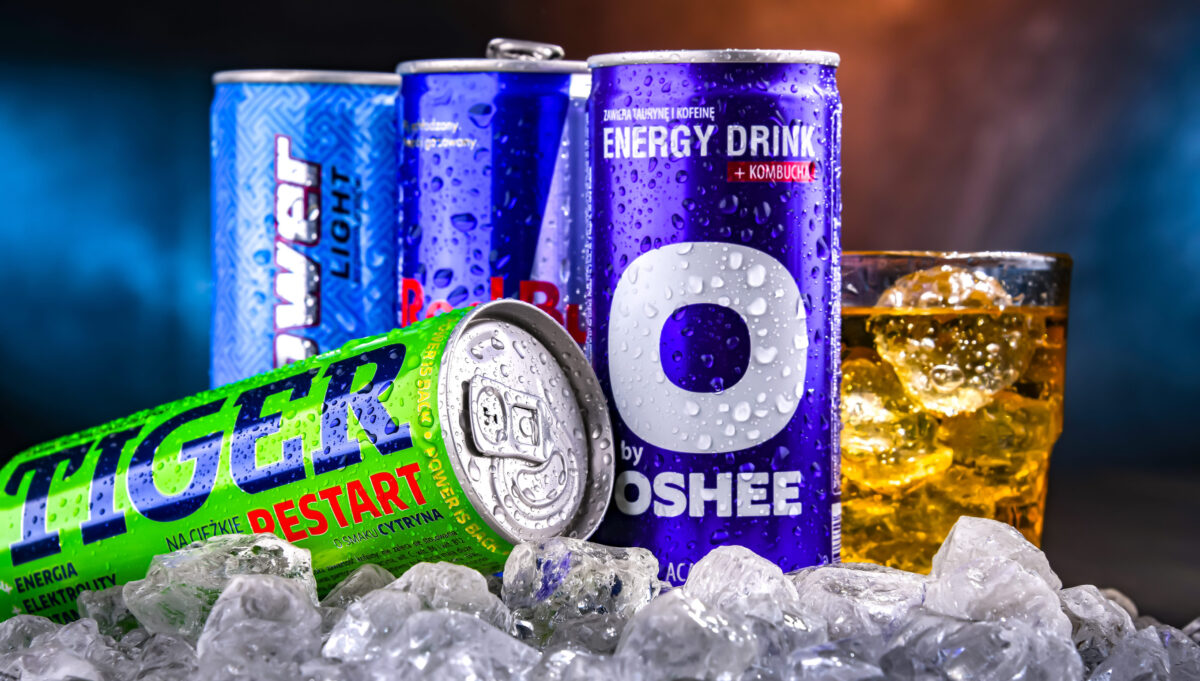
Energy drinks promise alertness, but they often contain concentrated caffeine, guarana, taurine, and herbal supplements. When combined with stimulant medications for ADHD, decongestants, or thyroid therapy, they can spike blood pressure, heart rate, and anxiety levels. Some energy drinks contain ingredients that interact with blood thinners or antidepressants, amplifying side effects such as jitteriness or arrhythmias. Despite packaging that highlights “natural energy,” these beverages are far from benign when combined with medications, and their popularity among young Americans makes interactions more common than expected.
The layered effects of caffeine and herbal compounds can also mask medication side effects, leading individuals to misinterpret symptoms. Regular consumption without medical guidance can create a feedback loop where side effects worsen unnoticed over time.
Green Tea Can Alter Drug Effectiveness
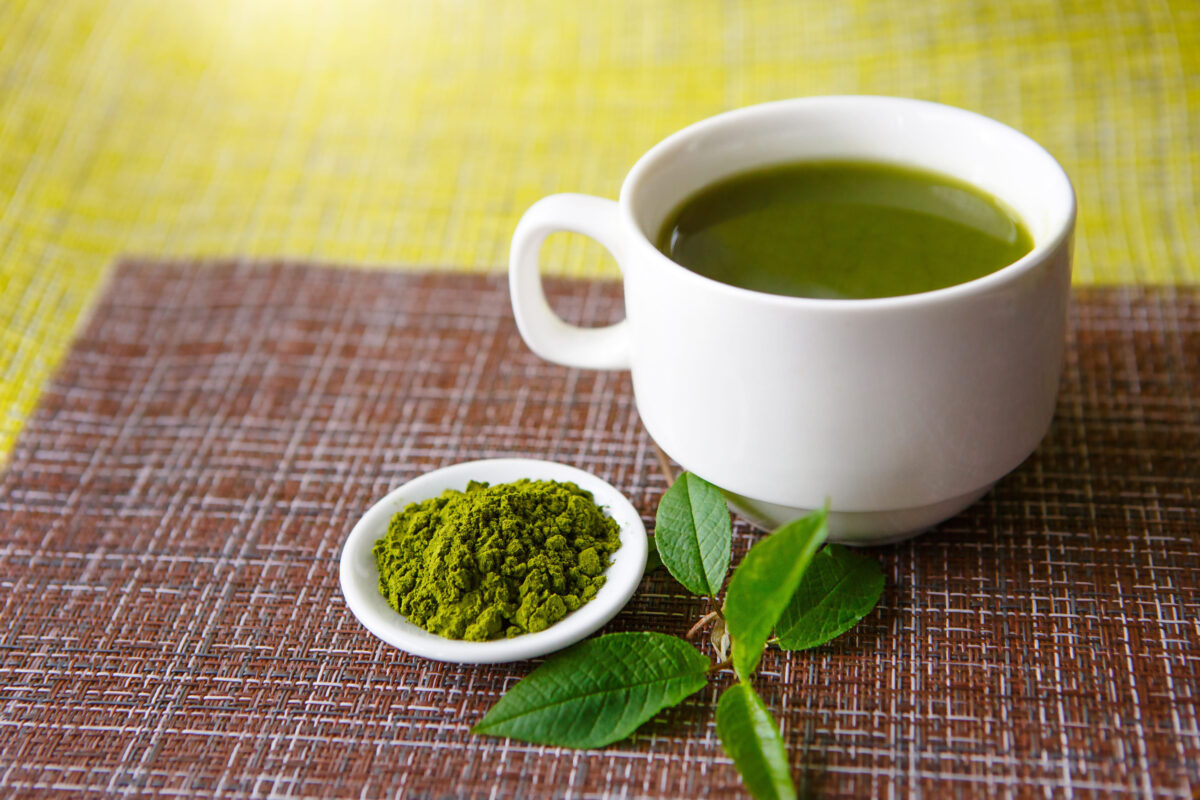
Green tea is celebrated for antioxidants and metabolism-boosting properties, but it is not free of complications. Catechins in green tea can inhibit iron absorption, which affects medications that require iron or interact with mineral absorption. Green tea may also reduce the efficacy of blood thinners and certain chemotherapy drugs, while its mild caffeine content can interfere with stimulant medications or sleep aids. Americans often drink multiple cups daily for health benefits, unaware that their herbal choice could be undermining prescriptions.
Even supplements or powdered green tea extracts carry similar risks. A cup of refreshment can have surprisingly strong pharmacological consequences, especially when consumed alongside multiple medications.
Soda Can Complicate Metabolic Medications
Sugar-laden and artificially sweetened sodas are dietary staples, yet they interact with medications in unexpected ways. High sugar content can exacerbate blood sugar fluctuations, interfering with insulin and oral diabetes medications. Artificial sweeteners may trigger gastrointestinal reactions that alter drug absorption. The carbonation itself can increase stomach acidity, affecting heartburn medications or antibiotics that require a neutral pH. Soda’s ubiquity in American diets means that many unknowingly risk altering the effectiveness of daily prescriptions through casual consumption.
Furthermore, diet sodas containing caffeine or certain sweeteners can interact with stimulant or cardiac medications, creating subtle but clinically significant effects. Awareness is often low because the beverages are considered harmless staples.
Fruit Juices Interact With Antibiotics

Orange, apple, and other common fruit juices are high in vitamin C, yet they can interfere with antibiotics and other medications. Compounds in juice can bind to medications, preventing proper absorption and lowering efficacy. Certain juices also change the stomach environment, altering drug metabolism. For people relying on antibiotics to treat infections, daily juice consumption may delay recovery or increase the risk of bacterial resistance. Even small morning servings, meant to promote wellness, can unintentionally compromise treatment outcomes.
The problem is compounded because fruit juices are widely advertised as health boosters, encouraging multiple daily servings without awareness of medication interactions.
Milk and Dairy Can Reduce Drug Absorption
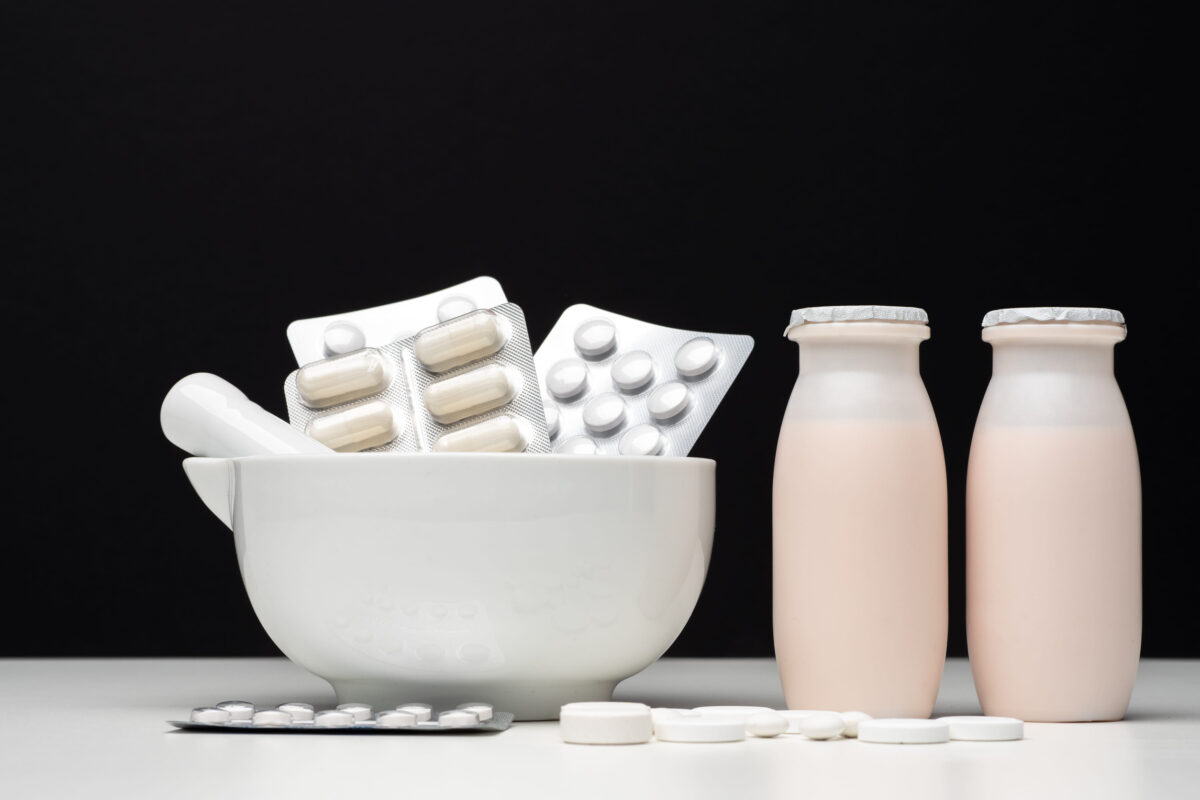
Milk and other dairy products contain calcium, which can interfere with the absorption of certain antibiotics, thyroid medications, and osteoporosis treatments. The minerals bind to active compounds, creating insoluble complexes that your body cannot absorb. Consuming dairy around medication time may reduce the dose’s effectiveness, requiring careful scheduling to avoid diminished efficacy. Americans often pair breakfast medications with milk or cereal, inadvertently reducing the impact of crucial treatments.
Beyond prescription interference, dairy can amplify certain side effects, such as stomach upset, if combined with medications that irritate the digestive tract. Timing and portion control are essential to minimize risks.
Herbal Teas and Supplements Can Trigger Reactions
Chamomile, peppermint, and other herbal teas are commonly consumed for relaxation or digestive health, yet they are far from inert. Chamomile may enhance the effects of blood thinners, increasing the risk of bleeding. Peppermint can interfere with antacids or heartburn medications, while other herbal blends can amplify sedation or alter blood pressure. Many Americans turn to herbal remedies for wellness without considering the complex chemistry they introduce, unknowingly complicating their prescribed regimens.
Herbal teas are often perceived as harmless, but their pharmacologically active compounds interact with prescription medications just like synthetic chemicals, creating a real risk for adverse reactions.
Conclusion
The beverages we consume daily may seem routine, but they are often far from benign when paired with medications. From coffee and soda to herbal teas and fruit juices, the substances Americans drink every day can change the effectiveness of prescriptions, amplify side effects, or introduce entirely new risks. Awareness, moderation, and careful scheduling between medications and beverages are essential steps to protect health.
By understanding how common drinks interact with medications, Americans can make informed choices, avoid complications, and ensure that their prescriptions work as intended. Simple adjustments, like separating coffee from morning pills or limiting fruit juice intake, can make a significant difference, helping you maintain both wellness and safety.