10 Christian Habits That Continue to Intrigue and Confuse Atheists
Christianity is one of the most familiar religions in the world, yet some of its everyday habits can still feel mysterious to people who do not believe in God. To many atheists, Christian practices can seem deeply emotional, unusually disciplined, or strangely hopeful in a world that often demands visible proof before trust. What makes these habits even more fascinating is that many Christians do them quietly, not for applause, but because they believe faith is meant to shape daily life.
Atheists may not always reject these habits with hostility. Sometimes, they simply wonder why Christians keep praying, forgiving, worshiping, fasting, giving, and hoping when life does not always reward them immediately. These habits reveal a worldview built on trust, surrender, meaning, and spiritual connection, and that can be difficult to understand from a purely secular lens.
Praying to Someone They Cannot See

Prayer remains one of the most intriguing Christian habits because it looks like a conversation with silence. Christians bow their heads, close their eyes, whisper words, cry, confess, ask, thank, and wait for guidance from a God they cannot physically touch or hear in the ordinary sense. To atheists, this can seem confusing because prayer does not always produce an obvious, measurable answer.
Yet Christians see prayer as more than asking for things. It is a relationship, a release, and a way of placing burdens into the hands of those they believe are stronger than themselves. Even when circumstances do not change, many Christians say prayer changes their hearts, calms their fears, and gives them strength to keep going.
Forgiving People Who Hurt Them Deeply

Forgiveness is one of the most admired and misunderstood Christian habits. Many atheists can understand kindness, fairness, and emotional maturity, but forgiving someone who caused real pain can look almost unnatural. It may seem like Christians are excusing wrongdoing or letting people escape accountability.
For many Christians, forgiveness does not mean pretending the wound never happened. It means refusing to let bitterness become a second prison. They believe God forgave them first, so they try to extend mercy even when their emotions are still catching up. This habit can confuse atheists because it asks people to act from a spirit of grace rather than revenge.
Attending Church Every Week
To some atheists, weekly church attendance can feel repetitive. Christians sing similar songs, hear sermons, greet the same people, pray familiar prayers, and return the next week to do it again. From the outside, it may look like traditional running on autopilot.
For believers, church is not just a weekly event. It is a spiritual home, a support system, and a place where faith gets refilled. Christians gather because they believe faith weakens in isolation. The routine may seem ordinary, but many believers see it as a lifeline that keeps them grounded when the rest of life feels chaotic.
Giving Money as an Act of Faith
The habit of tithing or giving generously can puzzle atheists, especially when Christians give even during financial pressure. In a world where money often represents security, handing part of it to a church, charity, or struggling person can seem risky. Some may wonder why anyone would give away hard-earned income based on spiritual conviction.
Christians often view giving as an act of trust. They believe money should serve people, not rule them. Generosity also reminds them that everything they have is temporary and that their blessings carry responsibility. This habit intrigues atheists because it challenges the instinct to hold tightly to everything for personal safety.
Believing Suffering Can Have Meaning
One of the hardest Christian ideas for atheists to understand is the belief that suffering can carry purpose. Many Christians do not claim pain is pleasant or easy, but they often speak of trials as moments where faith grows, character deepens, and dependence on God becomes stronger. To someone without belief in God, suffering may simply appear unfair, random, and cruel.
Christians often look at pain through the lens of redemption. They believe God can bring wisdom, compassion, and transformation out of hardship. This does not erase grief, but it gives them a reason to keep hoping. Atheists may find this confusing because it refuses to let pain have the final word.
Reading the Bible for Guidance
Many atheists see the Bible as an ancient religious text shaped by history, culture, poetry, law, and interpretation. Christians, however, often read it as living guidance for modern problems, including relationships, money, parenting, fear, temptation, grief, and purpose. This can seem strange when the text comes from a world so different from today.
For Christians, the Bible is not only a book of old stories. It is a mirror, a compass, and a source of correction. They believe God speaks through Scripture, sometimes gently and sometimes uncomfortably. This habit intrigues atheists because Christians often build major life decisions around words written thousands of years ago.
Fasting When Food Is Available

Fasting can confuse atheists because it seems unnecessary in places where food is available. Christians may skip meals, give up certain comforts, or step away from distractions to focus on prayer. From the outside, it can look like self-denial without an obvious practical reward.
To Christians, fasting is not about punishing the body. It is about training desire. They believe hunger can remind them that physical comfort should not control them. Fasting creates space for reflection, repentance, and spiritual focus. This habit intrigues atheists because it treats restraint as power rather than deprivation.
Saying Grace Before Meals
A simple prayer before eating can seem harmless, but it still raises questions for some atheists. Christians pause before meals to thank God for food, even when they bought it with their own money or cooked it with their own hands. To a secular mind, the chain of credit may seem practical, involving farmers, workers, income, and effort.
Christians usually see all of those things as part of a larger blessing. Saying grace reminds them that life depends on more than personal effort. Food becomes more than fuel. It becomes evidence of provision, community, and gratitude. This small habit intrigues atheists because it turns an ordinary meal into a sacred pause.
Waiting for Marriage or Setting Sexual Boundaries
Christian views on sex can deeply confuse atheists, especially in cultures that frame personal freedom as the highest good. Some Christians choose abstinence before marriage or set firm boundaries in dating because they believe sex has spiritual, emotional, and covenantal weight. To atheists, this may seem restrictive or outdated.
For many Christians, sexual boundaries are not meant to reject pleasure. They are meant to protect intimacy from becoming casual, careless, or detached from commitment. They believe the body has meaning and that love should carry responsibility. This habit continues to intrigue atheists because it places spiritual values above cultural permission.
Worshiping With Visible Emotion
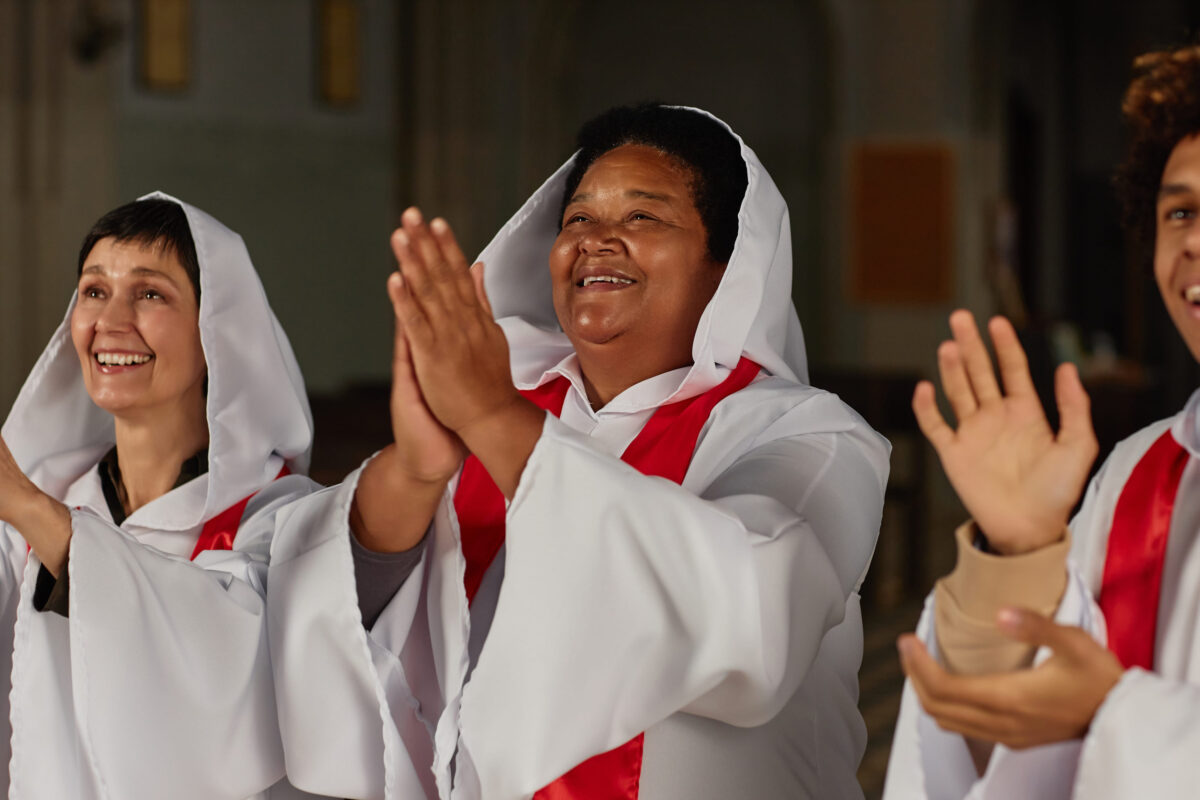
Christian worship can look intense to outsiders. People raise their hands, cry, kneel, sing loudly, dance, or stand quietly with their eyes closed. To atheists, this emotional expression may seem theatrical, uncomfortable, or difficult to explain.
For Christians, worship is an expression of love, gratitude, surrender, and awe. They are not simply singing songs. They are responding to the God they believe saved, carried, corrected, and comforted them. The emotions may look unusual, but to believers, they come from a place of deep personal meaning. This habit intrigues atheists because it shows faith moving from belief into the body.
Conclusion
Christian habits continue to intrigue and confuse atheists because they are rooted in a reality atheists may not accept. Prayer, worship, forgiveness, fasting, giving, and Scripture reading all make the most sense inside a worldview where God is real, life has spiritual meaning, and unseen things can shape visible choices. Without that foundation, some practices can look strange, excessive, or emotionally driven.
Still, these habits reveal why Christianity remains powerful in the lives of millions. It gives people rituals for gratitude, language for pain, discipline for desire, community for loneliness, and hope when life feels heavy. Atheists may not share the belief behind these practices, but many can still recognize the human longing underneath them: the search for meaning, peace, mercy, and something greater than the self.