10 Hollywood Trends That Are Slowly Killing Entertainment for Viewers
Hollywood still knows how to create magic, but viewers are starting to notice cracks behind the sparkle. The problem is not that audiences stopped loving movies and TV. The problem is that too much modern entertainment now feels expensive, recycled, overmanaged, and exhausting.
Big releases, streaming platforms, and social media hype have created a landscape where watching feels like work instead of escape.
Here are 10 Hollywood Trends That Are Slowly Killing Entertainment for Viewers.
Franchise Overload

Hollywood has leaned heavily on franchises so that many big releases now feel more like corporate appointments than cinematic events. Sequels, spin-offs, and extended universes make audiences do homework before the story even begins.
Expensive movies look larger on screen but often feel smaller in imagination and emotional impact.
Reboots
Beloved movies and shows from the past are constantly revived, remade, or repackaged, often losing the charm that made the originals memorable.
Viewers are paying again for feelings they have already experienced, which creates fatigue and diminishes excitement. Too many reboots have made entertainment feel less like discovery and more like a recycled experience.
Superhero Fatigue
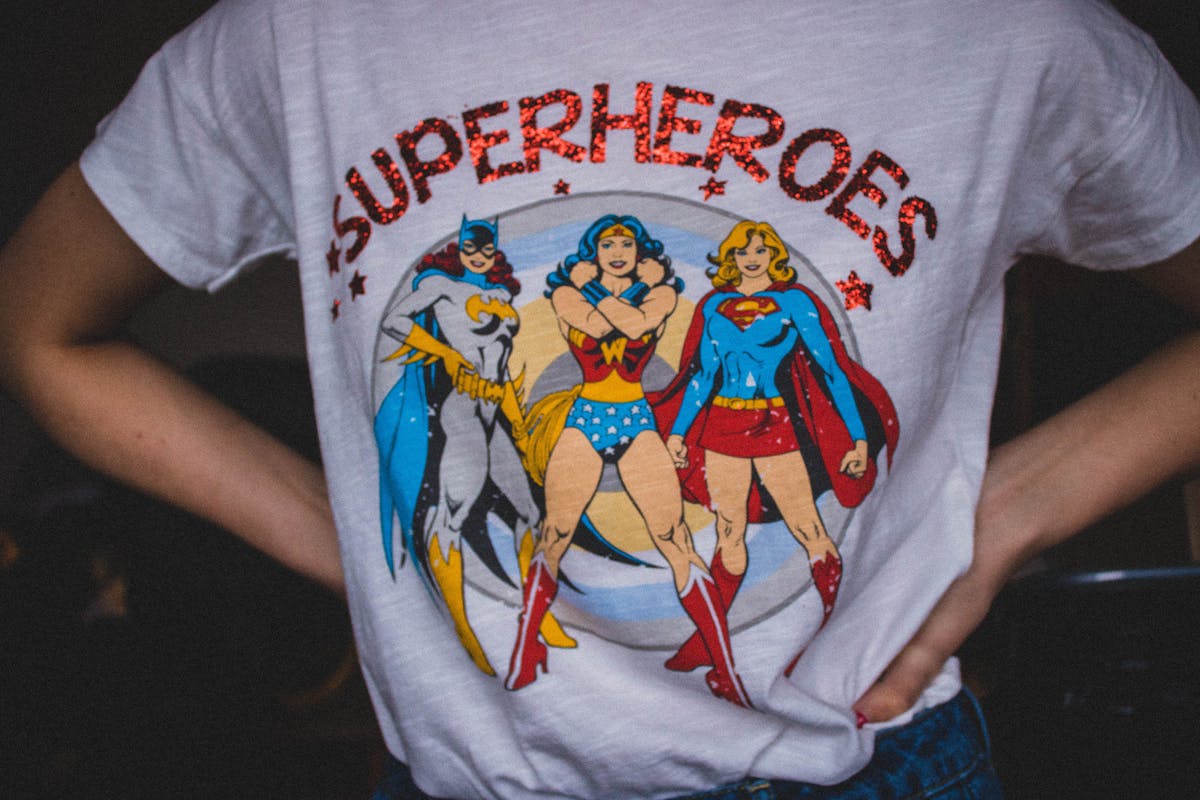
Superhero movies once brought spectacle and energy to theaters, but now viewers are buried under origin stories, crossovers, and universe resets. Casual fans struggle to keep up with the ever-expanding narratives, and even die-hard fans feel overextended.
The stakes feel smaller because every film promises world-ending events, making the excitement feel routine rather than thrilling.
Short Theatrical Windows
When films appear on streaming platforms weeks after release, the urgency of going to the theater fades. The theater experience loses its uniqueness and shared cultural excitement.
Audiences delay watching, and the emotional and social impact of seeing a movie as a communal event diminishes.
Streaming
Streaming promised convenience but has become a maze of subscriptions, disappearing titles, and platform hopping. Consumers often find that the shows and movies they want are behind multiple paywalls or are interrupted by ads.
What should be effortless entertainment now requires time, patience, and constant navigation.
Algorithms
Algorithms suggest content based on past viewing, but these recommendations often trap viewers in narrow patterns. People find themselves repeatedly watching similar plots, moods, and visuals. Predictable choices replace surprises, diminishing the thrill of discovery.
Bloated Budgets
Huge production costs push studios to favor safe stories, familiar stars, and established formulas. Smaller risks disappear, and many mid-budget films that could feel original are neglected. Audiences often see repetition instead of innovation, which reduces excitement and engagement.
Culture-War Marketing
Movies and shows are increasingly caught in political arguments before they even reach viewers. Casting, trailers, and interviews can provoke outrage or debate that overshadows the story itself. Audiences start judging films for symbolism or perceived agendas rather than enjoying the entertainment.
AI Anxiety
The growing use of artificial intelligence in production raises questions about creativity and authenticity. Viewers may accept effects or digital tools but worry that stories and performances will lose their human touch. AI can make entertainment feel engineered rather than alive, reducing emotional connection.
Spoiler Culture

Episodes, trailers, and social media clips circulate quickly, leaving viewers exposed to plot twists before experiencing them. This fast-paced dissemination drains the sense of surprise and wonder. Watching becomes a game of dodging spoilers instead of enjoying the story in real time.
Conclusion
Hollywood is not dying, but the viewer experience is changing. Too many trends are making entertainment feel less joyful than it should. Audiences want stories that feel alive, complete, surprising, and worth their attention.
They want movies and shows that spark wonder, laughter, fear, and beauty without demanding constant work. Studios that remember this connection can reclaim audiences, but the time for thoughtful, human-centered storytelling is now.