10 Worst Tattoos People Regret Having
Some tattoos age like fine art. Others age like a bad text message you wish you could unsend. A tattoo can begin as a symbol of love, rebellion, humor, pain, loyalty, or confidence, then slowly turn into a permanent reminder of a phase you outgrew faster than the ink healed.
Regret does not always come from the tattoo itself. Sometimes it comes from the story behind it, the person attached to it, the poor placement, the cheap artist, or the fact that your nineteen-year-old self had more confidence than judgment. Here are 10 of the worst tattoos people often regret.
A Lover’s Name Tattoo

Nothing screams emotional optimism like putting someone’s name on your skin before the relationship has survived a serious argument, a boring Tuesday, or a shared phone bill. At the time, it feels romantic and fearless. Later, it can feel like your skin is holding evidence from a relationship crime scene.
Name tattoos are especially painful when the breakup is messy. Every mirror becomes a reminder. Every new partner has questions. Even if the relationship ended peacefully, carrying an ex’s name can feel emotionally outdated, like wearing a wedding ring from a marriage that never happened.
The regret usually hits hardest when the tattoo is large, visible, or placed in an intimate area. Cover-ups can work, but they often require a bigger, darker design. That means one bad romantic decision can turn into an expensive sleeve of damage control.
Matching Friendship Tattoos
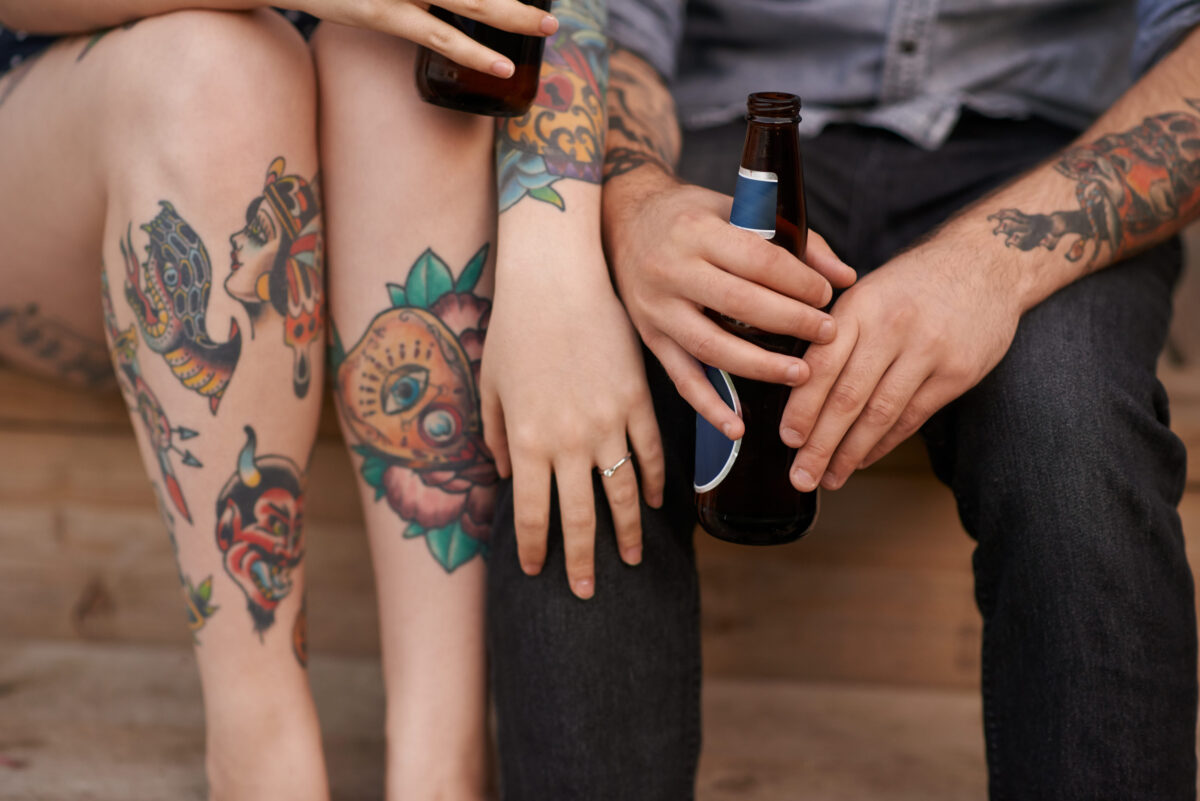
Matching friendship tattoos sound beautiful when everyone is close, laughing, and convinced the bond will last forever. The problem is that friendships change. People move, drift, betray, grow apart, or become strangers who only view each other’s stories in silence.
A tiny symbol may not seem risky, but the meaning can sour. That once-cute design can become a reminder of a friendship that ended badly. It is even worse when the tattoo includes an inside joke that no longer feels funny because the person attached to it now makes your stomach turn.
The regret comes from realizing that loyalty felt permanent in the moment, but life had other plans. A friendship tattoo can still be meaningful, but only when the design stands alone even after the relationship changes.
Cheap Vacation Tattoos
Vacation tattoos have a dangerous kind of magic. You are relaxed, excited, sunburned, maybe slightly reckless, and suddenly a tattoo shop near the beach feels like destiny. The idea seems spontaneous and unforgettable. Sadly, some vacation tattoos look unforgettable for all the wrong reasons.
The biggest regret comes from poor research. People walk into random shops without checking hygiene standards, artist portfolios, or spelling accuracy. A rushed tattoo from a tourist strip can leave behind blurry lines, uneven shading, infections, or designs that look nothing like the reference photo.
The tattoo may remind you of the trip, but not always in a good way. Instead of memories of beaches, food, and freedom, you get a permanent souvenir of bad judgment. A good tattoo can happen anywhere, but impulse ink in an unfamiliar place is a gamble many people wish they had skipped.
Trend Tattoos That Aged Fast
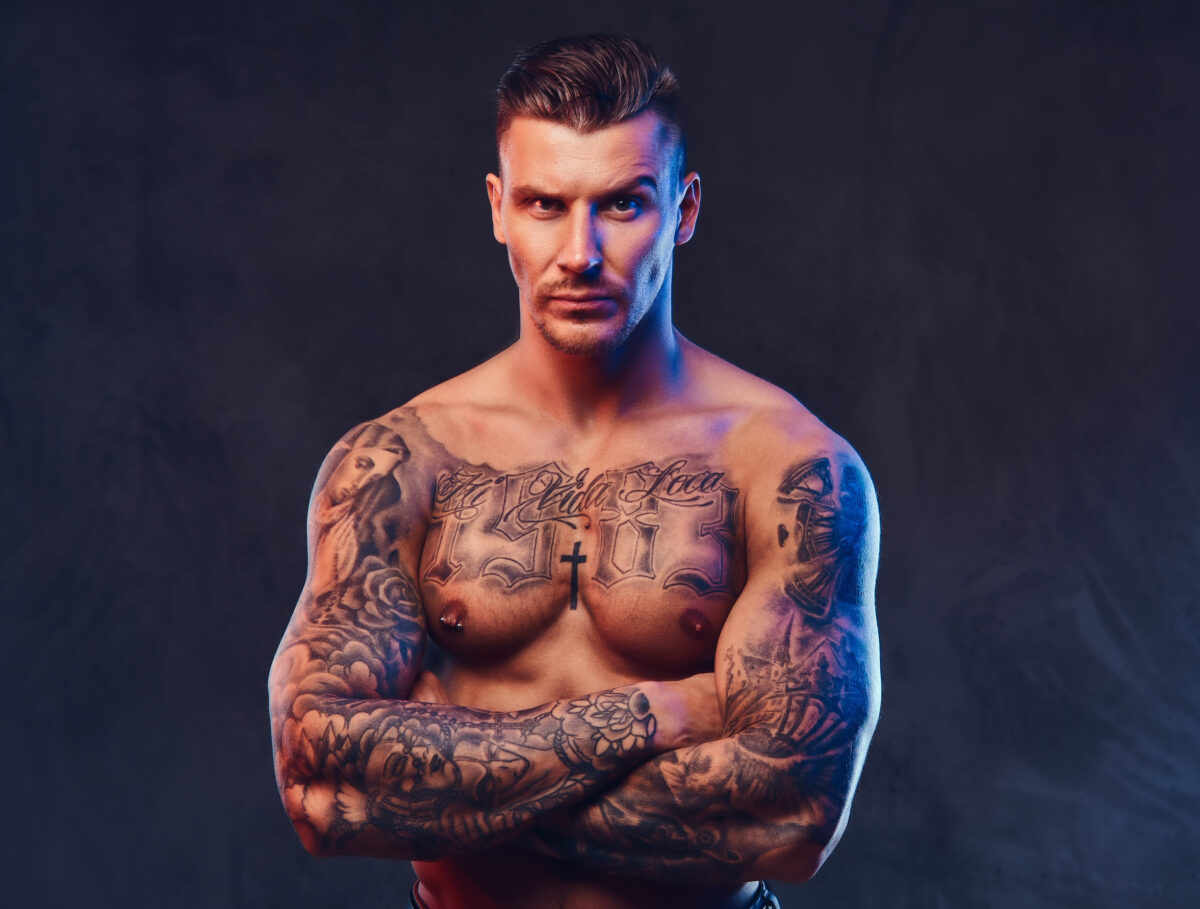
Trendy tattoos can feel stylish at first. A certain symbol, quote, placement, or tiny minimalist design may flood social media until it feels timeless. Then the trend fades, and suddenly your tattoo looks like a timestamp from one very specific year.
This happens with popular designs that become too common. Infinity symbols, feather birds, mustache fingers, tribal armbands, tiny crowns, and certain script quotes all had major moments. Many people loved them sincerely, but others got them because everyone else seemed to have one.
The regret begins when the tattoo stops feeling personal. Instead of telling your story, it starts looking like you copied the internet during a trend wave. Tattoos do not need to be rare to be meaningful, but trend-based choices can lose their shine quickly.
Misspelled Words and Bad Grammar
A misspelled tattoo is brutal because the mistake never stops speaking. It sits there, loud and permanent, correcting itself in everyone else’s head. Even a small typo can turn a meaningful phrase into an awkward conversation starter.
The worst part is how avoidable it usually is. Some people trust the artist without double-checking. Others use translation apps for foreign-language tattoos and end up with words that don’t mean what they think. A phrase meant to symbolize strength can end up saying something strange, clumsy, or completely wrong.
Regret arrives fast with this kind of tattoo. Words carry precision, and skin is not the place to freestyle spelling. If a tattoo includes text, every letter deserves more attention than a legal document.
Face and Neck Tattoos Done Too Early
Face and neck tattoos can look powerful on the right person with the right lifestyle, career, confidence, and long-term commitment. The regret comes when people get them before understanding how visible ink can change the way others treat them.
A tattoo on the arm can be covered. A tattoo on the back can stay private. A face or neck tattoo enters the room before you do. It can affect job interviews, family reactions, dating, customer-facing work, and daily interactions with strangers.
Some people love their visible tattoos forever. Others realize too late that they wanted self-expression, not constant attention. The tattoo may be beautiful, but the placement can become exhausting. That is why face and neck tattoos often require more patience, maturity, and planning than people expect.
Joke Tattoos That Stopped Being Funny
A joke tattoo can be hilarious on day one. Maybe it is a meme, a silly phrase, a cartoonish object, or something intentionally ridiculous. Everyone laughs, photos are taken, and the tattoo becomes a legendary story for a while.
Then life moves on. The meme dies. The joke gets old. The people who laughed with you are no longer around. What once felt bold and funny can start feeling childish, especially in serious settings where you do not want to explain why you have a dancing hot dog on your thigh.
The regret is not always about embarrassment. Sometimes it is about outgrowing the humor. A joke that represented freedom at twenty can feel like clutter at thirty. Comedy is temporary, but ink keeps repeating the punchline long after the audience has left.
Tattoos Linked to a Dark Phase
Some tattoos are born from pain. People get ink during heartbreak, grief, depression, anger, addiction recovery, identity confusion, or personal crisis. These tattoos can be meaningful, but they can also become emotional scars drawn on the outside.
The regret often comes when the person heals. A design that once represented survival may later feel too tied to suffering. It can pull someone back into a chapter they worked hard to escape. Even if the tattoo is artistic, its emotional weight may become difficult to carry.
This does not mean painful tattoos are always mistakes. Many people find strength in them. The risky part is getting permanent ink while emotions are still raw. Pain can create powerful art, but it can also rush decisions that deserve time.
Poorly Done Portrait Tattoos
Portrait tattoos require great skill. When done well, they can be breathtaking. When done badly, they can turn a beloved family member, celebrity, child, or pet into something that looks accidentally haunted.
The regret here is intense because the subject is usually personal. A bad portrait of a loved one is not just ugly. It can feel disrespectful, painful, and difficult to look at. The emotional meaning makes the poor execution even harder to accept.
Fixing a bad portrait is also complicated. Not every artist can repair distorted faces, muddy shading, or incorrect proportions. A portrait tattoo should never be a budget decision. It belongs in the hands of someone with a proven record, not someone who simply says they can do it.
Tattoos Chosen Under Pressure
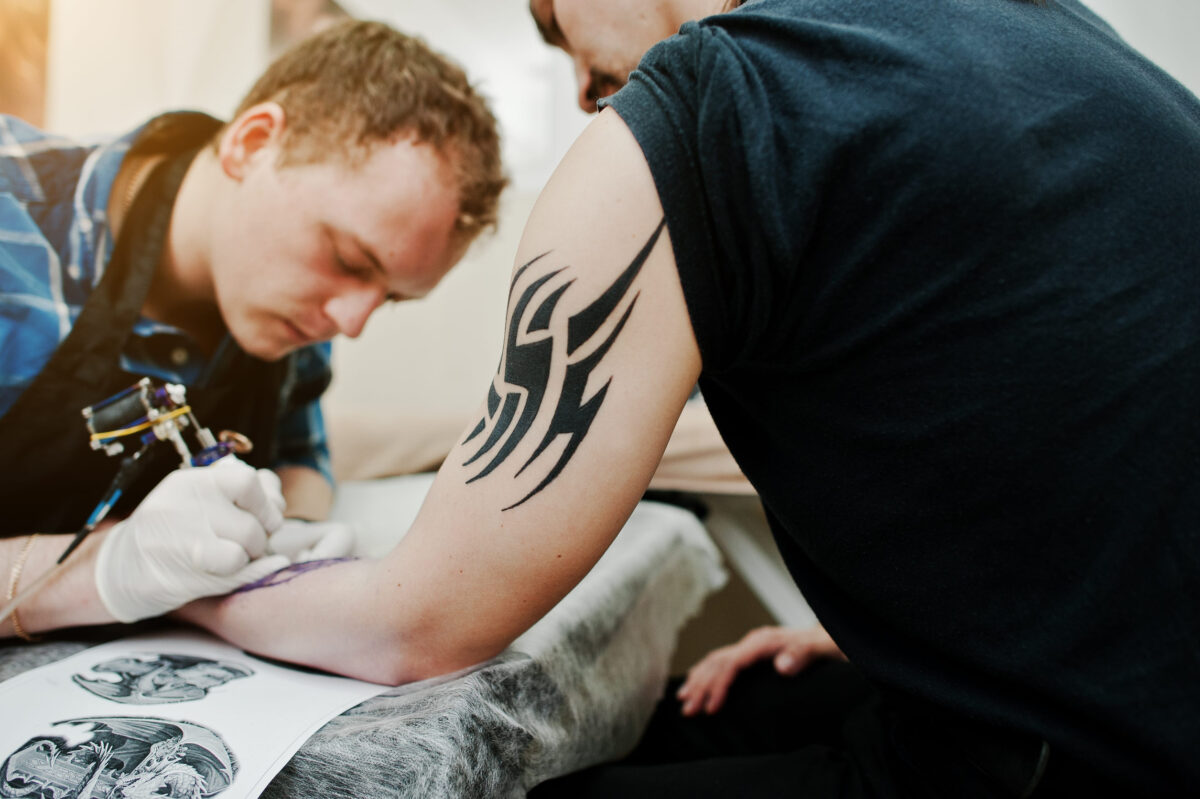
Some people regret tattoos they never fully wanted in the first place. They got them because a partner insisted, friends encouraged them, a group made it seem fun, or they did not want to look scared. Peer pressure can turn a permanent decision into a five-minute performance.
The regret hits later, when the excitement fades, and the tattoo feels disconnected from the person wearing it. There is no deep meaning, no real attachment, and no personal pride. It exists because someone else’s voice was louder than their own.
This kind of tattoo can feel especially frustrating because the person may blame themselves for not saying no. A tattoo should feel chosen, not forced. The best ink belongs to the person wearing it, not the crowd watching it happen.
Conclusion
The worst tattoos people regret are not always the biggest, darkest, or most visible ones. Often, they are the tattoos tied to rushed emotions, unstable relationships, bad artists, weak ideas, or temporary trends that failed the test of time. A tattoo can be beautiful, but it still requires patience, research, and personal meaning.
Good ink should feel like a decision you can grow with, not a dare you accepted, a romance you overtrusted, or a trend you chased too quickly. Regret usually begins where impulse replaces intention. Before anyone puts a design on their skin forever, they should ask one simple question: Will this still feel like me when this moment is gone?