10 Diet Foods That Secretly Sabotage Weight Loss
Even foods marketed as “diet-friendly” can quietly undermine your weight loss and health goals. Low-fat, fat-free, and zero-calorie products often replace natural fats with sugar, sodium, or artificial sweeteners to keep flavor, creating a hidden metabolic trap. Over time, these swaps can spike blood sugar, increase cravings, and confuse the body’s natural hunger cues, making it harder to stick to a healthy eating plan. Instead of relying on marketing claims, focusing on nutrient-dense foods in reasonable portions ensures both satiety and better long-term results.
Here are 10 common diet foods that may be silently sabotaging your progress, along with healthier ways to enjoy them.
Fat-Free Cheese Can Increase Sodium Intake

Fat-free cheeses often trade fat for higher sodium levels, creating a different kind of dietary risk. While the calorie count may be lower, the elevated salt content can cause water retention, bloating, and strain on blood pressure, which is counterproductive for weight management and heart health.
Moderate amounts of full-fat cheese provide essential monounsaturated and saturated fats, which contribute to satiety and flavor, reducing the need to overeat other high-calorie foods. Enjoying smaller portions of full-fat cheese with vegetables or wholegrain crackers provides a more satisfying, nutritionally balanced snack without the hidden sodium burden.
Fat-Free Cookies Deliver Empty Calories
Low-calorie, fat-free cookies may seem like the perfect snack for dieters, yet they often contain minimal protein, fiber, or healthy fats. These empty calories can provoke energy crashes and increased hunger, causing you to eat more later.
Cookies made with whole grains, oats, and nuts provide both crunch and nutritional value, supporting satiety while still satisfying a sweet craving. By choosing recipes that retain natural fats and fiber, the treat becomes part of a balanced diet rather than a metabolic liability.
Light Wheat Bread Often Contains Hidden Additives
Packaged “light” or low-calorie breads are typically packed with preservatives, emulsifiers, and processed fibers to achieve softness and shelf stability. These ingredients can interfere with digestion and increase insulin response, undermining the benefits of eating whole grains.
Selecting minimally processed whole-grain breads with few ingredients supports digestive health, provides fiber, and keeps blood sugar steady. Pairing a slice with protein and healthy fats, such as avocado or nut butter, creates a balanced, nutrient-dense meal rather than a sugar spike in disguise.
Diet Sodas Confuse Metabolism and Appetite
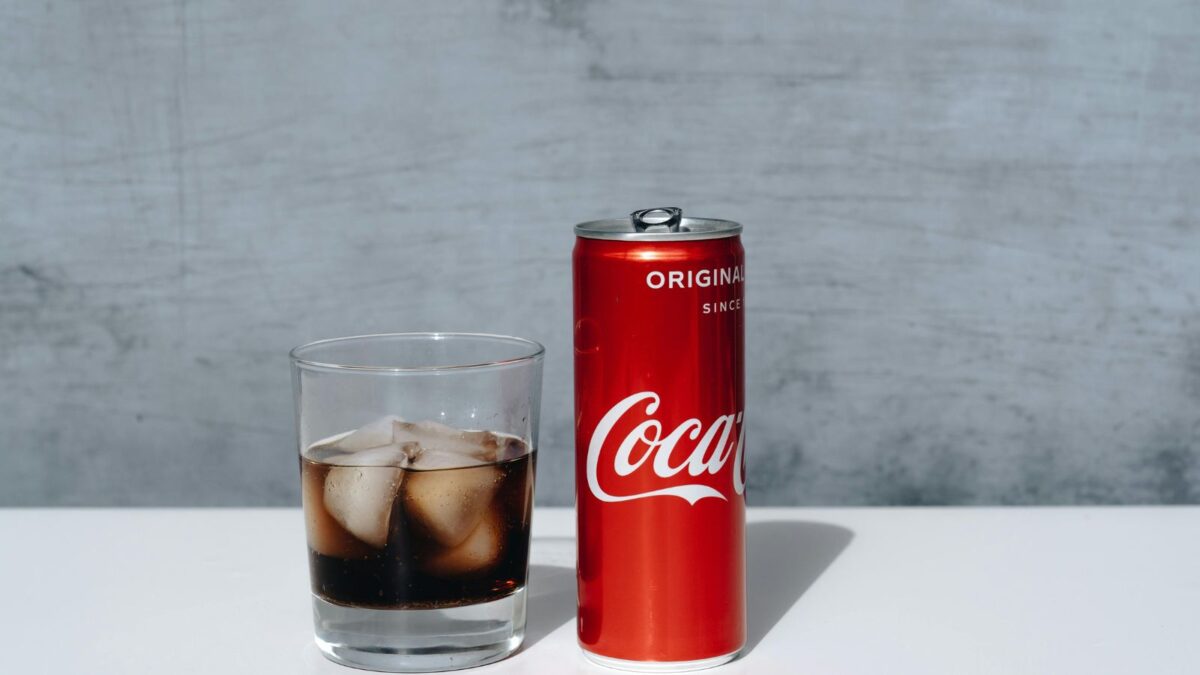
Artificially sweetened beverages, like Diet Coke, claim zero calories but can disrupt the body’s natural signals for fullness and sugar processing. Sweeteners like aspartame can trick the brain into expecting sugar, prompting unnecessary insulin responses and eventually fostering cravings for high-carb foods.
Regularly consuming these beverages has been linked to increased risk of insulin resistance and type 2 diabetes, despite their “diet” label. Water infused with fresh fruit, herbal teas, or carbonated water with a splash of natural juice can satisfy a sweet craving without confusing your metabolism or sabotaging your weight loss efforts.
Frozen Yogurt Often Contains Excess Sugar
Many fat-free frozen yogurts hide high levels of added sugar, sometimes surpassing traditional ice cream in sweetness. Removing fat disrupts the natural balance of protein, sugar, and fat, which can accelerate blood sugar spikes and encourage fat storage.
Choosing small servings of full-fat frozen yogurt or making homemade frozen yogurt allows you to control sugar content while retaining beneficial fats and protein. Adding chopped nuts or unsweetened fruit can improve texture, flavor, and satiety while keeping insulin levels more stable and reducing post-dessert cravings.
Reduced-Fat Peanut Butter Loses Beneficial Nutrients
Removing fat from peanut butter eliminates the very components that promote fullness and provide heart-healthy monounsaturated fats. Reduced-fat versions often add sugar to maintain flavor, making them less nutritious than natural peanut butter.
Choosing peanut butter made solely from peanuts allows you to enjoy healthy fats, fiber, and protein, which help stabilize blood sugar, suppress appetite, and support muscle maintenance. Portion control remains key: a tablespoon added to oatmeal, smoothies, or fruit provides flavor and nutrition without excessive calories.
Protein Bars Can Be Sugar Bombs
High-protein snack bars are often marketed as diet-friendly, but many contain sugar and refined carbs that rival candy bars. Added protein may disguise the sweetness and caloric density, making it easy to overconsume.
Homemade bars or carefully selected options with whole nuts, seeds, and natural sweeteners provide protein, healthy fats, and fiber without excessive sugar. Eating a balanced bar alongside fresh fruit or yogurt enhances satiety, prevents post-snack crashes, and helps maintain consistent energy throughout the day.
Low-Fat Yogurt Can Spike Blood Sugar

Low-fat and fat-free yogurts often seem like a harmless breakfast choice, but the missing fat is usually replaced with sugar to maintain taste. This sugar floods your bloodstream quickly, triggering insulin surges that can lead to fat storage, energy crashes, and sugar cravings later in the day.
For sustained energy and satiety, full-fat plain Greek yogurt or unsweetened yogurt paired with fresh berries provides a better balance of protein, natural fats, and fiber, keeping blood sugar levels steadier. Eating the full-fat version also improves absorption of fat-soluble vitamins and helps you feel satisfied longer, reducing the temptation for mid-morning snacks.
Fruit Cups Can Be Hidden Sugar Traps
Packaged fruit cups labeled sugar-free often rely on fruit juices, such as grape or apple juice, which are high in natural sugars. Even without added syrup, the sugar content can still spike blood sugar and trigger cravings for additional sweets.
Fresh fruit or fruit canned in its own juice is a safer alternative, providing fiber, vitamins, and hydration without an overabundance of sugar. Pairing fruit with protein or healthy fat, such as yogurt or nuts, further stabilizes blood sugar and supports longer-lasting energy.
Granola Bars Are Often Glorified Cookies
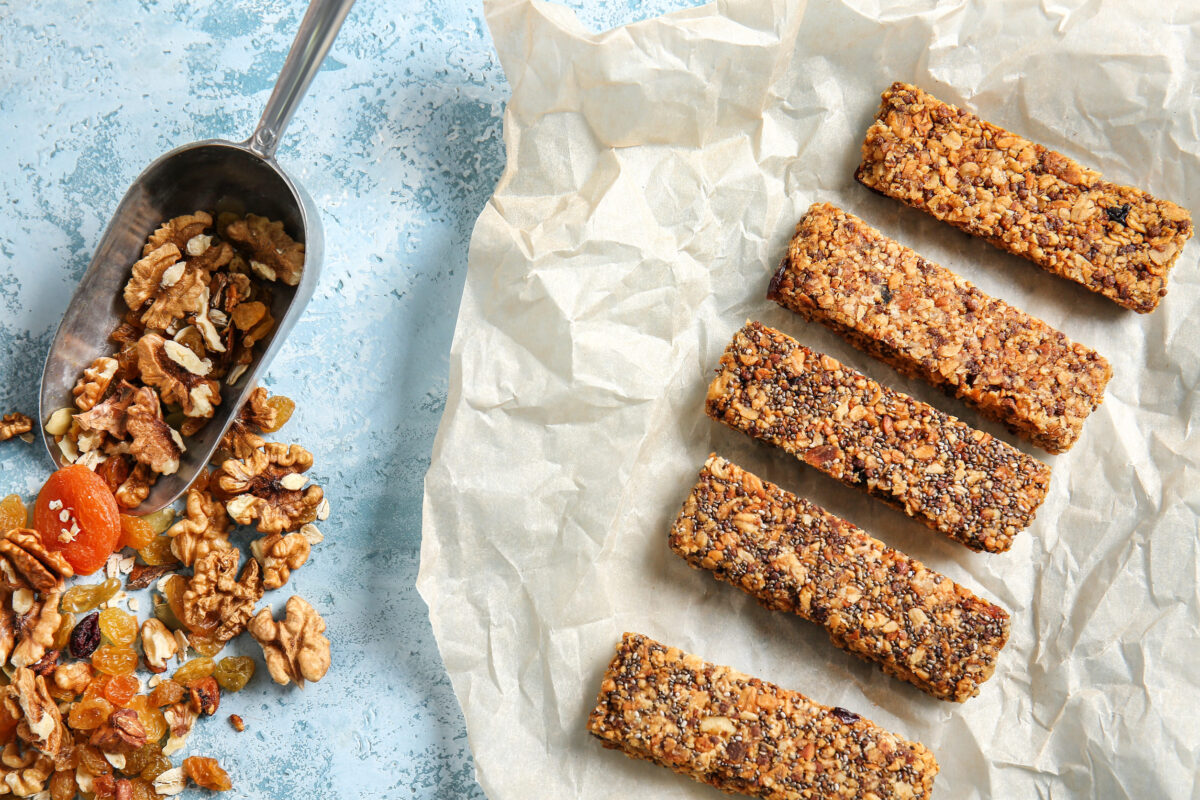
Granola bars can be deceptive: while marketed as healthy foods, many contain sugar, fat, and salt levels comparable to those in cookies. Although they contain some protein, the sugar content can negate their metabolic benefits, especially if consumed daily.
Choosing bars with minimal added sugar or making your own with oats, seeds, and dried fruit ensures more control over nutrition. Homemade or carefully chosen bars maintain flavor while delivering fiber, protein, and healthy fats that stabilize energy and prevent unnecessary snacking.
Conclusion
Diet-labeled foods often replace natural fats with sugar, sodium, or artificial ingredients, undermining weight loss and overall health. Reading nutrition labels carefully and opting for minimally processed whole foods empowers better control over sugar, salt, and fat intake. Incorporating a balance of protein, fiber, and healthy fats keeps blood sugar steady, appetite in check, and metabolism functioning efficiently. Moderation combined with smart choices creates a sustainable path to lasting health, rather than relying on marketing claims or “low-fat” gimmicks.