7 Most Painful Injuries Humans Can Experience
Pain has a cruel imagination. It can arrive like lightning, settle like fire, or pulse so deeply that the body seems to forget every other sensation. Some injuries hurt because tissue is torn, some because nerves are trapped, and some because the body’s emergency alarm system goes into full riot mode.
No list can perfectly rank pain because people feel it differently, and shock can sometimes hide the worst of it at first. Still, certain injuries have earned a terrifying reputation because they attack bone, skin, muscle, nerves, or breathing itself.
Open Fractures
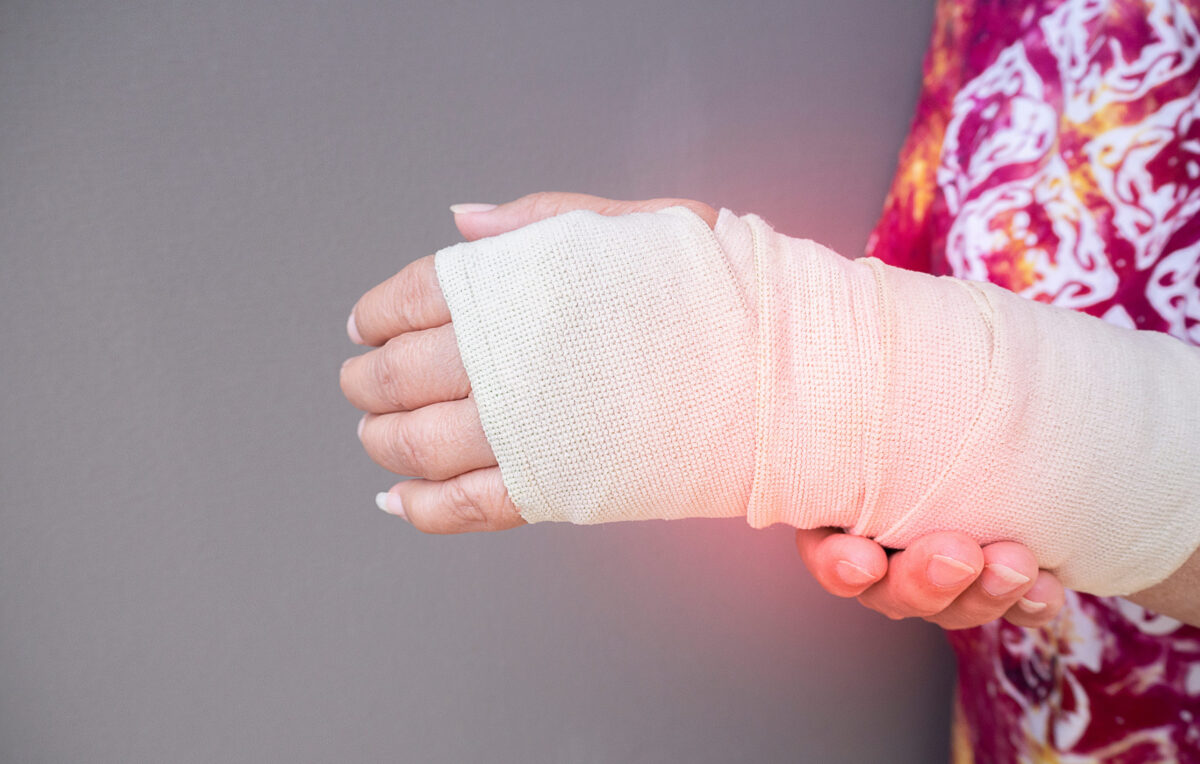
An open fracture is one of those injuries that sound brutal because they are. It happens when a broken bone pushes through the skin or sits near an open wound, turning a fracture into a medical emergency with a high risk of infection and tissue damage. The Cleveland Clinic describes compound fractures as extremely painful and says emergency care is needed immediately.
The pain is not just from the broken bone. It comes from torn skin, damaged muscle, swelling, exposed tissue, and the terrifying instability of a limb that no longer feels like it belongs to the body. Every movement can send a fresh wave of pain through the area, which is why immobilizing the injury quickly is so important.
Severe Burns
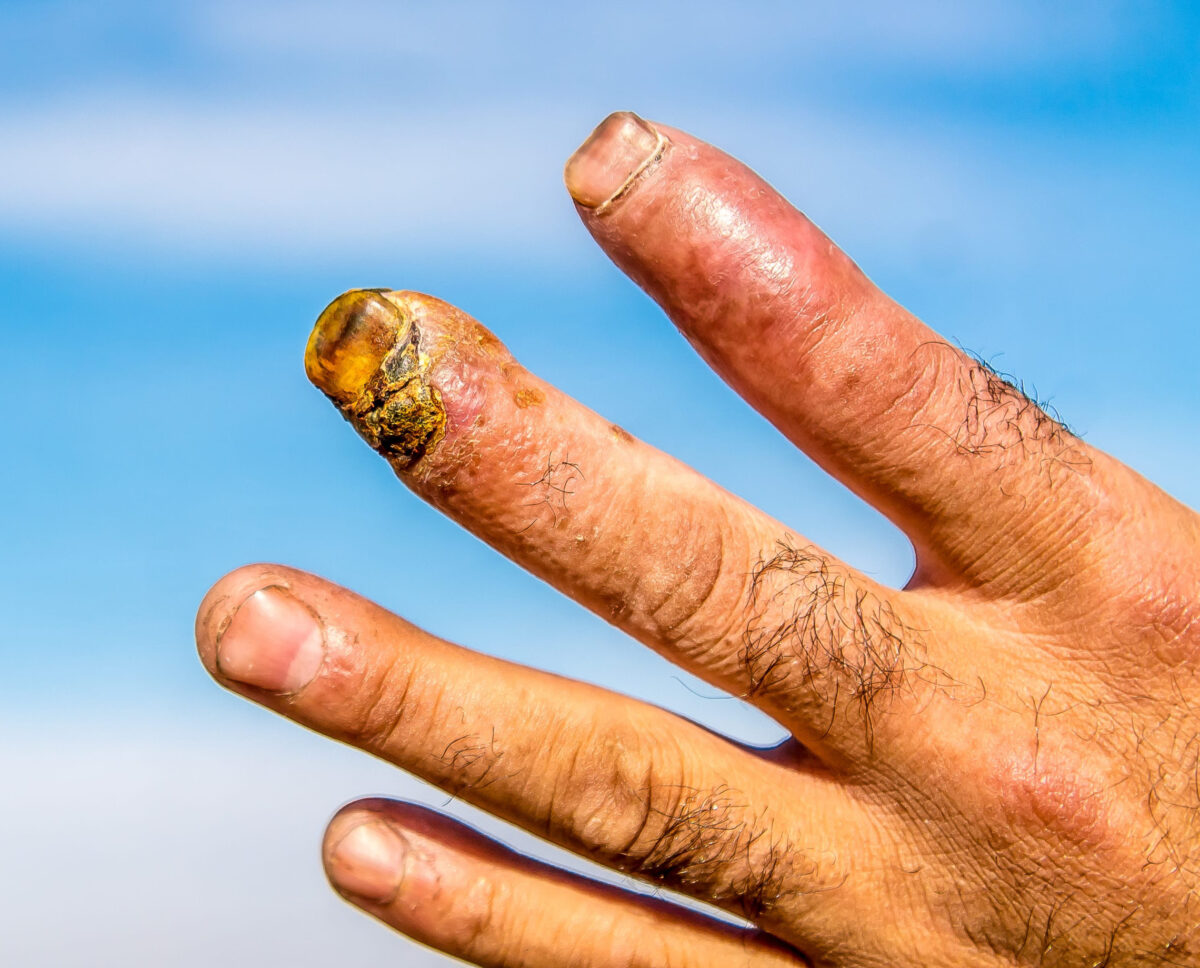
Burn pain can feel like the body has been invaded by fire, even after the flames are gone. Second-degree burns can be intensely painful because nerve endings remain active beneath damaged skin, and the swelling, blistering, and raw exposure can make even air feel sharp. Deep burns can affect all layers of the skin and, in some cases, deeper tissues, creating a medical emergency.
The strange cruelty of severe burns is that the worst-looking areas may not always hurt the most at first. Mayo Clinic notes that third-degree burns can destroy nerves, which may lead to little or no pain in the deepest damaged zones. That does not make the injury less serious; it often means the damage has gone deeper than the body’s pain system can fully report.
Crush Injuries and Compartment Syndrome
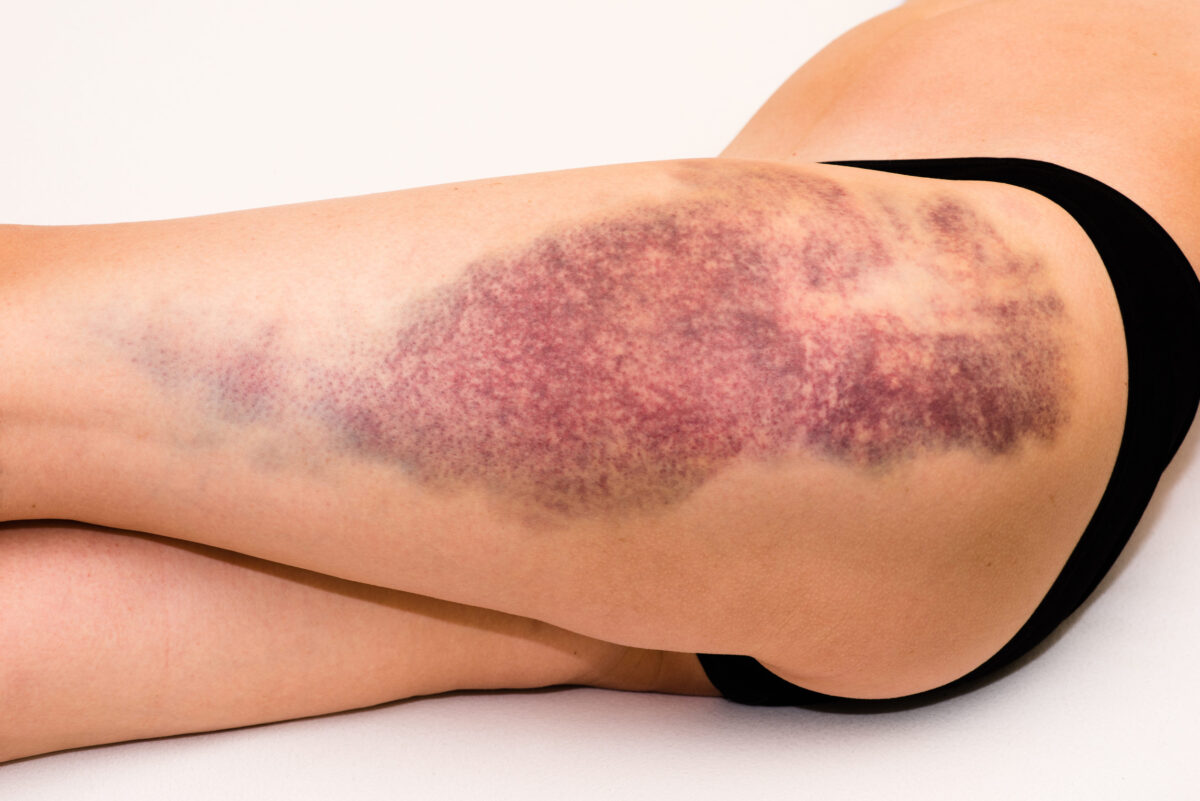
A crush injury can turn pressure into torture. When a limb is subjected to heavy force, muscles and soft tissues can be squeezed so hard that swelling builds up in the body’s tight spaces. That pressure can lead to compartment syndrome, a medical emergency that can threaten nerves, muscles, and circulation.
The pain is often described as deeper and worse than expected for the visible injury. It can feel like the muscle is being inflated from the inside, with burning, tightness, numbness, and worsening pain as pressure rises. Cleveland Clinic notes that acute compartment syndrome can happen after severe injuries and requires urgent treatment.
Shoulder or Hip Dislocations
A dislocation is not just a joint “popping out.” It is a structural rebellion. The bone leaves its normal position, stretching or tearing the surrounding muscles, ligaments, blood vessels, and nerves. Shoulder dislocations are especially common because the joint is highly mobile, and symptoms can include intense pain, visible deformity, swelling, bruising, weakness, and trouble moving the arm.
The pain can be immediate and overwhelming because the body knows something is deeply wrong. Muscles may spasm around the joint as if trying to protect it, but those spasms often make the pain worse. A hip dislocation can be even more terrifying because the joint is large, weight-bearing, and close to major nerves and blood vessels.
Degloving Injuries
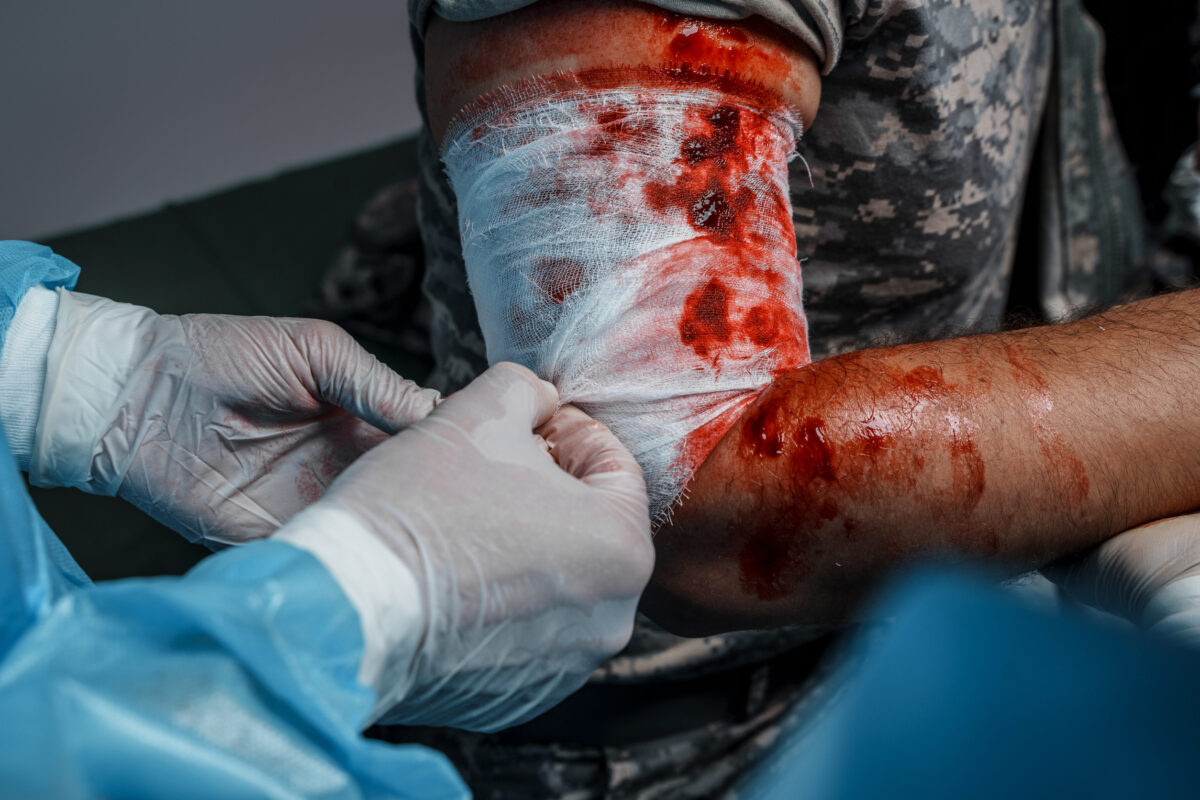
A degloving injury is exactly as horrific as the name suggests. Skin and soft tissue are violently separated from the structures underneath, often after high-force accidents involving machinery, vehicles, or crushing trauma. Medical literature describes degloving soft tissue injuries as serious, potentially devastating injuries that require early recognition and treatment.
The pain can be savage because skin is rich with nerves, and this injury does not simply cut it. It peels tissue away from the blood supply, muscle, tendons, and deeper structures. Even when shock dulls the first moments, the aftermath can involve repeated procedures, wound care, grafting, infection risk, and long recovery.
Multiple Broken Ribs and Flail Chest
A broken rib teaches a person how often the body moves without permission. Breathing hurts. Coughing hurts. Laughing hurts. Turning in bed can feel like the chest is being cracked open all over again. Cleveland Clinic lists pain with breathing, coughing, or upper-body movement as a common symptom of rib fractures.
Flail chest is more severe. It happens after a traumatic chest injury when a section of the rib cage becomes unstable, and it can cause severe chest pain and difficulty breathing. That combination makes it uniquely frightening because the injured person cannot simply “rest” the area. Every breath becomes necessary, and every breath becomes punishment.
Traumatic Amputation
Traumatic amputation is among the most devastating injuries a person can survive. The immediate pain can come from crushed tissue, torn nerves, broken bone, bleeding, and shock. MedlinePlus lists bleeding, shock, phantom pain, and infection among the major complications after traumatic amputation.
The pain may also continue in strange and haunting ways after the injury itself. Phantom limb pain is real pain felt in a body part that is no longer there, and the Cleveland Clinic explains that it can happen after amputation because the nervous system still sends and interprets signals connected to the missing limb. That makes this injury painful in both the obvious physical sense and in a deeper neurological sense that can last long after the wound closes.
Conclusion
The most painful injuries are not always the bloodiest, and the bloodiest injuries are not always the ones that hurt most at first. Pain depends on nerve damage, tissue pressure, inflammation, shock, fear, and how the brain processes the injury. That is why a burn, a crushed limb, a dislocated joint, or a broken rib cage can each feel like a different kind of nightmare.
What these injuries have in common is urgency. They are not “walk it off” moments. They are the body’s alarm bells screaming for help, protection, and fast medical attention. Pain may be personal, but when it reaches this level, it becomes a warning that deserves to be taken seriously.