U.S. Humanitarian Worker Tests Positive for Ebola During Rapid Congo Outbreak
A U.S. citizen working for a humanitarian organization in the Democratic Republic of the Congo has tested positive for Bundibugyo virus, a rare type of Ebola, federal health officials announced Friday, July 10.
The Centers for Disease Control and Prevention said it is working with the patient’s employer, other federal agencies, public health authorities and Congolese partners. Teams are tracing contacts and assessing who may have been at high risk of exposure.
The patient’s name, age, condition and location have not been released. Officials also have not said where the person will receive treatment or whether an evacuation is planned.
The CDC’s official statement says the agency is supporting contact tracing and risk assessments. It did not identify the humanitarian group involved or describe how the infection occurred.
Second American Case Reported
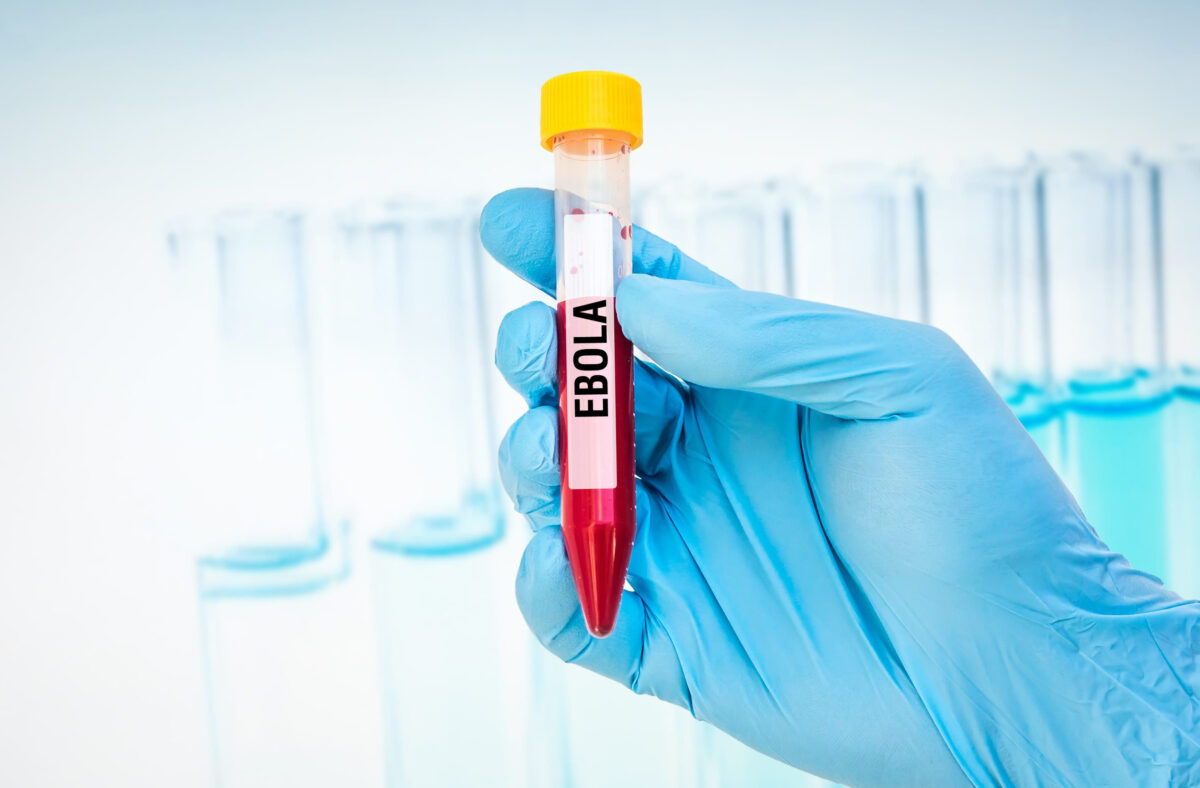
The newly confirmed infection is the second known case involving a U.S. citizen during the current outbreak.
An American doctor working in Congo tested positive during the outbreak’s first week. AP reported the transfer to Berlin, where German officials placed the patient in a special isolation ward.
CDC incident manager Dr. Satish Pillai said at the time that the patient was stable. German authorities did not identify the doctor or release additional medical details.
No connection between the two American patients has been announced. Health officials have not said whether the latest patient worked in the same province or had contact with the earlier case.
The latest patient’s treatment destination carries added significance because a planned U.S.-supported facility in Kenya is not operating. Trump administration officials had proposed using it for Americans exposed to Ebola abroad instead of bringing them directly home.
The project was suspended after a Kenyan court order, according to the Associated Press. Federal officials have not announced an alternative arrangement for the newly infected worker.
Congo Cases Rise Quickly
Congolese authorities declared the outbreak in mid-May after investigators found evidence that transmission had already continued for weeks.
Africa’s public health agency said earlier this week that Congo had recorded 1,830 confirmed cases and 648 deaths. Uganda has also confirmed infections linked to transmission from Congo.
The figures show a sharp rise from July 1, when WHO recorded 1,460 confirmed cases and 452 deaths in Congo. The WHO’s latest outbreak update also listed 20 confirmed cases in Uganda.
WHO said Uganda’s cases included imported infections and secondary transmission among contacts and health workers. As of July 2, Uganda had not recorded a new case since June 21, and WHO said it had found no documented community transmission there.
Most listed contacts had completed 21 days of monitoring. WHO said the broader outbreak was expanding through sustained transmission, increased testing, and wider surveillance.
The current outbreak involves Bundibugyo virus, one of the viruses that can cause Ebola disease. It differs from the Zaire species behind the large West African epidemic from 2014 to 2016.
There is no approved vaccine or specific treatment for Bundibugyo virus disease. Researchers have begun clinical trials to test potential therapies, while doctors continue to provide supportive care.
Supportive treatment can include fluids, oxygen, blood-pressure support, and care for organ complications. Early treatment can improve survival, but access remains uneven in affected areas.
Conflict Complicates Containment
Eastern Congo has faced armed conflict, mass displacement, and repeated attacks on health facilities. Those conditions can delay testing, isolate communities, and prevent response teams from reaching exposed people.
Funding shortages have also limited the response. Health workers need protective equipment, laboratory capacity, secure transportation, and reliable systems for monitoring contacts.
Ebola spreads through direct contact with infected blood or other bodily fluids. People can also become infected through contaminated medical equipment, clothing, bedding, or unsafe burial practices.
The virus does not spread through ordinary airborne transmission. A person is not considered infectious until symptoms begin, according to WHO.
Symptoms can appear two to 21 days after exposure. Early signs often include fever, fatigue, headache, muscle pain, and sore throat.
Vomiting, diarrhea, organ problems, and bleeding can develop later. Because the initial symptoms resemble those of several common illnesses, laboratory testing is essential.
U.S. Screening Remains Active
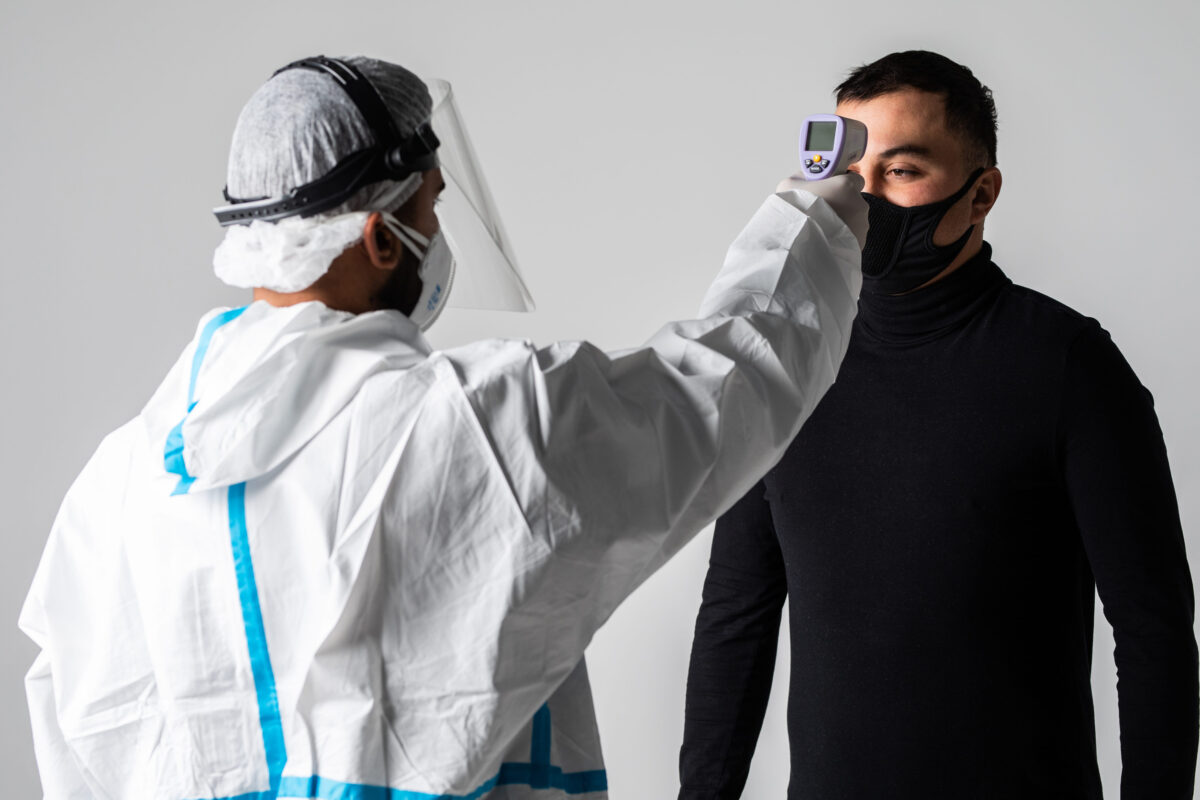
The CDC has introduced enhanced screening for some travelers arriving from Congo, Uganda, and South Sudan. U.S. citizens and nationals may still enter, but they can face public health checks.
The CDC travel guidance advises travelers to monitor for symptoms for 21 days after leaving affected areas. Anyone who develops symptoms should avoid travel and contact health authorities immediately.
Federal officials have not reported community transmission associated with the current outbreak in the United States. The latest case involves a citizen who was working in Congo.
The CDC’s immediate focus remains on identifying high-risk contacts and preventing additional infections. As of Saturday, July 11, the agency had not released the patient’s treatment destination, condition or further details about possible exposures.