10 Dark Religious Beliefs That Still Give People Chills
Some religious beliefs feel unsettling because they walk straight into the places most people avoid. Death, bones, spirits, punishment, impurity, sacred animals, and the afterlife all sit at the center of these traditions.
Yet many of these beliefs are not built solely on fear. They often exist to explain grief, protect the living, honor the dead, or teach people how to behave before life runs out.
Death Can Free the Soul
/shutterstock
In some traditions, death is not treated as the final tragedy. It is seen as a doorway into release, especially when the right rituals are performed in the right sacred setting. That belief can feel dark because it places death at the center of hope rather than horror.
The idea is powerful because it changes how people see the body. The body may burn, decay, or disappear, but the soul is believed to continue its journey. To outsiders, the ritual may look painful or frightening. To believers, it may represent freedom from suffering, rebirth, or the heavy cycle of earthly life.
The Dead Body Can Become Spiritually Impure
Some religions believe the dead body must be handled carefully because death can disturb spiritual purity. The corpse is not always seen as evil, but it may be viewed as something that can pollute earth, fire, water, or sacred space. That belief explains why some communities avoid ordinary burial or cremation.
This belief feels dark because it sharply separates the person from the body. A loved one may be honored deeply, yet the body still requires strict ritual control. It shows how religion can treat death with both love and caution at the same time.
The Body Can Become a Final Gift
Some beliefs treat the body after death as something that can still serve life. Instead of preserving it in a coffin or burning it completely, the body may be offered back to nature, animals, or the elements. This belief can feel shocking because it removes the soft distance many cultures place around death.
Yet the idea carries a strange beauty. The person is gone, but the body still gives something back. Flesh feeds birds. Bones return to the earth. Nature continues. The darkness comes from seeing the body exposed, but the deeper belief is about humility, impermanence, and the cycle of life.
Spirits Can Haunt Places of Violent Death

Some religious traditions believe spirits can remain attached to places where people died violently or in peace. Battlefields, lonely roads, abandoned houses, cremation grounds, and old burial places often become spiritually charged in these beliefs. Fear is given a name, a shape, and a story.
This belief helps people explain why certain places feel heavy or unsafe. It also gives communities rules for protection, prayer, cleansing, and respect. The spirit may frighten the living, but the belief also reminds people that violent death leaves a wound behind.
Taboo Can Lead to Spiritual Freedom
Some ascetic traditions believe that facing taboo can break fear and ego. Instead of avoiding death, impurity, bones, ashes, or cremation grounds, certain spiritual seekers move toward them. The goal is not to shock for the sake of shock. It is to destroy attachment to comfort and social approval.
This belief feels disturbing because it reverses normal human instinct. Most people run from decay, blood, ash, and the dead. These seekers may treat those things as tools for spiritual awakening. The dark lesson is simple: fear can control the soul unless it is confronted directly.
Bones Can Teach the Living
In some religious settings, bones are not hidden away. They are displayed, arranged, decorated, or used as reminders of mortality. This belief turns human remains into a spiritual lesson.
The message is blunt. Beauty fades. Wealth fades. Power fades. Every person becomes fragile in the end. That is why bone imagery can feel both creepy and meaningful. It forces the living to remember that pride has an expiration date.
Animals Can Carry Sacred Power
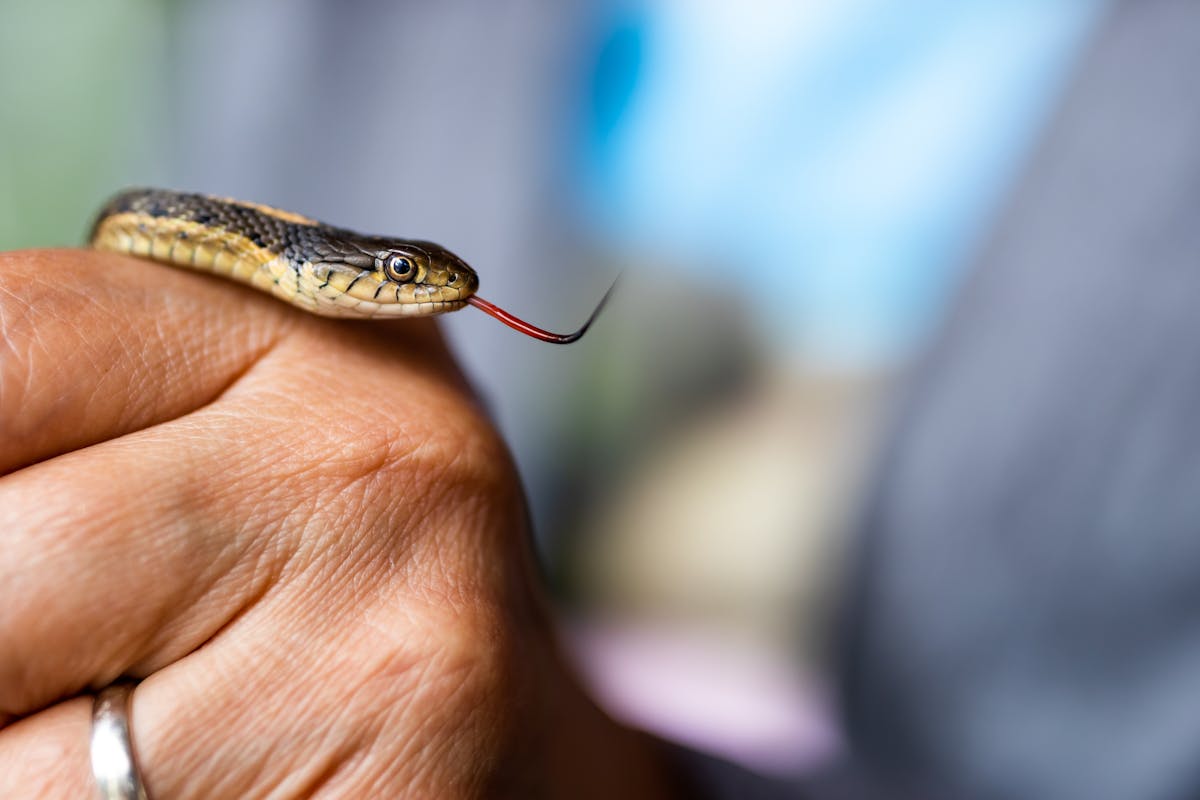
Some beliefs treat animals that many people fear or avoid as sacred beings. Rats, vultures, snakes, crows, jackals, and other animals can be associated with gods, spirits, ancestors, death, protection, or rebirth. The animal’s ordinary meaning changes inside the religious world.
This belief unsettles people because it challenges the disgust response. A creature seen as dirty in one culture may be holy in another. That reversal shows how faith can transform fear into devotion. It also reminds us that humans do not get the final say on what counts as sacred.
The Dead May Still Belong to the Family
Some cultures believe the dead remain part of the household or family story long after breathing stops. The deceased may be spoken to, cared for, remembered through rituals, or treated as present until the proper funeral rites are completed. Death becomes a long relationship rather than a sudden ending.
This belief can feel dark because it keeps the dead close. Many modern societies remove the body quickly and hide grief behind quiet ceremonies. These traditions do the opposite. They make mourning visible, intimate, and ongoing.
Death Can Become a Protector
Some folk devotions personify death as a spiritual figure who can be approached for help. Instead of seeing death only as an enemy, believers may pray to a death figure for safety, justice, healing, or protection. This is one of the darkest reversals in religious imagination.
The appeal is easy to understand. Death reaches everyone, including the poor, the sick, the imprisoned, and the forgotten. A death figure can feel powerful because it does not ignore the people society pushes aside. The image may look frightening, but the prayer behind it is often deeply human.
Hell Can Be a Place of Physical Punishment
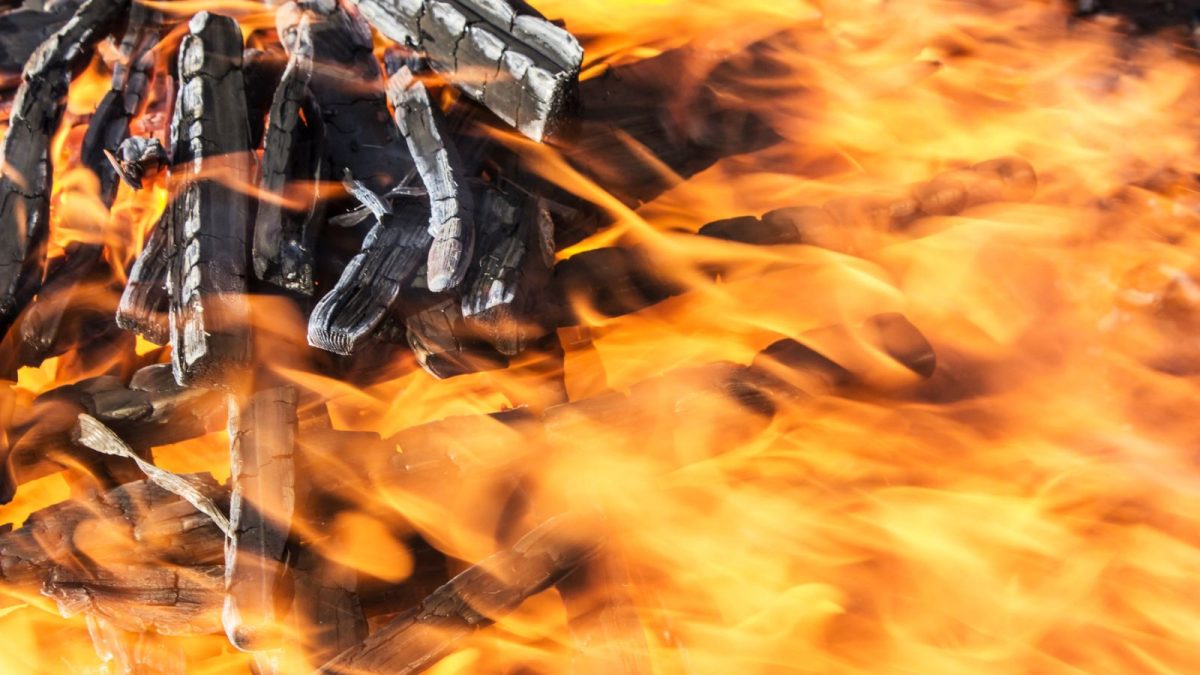
Many traditions use frightening images of hell to teach moral behavior. In these beliefs, bad actions do not simply vanish. They return as punishment, suffering, or spiritual consequence after death.
This belief remains powerful because fear can be a strong teacher. Graphic images of punishment are meant to warn people against cruelty, greed, violence, betrayal, and selfishness. The darkness is not random. It is meant to make people remember that choices have consequences.
Conclusion
Dark religious beliefs continue to fascinate people because they deal with the truths no one escapes. Every culture must explain death, fear, impurity, grief, and the unknown. Some traditions soften those truths. Others make them impossible to ignore.
These beliefs may sound chilling at first, but they often carry serious meaning. They teach respect for the dead, warn against wrongdoing, protect sacred purity, honor family bonds, and remind the living that life is temporary. Darkness, in religion, is not always a sign of evil. Sometimes, it is the place where human beings go to make sense of what scares them most.