13 Bad Restaurant Red Flags You Should Never Ignore
A bad restaurant rarely announces itself with one giant warning sign. It usually whispers first. A sticky menu, a sour smell near the entrance, a tired server who cannot answer basic questions, or a dining room that feels more chaotic than welcoming can tell us plenty before the first plate arrives.
Dining out is still a major part of American life, and the restaurant industry is projected to reach about $1.55 trillion in sales in 2026, which means diners have more choices and more reasons to choose carefully. We do not need to inspect a kitchen like a health officer to protect our money, mood, and stomach. We only need to notice the clues that reveal poor management, weak hygiene, careless service, or food that may not be handled with enough respect.
Poor recent reviews with no serious response
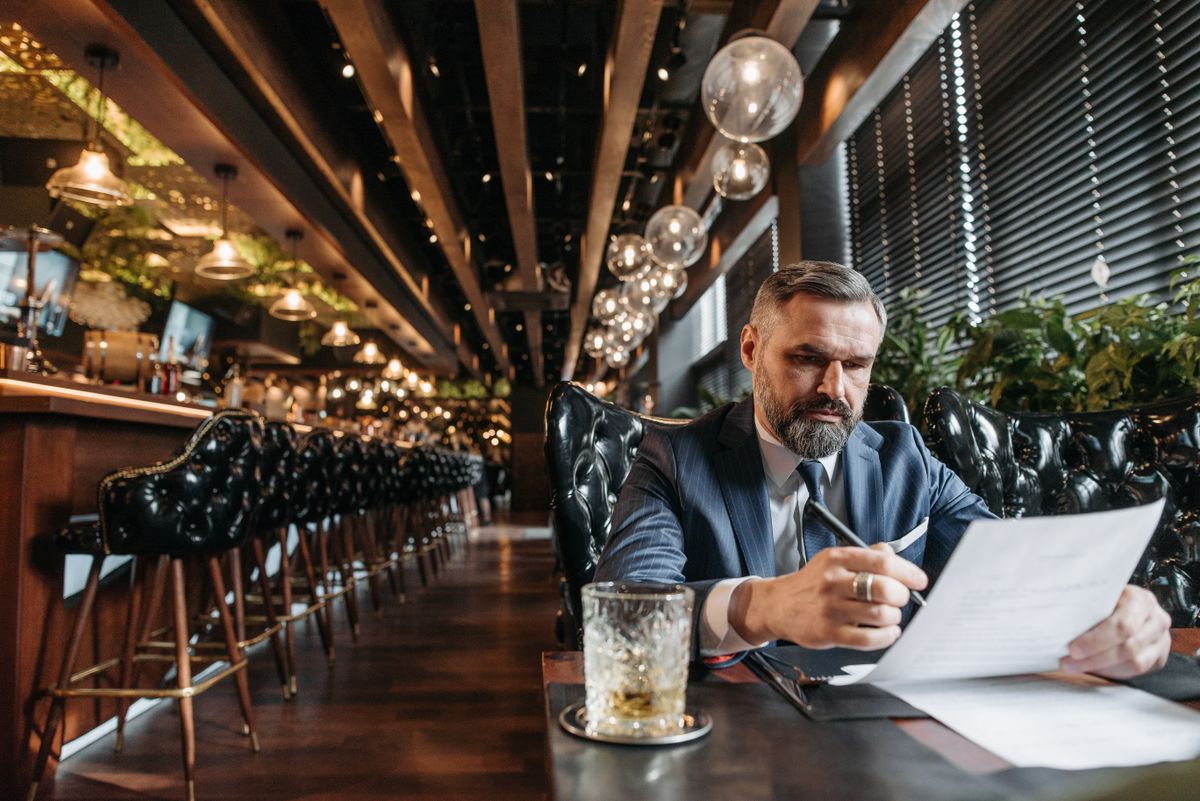
Online reviews should never be treated as the perfect truth, but they do reveal patterns. One angry customer can exaggerate, one fake review can distort the picture, and one bad night can unfairly hurt a good restaurant. The real red flag is when recent reviews keep repeating the same complaints: cold food, rude staff, dirty bathrooms, long waits, wrong orders, or stomach issues after eating there.
We should also pay attention to how the restaurant responds. A thoughtful response shows accountability, even if the business made a mistake. Silence in the face of several serious complaints can suggest the owners are not monitoring feedback or do not care enough to rebuild trust. A restaurant that ignores public complaints may also ignore private problems.
A neglected website with wrong hours or an outdated menu
A restaurant website is the modern front door. If the hours are wrong, the menu prices are outdated, the location is unclear, or the photos look abandoned, the restaurant may be confusing diners before they even arrive. A survey found that 77 percent of diners check a restaurant’s website before visiting or ordering, and many have been discouraged by a poor website.
A weak website does not automatically mean bad food, but it does suggest poor attention to detail. Restaurants often change menus, seasonal items, reservation policies, and pickup options. If the online presence still looks frozen in the past, we have to wonder what else has been left untouched.
A menu that tries to cook every cuisine at once

A giant menu can feel exciting at first, but it can also signal trouble. If one small kitchen offers sushi, pasta, barbecue, tacos, steak, seafood, burgers, curry, breakfast plates, and three pages of desserts, we should ask how fresh everything can really be. Too many dishes can stretch prep work, storage space, staff training, and ingredient turnover.
Focused menus often show discipline. They help kitchens buy better ingredients, properly train cooks, and execute dishes consistently. A huge, unfocused menu may mean frozen shortcuts, reheated sauces, overstocked storage, or food that sits too long before it’s ordered.
Specials that never change
A special should feel intentional. It might use seasonal produce, a fresh delivery, a chef’s experiment, or a dish designed for that day. If the same “daily special” appears every visit, every week, and every month, it may not be special at all.
This matters because specials can sometimes serve as hiding places for ingredients that need to move quickly. That does not mean every recurring special is unsafe. A beloved house special can stay for years. The red flag appears when the restaurant uses vague descriptions, aggressively pushes the item, or serves it in a way that makes it taste tired, dry, or reheated.
Staff who seem confused, tense, or unsupported

A good restaurant can be busy and still feel organized. Servers may move quickly, but they know their tables, communicate clearly, and recover smoothly from mistakes. A bad restaurant often feels tense. Staff avoid eye contact, argue in front of guests, forget basic requests, complain openly, or seem to be guessing their way through the service.
This is usually a management problem. Poor training, understaffing, weak communication, and high turnover often show up in the people serving us. One tired employee does not condemn a restaurant. A whole team that looks defeated can reveal a deeper cultural problem.
A cold welcome at the host stand
The host stand sets the emotional temperature. A rushed greeting during a dinner rush is understandable. A rude, dismissive, or confused welcome is different. If the host cannot explain the wait, ignores guests, rolls their eyes, or seems bothered by basic questions, the restaurant has already started poorly.
Hospitality does not require fake cheer. It requires attention. A simple greeting, an honest wait time, and clear communication can make guests feel cared for even before they sit down. If the first human contact feels careless, the rest of the meal may follow that tone.
Servers who cannot answer basic menu questions

Servers do not need to recite every ingredient as a chef would, but they should know the basics. They should be able to explain popular dishes, spice levels, preparation styles, sides, substitutions, and common allergens. If every question earns a blank stare, a guess, or a dismissive answer, we should slow down before ordering.
This becomes serious for diners with allergies. CDC guidance says restaurants should train staff on food allergies, cross-contact prevention, and emergency response, as staff knowledge can increase the likelihood of a safe dining experience. A restaurant that treats allergy questions like an inconvenience is not just annoying. It can be risky.
Food sitting out at room temperature
Buffets, salad bars, open displays, dessert counters, and grab-and-go cases need close temperature control. If cold items look warm, hot items look lukewarm, or prepared foods sit uncovered for long stretches, the red flag becomes bright red. Temperature mistakes are one of the most common ways food becomes unsafe.
The CDC warns that bacteria can multiply rapidly between 40°F and 140°F, often called the danger zone. USDA guidance also notes that bacteria grow fastest in that range and can double in number in as little as 20 minutes. If a restaurant treats holding temperatures casually, we should treat the meal cautiously.
Visible cross-contamination in open areas
Open kitchens, buffets, carving stations, and counter-service lines can reveal a lot. We should watch for raw meat near ready-to-eat foods, staff touching phones and then food, the same gloves used for money and ingredients, shared tongs across dishes, or cutting boards that seem to handle everything. These are not tiny mistakes in a food business.
The Florida food inspection guidance summarizes the major risk factors in the Food Code, including unsafe sources, inadequate cooking, improper hot- and cold-holding, poor personal hygiene, and contaminated equipment. Cross-contamination sits right in that danger zone of bad habits. If we can see it from the counter, more may be happening out of sight.
Dirty drink stations and ice areas

People often focus on the kitchen and forget the beverage area. Soda nozzles, coffee stations, self-serve tea urns, water pitchers, garnish trays, and ice bins need regular cleaning. Sticky syrup buildup, cloudy nozzles, fruit flies near drink taps, uncovered lemons, or staff scooping ice with glassware are all warning signs.
Ice should be treated like food because it goes straight into the drink. A spotless plate means less if the beverage station looks neglected. If the drink area is grimy, it suggests the restaurant may be weaker at routine cleaning than it wants guests to believe.
Pest signs anywhere near food service
A fly or two can slip into almost any busy restaurant, especially during warm weather. A pattern is different. Multiple flies near the kitchen door, roaches, rodent droppings, chewed packaging, gnats around drains, or traps visible in dining areas should make us reconsider the meal.
Pests are not just ugly. They usually point to food debris, moisture, gaps in cleaning, poor storage, or building maintenance problems. A restaurant that handles pest pressure well keeps waste under control, seals entry points, cleans thoroughly, and acts quickly. A restaurant that lets pests become visible to guests has likely lost control of its operations.
Vague pricing and surprise charges
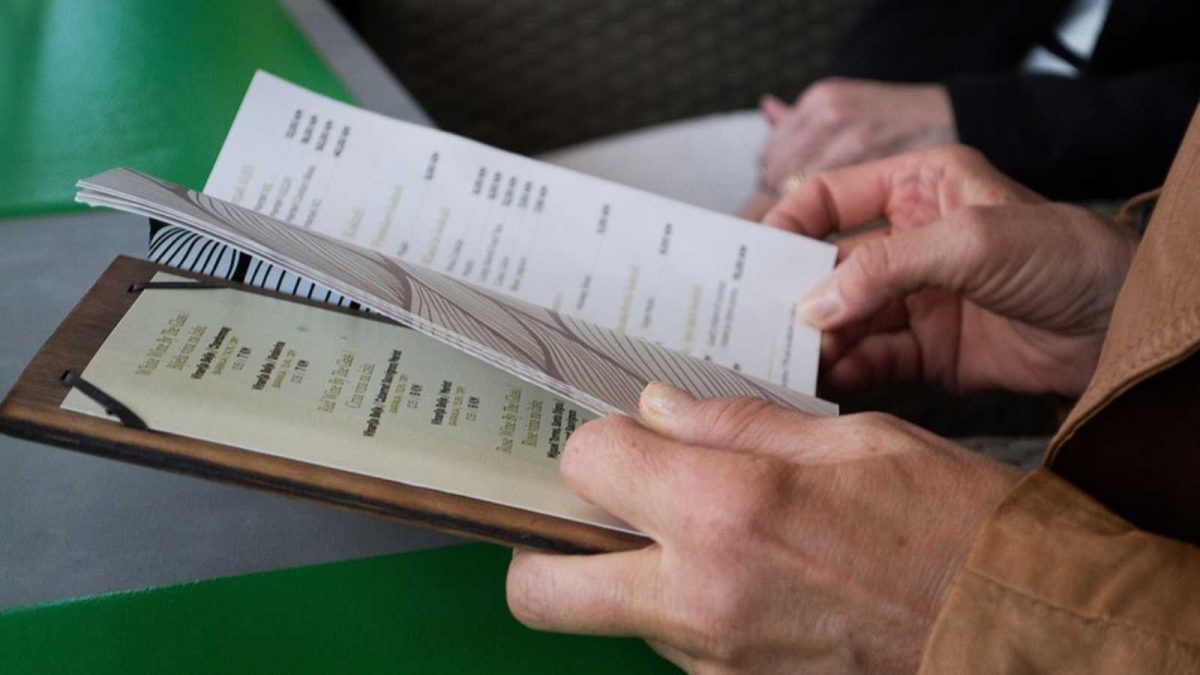
Bad restaurants do not always fail due to food safety. Some fail through trust. Menus without clear prices, vague “market price” items with no explanation, automatic fees hidden until the bill arrives, and staff who dodge price questions can all sour the experience. Guests should never need detective skills to understand what they are buying.
Transparent pricing shows respect. Restaurants face real cost pressure, and diners understand that food, labor, rent, and utilities have risen. Still, surprise charges make customers feel trapped. If the restaurant hides the cost before the meal, we should expect more uncomfortable surprises later.
Pushy upselling that ignores the guest
Upselling can be helpful when it feels thoughtful. A server may suggest a wine pairing, a better side, a dessert worth saving room for, or a dish the kitchen does especially well. The red flag appears when every interaction feels like a pressure campaign.
A restaurant that pushes the most expensive items without listening may care more about the ticket than the table. If the server ignores dietary needs, budget cues, pacing, or simple “no thanks” signals, the experience stops feeling hospitable. We should enjoy a meal, not negotiate our way through it.
Final thoughts
The best restaurants make guests feel safe before the food arrives. They keep the entrance clean, train staff well, answer questions clearly, serve food at the right temperature, and correct mistakes without drama. They do not need marble floors, celebrity chefs, or a menu full of expensive ingredients to earn trust.
A bad restaurant usually reveals itself through neglect. The clues may look small, but together they tell a bigger story about hygiene, leadership, training, and care. We protect ourselves by noticing those clues early, trusting our senses, and refusing to spend good money in a place that treats basic standards like optional extras.