10 American Foods That Foreigners Find Weird
American food is bold, messy, playful, and sometimes completely shocking to people who grew up with stricter food traditions. What looks like comfort food in the United States can look like a dare to visitors from Europe, Asia, Africa, or Latin America. The surprise usually comes from three things: huge portions, sweet-and-savory combinations, and America’s deep love of convenience foods.
Spray Cheese
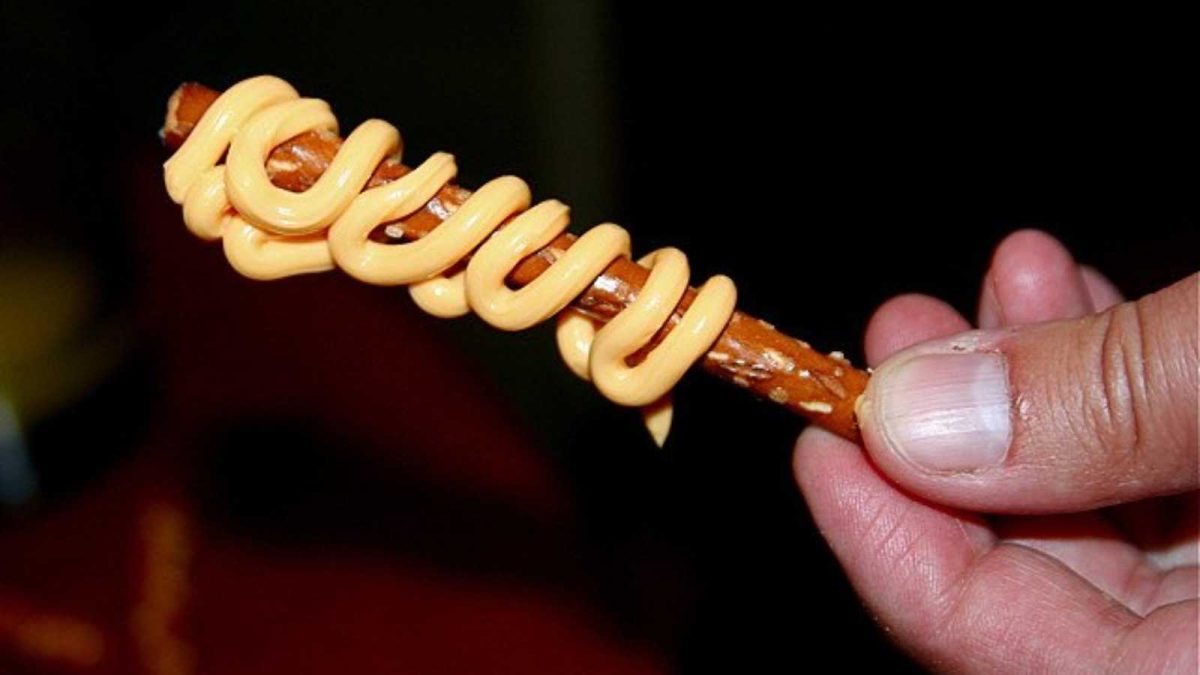
Spray cheese is one of the most confusing American inventions for foreign visitors. In many countries, cheese is sliced, aged, crumbled, melted, or grated, but it is rarely sprayed from a can like whipped cream.
The bright orange color makes the shock even stronger. For people raised around fresh mozzarella, feta, brie, cheddar, gouda, or paneer, the idea of shelf-stable cheese foam feels more like a chemistry experiment than a snack.
Corn Dogs

Corn dogs turn a hot dog into fairground theater. A sausage is pushed onto a stick, coated in sweet cornmeal batter, deep-fried, and eaten like a popsicle.
That mix of processed meat and sweet coating can feel strange to visitors who expect sausages to be grilled, boiled, smoked, or served with bread. Americans see fun and nostalgia. Many foreigners see a meat dessert on a stick.
Peanut Butter and Jelly Sandwiches
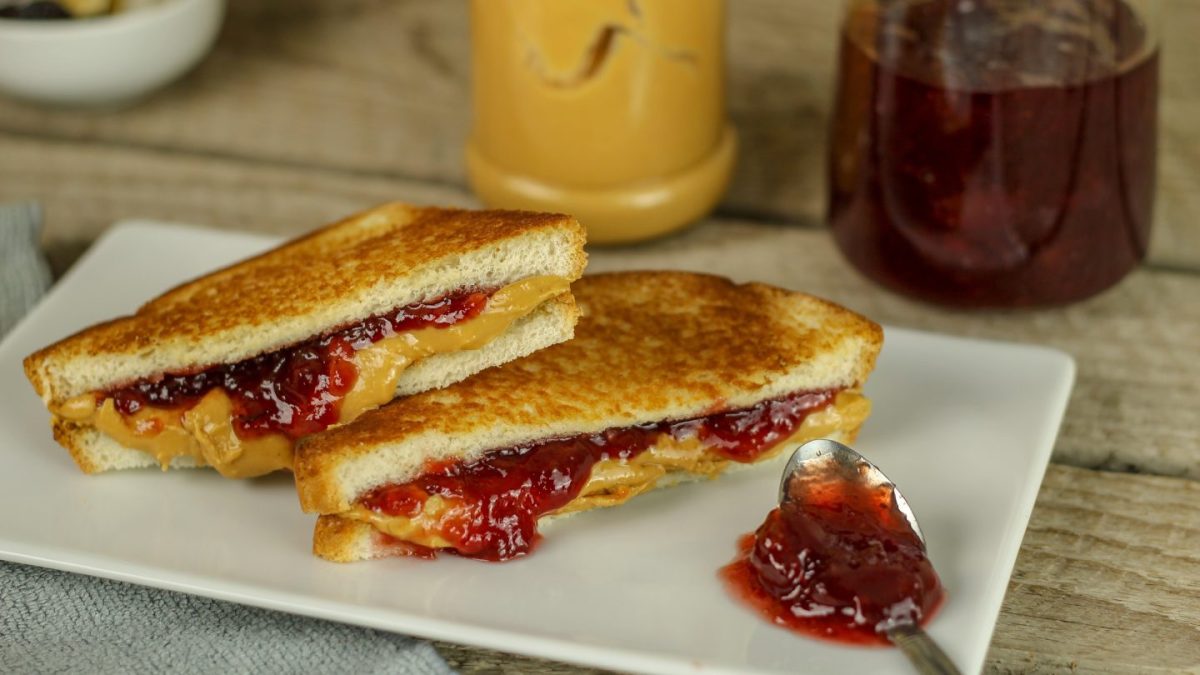
The peanut butter and jelly sandwich is a childhood classic in America, but it can confuse people from countries where peanuts belong in sauces, stews, or savory snacks. The sticky texture alone can be a surprise.
Then comes the sweetness. Thick peanut paste mixed with sugary jam can feel too heavy, too sweet, and too dry for visitors who did not grow up eating it in lunchboxes.
Biscuits and Gravy
Biscuits and gravy can cause instant misunderstanding because the words mean different things in other countries. In Britain and many Commonwealth countries, biscuits are cookies. In much of the world, gravy is brown and served with meat.
So when visitors see soft bread covered in pale sausage gravy, the dish can look confusing before they even taste it. To Americans, it is a warm Southern breakfast. To outsiders, it can look like dessert bread covered in breakfast sauce.
Sweet Potato Casserole With Marshmallows
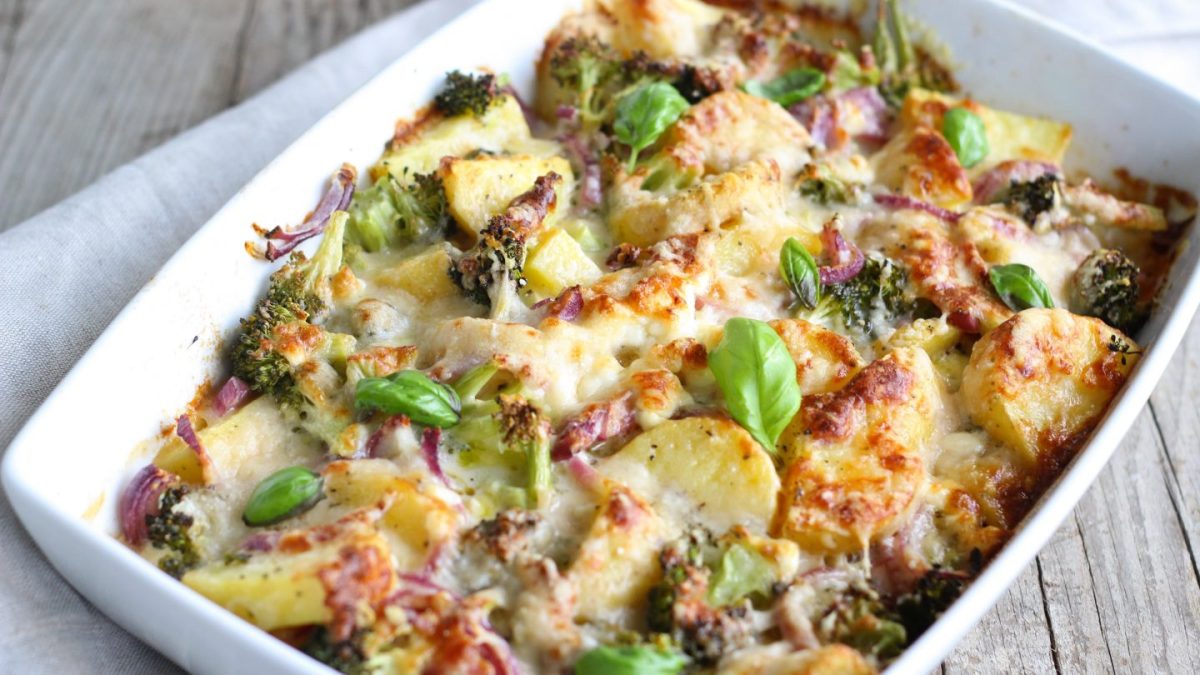
Sweet potato casserole with marshmallows breaks a food rule many cultures take seriously. Vegetables are usually savory. Candy belongs to dessert.
America puts both on the same Thanksgiving table. The result is a soft, orange casserole topped with toasted marshmallows, served alongside turkey, stuffing, and gravy. For many visitors, it feels like dessert accidentally found its way onto the dinner plate.
Ranch Dressing on Everything
Ranch dressing has become a universal American dipping sauce. It goes on salads, fries, pizza, chicken wings, sandwiches, vegetables, and sometimes foods that already have their own sauce.
Foreign visitors often struggle with the obsession. The creamy garlic-and-herb flavor is not the problem. The surprise is how often Americans use ranch as a fix for almost anything.
Ambrosia Salad
Ambrosia salad sounds healthy because of the word “salad,” but it’s closer to dessert. It often combines canned fruit, whipped topping, coconut, marshmallows, and sometimes gelatin.
Visitors expecting leafy greens get a fluffy bowl of sugar and fruit. That name alone causes confusion because many cultures use “salad” for fresh vegetables, grains, beans, or proteins, not marshmallows floating in cream.
Chicken and Waffles
Chicken and waffles are one of America’s most famous sweet and savory pairings. Crispy fried chicken sits atop soft waffles, often with syrup poured over it all.
The dish can confuse visitors because it crosses meal boundaries. Is it breakfast, lunch, dinner, or dessert? In America, that question is part of the charm. For outsiders, it can feel like three meals on one plate.
Kool-Aid Pickles
Kool-Aid pickles are bright, sweet, sour, and visually shocking. Dill pickles are soaked in a sugary drink mix until they turn neon red, purple, or green.
For many visitors, the idea feels extreme. A pickle already has a clear identity: salty, sharp, and briny. Turning it into a candy colored snack can look like American food culture pushed into cartoon mode.
Cheez Whiz
Cheez Whiz is another processed cheese product that unsettles people from strong cheese-making cultures. It is smooth, spreadable, bright, and far removed from the texture of traditional cheese.
For Americans, it can be nostalgic and practical, especially on sandwiches or snacks. For visitors from France, Italy, Switzerland, or Greece, it may feel like cheese lost its passport and came back as sauce.
Conclusion
American food is not strange because it lacks identity. It is strange to outsiders because it has a very strong identity: bold, convenient, nostalgic, sweet, salty, oversized, and unafraid of breaking rules.
These dishes tell a bigger story about American culture. They show a country that loves fairs, road trips, lunchboxes, football games, family casseroles, holiday tables, and late-night comfort food. Foreign visitors may not understand every bite, but they rarely forget the experience.