10 Money Leaks Wrecking Your Budget
You do not always lose money in dramatic ways. Sometimes it slips out quietly through a forgotten subscription, a grocery bag full of food that spoils by Thursday, a thermostat that runs like it has a personal grudge, or a “small” delivery fee that somehow tags along three times a week. By the end of the month, your bank account looks tired, and you are left wondering where the paycheck went.
That is the frustrating part of household budgeting. Most families are not blowing money on yachts, diamond watches, or champagne towers in Miami. They are losing it through boring little leaks that hide in the normal course of life. Groceries, utilities, streaming apps, credit cards, insurance, takeout, and impulse buys all look manageable on their own. Together, they can turn a decent income into a monthly disappearing act.
Paying credit card interest

Credit cards can be useful tools, but they become expensive when balances roll over month after month. A purchase that seemed manageable at checkout can cost far more once interest is added. Late fees make it worse, especially when one missed payment triggers extra charges and stress.
The dangerous part is how normal this can start to feel. A balance becomes part of life. Minimum payments create the illusion of progress. Meanwhile, interest keeps eating money that could have gone toward savings, groceries, repairs, or debt freedom. The best move is to stop adding new charges while paying down the old ones. Credit card debt does not need shame. It needs a plan with teeth.
Ignoring small charges
A few dollars here and there can feel harmless. A coffee run, an app upgrade, a delivery fee, a game purchase, a random checkout add-on, and a convenience charge may not seem worth tracking. That is exactly why they become dangerous. They slide under your attention because none of them looks serious enough to blame.
The real problem is frequency. A five-dollar habit repeated four times a week is no longer small. It becomes part of your monthly budget, even if you never officially include it. This is where many households lose control. They track rent, car payments, and groceries, then ignore the little purchases that nibble from the edges. A budget does not fail only from big decisions. It can also bleed out through tiny ones.
Letting subscriptions run wild
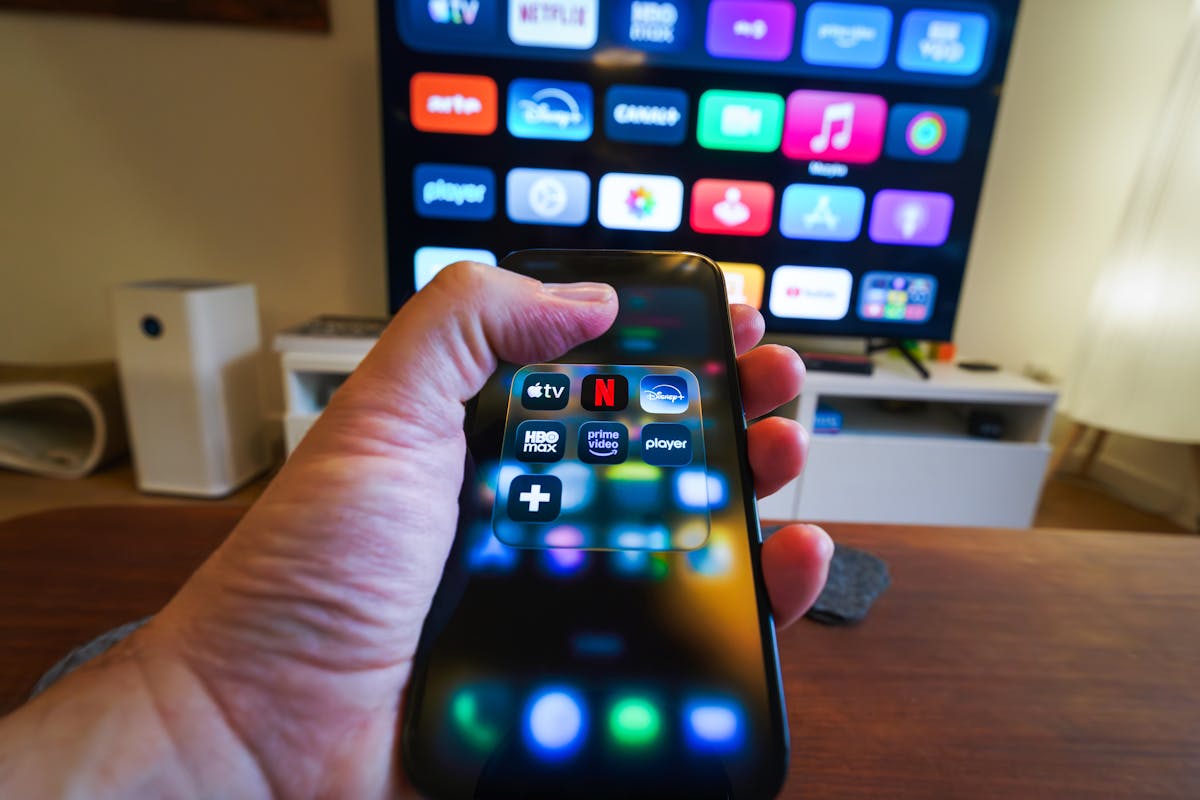
Subscriptions are the modern version of coins falling through a hole in your pocket. Streaming services, fitness apps, cloud storage, meal kits, gaming platforms, premium newsletters, music apps, and forgotten free trials can keep charging long after the excitement fades. Many people do not even notice until they check a statement and see a line of quite a few monthly withdrawals.
The trick is that subscriptions feel painless at sign-up. Ten dollars here. Fifteen dollars there. Maybe one “special offer” that renews at full price later. The damage comes when several of them stack together. A simple fix is to conduct a subscription audit monthly. Cancel what you do not use. Downgrade what you barely use. If a service makes cancellation difficult, that is even more reason to question whether it deserves your money.
Using an outdated budget
A budget that worked last year may be useless now. Rent rises. Groceries change. Kids grow. Insurance renews. Gas prices shift. Work schedules change. Subscriptions multiply. Yet many households keep using the same mental budget long after real life has moved on.
This is where people get blindsided. They think they are being responsible because they “have a budget,” but the numbers no longer match reality. A budget should not be a museum piece. It should move with your life. Review it monthly. Adjust categories. Cut what no longer fits. Give every dollar a current job, not an old assignment from a cheaper season.
Shopping without a grocery plan

The grocery store is where good intentions go to get expensive. You walk in for eggs and toothpaste, then leave with snacks, sauces, frozen meals, flavored drinks, and produce you swear you will use this time. The cart feels reasonable until half the food starts aging in the fridge like a science project.
Food waste is one of the sneakiest budget killers because it feels like normal household chaos. You buy fresh ingredients, forget what you already have at home, overestimate how much you will cook, and then throw money into the trash, one spoiled container at a time. A better plan starts before the store. Check the fridge. Build meals around what you already have. Buy fewer “aspirational vegetables.” Your grocery budget does not need more optimism. It needs a plan.
Wasting energy at home
Heating, cooling, lights, laundry, and appliances can quietly turn into a monthly budget monster. The thermostat runs all day, lights stay on in empty rooms, laundry gets done in tiny loads, and appliances hum along like nobody has to pay for the power. Then the utility bill arrives with an attitude.
Energy costs feel frustrating because they are tied to comfort. Nobody wants to sweat through summer or freeze through winter to save a few dollars. But small adjustments can help. Set the thermostat smarter when you sleep or leave home. Wash full loads. Seal drafts. Turn off what you are not using. A household does not need to live in darkness to save money. It needs to stop wasting comfort on empty rooms.
Treating takeout like backup
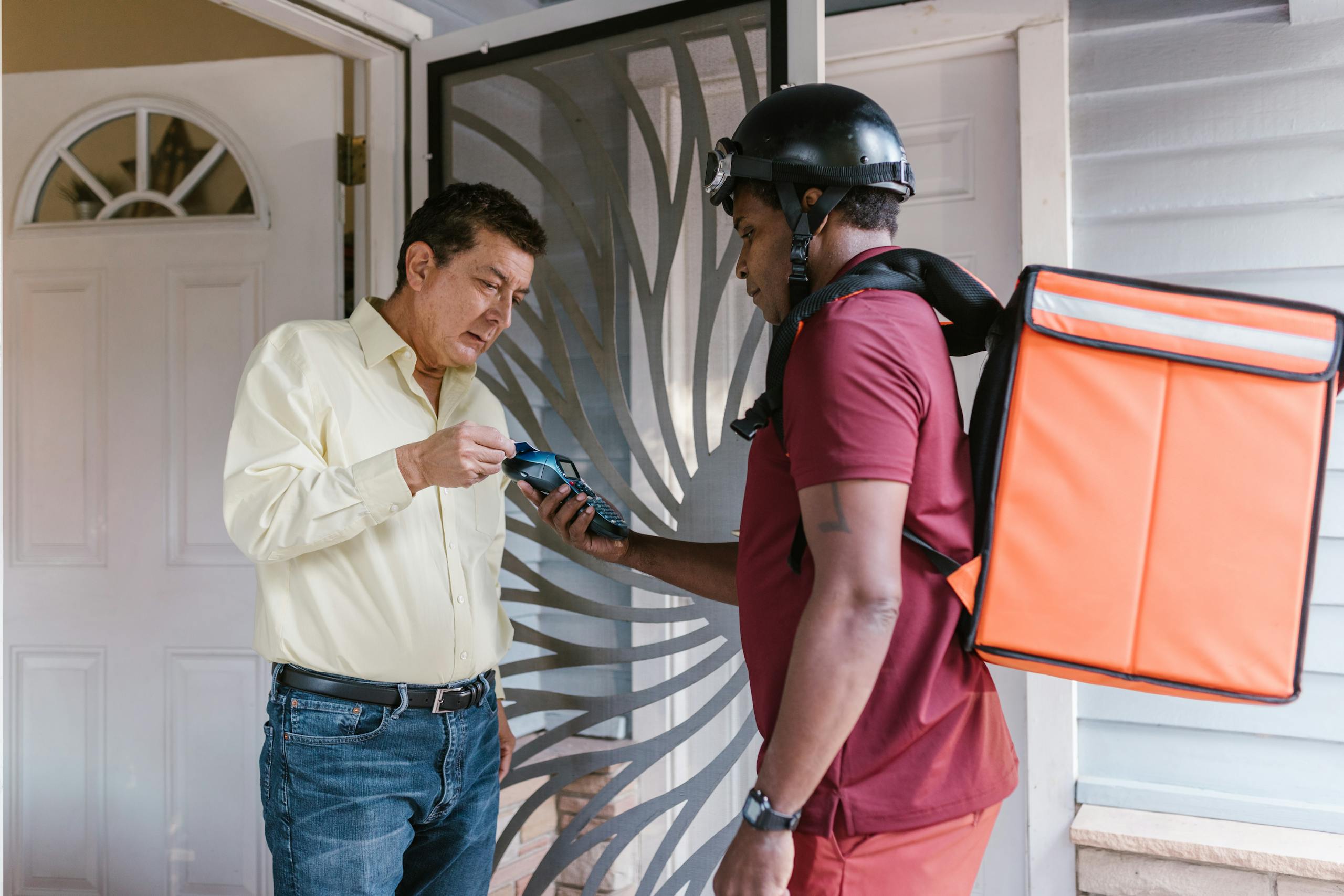
Takeout is not the enemy. Some nights are messy, late, exhausting, and deeply unfriendly to cooking. The problem starts when takeout becomes the default answer to every tired evening. One delivery order can carry menu markups, service fees, delivery fees, tips, and impulse extras before the food even reaches the door.
This habit drains money because it hides behind convenience. You are not just buying dinner. You are buying relief from planning, cooking, cleaning, and decision fatigue. That relief feels good, but it gets expensive fast. A smarter household budget leaves room for takeout on purpose. The key is making it a choice, not an emergency button you press every time the fridge looks boring.
Forgetting to compare bills
Some bills go unnoticed because they appear every month without drama. Insurance, phone plans, internet packages, and cable bundles can quietly grow stale while better options appear elsewhere. Many households keep paying the same provider because switching feels annoying, confusing, or not worth the effort.
That laziness can cost real money. Companies often reserve better deals for new customers while loyal customers sit on old pricing. Review these bills at least twice a year. Ask for discounts. Compare competitors. Remove features you do not use. You do not have to become a full-time bargain hunter. You just need to stop assuming the bill is fair because it is familiar.
Buying cheap things twice

A low price can feel like a win until the item breaks, fades, cracks, tears, leaks, or quits after a few uses. Cheap furniture, flimsy kitchen tools, weak shoes, low-quality chargers, and bargain appliances can cost more over time because they keep demanding replacements. Saving money at checkout is not the same as saving money overall.
This mistake often comes from pressure. When budgets are tight, the cheapest option feels like the only responsible one. Sometimes it is. But for items you use often, quality matters. A durable product that lasts years can beat a cheaper one that fails twice a year. The goal is not to buy luxury. The goal is to stop rebuying the same disappointment.
Keeping no emergency cushion

A household budget without emergency savings is one surprise away from panic. A car repair, dental bill, broken appliance, school expense, medical co-pay, or sudden travel need can force people into credit card debt or rushed borrowing. That is how one unexpected bill becomes a long-term monthly problem.
Building savings can feel impossible when money is already tight. Still, the cushion does not have to start big. Even a small automatic transfer can create breathing room over time. The point is to stop treating emergencies like rare events. They are part of life. A budget that does not account for them is unrealistic. It is just hopeful.
Key takeaway
Most household budget mistakes do not look dramatic at first. They look like convenience, routine, loyalty, comfort, forgetfulness, and small indulgence. That is why they are so easy to miss. A few forgotten subscriptions, wasted groceries, careless utility habits, and credit card balances can quietly drain money before the month even feels halfway over.
The fix is not to live miserably or say no to every pleasure. The fix is to notice the leaks. Cancel what you do not use. Plan groceries better. Limit takeout. Compare recurring bills. Build even a small emergency fund. A strong budget does not make life smaller. It gives your money fewer places to disappear.