Tucson and Minneapolis Mass Shootings Injure 19 People in Crowded Entertainment Areas
A night meant for entertainment and celebration turned into fear and confusion after separate mass shootings in Tucson, Arizona, and Minneapolis, Minnesota, left 19 people injured early Sunday. The incidents happened in busy entertainment districts where people had gathered to enjoy their weekend, only to find themselves caught in sudden violence. Within hours, police officers in both cities were responding to chaotic scenes, helping victims and securing crowded areas.
The shootings hundreds of miles apart highlighted a growing concern for communities across the country: how quickly ordinary public spaces can become dangerous. In both cities, first responders faced urgent situations as they worked to protect crowds, treat injuries, and prevent further harm. As investigations continue, residents are left searching for answers about what caused the violence.
Two Cities, One Night of Violence
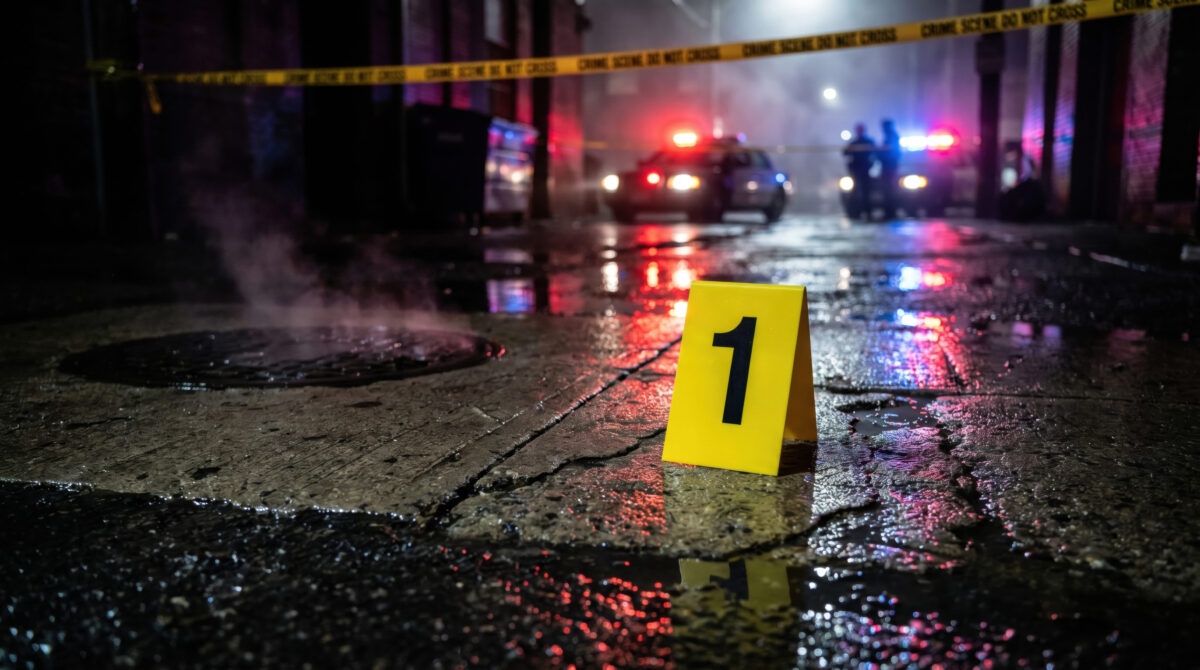
The Tucson and Minneapolis shootings happened separately, but both unfolded in crowded entertainment areas where people expected a normal night out. In Tucson, officers on foot patrol downtown heard gunfire around 2 a.m. and moved toward the scene, while Minneapolis officers responded to reports of shots outside a nightclub in the Uptown district. The incidents showed how quickly a public gathering place can turn into an emergency zone.
The timing of the two shootings created a disturbing night for two communities at once. Police in both cities had to manage large crowds while responding to injured victims and gathering information about what happened. For residents, the events became another reminder that moments of celebration can change in seconds when violence erupts.
Tucson Shooting Leaves Downtown Area in Chaos
The Tucson shooting began when police officers patrolling the downtown area heard gunfire and rushed toward the crowded scene. According to police spokesman Frank Magos, officers encountered a male suspect and repeatedly ordered him to drop his weapon before an officer shot and injured him. The suspect was taken to a hospital with life-threatening injuries while authorities continued investigating.
Police said nine hospitalized victims were adults, with most suffering injuries to their extremities, while another person suffered minor injuries. The shooting left a total of 10 people hurt in Tucson, including the suspect, who was wounded by police. Authorities have not released the suspect’s identity as they continue gathering details about the incident.
Quick Police Response Helped Prevent Further Harm
The first moments after the Tucson shooting became a critical test for officers who were already nearby when gunfire broke out. Their quick movement toward the danger allowed police to confront the suspect and begin helping victims in the crowded area. Emergency crews then worked to stabilize those injured and transport them for medical treatment.
Tucson Mayor Regina Romero praised police officers and firefighters for their response, saying their actions helped protect victims and limit further harm. She described the shooting as a serious and senseless act of gun violence that put innocent people at risk. The mayor also renewed discussions about preventing future incidents and improving public safety.
Minneapolis Nightclub Shooting Injures Nine People
Hours after the Tucson shooting, another burst of violence unfolded outside a nightclub in Minneapolis’ Uptown district. Police said nine adults were injured, including two men who suffered potentially life-threatening injuries. Officers arrived less than a minute after receiving reports of gunfire and found a chaotic scene filled with victims and a large crowd.
Interim Minneapolis Police Chief Bill Peterson called the shooting a brazen act of violence in a crowded entertainment district. He said innocent people were placed in tremendous danger during an incident that disrupted what should have been a normal night out. Investigators are now working to determine what led to the shooting and identify those responsible.
The Critical First Minutes After Gunfire
In both Tucson and Minneapolis, the first minutes after the shootings became a race against time for police officers and emergency responders. Officers had to balance several challenges at once, including finding threats, helping injured people, and controlling frightened crowds. Their actions during those early moments played an important role in preventing additional injuries.
Responding to violence in crowded areas requires quick decisions because large groups of people can make emergency scenes more difficult to manage. Police must secure the area while medical teams work through crowds to reach victims. These situations show why preparation and rapid response are essential during public emergencies.
Why Entertainment Districts Can Become Challenging Emergency Scenes
Entertainment districts are designed to bring people together through restaurants, music, nightlife, and community events. However, those same crowded environments can become difficult locations for emergency responders when violence occurs. Large groups, limited space, and confusion can make it harder for people to understand what is happening and get to safety.
Cities across the country continue developing strategies to improve safety in busy public areas. Increased patrols, emergency planning, and coordination between police and local businesses are often used to prepare for possible threats. The shootings in Tucson and Minneapolis highlight the challenge of protecting places where thousands of people gather every day.
The Human Cost Behind the Numbers
The number 19 represents more than a statistic because each injured person faces a different recovery journey. Some victims may deal with physical injuries, medical treatments, and emotional trauma after experiencing sudden violence. Families and witnesses can also carry the effects of these moments long after the crime scenes disappear.
For many people involved, the night started like any other weekend outing with friends or family. A sudden act of violence changed those plans and created fear in places meant for enjoyment. The impact of these shootings will continue for victims, loved ones, and communities processing what happened.
Communities Search for Answers
Authorities in both cities are continuing investigations to understand how the shootings unfolded. Police are expected to review evidence, speak with witnesses, and examine information that could reveal what led to the violence. Officials have not released full details about possible motives or whether additional suspects are involved.
Meanwhile, residents are trying to make sense of shootings that happened in familiar public spaces. Places where people once gathered for entertainment and social events are now connected with painful memories. Community leaders are focusing on supporting victims while working to understand how similar incidents can be prevented.
A Reminder of How Quickly Normal Moments Can Change
The shootings in Tucson and Minneapolis show how quickly everyday moments can become emergencies. A crowded entertainment district can change from a place of celebration into a scene of fear within seconds. The events have renewed conversations about public safety, emergency response, and protecting communities.
As investigations continue, attention remains on the people injured and the first responders who rushed to help. For the victims and their families, recovery will extend far beyond the immediate aftermath of the shootings. The two cities are now left facing the difficult task of healing while searching for answers.