10 Dangerous Safety Hazards Lurking In Your Home
Your home may seem calm, but risks exist in almost every room. The loose rug in the hallway, the overloaded power strip under the desk, the sizzling pan left on the stove, the cleaning spray under the sink, and the unsecured dresser can all quickly become dangerous.
Stop thinking of danger as only coming from outside. Notice everyday risks, fix them quickly, and check often. Safe homes identify and address problems early.
Home safety hazards rarely announce themselves. Small habits, like ignoring cords or rushing daily tasks, can turn into emergencies. Older adults risk falls, children explore danger, pets chew unsafe items, and adults often overlook what has changed.
Falls From Slippery Floors, Stairs, and Clutter
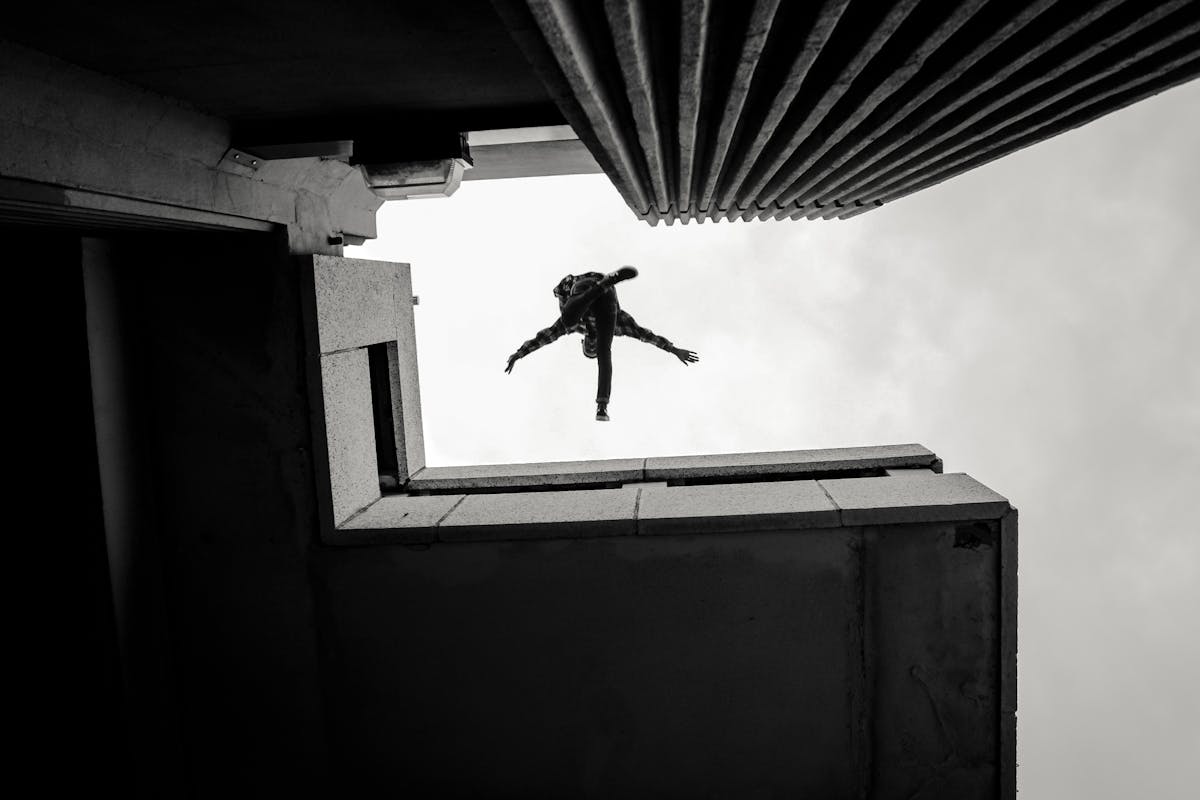
Falls are a major home safety hazard, especially for older adults. Over one in four adults 65+ falls each year, and each fall increases the risk of future falls. Poor lighting, loose rugs, wet tiles, uneven steps, and toys can turn a simple walk into a hospital visit.
Make walkways safety zones. Install strong handrails, add clear lighting, secure the flooring, and remove any loose objects from stairs. Use non-slip mats and grab bars in bathrooms. Keep outdoor steps free of hazards.
Kitchen Fires and Unattended Cooking
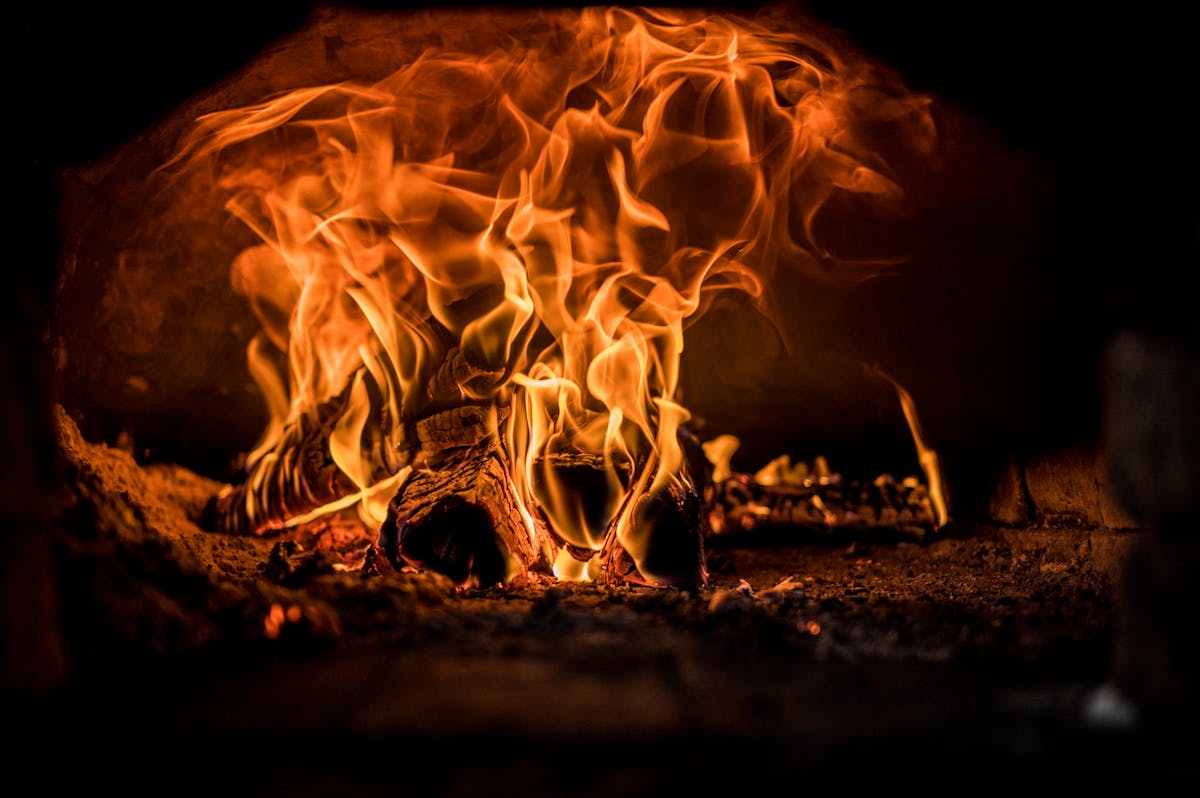
The kitchen is one of the most active rooms in the house, which makes it one of the easiest places for danger to build. Cooking has been the leading cause of reported home fires and home fire injuries in recent U.S. fire data, making stove safety a daily priority rather than a holiday concern.
Never leave cooking unattended. Keep towels, packaging, wooden utensils, curtains, and wrappers away from burners. Install a smoke alarm, keep a fire extinguisher ready, and remember: never use water on grease fires.
Electrical Hazards From Overloaded Outlets and Damaged Cords
Modern homes depend on chargers, televisions, appliances, computers, lamps, and extension cords. That convenience can become a danger. Modern homes rely on many devices and cords. Danger arises when outlets are overloaded, cords fray, or power strips are overused. Warm outlets, flickering lights, burning smells, and frequent breaker trips are warning signs. kitchens, garages, laundry rooms, basements, and outdoor areas need GFCI protection because water and electricity create a serious shock risk. If outlets feel hot or lights flicker often, the safest option is to have a licensed electrical inspection.
Carbon Monoxide Poisoning From Fuel-Burning Appliances
Carbon monoxide is especially dangerous because it is odorless, colorless, and tasteless. It can come from gas furnaces, water heaters, fireplaces, generators, grills, stoves, and vehicles running near attached garages. At high levels, carbon monoxide can kill within minutes, which makes detection essential.
Install carbon monoxide alarms on every floor and near bedrooms. Service fuel-burning appliances yearly. Never use generators or grills indoors or near open windows. Leave immediately if your CO alarm sounds, and call emergency services from outside.
Poisoning From Cleaning Products, Medications, and Detergent Pods

Poisoning risks often sit behind cabinet doors. Medicines, bleach, disinfectants, pesticides, cosmetics, essential oils, laundry products, and dishwasher pods can all harm children, pets, and even adults when stored carelessly. U.S. poison center data show that most reported poison exposures are unintentional, and exposures involving children under 6 are overwhelmingly accidental.
Store medicines and chemicals in locked cabinets. Keep cleaning products in original containers with labels. Treat detergent pods as chemicals, not regular laundry items. Dispose of expired medication through approved take-back programs.
Choking Hazards From Small Objects and Unsafe Foods
Choking hazards are common in homes with young children, but adults can also face choking risks during rushed meals or medical emergencies. Small toy parts, coins, batteries, buttons, beads, pen caps, grapes, nuts, hard candy, popcorn, and hot dogs can quickly block airways. The danger often hides on floors, couch cushions, low tables, and playroom corners.
Inspect toys often. Remove small objects from floors. Choose age-appropriate items for kids. Cut round foods into safe shapes. Supervise mealtimes. Keep button batteries out of reach and handle them with care.
Cuts From Knives, Razors, Tools, and Sharp Household Items
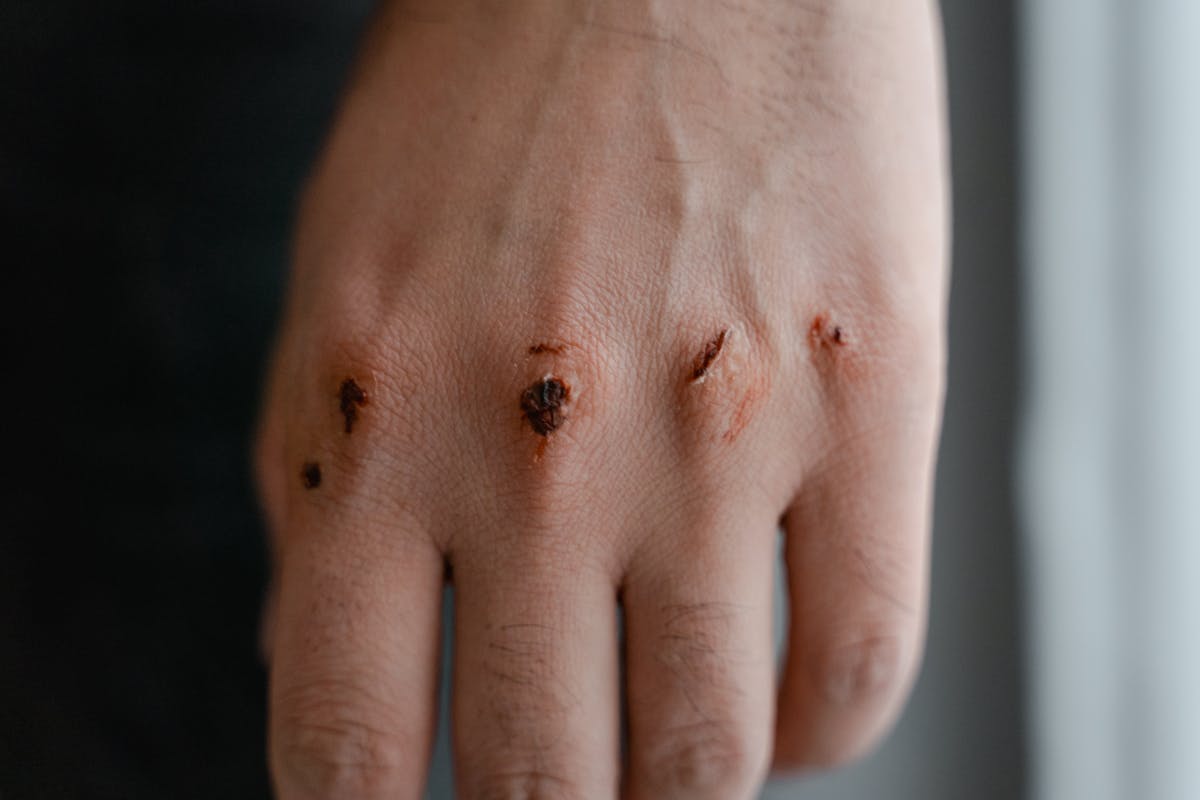
Sharp objects are part of daily life, but poor storage makes them dangerous. Kitchen knives, box cutters, razors, scissors, broken glass, garden shears, saws, and opened cans can cause deep cuts when left within reach or tossed carelessly into drawers and trash bins. Even a dishwasher can become dangerous when sharp utensils are pointed upward.
Store knives in blocks, sheaths, or locked drawers. Put razors and grooming tools in high cabinets. Lock away yard tools after use. Use secure lids for trash bins containing sharp objects.
Drowning Hazards in Pools, Bathtubs, Buckets, and Toilets
Drowning does not only happen at beaches or public pools. For young children, home water hazards can include bathtubs and backyard pools. Drowning does not just occur at beaches. At home, water hazards for children include bathtubs, pools, hot tubs, buckets, toilets, decorative ponds, and bath seats. Close supervision is needed, even after swim lessons. cure covers, and no climbable furniture nearby. Buckets should be emptied after use, toilet lids should stay closed when toddlers are present, and pool toys should be stored away so children are not tempted toward the water.
Burns and Scalds From Hot Water, Steam, and Appliances
Burns can happen in seconds. Hot drinks, boiling water, steam, irons, space heaters, fireplaces, oven doors, and microwaved foods all create risks, especially for children and older adults. The U.S. Consumer Product Safety Commission urges households to set water heaters to 120 degrees Fahrenheit to reduce the risk of scald injuries from tap water.
We should keep hot drinks away from table edges, turn pot handles inward, and create a child-free zone near the stove. Space heaters need open space around them and should never run near curtains, bedding, or furniture. Bath water should be tested before use, and anti-scald devices can provide an additional layer of protection in bathrooms.
Furniture Tip-Overs From Unanchored Dressers, TVs, and Shelving
Heavy furniture can look stable until a child climbs it, pulls a drawer open, or reaches for something on top. Furniture and TV tip-overs injure thousands of people each year, and children account for a large share of those injuries. CPSC data has estimated 17,800 emergency department-treated injuries each year from furniture, TV, and appliance tip-over incidents.
Anchor dressers, bookshelves, wardrobes, TV stands, and large cabinets to the wall. Keep heavy items on lower shelves. Place TVs on sturdy bases or mount them on the wall. Never use drawers as steps. Avoid placing tempting objects on top of tall furniture.
Conclusion
Home safety does not require panic. It requires attention. Most household hazards become easier to control when we stop treating them as background noise and start treating them as fixable risks.
The safest homes are checked often, repaired early, and organized with real people in mind. Children reach, older adults slip, pets chew, guests miss steps, and busy adults forget what they left running. When we plan for those normal human moments, the home becomes what it should be: comfortable, practical, and far less dangerous.