8 Disturbing Truths About Getting Drunk
Getting drunk can look harmless from the outside. A few shots, a loud laugh, a blurry video, and suddenly the night feels like a story everyone will retell later. But alcohol has a way of turning “just one more” into a chain reaction that your body, brain, and reputation may still be paying for the next morning.
The uncomfortable truth is that drunkenness is not just a mood. It changes judgment, coordination, memory, sleep, emotions, and impulse control, often faster than people realize.
That is why a fun night can suddenly become a medical scare, a relationship problem, a financial mistake, or a deeply embarrassing moment that keeps replaying in your mind.
Your Brain Starts Lying to You Before You Notice

One of the first disturbing things about getting drunk is how quickly it makes you feel more confident than you actually are. You may think you are funnier, smoother, braver, or more charming, but your brain is already losing its grip on judgment and self-control. That false confidence is what makes drunk people send reckless texts, start pointless arguments, flirt badly, overshare private information, or believe they can drive when they absolutely cannot.
Alcohol slows the 8’s decision-making system before many people feel “too drunk.” That means you can still be talking, laughing, and standing upright, yet making choices your sober self would instantly reject. The danger is not always that you pass out. Sometimes the danger is that you stay awake long enough to make one terrible decision with full confidence.
Blackouts Are Not the Same as Sleep
A blackout can look confusing from the outside because the person may still be awake, talking, walking, and interacting. But inside the brain, memory recording has started to fail. That means someone can appear present during a party, a date, or a night out, then wake up with missing hours and no clear idea of what they said, did, agreed to, or risked.
That is what makes blackout drinking so disturbing. It is not simply “forgetting” after the fact. It means the brain failed to properly store the memory in the first place. When alcohol reaches that point, the person becomes easier to injure, manipulate, embarrass, or endanger, and the next day often brings panic instead of funny memories.
Drunk Decisions Can Follow You Online
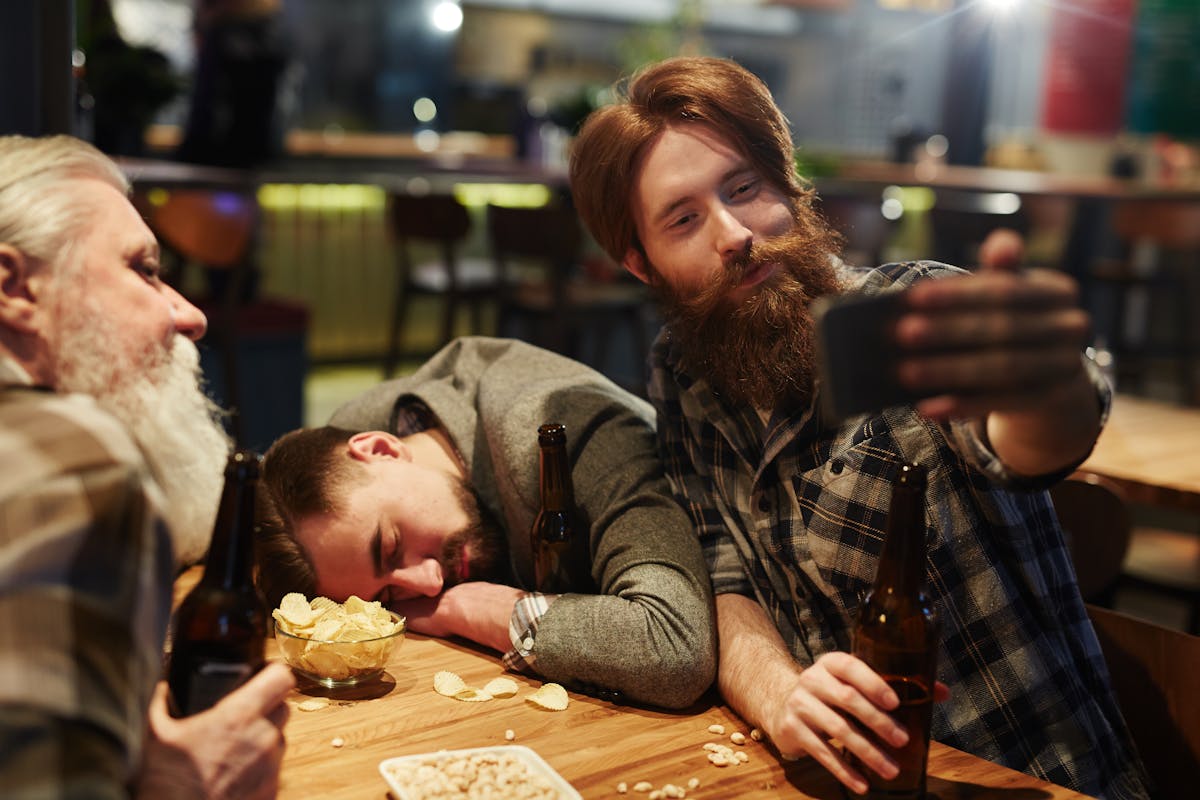
Years ago, a drunk mistake might have stayed inside one room. Now it can live forever on a phone. A slurred rant, a sloppy fall, an aggressive argument, or an ugly comment can be recorded, posted, shared, screenshotted, and saved before the person even sobers up.
This is one of the modern risks people underestimate. Alcohol lowers inhibition at the exact same time smartphones raise the stakes. One messy night can damage a job opportunity, a relationship, a school reputation, or a public image. The internet does not care that you were drunk. It only remembers what was captured.
Your Body Treats Alcohol Like a Toxin
People often talk about alcohol as if it is just a social drink, but your body treats it as something that needs to be broken down and cleared. The liver carries much of that burden. When someone drinks heavily, the body has to prioritize processing alcohol, which can interfere with sleep, hydration, blood sugar balance, and normal recovery.
That is why a hangover can feel like more than tiredness. The headache, nausea, dry mouth, anxiety, stomach upset, and heavy fatigue are signs that your body has been pushed out of balance. Even if the night felt glamorous, the next morning can feel like your organs filed a complaint.
Alcohol Can Turn Small Emotions Into Big Problems
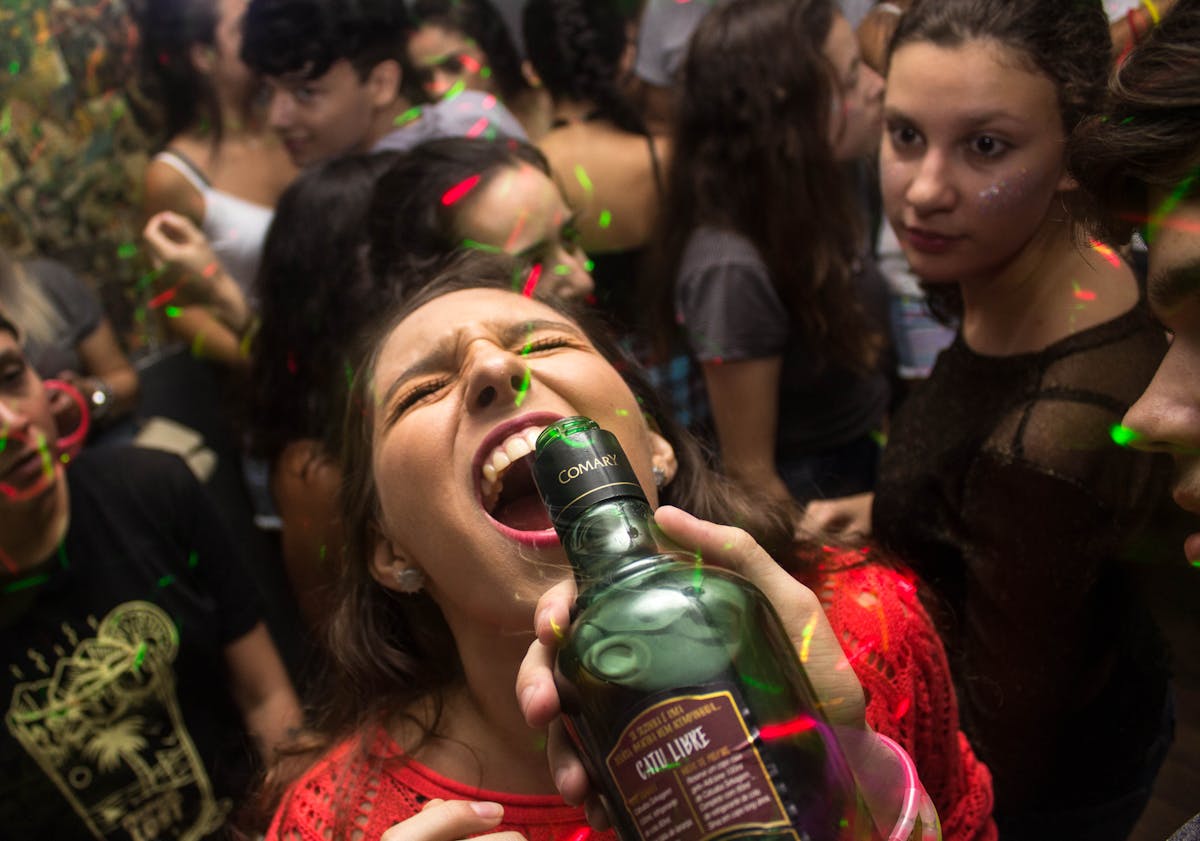
Getting drunk does not create a brand-new personality, but it can exaggerate what is already there. Stress becomes drama. Jealousy becomes accusation. Sadness becomes a midnight breakdown. Anger turns into a fight over something almost meaningless.
This is why some people regret what they say when drunk more than what they do. Alcohol makes emotions louder and self-control weaker, which is a dangerous combination. A person may wake up and say, “I didn’t mean it,” but the person who heard it may still remember every word.
The Sleep You Get After Drinking is Often Fake Rest
A lot of people drink because they think it helps them sleep. Alcohol may make someone fall asleep faster, but that does not mean the sleep is good. The body still has to process the alcohol through the night, and that can disturb deep rest, increase bathroom trips, worsen snoring, and make the second half of sleep lighter and more broken.
That is why someone can sleep for eight hours after drinking and still wake up exhausted. The body was not peacefully restoring itself. It was working through a chemical disruption. Over time, using alcohol as a sleep aid can create a rough cycle where a person drinks to relax, sleeps poorly, wakes up drained, and reaches for another drink the next night to shut down again.
One Drunk Night Can Become a Safety Risk Fast

The scariest part of getting drunk is how quickly ordinary places become dangerous. Stairs, roads, balconies, swimming pools, kitchens, and rideshares all carry greater risk when coordination breaks down and reaction time slows. A person who would normally be careful can trip, fall, choke, wander away, get into the wrong car, or underestimate a dangerous situation.
This is also why drinking heavily around strangers or in unfamiliar places can become risky. Alcohol makes people less alert to warning signs and less able to defend their boundaries. A fun night should not require a recovery plan, a search party, or a police report, but heavy drinking can turn that possibility real fast than people expect.
The “Funny Story” Can Hide a Bigger Pattern
One messy, drunk night can be brushed off as a mistake. Two or three can still be explained away as stress, celebration, or bad timing. But when the same pattern keeps repeating, it may be a sign that alcohol is starting to take more than it gives. The lost mornings, apology texts, broken promises, and money spent can quietly become part of someone’s routine.
That is the final disturbing truth. Getting drunk can be sold as freedom, but repeated loss of control is the opposite of freedom. If drinking keeps creating fear, shame, conflict, or consequences, the issue is no longer just the alcohol in the glass. It is the life that keeps getting interrupted by it.
Conclusion
Getting drunk may feel temporary, but its effects can outlast the night. It can distort judgment, erase memories, damage relationships, weaken safety, wreck sleep, and turn private mistakes into public problems. The smartest question is not always “Can I handle another drink?” Sometimes it is, “Will I still respect this version of myself tomorrow?”