10 Health Myths Millions Still Believe
Health myths have a funny way of surviving longer than bad hairstyles, old diet books, and questionable advice from that one uncle who thinks ginger fixes everything. Some myths sound wise because they have been repeated for years. Others feel believable because they come wrapped in fear, tradition, or a confident social media post with dramatic music.
The problem is that health myths do not stay harmless forever. They can make people waste money, avoid helpful care, fear normal foods, misuse medicine, or punish their bodies in the name of wellness. Here are 10 health myths millions still believe, and why it may be time to finally let them retire.
You Need Exactly Eight Glasses of Water Every Day

The eight-glasses-a-day rule sounds clean, simple, and easy to remember, which is probably why it became so popular. The truth is that hydration needs vary from person to person. Your body size, activity level, climate, health condition, diet, and how much you sweat all matter.
You also get fluids from foods such as tea, coffee, fruits, soups, and vegetables. A person working outside in hot weather may need much more water than someone sitting in an air-conditioned office. The better rule is to watch your thirst, urine color, energy, and environment, rather than treating eight glasses as a law carved in stone.
Antibiotics Help With Colds and Flu
This myth has caused real trouble. Many people still expect antibiotics for a cold, sore throat, flu, or runny nose. Antibiotics fight bacteria, not viruses. Most colds and flu-like illnesses are caused by viruses, so antibiotics usually do nothing to help them.
Taking antibiotics when they are not needed can cause side effects and may also contribute to antibiotic resistance. That means bacteria can become harder to treat later. Rest, fluids, fever control, and medical advice when symptoms get serious usually matter more than demanding pills that were never designed for that type of infection.
Detox Teas and Cleanses Remove Toxins
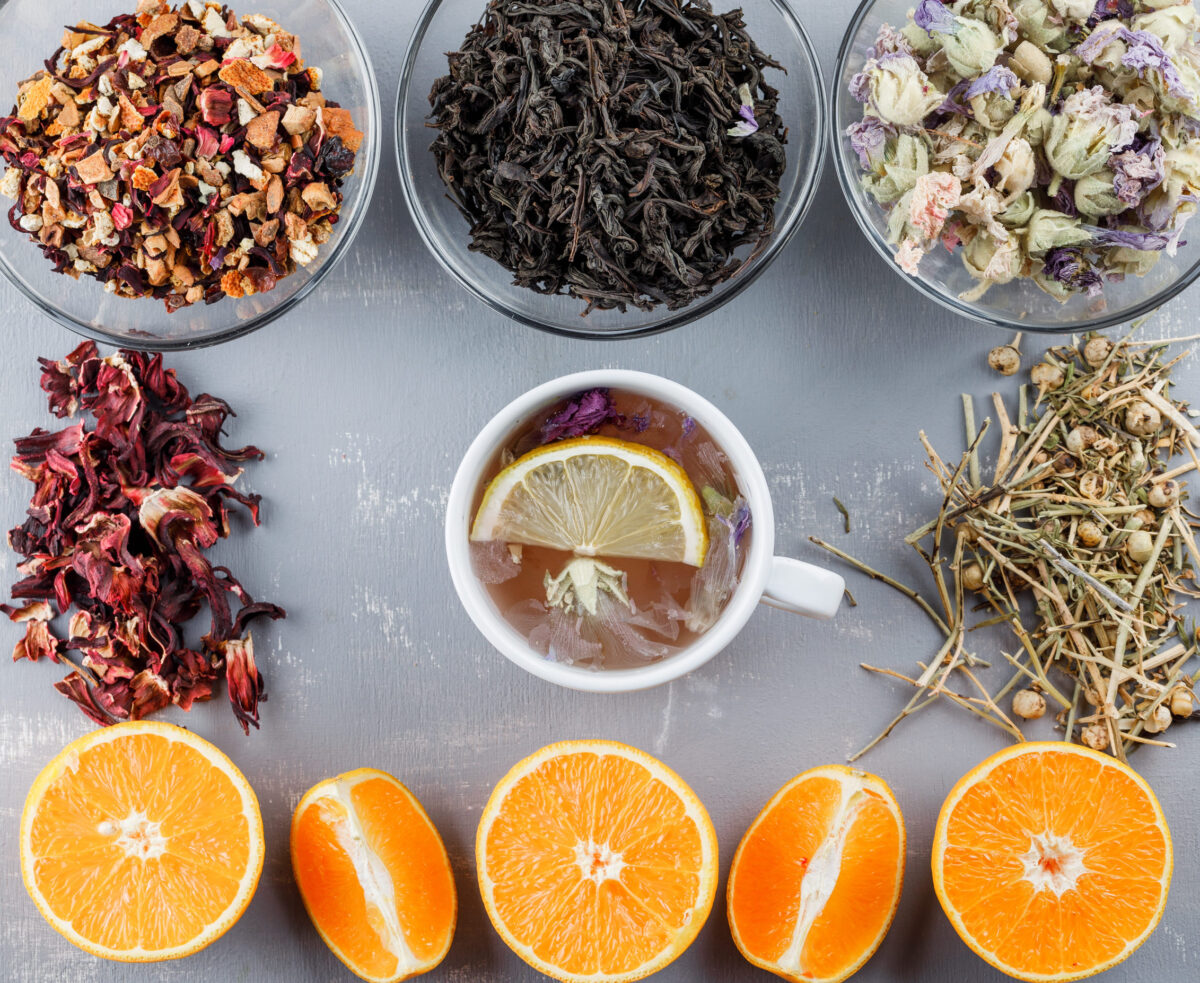
The word detox sounds powerful, almost magical. It makes people imagine toxins leaving the body like dirt being scrubbed off a floor. But your body already has a detox system that works every day through your liver, kidneys, lungs, digestive system, and skin.
Many detox teas and cleanses mostly cause water loss, bathroom urgency, or temporary calorie restriction. That may make the scale drop for a moment, but it does not mean fat disappeared or toxins vanished. Some products can even be risky, especially if they contain hidden ingredients, laxatives, or strong herbs. Real health comes from consistent habits, not a panic cleanse after a heavy weekend.
Carbs Are Always Bad for You
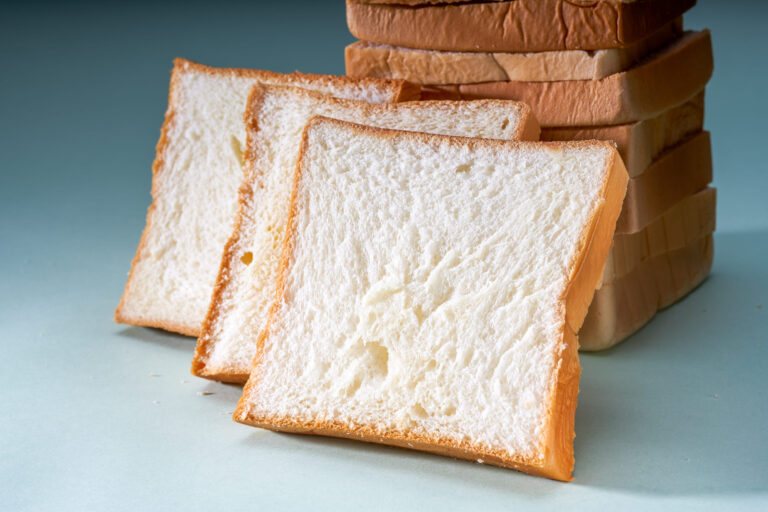
Carbs became the villain of modern dieting, but the truth is more layered. Carbohydrates include sugar, starch, and fiber. A doughnut and a bowl of beans are both carb-containing foods, but they do very different things in the body.
The real issue is the quality and amount of carbs. Whole grains, fruits, vegetables, beans, and high-fiber foods can support energy, digestion, and overall nutrition. Sugary drinks, pastries, and highly processed snacks are the carbs people should limit more often. Cutting all carbs can make healthy eating feel miserable and may push people away from foods their bodies actually need.
Eating Fat Makes You Fat
For years, people were told fat was the enemy. Grocery shelves are filled with low-fat snacks that often replace fat with sugar, refined starch, or extra calories. The myth made people fear avocados, nuts, olive oil, eggs, and other foods that can fit into a healthy diet.
Body weight depends more on overall calorie balance, food quality, activity, sleep, stress, hormones, and long-term habits. Healthy fats can help you feel full and support important body functions. The smarter approach is to limit trans fats and reduce excessive saturated fat intake, while choosing healthier unsaturated fats from foods like fish, seeds, nuts, and plant oils.
The Flu Shot Can Give You the Flu
This myth refuses to die, especially during flu season. Some people feel tired, sore, or slightly feverish after a flu shot and assume they caught the flu from it. That reaction can happen because the immune system is responding, not because the vaccine gave them influenza.
Flu shots do not contain a virus that can cause flu illness. People can still catch another respiratory virus around the same time, or they may be exposed to flu before the vaccine has had time to work. The timing can create confusion, but the flu shot itself is not the villain.
Natural Always Means Safe
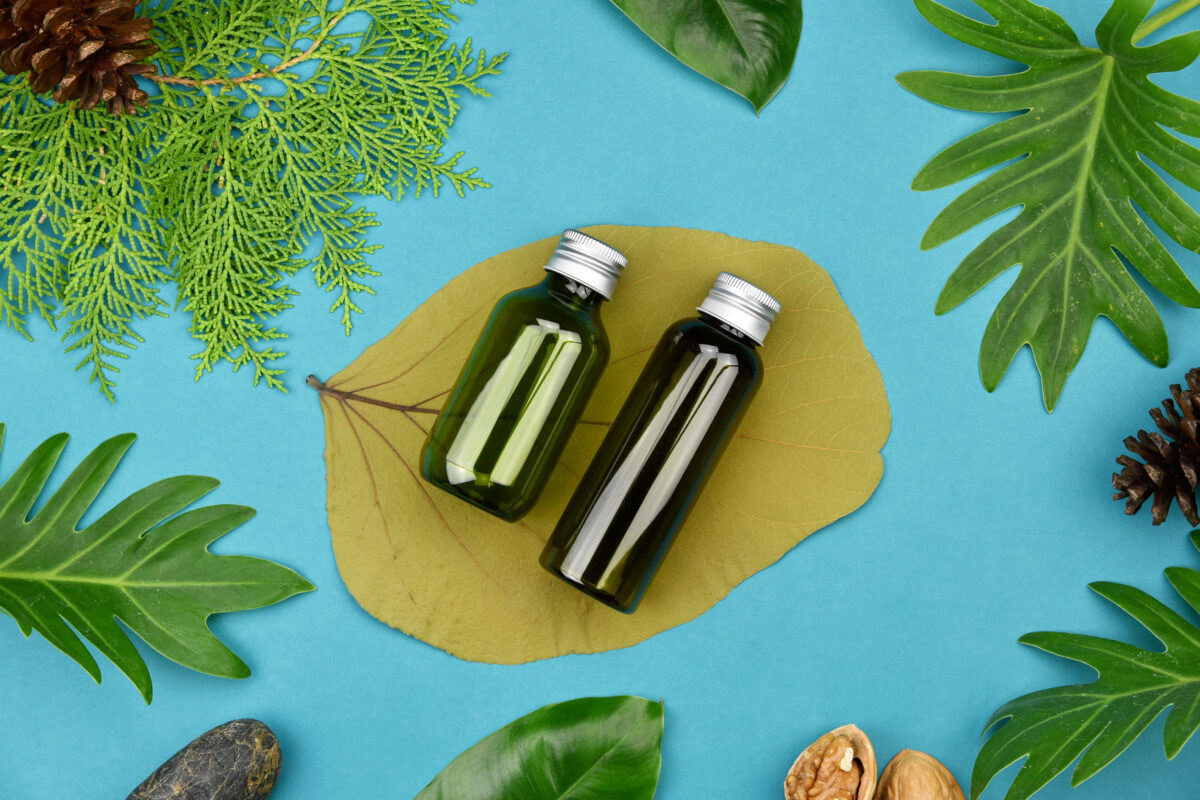
Natural sounds gentle, pure, and harmless. That is why supplement bottles, herbal teas, and wellness products love the word so much. But nature also gives us poison ivy, toxic mushrooms, and plants that can damage the liver. Natural does not automatically mean safe.
Some supplements can interact with medications, affect blood pressure, thin the blood, strain the liver, or cause problems when taken in high doses. This is especially important for pregnant people, older adults, people with chronic illness, and anyone taking prescription medicine. A product can come from a plant and still deserve serious caution.
Sweating Flushes Toxins Out of Your Body
Sweating can feel cleansing because it leaves you drenched and dramatic, like your body just survived a movie scene. But sweat is mostly water and salts. Its main job is to cool you down, not to remove toxins from your bloodstream.
Your liver and kidneys do the heavy lifting in processing and removing waste. Saunas, hot yoga, and hard workouts may support relaxation, fitness, or circulation for some people, but they are not magical toxin exits. Sweating too much without replacing fluids can even leave you dehydrated, dizzy, or weak.
Cracking Your Knuckles Causes Arthritis
This one has scared children, annoyed parents, and haunted noisy fingers for generations. The cracking sound may be irritating, but it is not strong proof that your joints are being destroyed. Research has not found a reliable link between regular knuckle cracking and arthritis.
That does not mean you should twist your fingers like you are opening a stubborn jar. Pain, swelling, weakness, or reduced movement should be checked. But ordinary knuckle cracking is mostly a sound issue, not a guaranteed path to ruined hands. The people around you may still beg you to stop, though, and honestly, they have a point.
Microwaving Food Destroys All the Nutrients
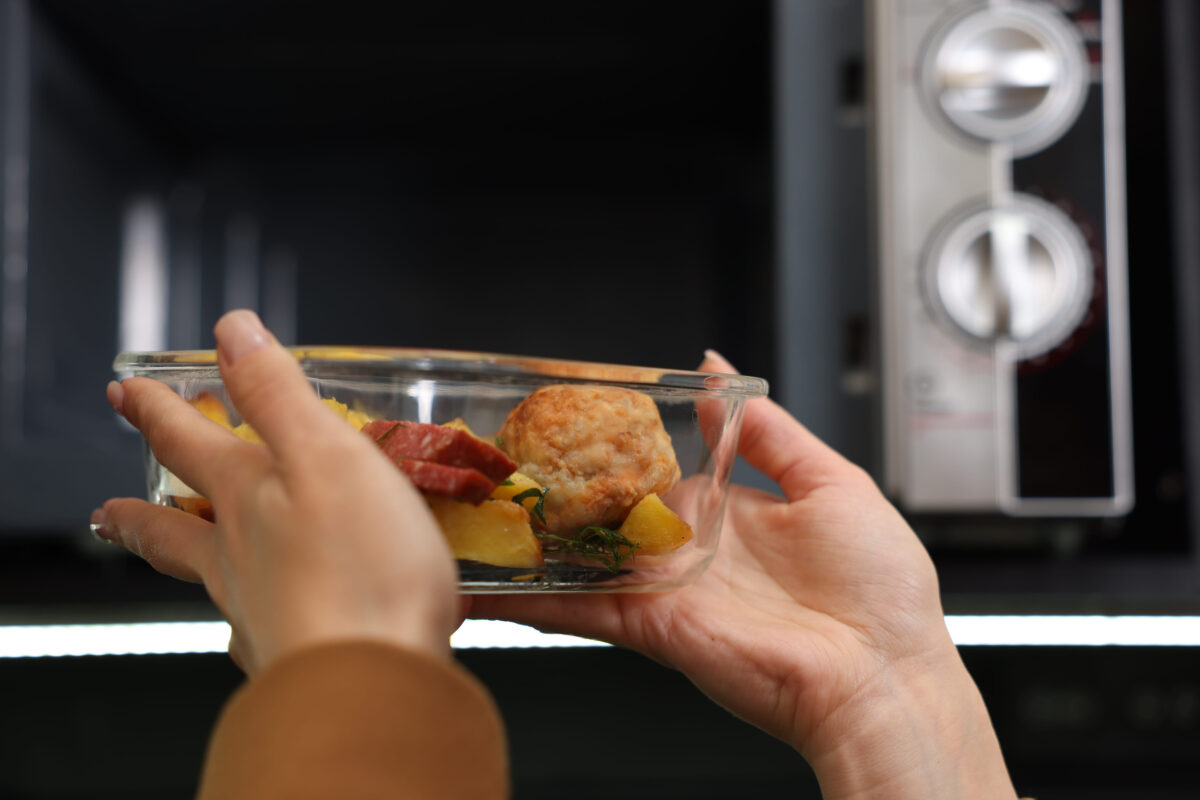
Microwaves are often treated like tiny science-fiction machines that ruin food from the inside. In reality, nutrient loss happens with many cooking methods, especially when food is exposed to high heat, too much water, or long cooking times. Boiling vegetables for too long can remove more nutrients than microwaving them briefly.
Microwaving can actually help preserve some nutrients because it often cooks food quickly and uses less water. The bigger concern is using microwave-safe containers and avoiding plastic that is not meant for heating. The microwave is not automatically unhealthy. It is a tool, and like most tools, the result depends on how you use it.
Conclusion
Health myths spread because they sound simple, emotional, and easy to repeat. They give people quick rules in a world where real health often requires patience, context, and boring consistency. But simple advice is not always smart advice, especially when it pushes fear instead of facts.
The best health choices usually come from balance. Drink enough water for your body, use medicine properly, eat real food most of the time, question miracle products, and treat social media health advice with a raised eyebrow. Your body does not need punishment, panic, or trendy myths to function well. It needs care, common sense, and the courage to stop believing everything just because millions of people still say it.