13 Foods You Can Eat Abroad That America Still Blocks
Some foods feel completely normal once we leave the United States. A chocolate egg in Europe, a seafood dish in Japan, a cheese in France, or a fruit in Jamaica can look harmless on a plate, yet turn complicated the moment it reaches a U.S. airport, grocery shelf, or restaurant menu. That is where food culture meets food law, and the result can be surprisingly strict.
We are not talking about foods Americans simply dislike. We are talking about foods that fall under U.S. rules on safety, animal disease, wildlife protection, public health, or labeling laws. Some are banned outright, some are restricted at the border, and some only survive in America after the recipe changes.
Traditional Scottish Haggis Still Has a Lung Problem
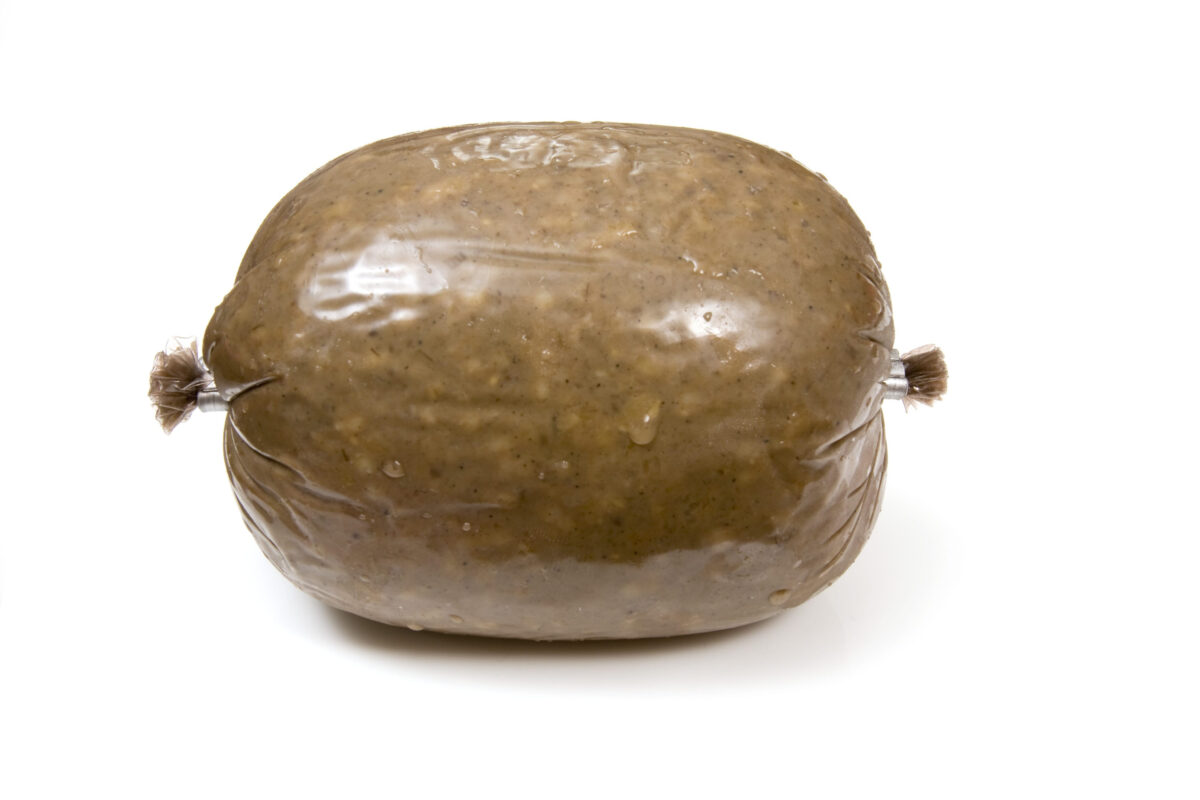
Haggis may be Scotland’s most famous comfort food, but the traditional version has a major issue in the United States. Classic haggis often includes sheep’s lungs, oats, onions, suet, spices, and other sheep organs. In Scotland, this dish is part of the national identity, especially during Burns Night dinners.
In America, livestock lungs cannot be used for human food, so traditional haggis cannot be sold in its original form. That is why U.S. versions are usually adjusted with legal ingredients. We may still see something called haggis at Scottish festivals or specialty shops, but it is usually a modified version rather than the old recipe.
Old-Style Sassafras Tea Is Not the Root Beer America Drinks Now
Sassafras once played a major role in traditional American drinks, especially early root beer and herbal teas. The plant has a warm, spicy, rooty flavor that helped shape the nostalgic taste many people still connect with old-fashioned soda shops.
The issue is safrole, a natural compound found in sassafras oil. U.S. rules prohibit safrole as a food substance, which changed how root beer and sassafras-flavored products are made. Modern root beer usually uses artificial flavoring or safrole-free extracts. We still get the memory of sassafras, but not the old ingredient in its original form.
Fresh Ackee Can Be Risky Before It Ripens
Ackee is a treasured Jamaican fruit, especially in ackee and saltfish, one of the Caribbean’s most iconic dishes. When properly ripened and prepared, ackee has a creamy texture and mild flavor that makes it feel almost like scrambled eggs. In Jamaica, people know how to handle it because the fruit has been part of the food culture for generations.
The U.S. treats ackee carefully because unripe or poorly processed ackee can contain dangerous levels of a toxin called hypoglycin A. That does not mean all ackee is banned. Approved canned or processed ackee can be sold in America, but fresh ackee is much harder to bring in. We can enjoy it freely in Jamaica, but the U.S. wants strict processing controls before it reaches American plates.
Fugu Is Too Dangerous for Casual Dining
Fugu, also called pufferfish, has one of the scariest reputations in world cuisine. In Japan, trained chefs prepare it with precision because parts of the fish can contain tetrodotoxin, a toxin that can be deadly in tiny amounts. The appeal of fugu is partly its danger, partly its tradition, and partly the skill required to serve it safely.
In the United States, fugu is not treated like ordinary seafood. It can only enter under very limited approved conditions, and unapproved pufferfish products may be detained. We may see fugu as a daring travel experience in Japan, but in America, regulators see it as a food that can be fatal if one step goes wrong.
Kinder Surprise Eggs Hide the Wrong Kind of Surprise
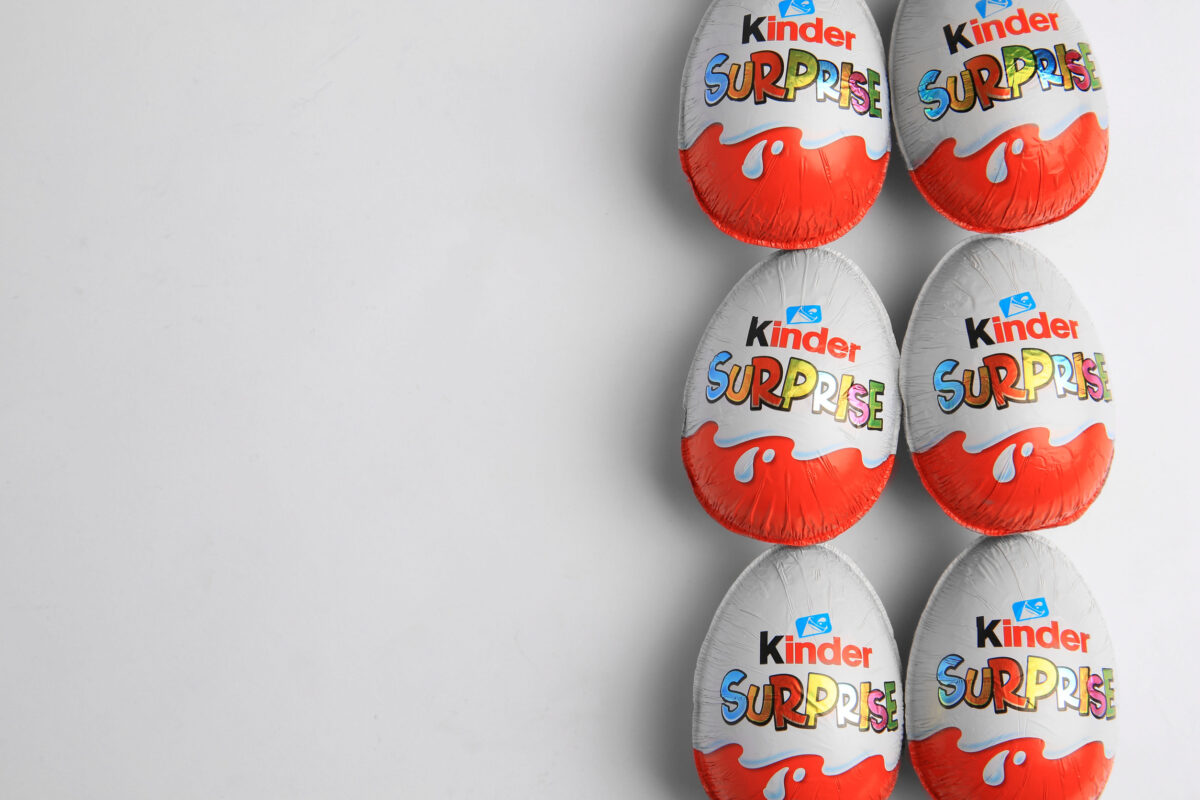
Kinder Surprise eggs are common in many countries, especially across Europe. They look innocent enough: a chocolate shell with a small toy capsule inside. For many people abroad, they are a childhood treat, a holiday candy, or a small grocery-store impulse buy.
The U.S. problem is the toy hidden inside the food. American rules have long been strict about non-edible objects embedded in edible products, especially when small children may choke on them. Kinder Joy, which separates the toy and candy, is available in the U.S., but the original Kinder Surprise egg remains a problem. We can buy it easily abroad, but it may not make it past the border.
Young Raw-Milk Cheeses Face American Safety Rules
In France, Italy, Spain, and other parts of Europe, raw-milk cheese can be a thing of beauty. These cheeses often taste deeper, earthier, sharper, and more alive than pasteurized versions. Local cheesemakers may treat raw milk as the soul of the cheese because it carries the flavor of the animal, the farm, and the region.
The U.S. allows some raw-milk cheeses, but young raw-milk cheeses face strict limits. Raw-milk cheese must meet aging rules before it can be sold across normal legal channels. That means a soft, young, raw-milk cheese from a small European market may be unforgettable abroad, yet blocked or altered before it reaches an American cheese counter.
Casu Marzu Is Too Alive for U.S. Grocery Shelves
Casu marzu is a Sardinian cheese famous for one uncomfortable detail: it contains live insect larvae. The larvae help break down the cheese, creating a soft, intense, fermented texture. To some adventurous eaters, it is a rare cultural delicacy. To others, it sounds like the start of a food safety nightmare.
This cheese would struggle badly in the American food system. A product containing live larvae raises obvious sanitation and safety concerns. Casu marzu is not a normal supermarket product even in Italy, so it is even less likely to appear legally in the United States. We may hear about it in travel stories, but we should not expect to see it beside cheddar and mozzarella.
Bushmeat Is Blocked for Serious Health Reasons
Bushmeat refers to meat from wild animals such as bats, monkeys, rodents, and other wildlife. In some parts of the world, it is tied to rural food systems, survival, local markets, or tradition. The problem is that bushmeat can carry diseases that move from animals to humans.
The United States does not treat bushmeat as an exotic snack. It treats it as a public health risk. Bringing bushmeat into the country is illegal, and it can be seized and destroyed at the border. We may see it sold in markets abroad, but once it heads toward the U.S., it becomes a serious customs and disease-control issue.
Shark Fin Soup Has Been Pushed Out by Conservation Rules
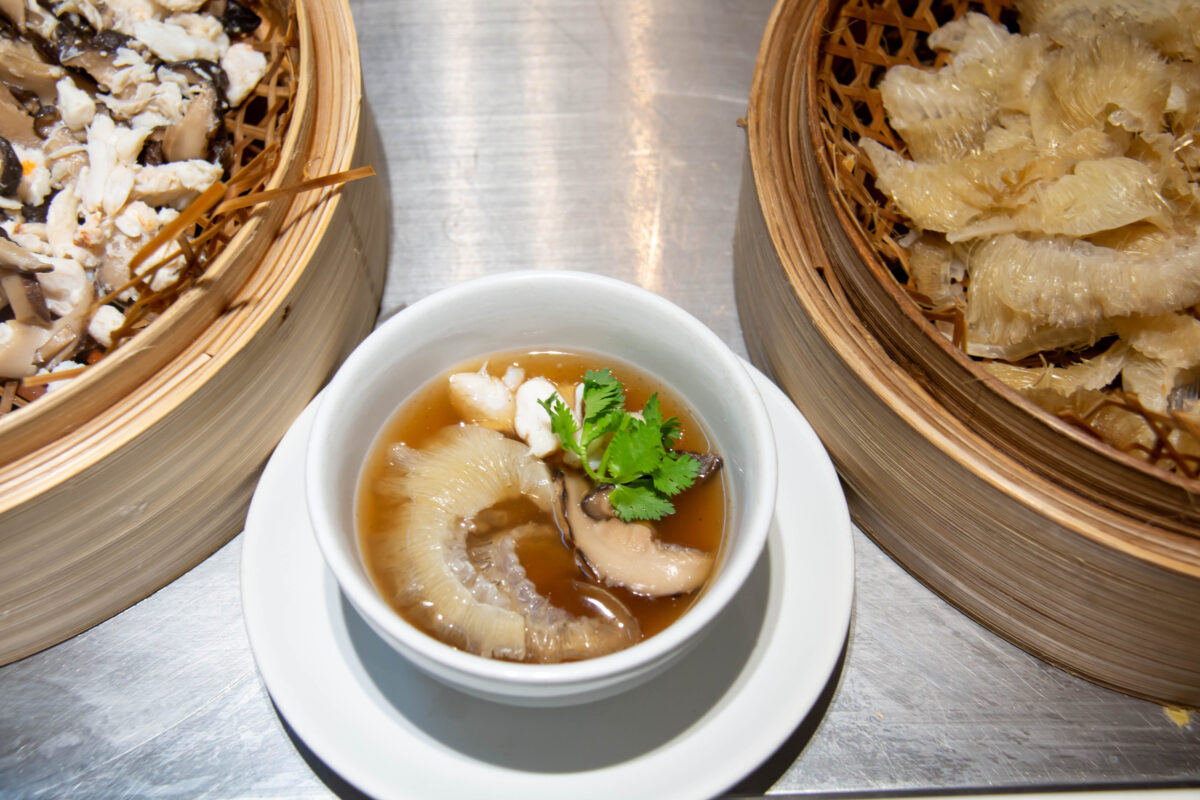
Shark fin soup has long been associated with luxury banquets in some parts of Asia. It has carried meanings tied to wealth, celebration, and status. The issue is that the shark fin trade has been heavily criticized because of shark finning and the pressure it puts on shark populations.
In the United States, the sale of detached shark fins is heavily restricted under federal law. This has made shark fin soup much harder to sell legally in the American market. We may still encounter the dish in countries where it remains available, but in the U.S., conservation concerns now outweigh its old luxury image.
Wild Beluga Caviar Comes With Endangered Species Baggage
Beluga caviar has one of the most luxurious reputations in the food world. The eggs of the beluga sturgeon are prized for their size, texture, and rich flavor. For decades, this caviar has been featured in the world of expensive hotels, fine dining, and high-status celebrations.
The problem is that wild beluga sturgeon populations have faced serious pressure from overfishing and illegal trade. The U.S. has restricted imports of beluga sturgeon caviar and meat from affected sources because the species needs protection. Legal caviar can still exist in America, especially from approved or farmed sources, but wild beluga caviar is not something travelers can casually bring home.
Horse Meat Is Normal Elsewhere but Awkward in America
Horse meat is eaten in several countries, including France, Belgium, Japan, Kazakhstan, Mexico, and parts of Canada. It may appear as steak, sausage, tartare, or stew. In those food cultures, it is not always treated as shocking.
In the United States, horse meat sits in a legal and cultural gray area. Many Americans see horses as companions, work animals, sport animals, or symbols of freedom, not dinner. The bigger legal barrier is inspection. Without federal inspection for horse slaughter intended for human food, horse meat is effectively absent from normal U.S. restaurants and grocery stores. We can find it abroad, but America has never embraced it as regular meat.
Foie Gras Is a Luxury Food With a California Problem
Foie gras is made from the enlarged liver of ducks or geese, traditionally through force-feeding. In French cuisine, it is treated as a rich, elegant delicacy. It can appear as a terrine, pâté, mousse, or seared slice in fine-dining restaurants.
In the U.S., foie gras rules vary by state. California has a major restriction on products made by force-feeding birds to enlarge their livers. That means foie gras may appear in one American state but create legal trouble in another. This is one of the clearest examples of a food restricted because of animal welfare concerns rather than simple food poisoning risk.
Tonka Beans Smell Beautiful but Break U.S. Food Rules
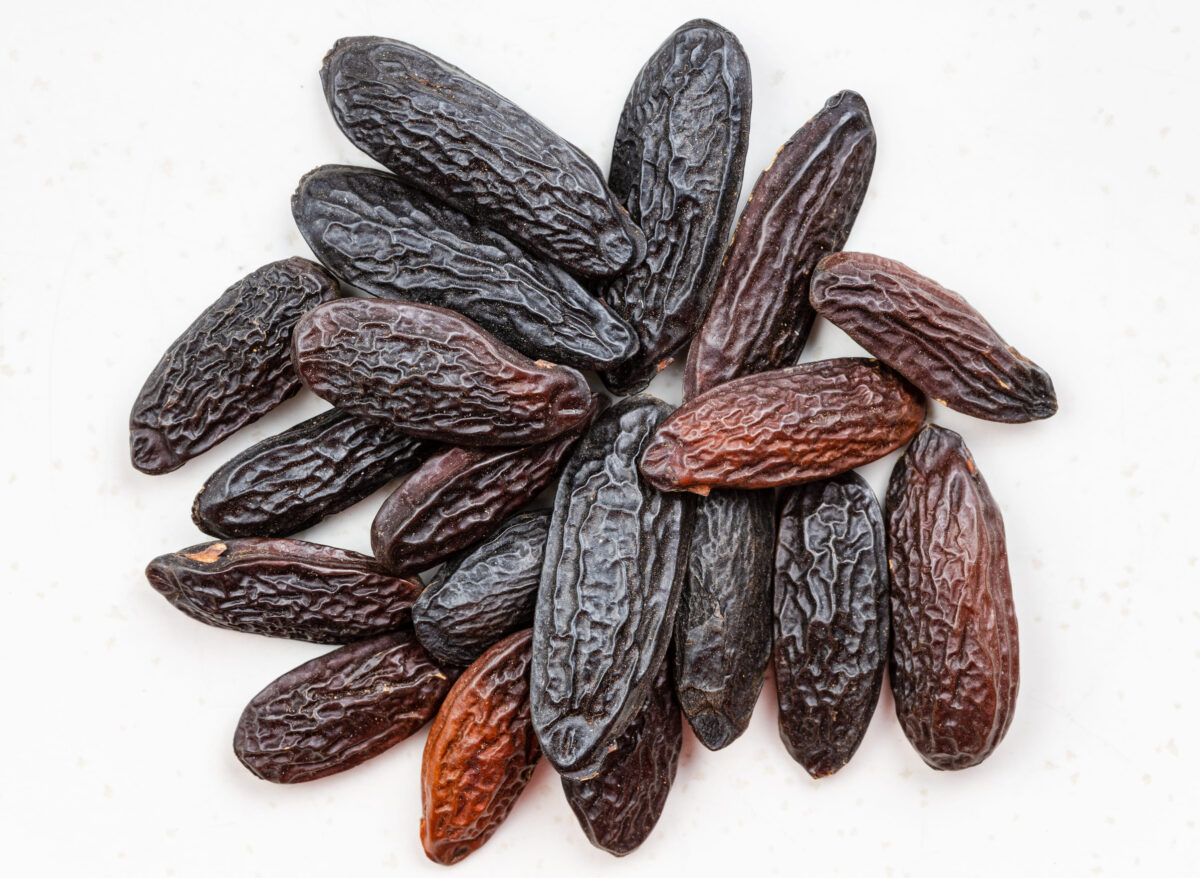
Tonka beans are loved by many chefs for their warm, sweet fragrance. Their aroma can remind people of vanilla, almond, cinnamon, cherry, and fresh hay all at once. In parts of Europe and Latin America, they may appear in desserts, custards, ice creams, and chocolate creations.
The United States restricts the use of tonka beans in food because they contain coumarin. Coumarin gives tonka its signature scent, but U.S. food rules treat added coumarin, including from tonka beans or tonka extract, as a problem. That makes tonka one of the strangest banned ingredients, because it doesn’t look dangerous or dramatic. It simply smells elegant and gets stopped by chemistry.
Conclusion
The foods America blocks are not always strange, unsafe, or unwanted everywhere else. Many of them are beloved cultural foods with long histories. The difference is that the United States filters food through its own rules on toxins, inspections, animal disease, endangered species, choking hazards, and animal welfare.
That is why a food can feel ordinary in Scotland, Jamaica, Japan, France, Italy, or China, then become difficult or impossible to sell in America. Travel opens the plate. The border narrows it again.