12 Reasons Eating Only a Banana for Breakfast Can Backfire
Bananas look like the perfect breakfast hero. They are cheap, sweet, easy to carry, and ready to eat before the coffee even starts working. For busy mornings, that yellow peel can feel like a tiny act of discipline, especially when the other options are doughnuts, sugary cereal, or a drive-thru sandwich wrapped in regret.
Still, the banana is not the problem. The problem starts when we treat one banana like a full breakfast. It gives us quick energy, natural sugar, fiber, potassium, and vitamin B6, but it does not bring enough protein or healthy fat to keep most people full for long. That is where a smart choice can quietly turn into a morning crash.
A Banana Alone Is More of a Snack Than Breakfast
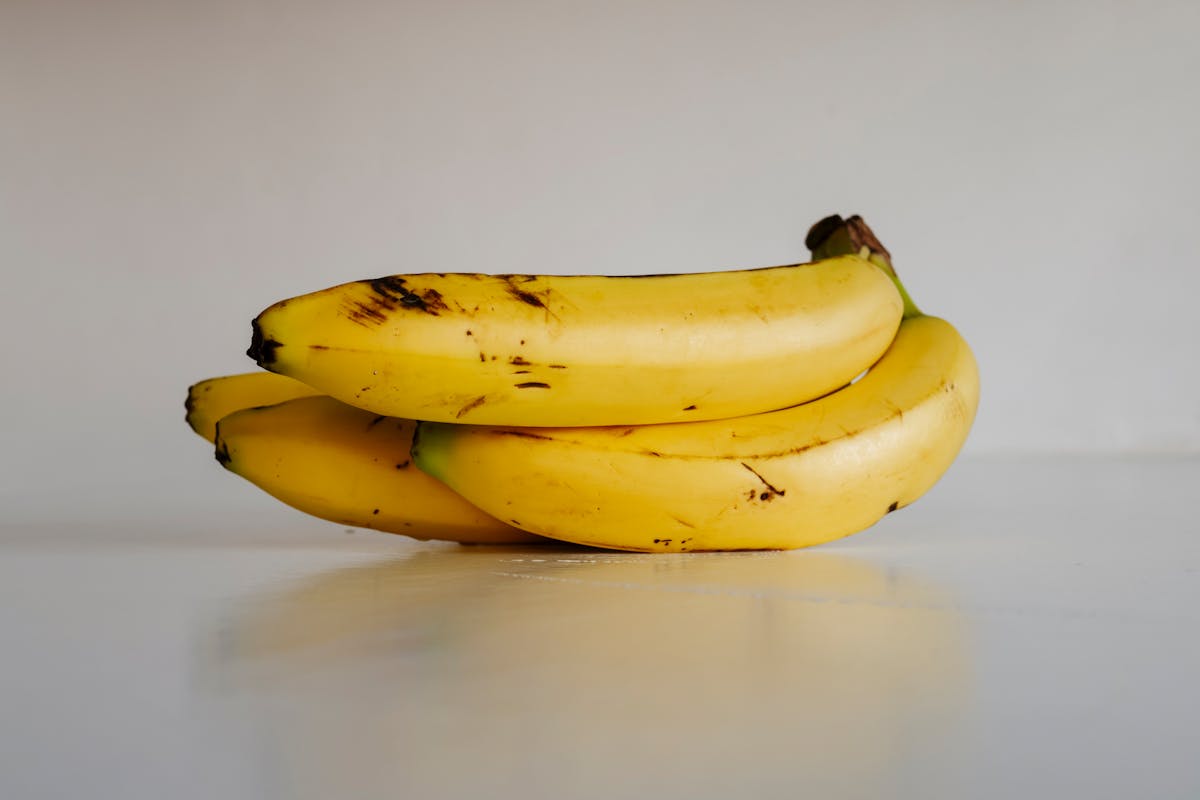
A banana can be a healthy food, but it is not a complete breakfast on its own. A medium banana gives carbohydrates, fiber, and potassium, but it brings very little protein and almost no fat. That matters because breakfast has to do more than stop hunger for a few minutes.
When we eat only a banana, we may feel fine at first because the banana’s natural sugar enters the bloodstream and provides quick energy. The problem is what happens later. Without protein, fat, or a stronger fiber base, hunger can return quickly. That is why a banana-only breakfast often feels clean at 7 a.m. and useless by 10 a.m.
It Can Cause a quick energy rise, then a Drop
Bananas contain natural sugar, which still provides the body with glucose. That glucose can be helpful when we need fast fuel, especially before exercise or a busy morning. But fast fuel is not the same as steady fuel.
When a banana is eaten alone, there is little in the meal to slow digestion. Some people may feel a quick lift, then a dip in focus, mood, or energy. That dip can make coffee, biscuits, pastries, or sweet snacks look much more tempting. The banana did its job, but it was asked to carry the whole morning on its own.
It Does Not Have Enough Protein to Keep Us Full
Protein is one of the biggest reasons breakfast keeps us satisfied. It helps control appetite, supports muscles, and makes a meal feel more complete. A banana has only a small amount of protein, which means it cannot hold hunger back for long on its own.
This is why a banana should be paired with something stronger. Greek yogurt, eggs, cottage cheese, peanut butter, nuts, seeds, or a protein smoothie can change the whole meal. The banana still delivers sweetness and quick energy, while the protein provides staying power. That is the difference between eating fruit and building breakfast.
Very Ripe Bananas Can Feel Like a Sugar Rush
A greenish banana and a soft spotted banana do not behave exactly the same. As bananas ripen, their starches turn into sugars, which is why ripe bananas taste sweeter and feel softer. That makes them delicious, but it also makes them easier to digest quickly.
A very ripe banana eaten alone in the morning can leave some people hungry faster. It may be great for baking, smoothies, or a post-workout snack, but it is less ideal as a solo breakfast. Pairing it with oats, yogurt, nut butter, or chia seeds helps slow things down. The goal is not to fear ripe bananas. The goal is to stop pretending they are a full meal.
It Can Trigger Midmorning Cravings
Many people blame cravings on a lack of discipline, but breakfast structure often deserves the blame. A banana alone may satisfy the mouth, but it may not satisfy the body. Once hunger returns, the brain starts looking for quick comfort.
That is how one “healthy” breakfast can lead to a messy snack spiral. We may reach for cookies, chips, sweet coffee, or whatever is closest at work. A better breakfast helps prevent that panic hunger. Banana with oats and nuts, banana with yogurt, or banana with peanut butter on whole-grain toast can help tame cravings.
It May Not Be the Best Choice for Blood Sugar Control
People with diabetes, prediabetes, or insulin resistance do not always need to avoid bananas completely. Fruit can fit into a balanced eating pattern. Still, portion size and pairing matter because bananas contain carbohydrates that affect blood sugar.
A large ripe banana eaten alone may cause a stronger glucose response than half a banana eaten with protein and fat. That is why pairing matters so much. Yogurt, nuts, seeds, eggs, or peanut butter can make the meal steadier. People who monitor blood sugar should focus on how their own bodies respond rather than following general internet rules.
Banana Smoothies Can Become Sneaky Sugar Bombs

A banana smoothie sounds healthier than a soda or milkshake, but the details matter. If we blend banana with fruit juice, honey, sweetened yogurt, and more fruit, breakfast can turn into a sweet drink with very little chewing. That can make it easier to consume more sugar and calories without feeling full.
A smarter banana smoothie needs balance. Use plain Greek yogurt, unsweetened milk, oats, chia seeds, flaxseed, nut butter, or protein powder. Keep the banana, but stop stacking sweet ingredients on top of it. A smoothie should behave like breakfast, not like dessert with a health halo.
The Potassium Benefit Is Real but Not Enough
Bananas are famous for their potassium content, and that reputation is well deserved. Potassium supports muscle function, nerve signaling, fluid balance, and healthy blood pressure. A banana can be a helpful part of a potassium-rich diet.
Still, potassium alone does not make breakfast complete. A banana does not provide enough protein, healthy fats, or a balanced meal by itself. Many foods also provide potassium, including potatoes, beans, lentils, spinach, yogurt, avocado, and squash. Bananas are useful, but they are not magic.
People With Kidney Problems May Need to Be Careful
Most healthy people can eat bananas without worrying about potassium overload. Healthy kidneys usually manage potassium well. But people with chronic kidney disease or reduced kidney function may need to watch potassium more closely.
This is one reason blanket breakfast advice can be risky. A banana may be harmless for one person and complicated for another. Anyone with kidney disease or a potassium restriction should follow medical advice from a clinician or dietitian. Food advice should always leave room for real health conditions.
It Can Make Breakfast Feel Too Light
Some people choose a banana because they want a light breakfast. That can work for a short time, but too little light can become a problem when the day is demanding. A weak breakfast can leave us distracted, irritable, or tempted to overeat later.
Breakfast does not need to be heavy to be useful. It just needs structure. A banana with eggs, oats, yogurt, nuts, or whole-grain toast still feels simple, but it gives the body more to work with. The best breakfast is not always the smallest one. It is the one that keeps us steady.
It Can Fool Us Into Thinking We Ate Better Than We Did
A banana looks healthy, so it gives us a quick emotional win. We feel like we made a good choice by choosing fruit over something processed. That feeling is not wrong, but it can be incomplete.
Healthy food does not automatically make a healthy meal. One banana may be better than a doughnut, but that does not mean it is enough breakfast. We need to judge the whole plate, not just the cleanest item on it. A banana is a good start, but breakfast needs more than a start.
The Better Move Is Pairing, Not Panic

The smartest answer is not to ban bananas from breakfast. That turns a useful fruit into an unnecessary villain. The better move is to stop eating bananas alone and start pairing them with foods that bring protein, fat, and extra fiber.
Try banana slices over oatmeal with nuts. Add a banana to plain Greek yogurt with chia seeds. Spread peanut butter on whole-grain toast and top it with a banana. Blend half a banana into a protein smoothie. These small changes keep the sweetness and convenience while fixing the weakness.
Simple Banana Breakfast Upgrades
A banana with plain Greek yogurt and walnuts gives creaminess, crunch, protein, and healthy fat. A banana with peanut butter on whole-grain toast feels comforting without turning breakfast into a sugar rush. Banana oatmeal with chia seeds makes a warm, filling bowl that beats fruit alone.
For a faster option, eat half a banana with boiled eggs or cottage cheese. If smoothies are your favorite, use unsweetened milk, protein, oats, and nut butter instead of juice. We do not need complicated breakfast rules. We need smarter combinations.
Conclusion
Bananas are not the breakfast villain. They are affordable, portable, naturally sweet, and packed with useful nutrients. The real mistake is expecting one banana to act as a complete meal when it lacks enough protein or fat to carry most people through the morning.
The best breakfast strategy is simple. Keep the banana, but give it backup. Pair it with yogurt, eggs, oats, nuts, seeds, peanut butter, or whole-grain toast. That way, we get the benefits of the fruit without the hunger crash that often follows a banana-only breakfast.