10 Scariest Infections Humans Can Get
Some infections arrive quietly, like a bad cold wearing a harmless mask. Others kick down the door, race through the body, and leave doctors fighting against the clock. The scariest infections are not always the most common ones. They are the ones that move fast, attack vital organs, resist easy treatment, or come with consequences that sound like something from a horror film.
This list is not meant to make everyone panic over every sneeze, scrape, or stomach ache. Most people will never face these infections, and many are preventable through vaccines, hygiene, safe food practices, proper wound care, and prompt medical attention. Still, knowing what makes them dangerous can help people take symptoms seriously when something feels deeply wrong.
Rabies

Rabies is terrifying because it gives people a window to act, then almost no room for survival once symptoms begin. The virus usually enters through the bite or scratch of an infected animal, then travels through nerves toward the brain. At first, it may feel like a fever, weakness, headache, or strange tingling around the bite. Later, it can cause confusion, agitation, hallucinations, paralysis, fear of water, and trouble swallowing.
The cruel part is that rabies is preventable after exposure if treatment starts quickly. Once clinical symptoms appear, the disease is almost always fatal. That is what makes even a small bat bite or animal scratch worth taking seriously. Rabies does not need drama to be deadly. It only needs a delay.
Naegleria Fowleri
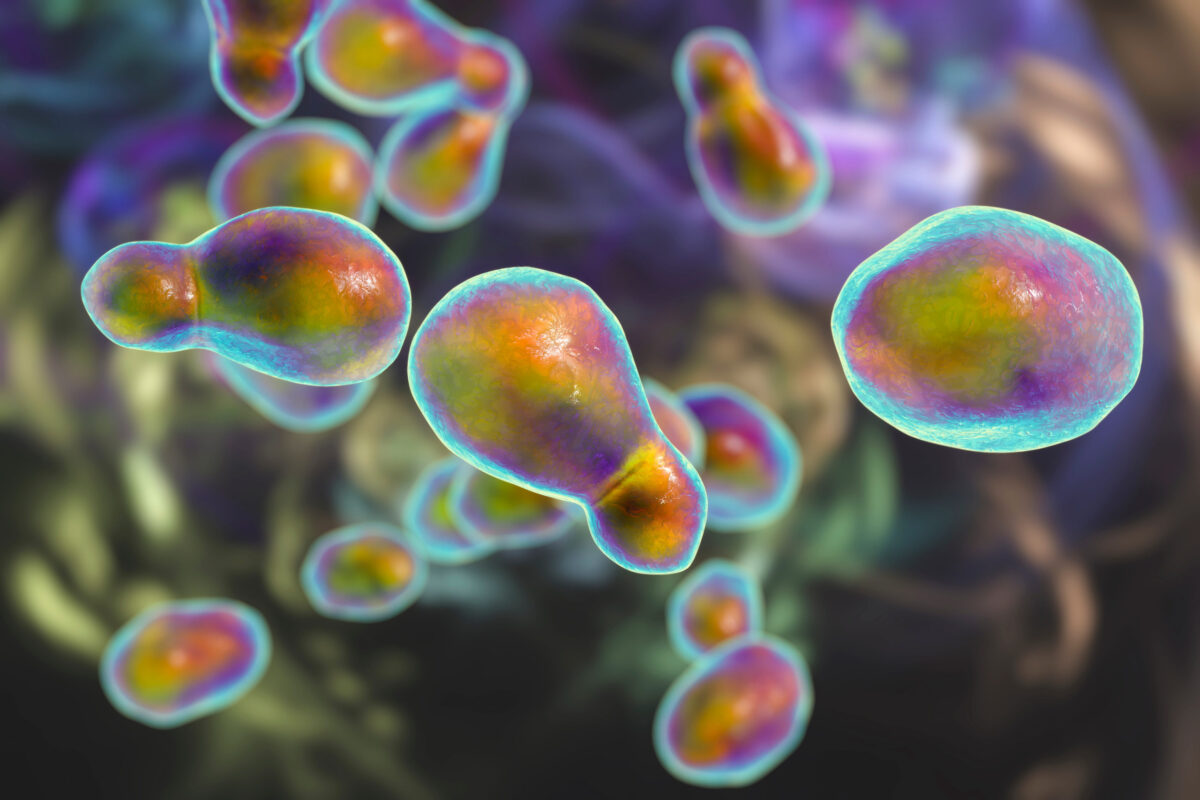
Naegleria fowleri is often called the “brain-eating amoeba,” and the nickname is horrifying because it is close to the truth. This rare organism lives in warm freshwater, such as lakes, rivers, hot springs, and poorly maintained splash areas. Infection occurs when contaminated water goes up the nose, not from drinking it. From there, the amoeba can travel to the brain, causing primary amebic meningoencephalitis.
The infection starts with headache, fever, nausea, and vomiting, then can quickly turn into stiff neck, confusion, seizures, hallucinations, coma, and death. The speed is what makes it so frightening. People can seem fine after swimming, then become critically ill days later. It is rare, but when it happens, it becomes a medical emergency almost immediately.
Necrotizing Fasciitis
Necrotizing fasciitis sounds unreal until you learn how it works. Often called a flesh-eating infection, it destroys tissue under the skin and can spread with shocking speed. Bacteria may enter through cuts, burns, insect bites, surgery wounds, or even tiny breaks in the skin. Early symptoms can look ordinary, but severe pain that feels much worse than the visible wound is a major red flag.
As the infection spreads, the skin may swell, turn red or purple, blister, or become numb as tissue dies. Patients often need emergency antibiotics and surgery to remove dead tissue. Some survive but lose limbs or large areas of skin. The scary part is not just the pain. It is the way the infection can outrun hesitation.
Ebola Disease
Ebola scares people because it attacks the body in multiple ways at once. It can begin with fever, weakness, muscle pain, headache, and sore throat, then progress to vomiting, diarrhea, rash, organ problems, and sometimes bleeding. The virus spreads through contact with infected bodily fluids, which makes outbreaks especially dangerous for families, caregivers, and health workers.
Ebola’s fear factor also comes from its outbreak history. In some past outbreaks, death rates have been extremely high, especially where medical care is delayed or overwhelmed. Supportive care can improve survival, but the illness remains among the most feared viral infections worldwide. It turns human closeness into a risk during the very moments people most need care.
Marburg Virus Disease
Marburg belongs to the same virus family as Ebola, and it carries a similar sense of dread. It can begin suddenly with high fever, severe headache, muscle pain, vomiting, diarrhea, and extreme weakness. In severe cases, it may lead to bleeding, shock, organ failure, and death. The disease can spread through direct contact with infected bodily fluids or contaminated materials.
What makes Marburg especially frightening is the lack of widely approved vaccines or specific antiviral treatments. Care often depends on early detection, isolation, fluids, oxygen, and intensive support. In outbreaks, fear spreads almost as quickly as the virus because the symptoms can be brutal and the stakes are high. Marburg is rare, but it has earned its reputation as a nightmare.
Pneumonic Plague
The word “plague” already carries centuries of fear, but pneumonic plague is the form that deserves special attention. Unlike bubonic plague, which usually affects lymph nodes, pneumonic plague attacks the lungs. It can cause fever, headache, weakness, chest pain, shortness of breath, coughing, and sometimes bloody mucus. It can also spread through infectious respiratory droplets.
The frightening part is the speed. Untreated pneumonic plague can be fatal very quickly, sometimes within a day or two of symptom onset. The good news is that antibiotics can work when given early. The bad news is that delay can be deadly. This is one infection where “wait and see” can become a dangerous gamble.
Hantavirus Pulmonary Syndrome
Hantavirus pulmonary syndrome is scary because the danger can begin in a place as ordinary as a dusty shed, cabin, garage, or storage room. People usually become infected by inhaling particles from rodent urine, droppings, saliva, or nesting material. Early symptoms may resemble the flu, including fever, fatigue, muscle aches, chills, dizziness, nausea, or stomach problems.
Then the infection can shift into something far more serious. The lungs may begin to fill with fluid, causing coughing, chest tightness, and severe difficulty breathing. Many patients need intensive care and breathing support. Hantavirus is not common, but its progression can be brutal. A simple cleanup job in a rodent-infested space can become a life-threatening emergency if handled carelessly.
Tetanus
Tetanus is one of the oldest medical nightmares, and it remains frightening because the bacteria can enter the body through even minor wounds. The spores can live in soil, dust, and animal waste, then slip into the body through punctures, cuts, burns, or contaminated wounds. Once inside, the bacteria can produce a toxin that affects the nerves.
The result can be muscle stiffness, painful spasms, lockjaw, trouble swallowing, breathing problems, and dangerous changes in heart rate or blood pressure. Severe spasms can be so powerful that they may cause broken bones. Vaccination has made tetanus much less common in many places, but the disease itself has not become gentler. Without protection and proper wound care, even a small injury can turn into a crisis.
Meningococcal Disease
Meningococcal disease is terrifying because it can move from mild symptoms to life-threatening illness in hours. It is caused by bacteria that can lead to meningitis, bloodstream infection, or both. Early signs may include fever, headache, stiff neck, nausea, vomiting, confusion, light sensitivity, cold hands and feet, severe aches, or a purple rash that does not fade under pressure.
This infection can strike healthy people and progress rapidly. Survivors may face hearing loss, brain injury, kidney damage, scarring, or amputations. Vaccines can reduce the risk, and early antibiotics matter deeply. The scary part is how easy it can be to mistake the beginning for something ordinary. By the time the illness reveals its true face, the body may already be in a fight for survival.
Vibrio Vulnificus
Vibrio vulnificus is a coastal-water infection with a chilling reputation. It can infect people through raw or undercooked seafood, especially oysters, or through open wounds exposed to warm seawater or brackish water. For some people, it causes stomach illness. For others, especially those with liver disease, weakened immunity, diabetes, or serious health problems, it can become far more dangerous.
Wound infections may spread fast, causing swelling, redness, blisters, tissue damage, and severe pain. Bloodstream infections can become deadly within days. Some patients need intensive care or amputation. What makes Vibrio vulnificus so unsettling is its link to normal pleasures: beach trips, fishing, seafood dinners, and summer water. The ocean can look calm while hiding a microscopic threat.
Conclusion
The scariest infections are not always the ones people hear about every day. Some are rare, some are preventable, and some are treatable when caught early. Yet they all share one frightening trait: they punish delay. A strange animal bite, a wound that hurts too much, a fever after risky water exposure, sudden breathing trouble, or a stiff neck with confusion should never be brushed aside.
Fear is not the goal here. Awareness is. Vaccines, safe food choices, clean wound care, rodent control, protective gear, and prompt medical attention can turn many terrifying infections into preventable stories. The human body is strong, but it is not invincible. When an infection moves fast, respect the warning signs and get help before the clock becomes the enemy.