8 Family Expectations That Can Lead to Lifelong Disappointment
Family pressure does not always arrive as shouting, punishment, or obvious control. Sometimes it sounds loving, practical, and even noble. It hides inside phrases about sacrifice, success, reputation, culture, grades, behavior, career choices, and the kind of life a child is expected to build before they even know who they are.
Many parents set expectations because they care. They want their children to be safe, respected, independent, and prepared for a hard world. The problem begins when guidance turns into a script, and a child feels they must perform perfectly to stay loved, accepted, or valued at home.
For teens, that pressure can become a private emotional storm. They may look fine at dinner, smile at school, and still carry the fear that one wrong choice will disappoint everyone. These family expectations can follow people into adulthood, shaping careers, relationships, confidence, and the quiet way they judge themselves.
Expected to Become the Family Success Story

Some children are raised with the silent job of making the entire family proud. They are expected to earn the top grades, win the scholarships, enter the impressive career, and become living proof that every sacrifice was worth it. That can sound inspiring from the outside, but inside the child, it can feel like carrying a family’s dreams on a back that is still growing.
This expectation becomes painful when success stops feeling personal. The child may choose achievements that look good to others but feel empty inside. Later in life, they may have the degree, the job title, and the applause, yet still feel strangely disconnected from their own happiness because they were trained to chase approval before identity.
Pushed Into a Career They Never Wanted
Few family pressures cut deeper than being told which future is acceptable. Some families push children toward medicine, law, engineering, finance, or business because those paths seem stable, respectable, or financially safe. The intention may be protection, but the message can feel brutal: your interests are cute, but our plan is serious.
A teen who loves art, sports, teaching, music, design, or caregiving may slowly learn to hide those dreams. They may enter adulthood with a career that pays bills but drains their spirit. The disappointment grows because they are not just tired from work; they are grieving the version of themselves they were never allowed to explore.
Told Family Reputation Comes First

In some homes, reputation sits at the center of everything. Children are taught to behave, dress, speak, date, study, and choose friends in ways that protect the family image. They may hear constant reminders about what relatives will think, what neighbors will say, or how one mistake could embarrass everyone.
That kind of pressure can create adults who fear being seen honestly. They may hide struggles, avoid therapy, stay in unhealthy relationships, or pretend to be fine because truth feels dangerous. When reputation matters more than emotional safety, children learn that appearance is more valuable than authenticity, and that lesson can last for years.
Expected to Never Fail
Failure is supposed to teach people, but some families treat it like a personal disgrace. A low grade, a lost competition, a rejected application, or a changed plan becomes proof that the child did not try hard enough. Over time, the child learns to fear mistakes more than they value growth.
This can create perfectionism that looks impressive but feels exhausting. The child may become the adult who overworks, procrastinates, avoids risks, or panics when life becomes uncertain. They may struggle to enjoy success because every win feels temporary, and every mistake feels like confirmation that they are not enough.
Forced to Carry Adult Responsibilities Too Early
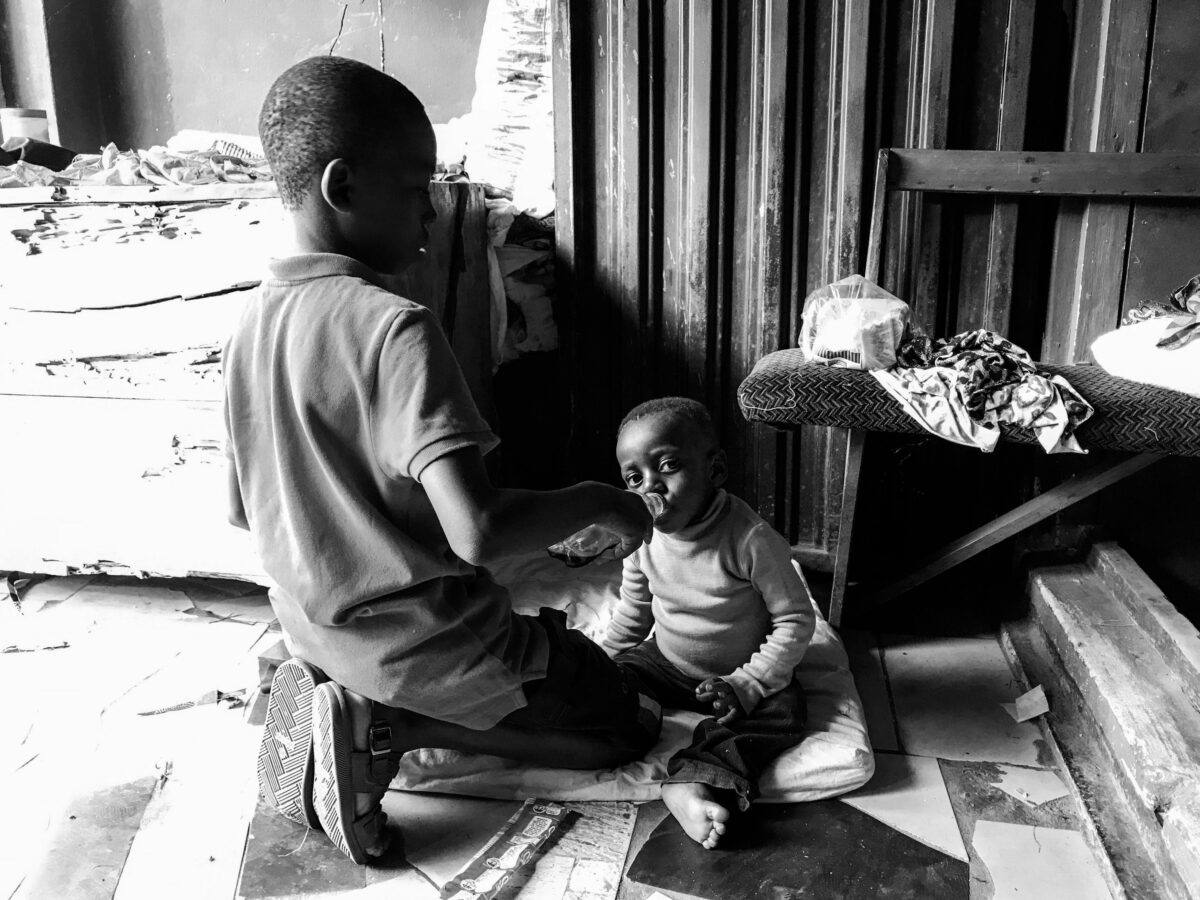
Some children become the helper, translator, babysitter, emotional support system, or peacekeeper long before they are ready. They may care for siblings, manage household stress, calm angry adults, or sacrifice their own needs because the family depends on them. Responsibility can build strength, but too much of it can steal childhood.
As adults, these people often struggle to rest without guilt. They may feel selfish for having boundaries, uncomfortable receiving help, and responsible for everyone else’s emotions. The disappointment comes from realizing they were praised for maturity when what they really needed was protection, softness, and room to be young.
Expected to Follow Tradition Without Question
Tradition can offer belonging, identity, and wisdom. It can connect children to culture, faith, family history, and community. But tradition becomes pressure when a child is not allowed to ask questions, grow differently, or choose which values truly fit their life.
A teen may feel torn between loyalty and individuality. They may fear that choosing differently means betraying their parents, ancestors, or community. In adulthood, that conflict can become a deep ache, because they are trying to honor where they came from without losing who they are becoming.
Compared to Siblings or Other Children

Comparison is one of the fastest ways to make a child feel invisible. A teen may be measured against an older sibling, a cousin, a neighbor’s child, or a parent’s younger self. The comparison may be framed as motivation, but it often lands as rejection.
Children who grow up under comparison may stop seeing their own strengths clearly. They may believe love has a scoreboard, and someone else is always winning. Later, even personal success may feel unsatisfying because they are still mentally competing with people who were used as measuring sticks instead of being allowed to become themselves.
Loved More Loudly When They Achieve
One of the most painful family expectations is conditional affection. The child may notice that praise becomes warmer after good grades, awards, obedience, or impressive choices. When they struggle, question, fail, or express different needs, the emotional temperature in the home drops.
That pattern teaches children to perform for connection. They may grow into adults who overgive, overwork, people please, or hide pain because they believe love must be earned. The deepest disappointment is not just feeling pressured; it is realizing they were never sure if they were loved for who they were or for what they produced.