13 Reasons Why You Should not Even Think About Buying a Boat
Buying a boat sounds like the beginning of a better life. You picture blue water, lazy weekends, laughter with friends, fishing trips at sunrise, and peaceful evenings where the engine hums and every problem feels far away.
Then the bills arrive.
Boat ownership can still be wonderful for people who truly love the water and use their boat often. But for many first-time buyers, the dream turns into a floating invoice with surprise repairs, storage headaches, fuel shocks, and weekends spent fixing problems instead of making memories. Before you sign the paperwork, it helps to know the mistakes that quietly turn boat ownership into a financial trap.
Buying the Boat Before Pricing the Lifestyle
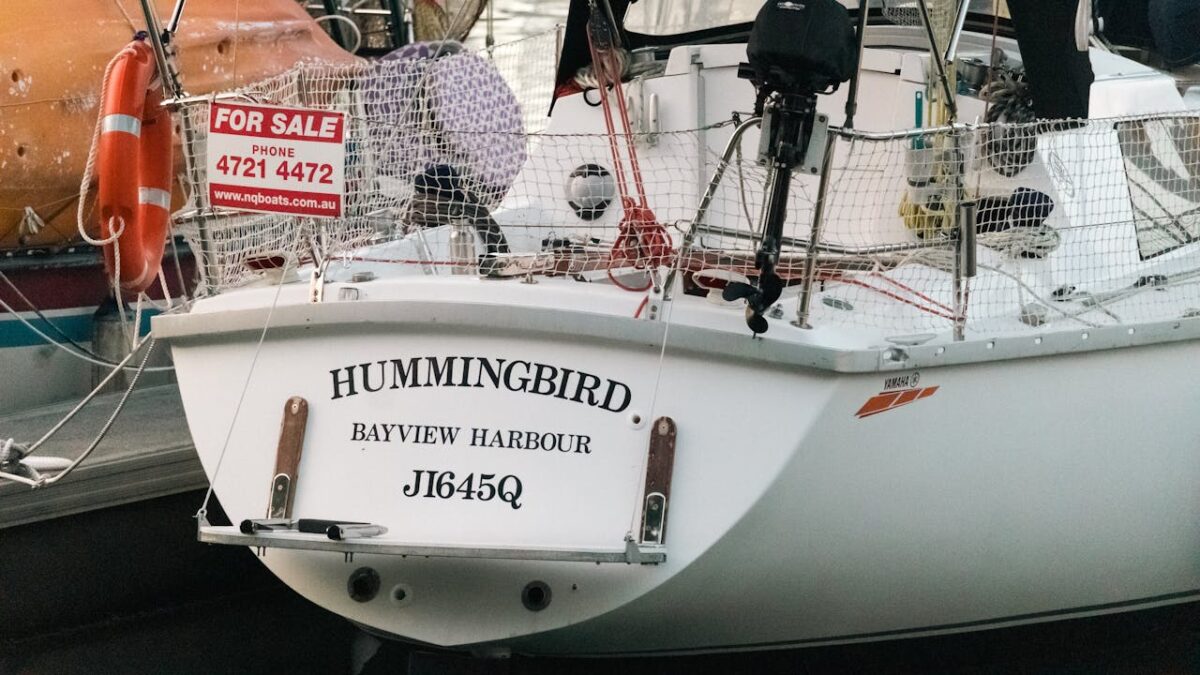
The biggest mistake is thinking the purchase price tells the whole story. A boat may look affordable on paper, especially when the seller talks about “easy payments” or a great deal, but ownership costs do not stop at the dock. Insurance, registration, cleaning, dock fees, inspections, safety gear, fuel, trailers, and maintenance can quickly turn a bargain into a burden.
A smart buyer looks beyond the shiny hull and asks what the boat will cost each month, even when it is not in use. That is where many people get caught. They budget for the boat, but they forget to budget for the lifestyle that comes with it.
Underestimating Maintenance
A boat is not like patio furniture that can sit outside and survive with a quick wipe down. Water, salt, sun, humidity, and heat are brutal on engines, wiring, seats, paint, batteries, and metal parts. Even a well-built boat needs regular care to stay safe and reliable.
First-time owners often assume they can deal with problems later, but later is usually when the bill gets ugly. A small leak, a weak battery, a cracked hose, or a dirty fuel system can become a weekend-destroying problem. Boating rewards people who stay ahead of maintenance, not people who wait for something to break.
Forgetting How Expensive Fuel Can Be
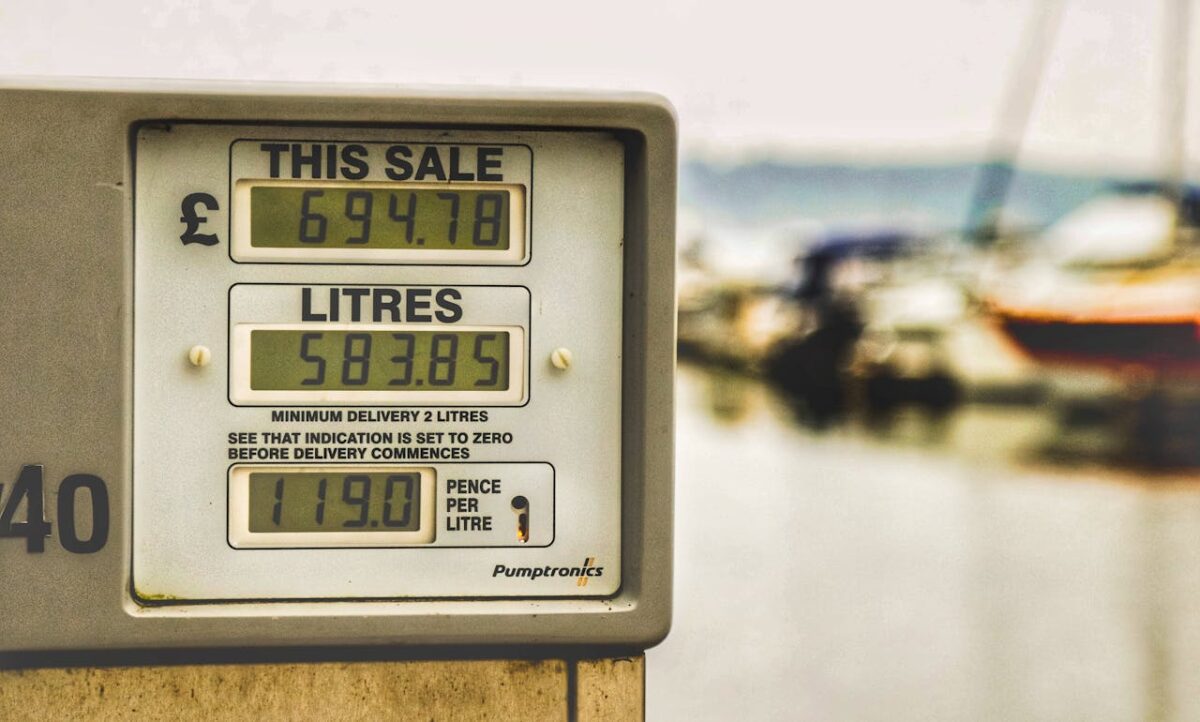
A boat can drink fuel in a way that shocks new owners. Unlike a car, a boat pushes through water, and that takes serious power. A casual day on the water can cost far more than expected, especially with larger boats, long rides, water sports, or marina fuel prices.
The mistake is treating fuel like a minor detail. It is not. If every outing feels like swiping your card into a financial black hole, the fun starts to feel expensive fast. Before buying, owners should calculate realistic fuel costs based on how often they plan to go out, not on the one perfect weekend they keep imagining.
Ignoring Storage Problems
Every boat needs a place to live, and that place can cost more than expected. Some owners think they will simply park it in the driveway, but neighborhoods, landlords, city rules, or homeowners’ associations may say otherwise. Larger boats may require marina slips, dry storage, covered storage, or seasonal storage.
Storage becomes even more annoying when the boat is far from home. If getting to it takes planning, driving, scheduling, and extra fees, spontaneous boating disappears. The boat slowly becomes something you own in theory, but rarely enjoy in real life.
Thinking Friends Will Help With the Work

Everyone loves a boat when the sun is out, the cooler is full, and the music is playing. Fewer people are excited when it is time to clean the deck, pay for gas, wipe down seats, load gear, unload trash, cover the boat, or help with repairs. That gap can create quite a resentment.
New owners often imagine boating as a shared experience, but the responsibility usually falls on the person whose name is on the title. Friends may show up for the fun and disappear for the work. That does not make them terrible people, but it does mean the owner needs realistic expectations before becoming everyone’s free summer entertainment.
Skipping the Trailer Reality Check
If the boat comes with a trailer, the trailer becomes its own project. Tires age, lights fail, bearings need attention, brakes wear down, and towing requires a capable vehicle. Launching and retrieving a boat also takes confidence, especially at a crowded ramp where impatient people are waiting behind you.
Many first-time owners focus on the boat and forget the stress of moving it. Backing a trailer into the water on a busy Saturday can humble even confident drivers. If towing feels intimidating, inconvenient, or expensive, boat ownership may become more stressful than relaxing.
Failing to Prepare for Winter

In colder climates, winterizing is not optional. Engines, water systems, batteries, fuel, upholstery, covers, and storage conditions all need attention before freezing temperatures arrive. Skipping this step can lead to cracked parts, engine damage, mildew, and expensive spring surprises.
The mistake is treating winter as a break from boat ownership. For many owners, it is another season of costs and chores. The boat may not be on the water, but it still needs protection. Anyone buying a boat should understand how much time and money seasonal care will require.
Believing Marine Parts Are Like Regular Parts
The word “marine” has a way of making everything cost more. Marine batteries, cleaners, electronics, upholstery, hardware, wiring, and engine parts are often built to handle harsh conditions, but the prices can sting. Labor can be expensive too, especially when specialized mechanics are involved.
This surprises new owners who are used to car repairs or home repairs. A small replacement part can feel oddly expensive, and a simple repair can become a painful invoice. That does not mean every charge is unfair. It means boats operate in harsher environments, and harsh environments demand tougher materials.
Overestimating How Often You Will Use It
The fantasy is every weekend on the water. The reality may be work, weather, family plans, repairs, fatigue, bad timing, and long gaps between outings. Many owners discover that their boat sits more than it floats, even though the bills keep coming every month.
This is where the cost per use gets painful. If a boat costs thousands each year and is only used a handful of times, each trip becomes extremely expensive. Before buying, people should honestly ask how close they live to the water, how busy their weekends are, and how committed they really are to boating.
Treating the Boat Like an Investment
A boat can be an investment in memories, but it is rarely a great financial investment. Many boats lose value over time, especially as age, wear, repairs, and newer models enter the picture. Selling can also take longer than expected if the market is slow or the boat needs work.
The mistake is assuming the money will come back later. It usually will not. A buyer should purchase a boat because they can afford the experience, not because they expect the boat to behave like a savings account. Once that mindset changes, the decision becomes clearer and far less emotional.