8 Silent Killers Lurking in Your Bedroom That Could End Your Life Tonight
Sleep should be a sanctuary, but for millions, it has become a deadly trap. Hidden dangers are waiting silently in your bedroom, ready to strike while your body is vulnerable. From invisible gases to undiagnosed medical conditions, these silent killers can destroy lives before morning, leaving no chance to react. Ignoring them tonight could be fatal, turning what seems like rest into a death sentence.
These threats attack without warning, striking the heart, lungs, brain, and vital systems. They are invisible, insidious, and merciless, preying on the unaware. Understanding these risks and taking decisive action can mean the difference between life and death while you sleep.
Sleep Apnea
Obstructive sleep apnea repeatedly blocks the airway, depriving the body of oxygen during sleep. Each pause in breathing forces the heart to work harder, dramatically increasing the risk of sudden cardiac arrest, stroke, and fatal heart attacks. Loud snoring, choking, or gasping are ignored signs that this killer is already at work.
The effects accumulate silently, weakening the cardiovascular system and leaving individuals exposed to nighttime death. Using CPAP machines, managing weight, and making lifestyle adjustments can save lives and prevent fatal oxygen deprivation while asleep.
Carbon Monoxide Poisoning

Carbon monoxide is an invisible killer. Odorless, colorless, and undetectable without a monitor, it seeps from faulty heaters, stoves, or other fuel-burning appliances. Exposure during sleep can knock you unconscious and kill you before any warning appears.
Even small leaks reduce the oxygen in the blood, leading to organ failure and brain damage over time. Installing carbon monoxide detectors and ensuring proper ventilation is the only defense against this silent, deadly intruder.
Sudden Cardiac Arrest
Undiagnosed heart conditions can trigger lethal arrhythmias at night. Sudden cardiac arrest is swift and often fatal, striking without warning, even in seemingly healthy individuals. Subtle indicators like palpitations, fainting, or chest discomfort are frequently ignored until it’s too late.
Regular heart screenings, monitoring warning signs, and following medical advice drastically reduce the risk. Nighttime heart failure is silent but deadly, claiming thousands of lives who thought they were safe while asleep.
Nocturnal Asthma Attacks
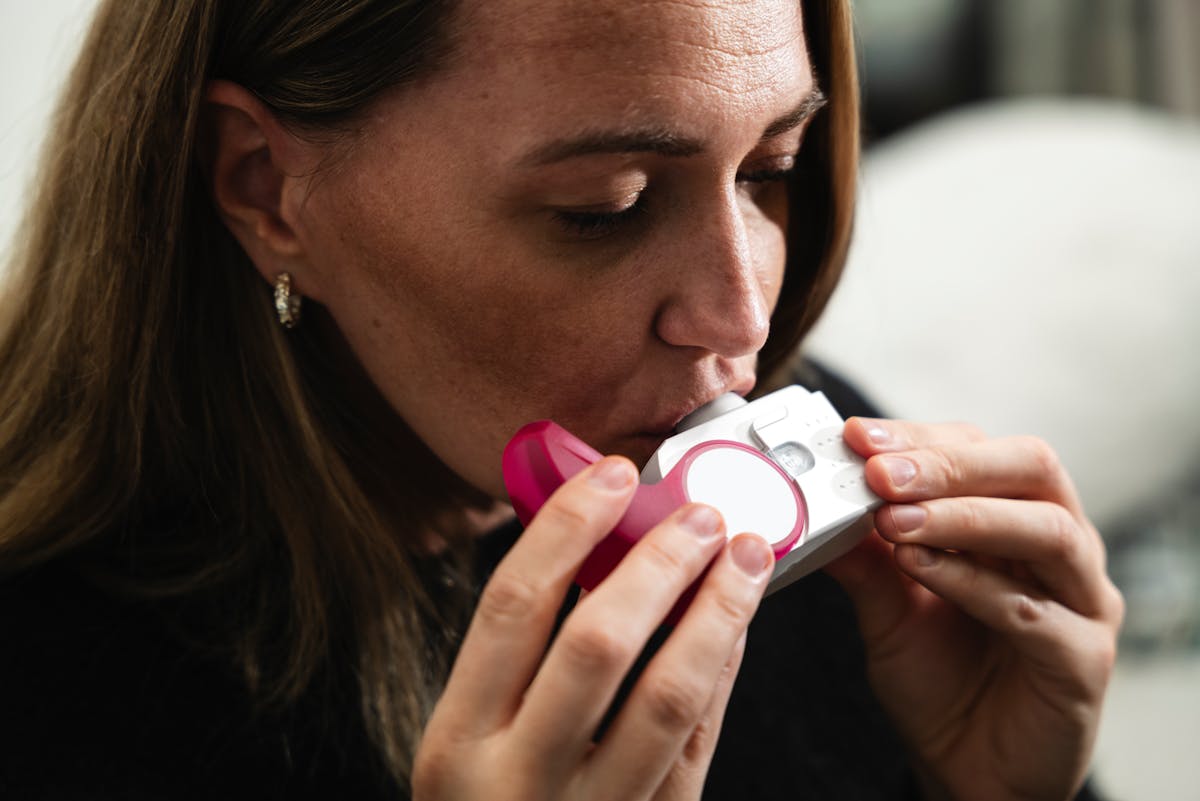
Asthma symptoms can worsen at night, leading to sudden, severe airway constriction. These attacks can deprive the body of oxygen and become fatal in minutes. Dust mites, pollen, and pet dander in bedding silently trigger life-threatening episodes.
Preventive medications, allergen control, and emergency plans are essential to survive these hidden respiratory killers. Even a mild asthma case can become deadly under the cover of darkness.
Alcohol and Medication
Mixing alcohol with sedatives, sleeping pills, or prescription medications depresses breathing and heart function. The effects escalate silently during sleep, sometimes ending life before a single symptom is noticed. The body is powerless while unconscious, letting these substances act as lethal agents.
Strict adherence to prescriptions, avoiding alcohol, and understanding interactions is critical. One careless combination tonight can quietly turn sleep into a fatal event.
Allergic Reactions
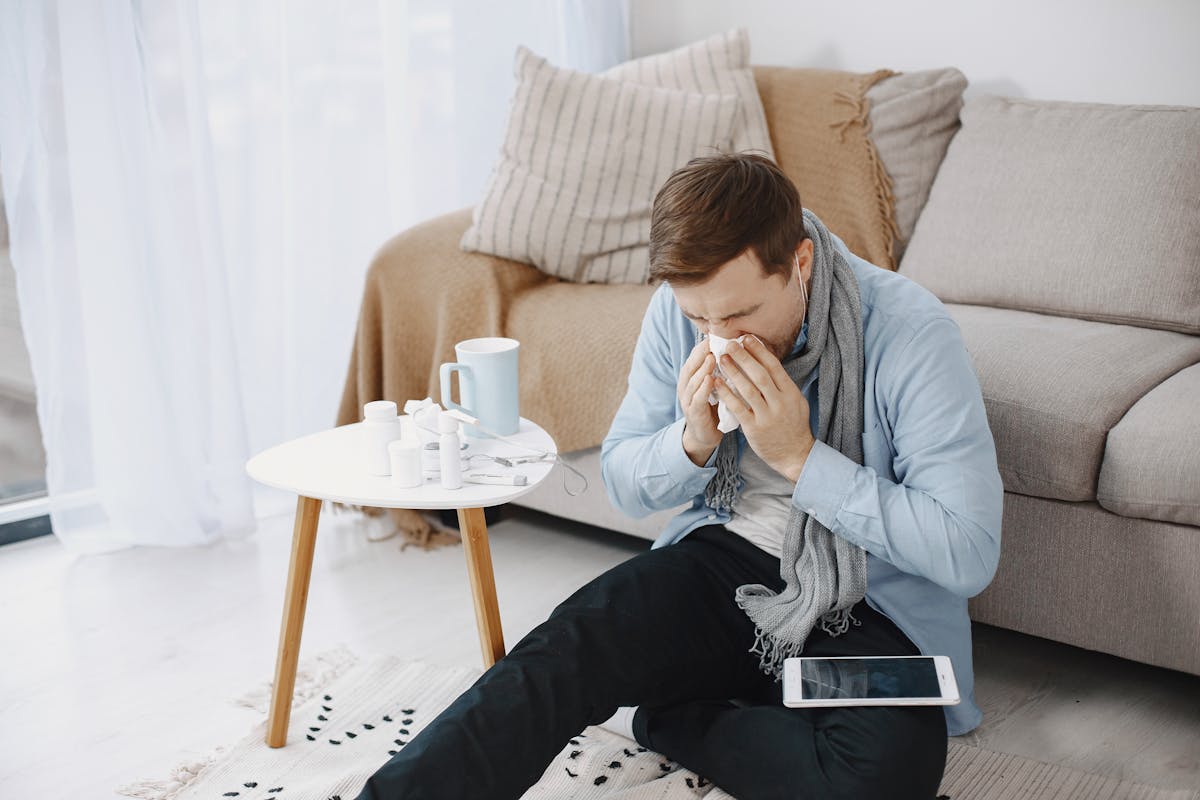
Exposure to allergens while asleep can trigger sudden anaphylaxis, closing airways and dropping blood pressure rapidly. Food, environmental allergens, or hidden triggers in bedding can provoke fatal reactions before a person even wakes. Epinephrine is often out of reach when it is most needed.
Testing for allergies, removing triggers, and keeping emergency medication accessible are lifesaving steps. One wrong exposure tonight could end your life without warning.
Carbon Dioxide Poisoning
Poorly ventilated rooms allow carbon dioxide to accumulate, slowly suffocating the body. Elevated CO2 levels disrupt oxygen delivery, trigger heart arrhythmias, and can cause fatal respiratory failure. Small, enclosed spaces or multiple occupants amplify the risk exponentially.
Ventilation, air purifiers, and monitoring indoor air quality prevent this deadly suffocation while you sleep. Ignoring airflow tonight may let a silent killer claim another victim.
Obesity

Excess weight restricts lung expansion, reducing oxygen intake during sleep. Obesity-related hypoventilation and sleep-disordered breathing can quietly suffocate the body, often without prior symptoms. Even overweight individuals who appear healthy are at risk for sudden nighttime death.
Weight management, regular exercise, and medical monitoring of respiratory function reduce this threat. Failing to address obesity-related breathing problems tonight could send you to your final resting place.
Conclusion
Nighttime is full of invisible threats capable of ending life without warning. Obstructive sleep apnea, carbon monoxide poisoning, sudden cardiac arrest, nocturnal asthma attacks, alcohol and medication suppression.
Severe allergic reactions, carbon dioxide poisoning, and obesity-related respiratory collapse are deadly hazards that lurk silently in your bedroom. Vigilance, preventive action, and environmental adjustments are crucial to surviving the night and ensuring sleep remains restorative rather than fatal.