
10 Worst Health Habits We Quietly Pick Up in Middle Age
Middle age does not usually arrive with a dramatic warning bell. It arrives through smaller signs we dismiss too easily, such as tighter jeans, lower energy, restless nights, stiff joints, rising blood pressure, and that quiet feeling that our bodies are no longer as forgiving as they used to be.
The problem is not that we suddenly become unhealthy after forty. The real problem is that the habits we once got away with begin charging interest.
Skipped workouts, late-night snacking, poor sleep, too much sitting, casual drinking, ignored checkups, and stress-fueled routines can slowly reshape our health without making a scene.
We often blame age for the habits we have in the background. Middle age is the season when our choices grow louder, our recovery slows, and our bodies start asking for a smarter plan.
The good news is that many of the worst health habits in middle age are fixable once we stop treating them as harmless.
Sitting Too Long and Calling It Rest

Sitting can feel like recovery, especially after a long workday, but too much sitting is one of the sneakiest health habits we pick up in middle age. We sit at desks, sit in cars, sit through meals, sit through streaming marathons, and then wonder why our backs ache and our energy drops.
The body is built for movement, and when we stay still for hours, our muscles, circulation, joints, and metabolism all start to pay the price.
The danger is that sitting does not feel like a bad habit. It feels normal, modern, and unavoidable. We can reduce the damage by building movement into the day rather than waiting for a single perfect workout.
A short walk after meals, standing during phone calls, stretching between tasks, and taking a five-minute movement break every hour can make a sedentary day more forgiving.
Skipping Strength Training After Forty
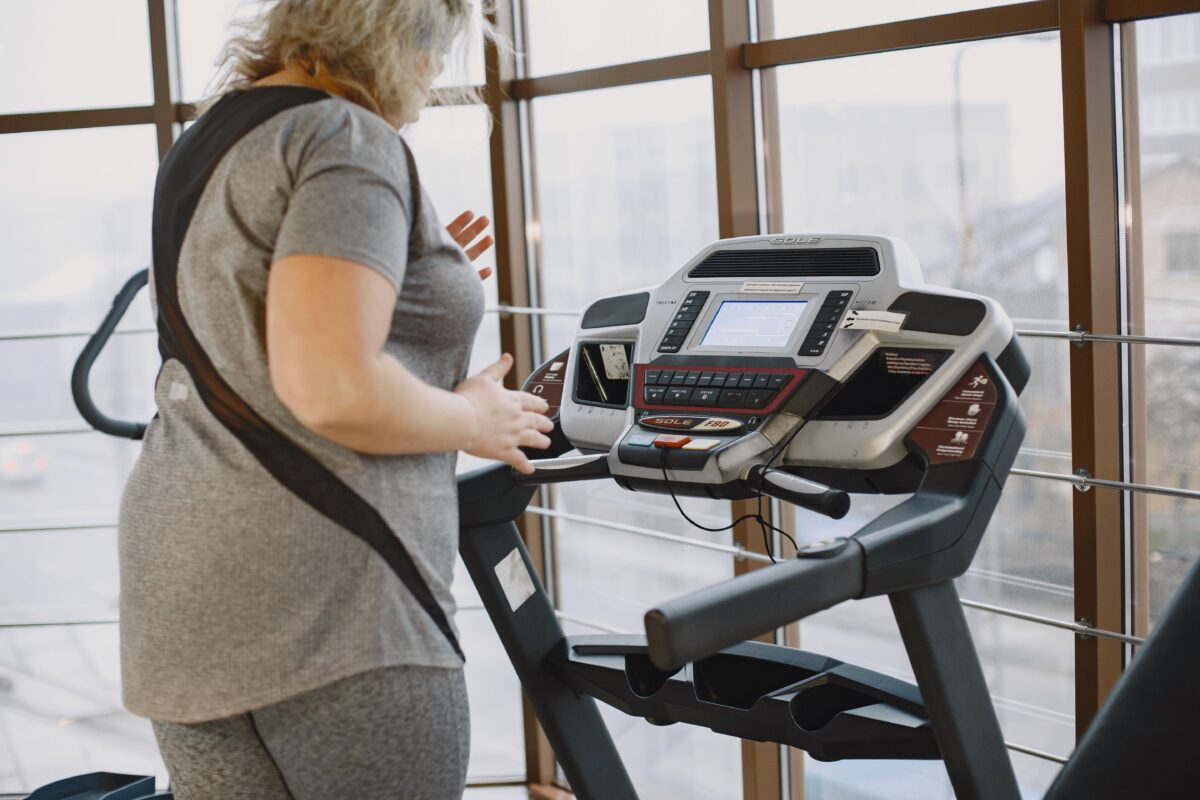
Many of us continue to think of exercise as cardio only. We walk, jog, cycle, or use the treadmill, then assume we have covered the important part.
Cardio matters, but strength training becomes more important in middle age because muscle naturally becomes harder to maintain as we grow older.
Muscle is not just about appearance. It supports balance, blood sugar control, metabolism, posture, independence, and injury prevention. We should treat strength training as a health habit, not a vanity project.
Two days a week of resistance work using weights, bands, machines, or bodyweight exercises can help us protect the strength we will need later.
Sleeping Less

Poor sleep is one of the most common health habits people normalize in middle age. We stay up late answering messages, watching television, worrying about money, caring for family, or trying to steal a little quiet time after a busy day. Then we wake up tired and tell ourselves we are simply getting older.
Sleep is not a luxury the body can keep sacrificing without consequences. Poor sleep can affect appetite, mood, memory, heart health, immune function, and blood sugar control. We should protect sleep with the same seriousness we give to work meetings.
A consistent bedtime, a cooler room, less late caffeine, fewer screens near bedtime, and a calmer evening routine can make sleep feel less accidental and more dependable.
Eating Like We Still Have a Twenty-Year-Old Metabolism

Middle age often exposes the eating habits we built when our metabolism was faster, and our schedules were lighter.
The same late-night snacks, oversized portions, sugary drinks, fried foods, and low-fiber meals that once felt manageable can now lead to weight gain, sluggishness, reflux, blood pressure issues, and blood sugar problems. The body becomes less patient with nutritional chaos.
We do not need a joyless diet to fix this. We need a more honest plate. More vegetables, beans, lentils, fruit, lean protein, whole grains, nuts, and home-prepared meals can crowd out the foods that quietly work against us.
The goal is not perfection. The goal is to build meals that help us feel steady, not ones that leave us foggy, swollen, and hungry again an hour later.
Letting Stress Become a Personality

Stress becomes dangerous when we stop noticing it. In middle age, we may carry work pressure, parenting duties, aging parents, bills, health worries, relationship tension, and future planning all at once.
After a while, the tight jaw, shallow breathing, irritability, headaches, poor sleep, and constant fatigue start to feel like who we are.
We should not treat chronic stress as proof that we are responsible adults. We should treat it as a health signal.
Stress management does not have to mean disappearing to a spa or meditating for an hour. It can mean a daily walk, fewer unnecessary commitments, scheduled quiet time, therapy, prayer, journaling, stretching, breathing exercises, or better boundaries with people who drain us.
Drinking More Than We Should

Middle age can quietly turn alcohol into a routine instead of an occasional pleasure. A glass after work becomes two. Weekend drinks stretch into weekday drinks. Social drinking becomes stress drinking.
Because alcohol is so socially accepted, we may fail to notice when it starts affecting sleep, weight, mood, blood pressure, liver health, and long-term disease risk.
We do not have to wait for a dramatic problem before reassessing our drinking. A useful test is to ask whether alcohol is helping us celebrate or helping us cope. If the answer is coping, the habit deserves attention.
Taking alcohol-free days, choosing smaller pours, replacing the evening drink with tea or sparkling water, and tracking weekly intake can reveal patterns we may have been ignoring.
Ignoring Blood Pressure
High blood pressure is often called silent for a reason. We can feel completely normal while our arteries are under extra strain. That is why ignoring blood pressure in middle age is one of the most dangerous health habits we can develop.
Many people do not think about it until a doctor raises concern, a medication conversation begins, or a family health scare forces attention.
We should know our numbers before they become frightening. Home blood pressure cuffs are widely available, and routine checks can help us notice patterns early.
Movement, weight management, lower sodium intake, better sleep, stress reduction, reduced alcohol intake, and medical guidance can all help. The earlier we respond, the more options we usually have.
Treating Weight Gain as Inevitable

Weight changes in middle age are common, but that does not mean we should surrender to them.
Hormonal shifts, lower muscle mass, poor sleep, stress eating, alcohol, inactivity, and larger portions can all make weight easier to gain and harder to lose. The trap is believing the change is automatic and therefore pointless to challenge.
We should focus less on punishment and more on systems. A higher-protein breakfast, regular walking, strength training, more fiber, better sleep, and fewer liquid calories can shift the pattern without extreme dieting.
Sustainable weight management in middle age usually comes from repeatable routines, not dramatic restrictions that collapse after two weeks.
Eating Too Little Protein
Many people in middle age worry about calories but forget about protein. That mistake can make it harder to preserve muscle, feel full, recover from exercise, and maintain strength.
A diet heavy in refined carbs and light on protein can leave us tired, snacky, and physically weaker over time.
We should include protein throughout the day instead of saving it all for dinner. Eggs, Greek yogurt, fish, chicken, beans, lentils, tofu, cottage cheese, lean meats, nuts, and seeds can all help support a stronger body.
Protein works best when paired with resistance training, so the real win comes from feeding muscle and using it regularly.
Smoking or Vaping as a “Small” Habit

Some habits are dangerous even when we try to minimize them. Smoking, social smoking, and nicotine dependence can feel less serious when they happen occasionally, but tobacco exposure still affects the heart, lungs, blood vessels, cancer risk, and long-term health.
In middle age, the body has less room for habits that damage recovery and circulation.
The strongest move is quitting completely with support, not shame. Counseling, quitlines, nicotine replacement, medication, and structured programs can make quitting more realistic.
We should treat quitting as a health upgrade at any age because the body begins to benefit when exposure stops.
Final Takeaway
Middle age is not the beginning of decline. It is the stage where the body becomes more honest. We can no longer hide poor sleep behind coffee, stress behind busyness, inactivity behind exhaustion, or skipped checkups behind optimism.
The best health strategy is not dramatic. It is consistent, practical, and repeatable. We move more, sleep better, lift something heavy, eat with more intention, manage stress before it manages us, drink less, quit tobacco, check our numbers, and stop treating warning signs like background noise.
The habits we build now decide how strong, clear, mobile, and independent we feel later. Middle age gives us a choice. We can keep pretending the little things do not matter, or we can use them to build a healthier second half.


