11 Foods That Seem Healthy Until Your Blood Pressure Says Otherwise
High blood pressure rarely kicks down the door with a warning sign. It often creeps in quietly through the same meals, drinks, snacks, and takeout orders people keep calling normal. That is what makes it so dangerous, because the foods that look harmless on a busy Tuesday can quietly push the body into a harder fight.
The problem is not one salty meal or one sugary drink. The bigger issue is the pattern that keeps repeating in the background until the numbers start moving in the wrong direction. These foods and drinks can make blood pressure harder to manage, especially when they become everyday habits instead of occasional choices.
Fast food meals that overload the body quickly
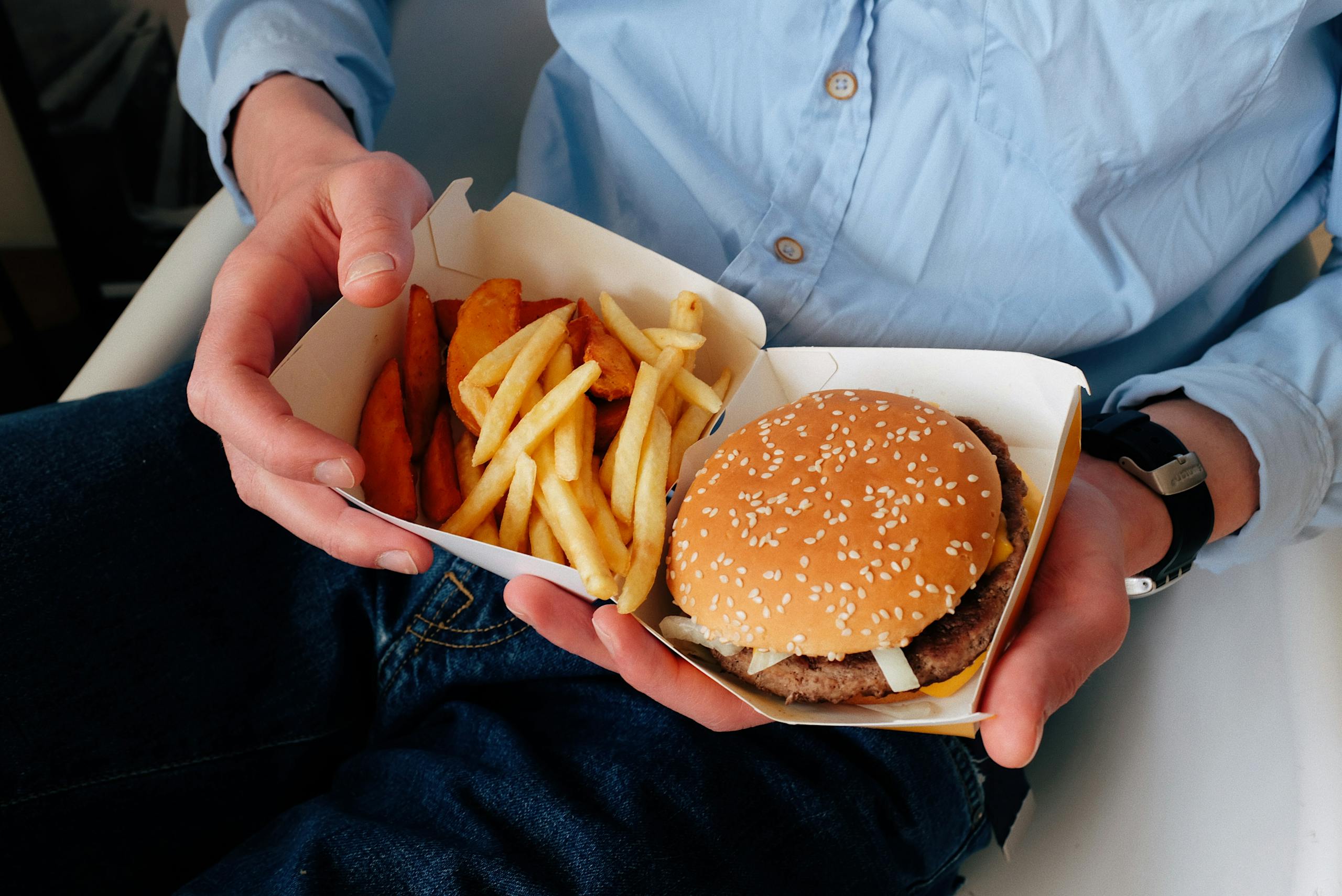
Fast food can hit blood pressure from several directions at once. Burgers, fried chicken, fries, sauces, breakfast sandwiches, tacos, and combo meals often combine high sodium, refined carbs, saturated fat, and oversized portions. That mix can make one quick meal feel convenient now and costly later.
The danger is how ordinary it feels. A drive-thru stop does not seem dramatic when everyone is busy, tired, or stuck between work and home. But when fast food becomes routine rather than a rare convenience, the body may carry the consequences long after the wrapper is gone.
Deli meats that hide behind convenience
Deli turkey, ham, salami, bologna, roast beef, and packaged sandwich meats may seem like easy lunch choices, but many are high in sodium. Sodium helps preserve flavor and shelf life, but it can also cause the body to retain more fluid. More fluid in the bloodstream can put extra pressure on blood vessel walls.
The tricky part is that deli meat does not always taste extremely salty. A sandwich can feel light, quick, and harmless, especially when it comes with lettuce and whole-grain bread. Still, if the meat is processed and eaten often, it can become one of those quiet habits that makes blood pressure harder to control.
Frozen pizza that turns dinner into a sodium bomb
Frozen pizza is one of those foods that wins because it is fast, cheap, and comforting. The problem is that the crust, cheese, sauce, pepperoni, sausage, and processed toppings can all bring sodium to the same party. By the time one meal is finished, the body may have taken in far more salt than expected.
It does not help that pizza is easy to overeat. Two slices can become four before anyone thinks about what is happening. For people watching blood pressure, pizza is not just a cheat meal; it can become a repeat offender when it shows up every week as a backup dinner.
Salty snacks that disappear by the handful
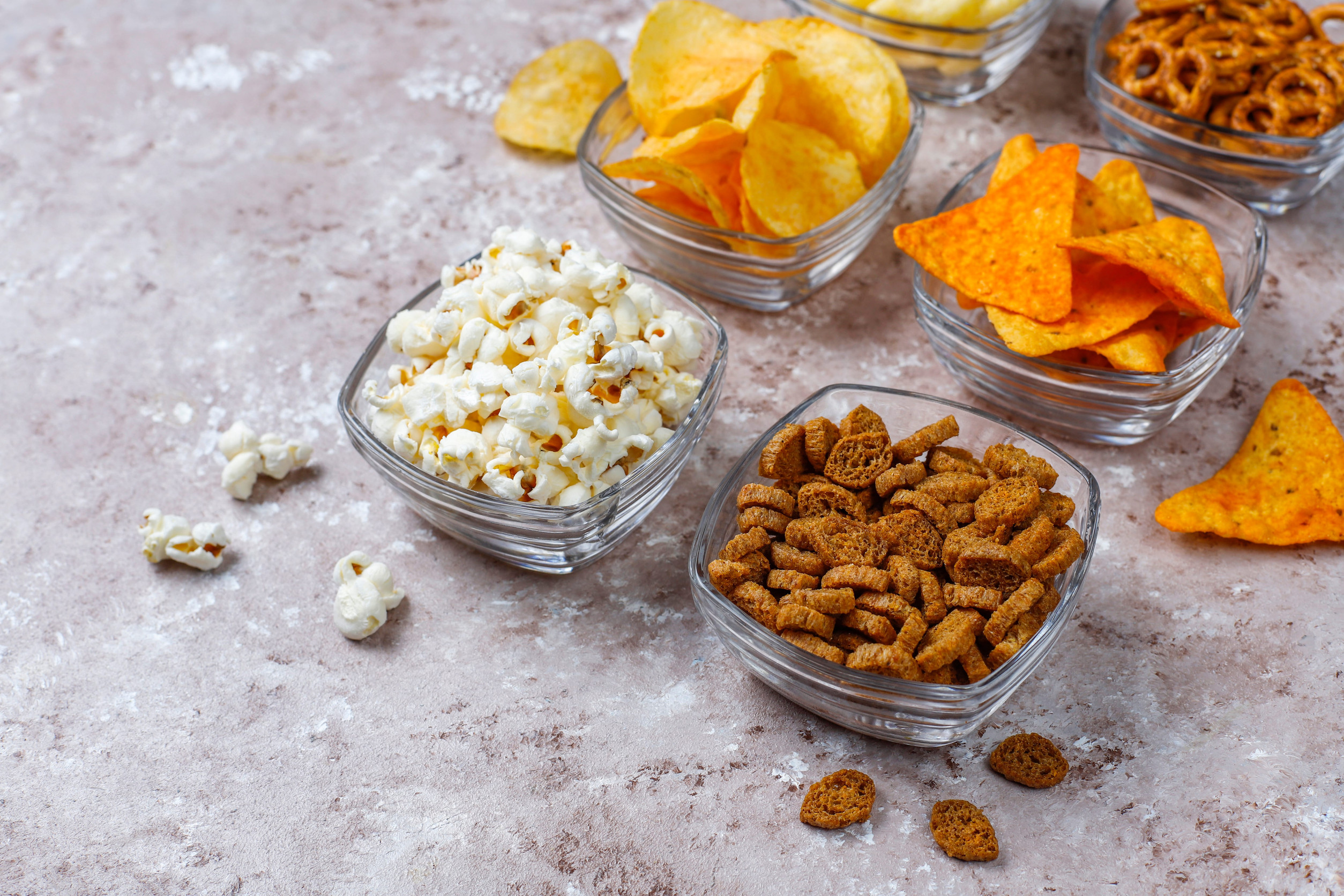
Chips, pretzels, crackers, cheese puffs, flavored popcorn, and salted nuts can fool people because they come in small bites. Nobody sits down thinking one handful will change their health. Then the handful becomes half the bag, and the sodium adds up faster than most people realize.
These snacks are designed to keep people reaching back in. The crunch, salt, and flavor dust make it harder to stop, especially during television, work breaks, road trips, or late-night scrolling. For blood pressure, the danger is not just the snack itself but how easily it can lead to mindless eating.
Canned soups that look healthier than they are
Soup has a comforting reputation, which is exactly why people often miss the problem. A can of chicken noodle, tomato, vegetable, or creamy soup may look like a simple meal, but many versions carry a heavy sodium load. That becomes a bigger issue when someone eats the whole can instead of the listed serving size.
The better move is not to fear soup completely. It is to check the label, choose lower-sodium versions, and build flavor with herbs, garlic, onions, pepper, lemon, or vegetables instead of relying on salt. Homemade soup gives people far more control because the sodium does not sneak in before the spoon even reaches the bowl.
Alcohol that people keep calling heart-healthy
Alcohol gets a lot of soft treatment in social life. Wine with dinner, beer during the game, cocktails after work, and weekend drinking can all feel normal, but alcohol can raise blood pressure when intake climbs. It can also interfere with sleep, weight goals, medication routines, and healthier food decision-making.
The problem is not always obvious because drinking is often wrapped in relaxation. People may notice the buzz before they notice the effect on blood pressure. For someone trying to control hypertension, cutting back on alcohol can be less glamorous than a new wellness trend, but it can matter more.
Pickles and olives that seem too small to matter
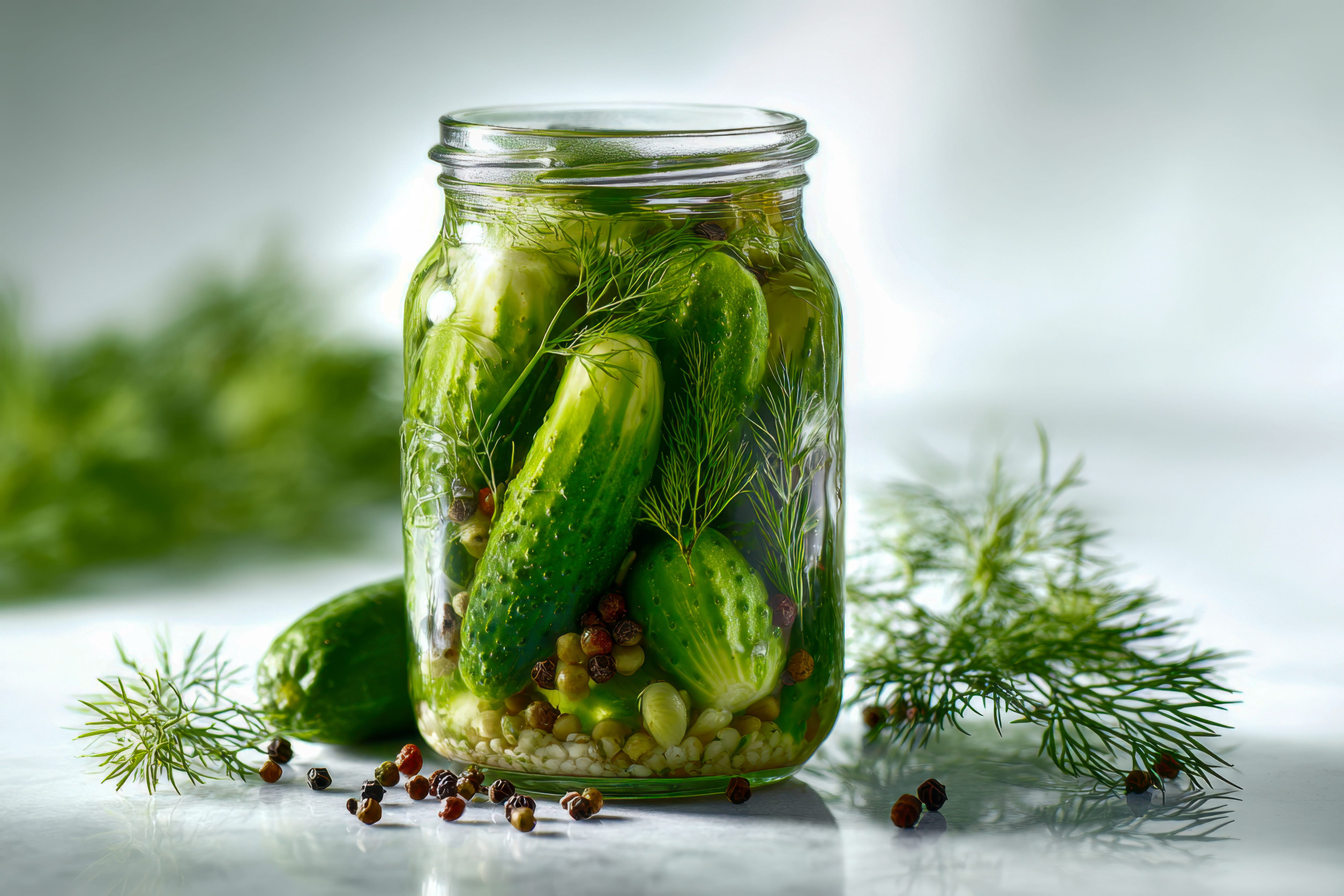
Pickles and olives can look innocent because they are not usually eaten as a full meal. They sit beside sandwiches, burgers, salads, and appetizer boards like tiny extras. The issue is that many are preserved in salty brine, which can make small portions surprisingly heavy in sodium.
That does not mean every pickle spear is a disaster. It means people with high blood pressure should treat brined foods as flavor accents rather than unlimited side dishes. Small foods can still make a big difference when they show up often enough.
Sugary drinks that do more damage than people admit
Soda, sweet tea, fruit drinks, flavored lemonades, sports drinks, and many bottled coffee drinks can carry a lot of added sugar. Sugar does not affect blood pressure the same way sodium does, but heavy intake can contribute to weight gain, insulin resistance, and worse heart health problems. That can make blood pressure harder to manage over time.
The most frustrating part is that liquid sugar does not satisfy hunger the way food does. A person can drink hundreds of calories and still eat a full meal right after. Replacing sugary drinks with water, sparkling water, unsweetened tea, or lightly flavored water can be one of the simplest changes with a real payoff.
Sweet baked goods that pretend to be breakfast
Muffins, donuts, pastries, cinnamon rolls, sweet breads, frosted cereals, and packaged breakfast bars can turn the morning into dessert with better branding. These foods often bring added sugar, refined flour, saturated fat, and sometimes sodium, too. That combination can work against steady energy and long-term heart health.
The trap is that many of these foods are sold as quick breakfast options. They feel less guilty than candy because they come with coffee and a morning routine. But if breakfast spikes hunger, cravings, and blood sugar swings before noon, it may not be doing the body any favors.
Energy drinks that push the system too hard
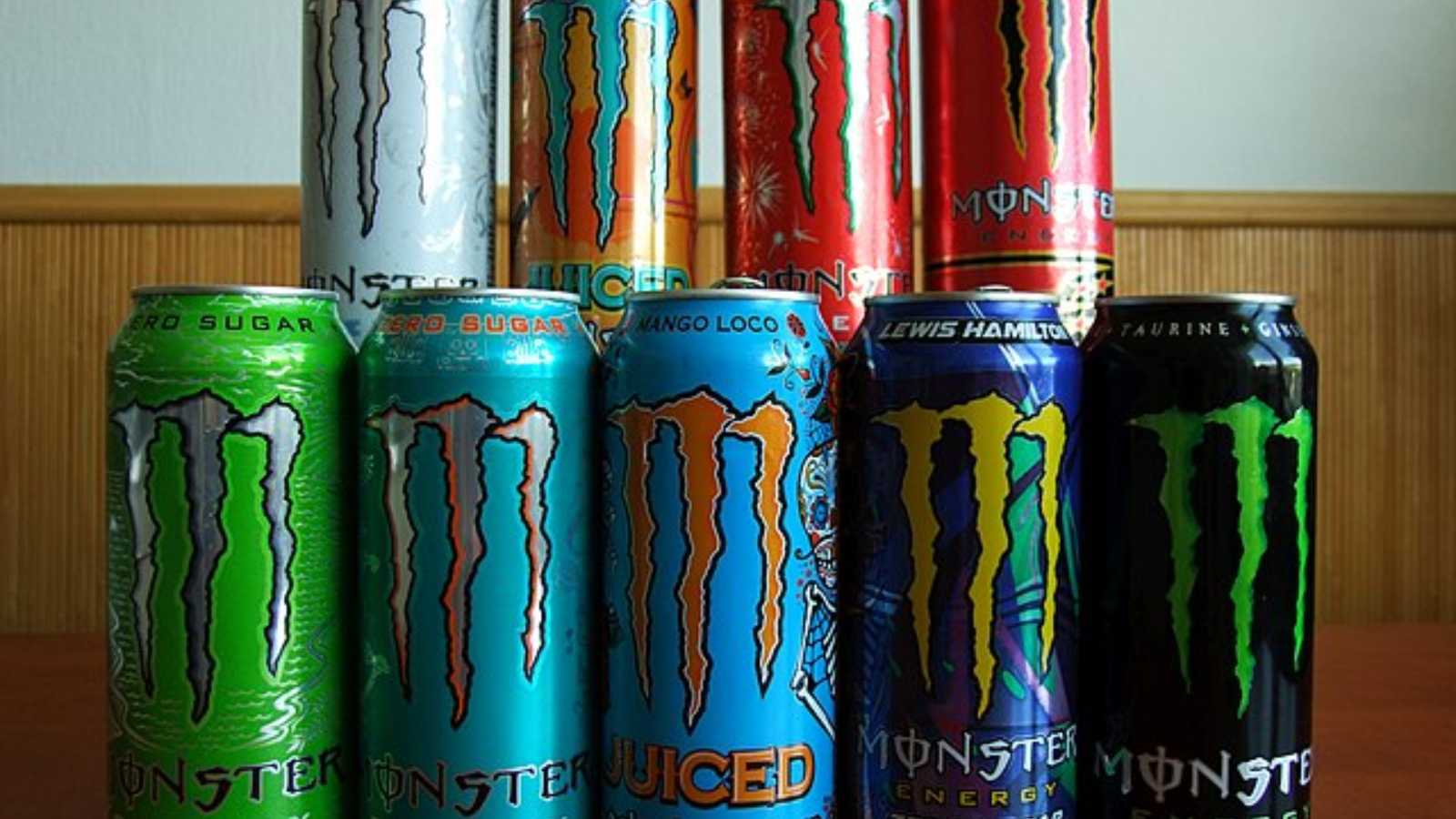
Energy drinks are not just fun cans with bold colors. Many contain caffeine, sugar, and other stimulants that can make the heart and blood vessels work harder, especially for people who are sensitive to caffeine. Some people may feel a short-term blood pressure rise after drinking them.
The bigger issue is how casually they are used. People grab energy drinks before work, during night shifts, before workouts, or while driving, and then mistake the racing feeling for productivity. If someone already has high blood pressure, that jolt deserves more caution than the marketing suggests.
Sauces and condiments that quietly sabotage the plate
Ketchup, barbecue sauce, soy sauce, salad dressings, hot sauce, marinades, steak sauce, and bottled dips can add a lot of sodium or sugar in small servings. The problem is that people rarely measure them carefully. A little drizzle can become a heavy pour, especially on food that is already salty.
This is where blood pressure management gets sneaky. Someone may cook at home, choose grilled chicken, add vegetables, and still load the meal with high-sodium sauce at the end. Flavor matters, but a better strategy is to use condiments intentionally, read labels, and lean more on herbs, spices, citrus, vinegar, garlic, and fresh ingredients.