Trump Pardons Former GOP Congressman Stephen Buyer After Insider Trading Conviction
WASHINGTON — President Donald Trump has pardoned Stephen Buyer, a former Republican congressman from Indiana who was convicted of insider trading after prosecutors said he used confidential business information to make profitable stock trades.
The White House described the action as a full and unconditional pardon, bringing Buyer’s criminal case back into the national spotlight. The buyer had been sentenced to prison in 2023 and released in 2025. The decision has revived scrutiny over presidential clemency, political loyalty, and accountability for white-collar crime.
Buyer, 67, represented Indiana in Congress from 1993 to 2011 before working as a consultant and lobbyist. Prosecutors said he traded on confidential information tied to corporate transactions involving Sprint, T-Mobile, Navigant, and Guidehouse. A federal jury convicted him in 2023 on securities fraud charges. The buyer has denied wrongdoing and has called the prosecution politically motivated.
White House Points to Buyer’s Public Service
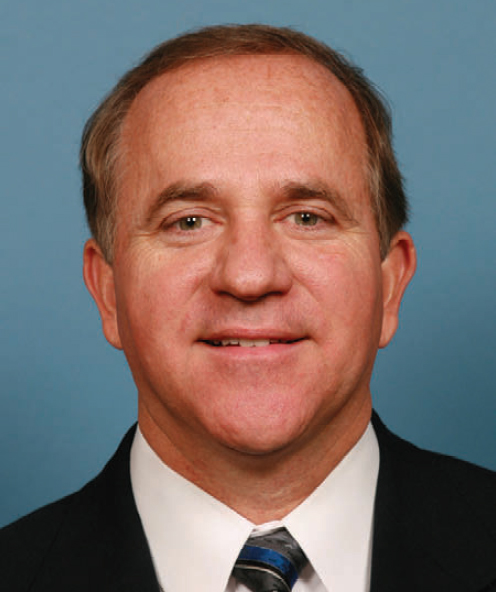
The White House proclamation cited Buyer’s military and congressional background in explaining the pardon. Buyer served as a judge advocate general in the Army and later spent 18 years in the House of Representatives. The proclamation described his public career as distinguished and productive. It also noted support from lawmakers who urged Trump to grant clemency.
Trump’s decision followed public appeals from Republican lawmakers and former members of Congress. Supporters argued that Buyer had been unfairly targeted and deserved relief from the conviction. The buyer welcomed the pardon and repeated his claim that he had not committed a crime. The White House did not announce a separate review of the trial evidence.
Prosecutors Said Buyer Used Confidential Information
The criminal case focused on stock purchases prosecutors said were made before major corporate announcements became public. One part involved Sprint shares purchased before the company’s merger with T-Mobile was announced. Another involved Navigant Consulting shares bought before Guidehouse’s planned acquisition of the company became public. Prosecutors said the trades produced illegal gains of more than $300,000.
A federal judge later ordered Buyer to forfeit more than $350,000 and pay a $10,000 fine. The Justice Department said Buyer was sentenced to 22 months in prison after being convicted at trial. Prosecutors argued that he abused trusted professional relationships for personal financial gain. Buyer’s defense rejected that claim and maintained that his trades were lawful.
Supreme Court Declined to Review the Case
The buyer continued to challenge the conviction after sentencing. His appeal efforts failed to reverse the outcome. The Supreme Court later declined to hear the case, leaving the conviction in place before Trump intervened. The pardon now removes the remaining federal punishment tied to the insider trading conviction.
Presidential pardons apply only to federal crimes and are among the broadest powers granted to a president under the Constitution. They can relieve penalties and restore certain legal rights. They do not erase the public record of a conviction. In the buyer’s case, the court record and sentencing history remain part of the public record.
Republican Lawmakers Backed the Clemency Push
Buyer’s pardon followed a public campaign by Republican allies who said the prosecution was unfair. More than 40 former Republican members of Congress signed a letter asking Trump to intervene. A second letter from five current House Republicans also urged clemency. Their argument focused on the buyer’s military service, long congressional record, and political history.
Buyer was one of the House prosecutors during President Bill Clinton’s 1998 impeachment trial. He later served on Trump’s 2016 transition team on veterans’ issues. Supporters said those connections made him a political target. Federal prosecutors presented the case as a securities fraud matter built on trading records and confidential information.
Case Draws Renewed Attention to Insider Trading
The pardon is expected to draw scrutiny because Buyer was a former lawmaker with deep ties to the Republican Party. Insider trading cases often attract public attention because they involve access to information unavailable to ordinary investors. In the buyer’s case, prosecutors said confidential business knowledge was turned into private financial gain. That allegation made the case politically sensitive even before Trump issued clemency.
The decision has also placed the buyer’s case inside a broader debate about executive power. Reuters reported that Trump had issued a pardon to a former congressman after the Supreme Court declined to take up his appeal. The report noted that Buyer was convicted of securities fraud in 2023. It also noted that the White House cited his military and congressional service in announcing the pardon.
Buyer Maintains Innocence After Release
The buyer had already been released from prison before the pardon was announced. He continued to deny the insider trading allegations after receiving clemency. In public remarks, he said the pardon corrected what he described as a politically motivated prosecution. The Justice Department has not announced any new action related to the pardon.
The White House proclamation took effect immediately. Buyer’s federal penalties connected to the conviction have been forgiven. His conviction, trial record, and sentencing history remain publicly documented. The pardon closes the criminal punishment phase of the case while leaving the political debate over Trump’s clemency decision unresolved.