10 Signs You’re Trapped in a Toxic Relationship Without Even Realising It
Some relationships start as excitement and promise, but slowly, small patterns take over. Toxic dynamics don’t always show up as shouting matches or dramatic fights; they creep into daily life, eroding confidence, joy, and identity. When the love that should uplift you starts making you doubt yourself, it’s time to notice the signs.
Here are 10 clear ways a toxic relationship quietly takes control of your life, told in a narrative style that helps you see the warning signs before it’s too late.
You Apologise Constantly, Even When You’re Not Wrong

At first, apologies are simple acts of empathy. But in a toxic relationship, you begin apologising for your feelings, your desires, and even for existing.
When every conversation ends with “sorry,” it’s a sign your voice has been muted. Constant self-blame slowly chips away at your confidence and sense of self-worth.
You Feel Like You’re Walking on Eggshells
Toxic partners create tension you can’t always name. You catch yourself carefully choosing words, monitoring tone, and predicting reactions to avoid conflict.
This hyper-awareness is exhausting and unsustainable. If your behaviour is governed more by fear than choice, it’s a clear signal that the relationship is harming your emotional well-being.
Your Needs Are Routinely Ignored
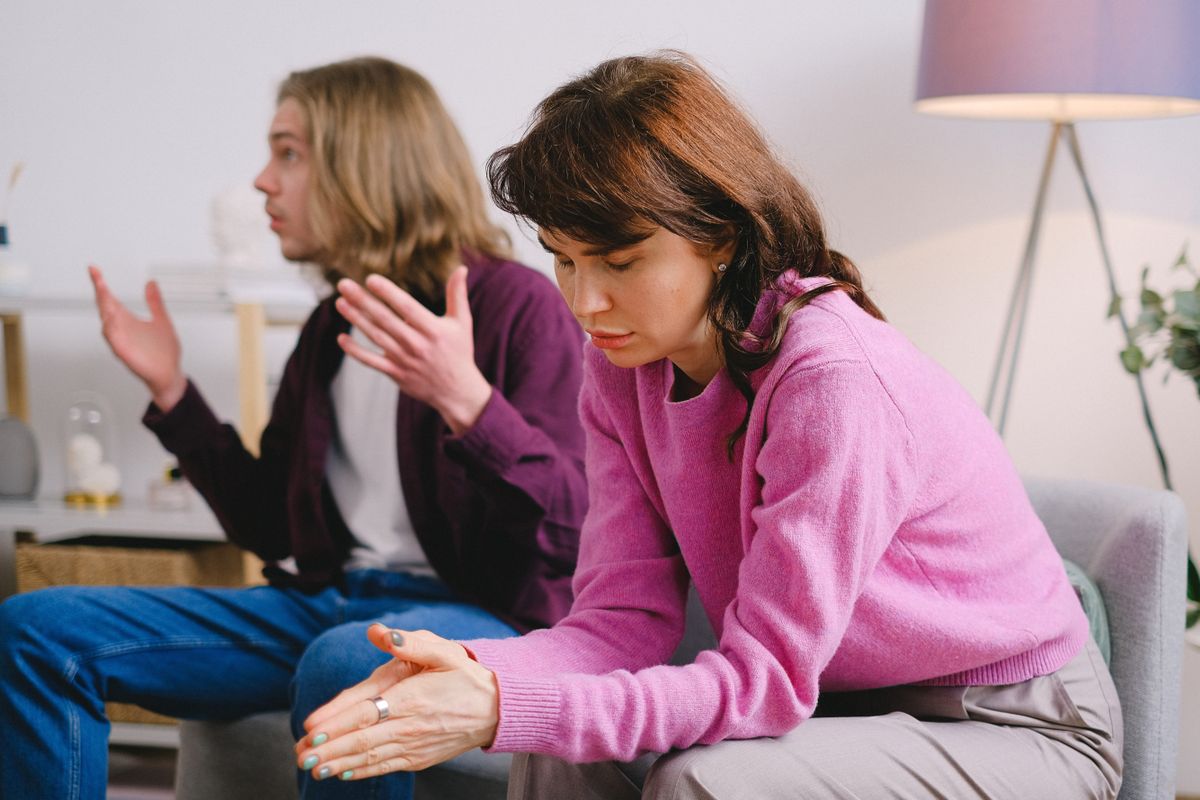
A healthy relationship balances give and take. But in toxicity, your needs are minimised or dismissed.
Every time you express a desire, and it’s shrugged off or criticised, you internalise that your feelings don’t matter. Over time, you stop speaking up, and resentment builds quietly beneath the surface.
You Constantly Second-Guess Yourself
In toxic dynamics, even your instincts feel unreliable. You question your judgment about events, people, or even your own emotions.
This self-doubt is not self-reflection; it’s the result of repeated invalidation. Your inner compass becomes a casualty of someone else’s control.
You Feel Isolated Even When You’re Together
Toxic partners can make you feel alone while in their presence. Your friends, family, and hobbies gradually take a backseat to their needs or mood swings.
Isolation isn’t just physical, it’s emotional. Losing connection to your support network leaves you dependent on the very source of your distress.
You Constantly Make Excuses for Their Behaviour
Early warning signs often seem “normal” until patterns repeat. You justify actions that once would have alarmed you, rationalising neglect, disrespect, or manipulation.
Over time, excusing poor behaviour teaches you to tolerate more than you should. Rationalisation becomes a barrier to seeing the truth.
Your Happiness Feels Conditional
Instead of feeling joy naturally, you measure your mood against their satisfaction. Their approval dictates whether you feel accomplished, accepted, or worthy.
When your emotions are tied to someone else’s state, independence fades, and a toxic dependency takes root.
You Stop Expressing Yourself Honestly

Your opinions, likes, and feelings are filtered to avoid upsetting them. What you used to voice confidently becomes watered down or hidden entirely.
Silencing yourself is survival in a toxic environment, but it slowly erodes authenticity. Over time, you may not even recognise your own voice.
Your Self-Worth Declines
Subtle put-downs, criticism disguised as jokes, and constant comparison can make you feel “less than.”
When the relationship shifts from supportive to undermining, it eats away at confidence. You begin to internalise that your value depends on someone else’s perception.
You Feel Drained Most of the Time

Being around them leaves you exhausted emotionally and mentally. Even small interactions feel heavy, and you constantly anticipate stress rather than connection.
Chronic fatigue is a hallmark of toxicity. Love should energise and inspire you, not make you feel smaller and more depleted.