8 Things Americans Seem to Hate More Than Anyone Else
Americans can disagree about almost anything. Politics, food, sports, tipping, weather, parenting, celebrities, grocery prices, you name it, someone is ready to argue before the coffee even kicks in.
Still, a few things seem to unite the country faster than a national emergency alert. Some annoyances may seem small at first, but in American life, they can turn into full-blown public offenses. The irritation is not always dramatic, yet it says a lot about the culture.
Americans value convenience, fairness, personal space, speed, and the right to complain loudly when any of those things disappear.
Bad Customer Service
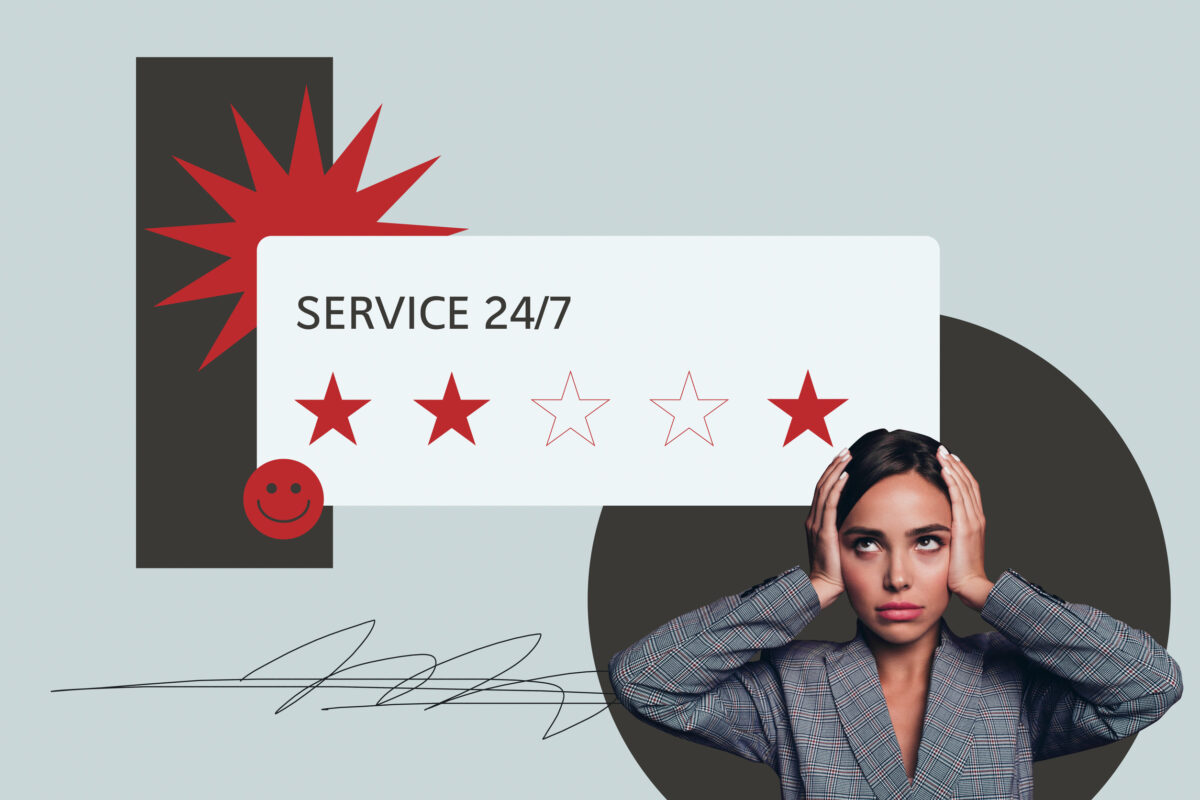
Bad customer service can ruin an American’s whole day before lunch. People may forgive a long wait, a missing item, or a confusing policy, but a rude attitude often crosses the line. In a country where customers are used to being treated like their money matters, dismissive service feels personal.
That is why one cold response at a counter can become a story retold for weeks. Americans do not just expect service. They expect effort, eye contact, some apology, and at least the appearance that someone cares. When that basic social contract breaks, the anger comes fast.
Hidden Fees
A few things irritate Americans more than thinking they know the price, only to discover the real cost at checkout. A $49 ticket becomes $78. A hotel room grows teeth with resort fees. A delivery order looks reasonable until service charges, small-order fees, convenience fees, and mystery fees pile up.
The frustration comes from feeling tricked. Americans can handle expensive items when the price is clear, but hidden fees feel like a bit of a financial ambush. It is the kind of annoyance that makes people stare at the screen and ask, “For what exactly?”
Line Cutters
Americans may be impatient, but they still believe deeply in the line. The line is quite democratic. Everyone waits, everyone moves forward, and nobody gets to float in like they discovered a secret entrance to life.
That is why line cutters spark such instant irritation. It does not matter if it happens at an airport, grocery store, concert, coffee shop, or theme park. Cutting the line feels bigger than bad manners. It feels like someone looked at everyone else and decided their time mattered more.
Slow Internet
Slow internet does not just annoy Americans. It makes them question civilization. A frozen screen, spinning wheel, or buffering video can turn a calm person into a philosopher of rage in under thirty seconds.
The reaction makes sense in a country built around digital convenience. Work, school, banking, shopping, entertainment, maps, food delivery, and family communication all run through screens. When the internet slows down, life feels stuck, and Americans do not like feeling stuck.
Being Told What To Do
Americans have a complicated relationship with rules. They like order when it protects them, but they hate feeling controlled. Tell someone they cannot park there, cannot bring that inside, cannot sit here, cannot say that, or must follow a policy that makes no sense, and the resistance can show up quickly.
This attitude sits deep in the national personality. Independence is not just a word Americans admire. It is a reflex. Even people who follow rules often want to feel they are choosing to follow them, not being pushed around by someone with a clipboard and a bad tone.
Bad Parking
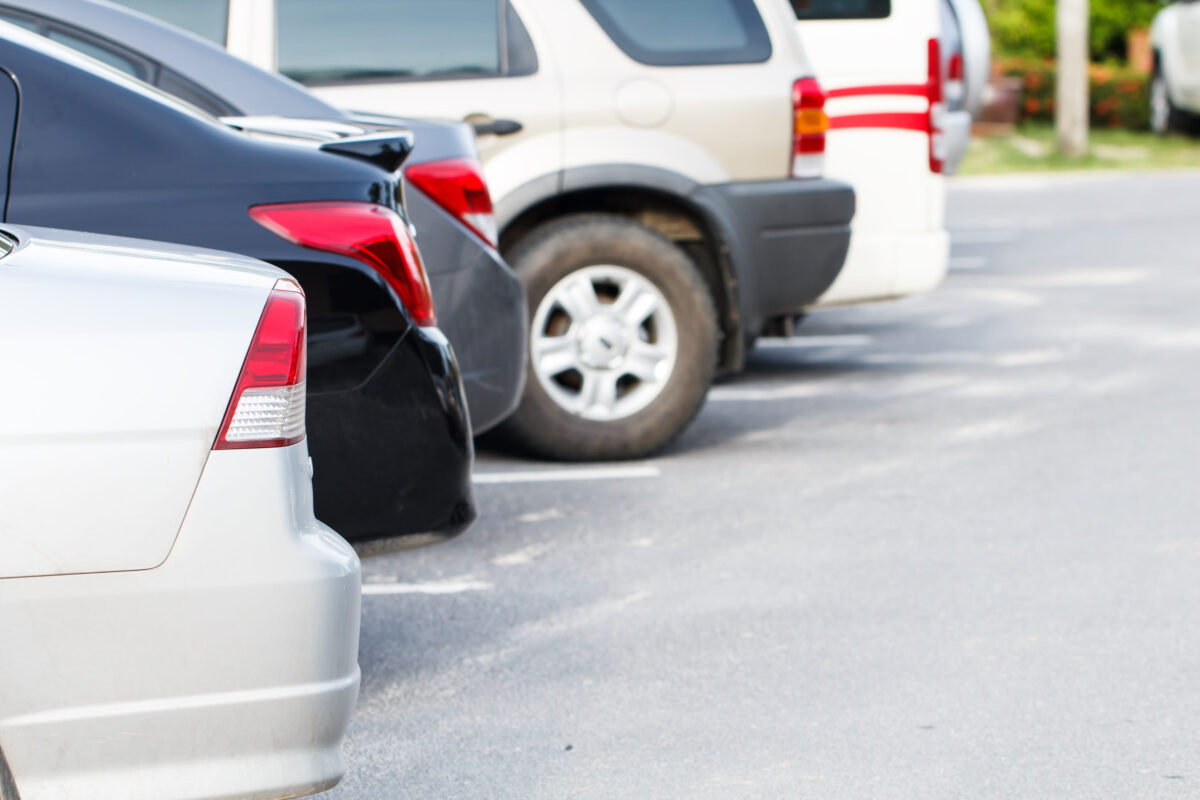
Parking has a special power to turn ordinary errands into emotional battles. Americans hate circling a packed lot, squeezing into a tiny space, or finding someone parked across two spots like their car needs emotional support.
The irritation is stronger because driving is tied to daily life in many parts of the country. People drive to work, school, church, malls, hospitals, grocery stores, and restaurants. When parking becomes a mess, it feels like the whole trip is fighting back.
Robocalls
Robocalls may be one of the few modern annoyances almost everyone agrees on. The phone rings, the number looks familiar, and for one hopeful second, it seems important. Then comes the fake voice, the fake warranty, the fake debt warning, or the suspicious promise that something urgent needs attention.
Americans hate robocalls because they invade personal space without permission. A phone used to mean someone needed you. Now it often means a machine wants to waste your time. That tiny betrayal is enough to make people stop answering numbers they do not know, even when the call might actually matter.
Tiny Portions
Americans may joke about portion sizes, but many still expect food to look like it respects the price. A tiny plate with a fancy drizzle can feel insulting when the bill looks like a car payment. Presentation is nice, but hunger still wins.
The anger gets louder when the restaurant describes the meal like an experience. People came to eat, not to solve a visual puzzle. If the steak is hiding under three leaves and the side dish looks like a garnish, many Americans will feel robbed before dessert even arrives.