10 Truths Behind the Bloody Sign God Gave Abraham
Some Bible stories sound gentle until you slow down and picture what actually happened. Genesis 17 is one of those passages. God did not give Abraham a necklace, a badge, a painted symbol, or a private prayer as the sign of His covenant. He commanded circumcision, a painful and bloody mark placed on the male body.
That detail can feel strange to modern readers, especially because the Bible presents it as sacred, serious, and permanent. Yet the meaning was deeper than pain. Circumcision became a visible reminder that Abraham’s family belonged to God, carried God’s promise, and lived under a covenant that touched identity, family, obedience, and faith.
The Mark Was Meant to Be Impossible to Ignore
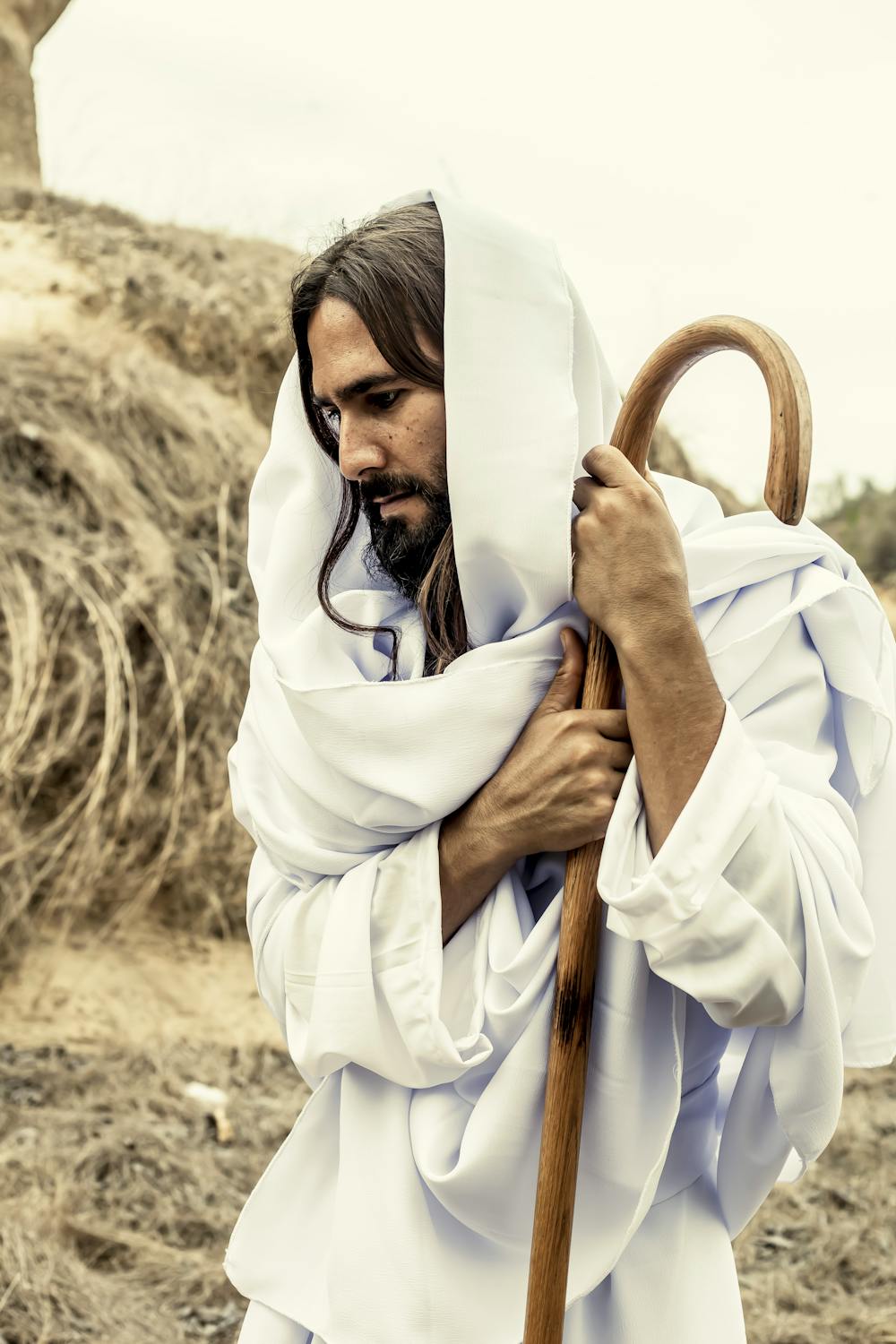
God chose a sign that could not be treated like decoration. Circumcision was personal, physical, and permanent, which made it different from an object someone could remove or forget. It marked the body itself, turning covenant identity into something carried for life. That is why Genesis 17 sounds so intense. The sign was not about comfort. It was about belonging so serious that it could not be reduced to a casual religious label.
It Connected the Covenant to Abraham’s Future Family
The location of the sign matters because God’s promise to Abraham centered on descendants. God promised that nations and kings would come from him, even though Abraham was old and Sarah had not yet given birth to Isaac. Circumcision placed the covenant mark on the part of the body connected with reproduction. That made the sign a living reminder that Abraham’s family line was not ordinary. Their future was tied to God’s promise, not human strength alone.
It Turned Private Obedience Into Public Identity
Circumcision was private in practice, but public in meaning. Every male in Abraham’s household bore the same covenant sign, making the family visibly distinct from the surrounding peoples. This was not just Abraham having a personal spiritual experience. His entire household was pulled into a shared identity. God was forming a covenant people, and the sign made that identity concrete. It told the next generation that faith was not meant to stay invisible forever.
It Forced Abraham to Trust God With His Body
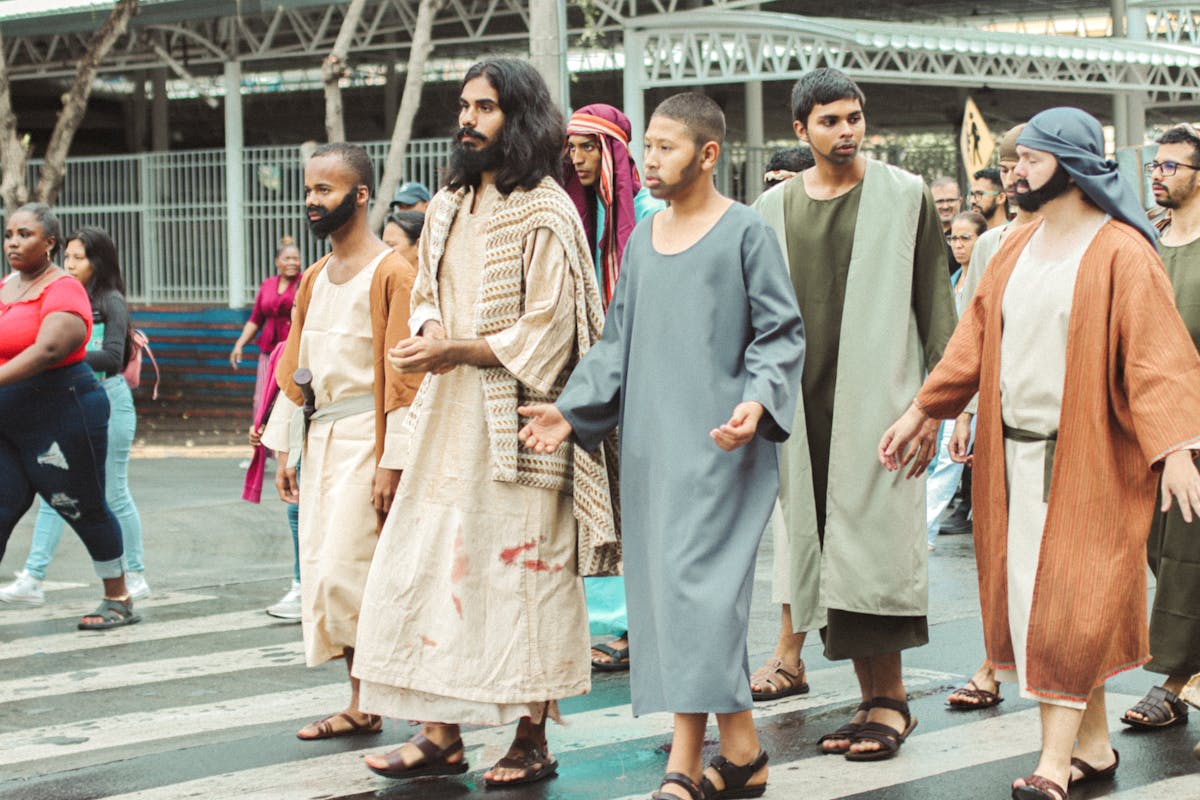
Abraham had already heard God’s promises, but circumcision required action. He had to trust God with his own body at ninety-nine years old, which makes the command feel even more striking. This was not easy obedience. It was costly obedience. The act showed that Abraham’s faith was more than agreement in his mind. He responded with his body, his household, and his future. That is why the passage carries such weight.
The Blood Pointed to the Seriousness of the Covenant
Modern readers often separate religion from blood, but the Bible often connects covenant with sacrifice, cost, and life. Circumcision involved blood because the covenant with God was never presented as casual membership. Blood reminded Abraham’s household that belonging to God involved surrender and seriousness. The mark said that this relationship was not light, trendy, or temporary. It carried weight, obligation, promise, and consequence.
It Separated Abraham’s Household From the Nations Around Them
God called Abraham out from his former life and made him the beginning of a covenant people. Circumcision became a boundary marker separating his household from surrounding nations. It did not mean every circumcised person had a faithful heart, but it did identify them with the covenant community. The sign created a line of distinction. Abraham’s family was being shaped by God’s promise, not by the customs of nearby cultures.
It Showed That Faith Still Required Response
The Bible later makes clear that Abraham was counted righteous by faith before circumcision, which is an important detail. The physical sign did not create faith by itself. It answered faith. That changes the way the command should be read. God was not asking Abraham to earn the promise through pain. He was asking Abraham to respond to the promise through obedience. Circumcision became the outward seal of a trust that had already begun.
The Eighth Day Added Rhythm to Covenant Life
Genesis 17 says male children were to be circumcised on the eighth day. That detail turned the covenant sign into a generational rhythm. Each new son entered life under the reminder that his identity was connected to God’s promise to Abraham. The timing also made the covenant something parents passed down, not something each generation invented from scratch. Faith, family, and obedience became tied together from the beginning of life.
The Prophets Pushed the Meaning Beyond Skin

The Old Testament later uses the language of circumcision to speak about the heart. That shift matters. God was never satisfied with a physical mark that left the inner life untouched. The prophets challenged people who bore the sign but inwardly resisted God. A marked body could still hide a stubborn heart. This is where the meaning becomes sharper. The physical sign was powerful, but it was never meant to replace humility, repentance, and love for God.
The New Testament Reframes the Sign Through Christ
For Christians, circumcision is no longer treated as the required covenant badge. The New Testament points to a deeper work of God, often described as a spiritual cutting away of sin and old identity. That does not make Genesis 17 meaningless. It shows how the story moves forward. The old sign pointed to belonging, promise, blood, and surrender. In Christ, those themes move from the flesh to the heart, from ethnic boundary to faith, and from physical mark to spiritual renewal.
Why This Strange Command Still Matters
The command can sound shocking because it was supposed to be serious. God gave Abraham a sign that touched the body, family, future, and identity all at once. Circumcision was painful because covenant was costly. It was bloody because belonging to God was never presented as a soft religious accessory. It was permanent because God’s promise was not meant to be picked up and dropped when convenient.
The deeper lesson is not that God enjoys pain. The deeper lesson is that God marks His people through commitment that reaches beneath the surface. Genesis 17 confronts readers with a hard question that still feels alive today: do we want a faith that costs nothing, or a covenant life that actually changes what we carry?