Caitlin Clark Fever Rumors Turn Ugly After Stephanie White Tension Claims Explode
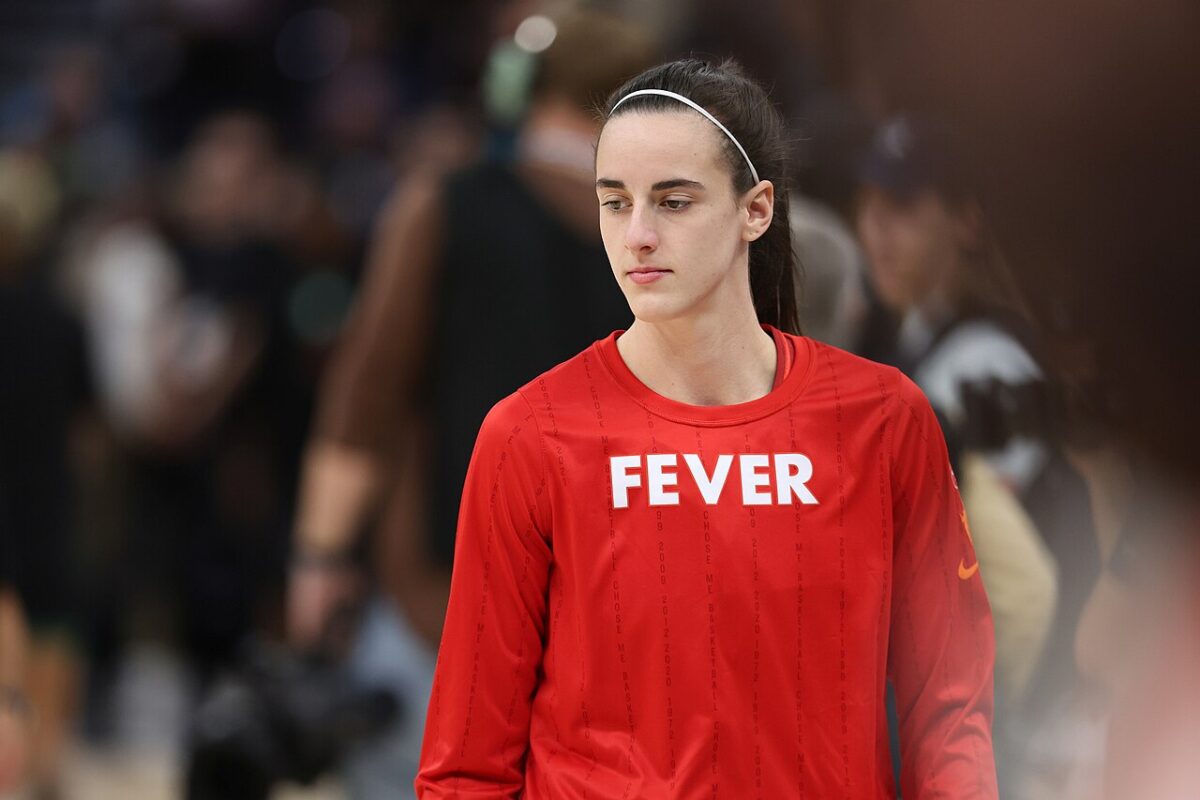
The Caitlin Clark conversation has reached the dangerous part of every superstar story. The shot still went in, the crowd still erupted, and the Indiana Fever still walked away with the kind of win that should have calmed the noise. Instead, one deep three against the Washington Mystics turned into a louder question about Clark, Stephanie White, and whether the Fever are building around their franchise star or forcing her into something smaller.
We are watching a team that should feel electric, yet every possession seems to invite a second debate. When Clark scores, people ask whether she is carrying too much. When she struggles, people ask whether the system is choking her rhythm. When she hits a game-winner, people still study the bench reaction, the timeout body language, the substitution pattern, and the postgame tone like they are reading the final page of a messy basketball marriage.
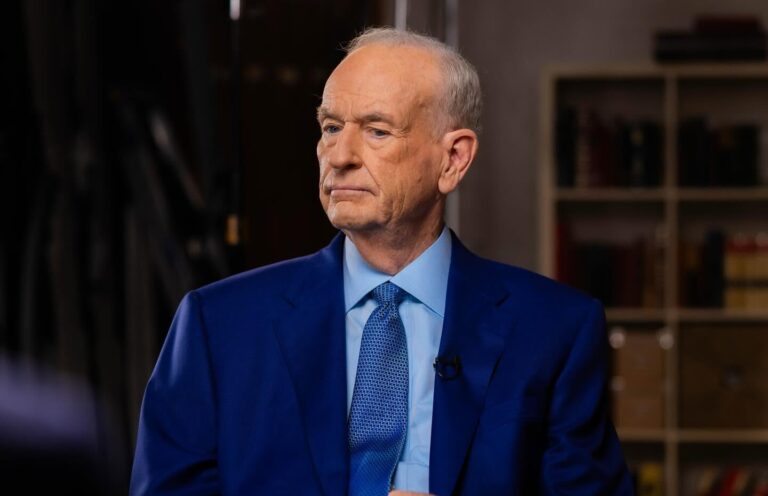
That is why the latest claim from analyst Jason Whitlock landed so hard. His suggestion that Clark may have played her last game with Stephanie White or even with the Fever is not a confirmed report, but it did capture the mood surrounding Indiana. The Fever are not just fighting opponents anymore. They are fighting expectation, frustration, superstar pressure, and a fan base that sees every awkward moment as evidence of a deeper problem.
Caitlin Clark’s Game-Winner Did Not Kill the Fever Drama
A 31-foot winner should have been the cleanest headline in basketball. Clark rose from deep, buried the shot with 1.2 seconds left, and pulled Indiana out of trouble in a 78-76 road win over the Washington Mystics. It was exactly the kind of moment that made her famous at Iowa and exactly the kind of shot that the Fever imagined when they drafted her No. 1 overall.
Yet the celebration did not feel simple. The shot became less of a happy ending and more of a new beginning for speculation. Fans were not only replaying the release, the distance, and the clutch nerve. They were replaying the sideline, the coach-player energy, the substitutions, and the visible emotion around Clark.
That is the strange burden of being Caitlin Clark in Indiana. A normal star gets praised for saving the night. Clark saves the night and still becomes the center of a larger argument about whether the Fever know how to use her. The game-winner gave Indiana a win, but it did not erase the unease hanging over the franchise.
Stephanie White Is Facing the Hardest Caitlin Clark Question
Stephanie White’s challenge is not simply coaching a talented guard. She is coaching the most watched player in the league, a player whose style is built on range, tempo, creativity, emotion, and total offensive control. That makes every decision around Clark feel bigger than a normal rotation call.
The criticism around White is easy to understand, even when it is not always fair. Fans want to see Clark unleashed, not managed into ordinary possessions. They want high ball screens, early offense, logo-range pressure, quick decisions, and a system that bends defenses before they can get comfortable. When Clark looks boxed in, the blame naturally moves toward the bench.
Still, coaching a superstar is not just giving her the ball and stepping aside. White has to balance Clark’s freedom with turnovers, defensive assignments, foul trouble, fatigue, and the needs of other Fever scorers. The issue is that fans are no longer judging only the result. They are judging whether the process feels worthy of Clark’s gifts.
The Substitution Pattern Has Become a Fever Flashpoint

Few things irritate a superstar fan base faster than seeing its best player sit while momentum slips away. That is why Clark’s minutes and substitution timing have become such a heated topic. When she appears ready to push the pace, fans want her on the floor. When she is pulled after finding rhythm, the reaction is immediate.
This is where the Fever’s internal basketball decisions become public drama. A coach may see fatigue, matchups, defensive mistakes, or long-term management. Fans see a generational scorer being cooled off by the person who should be empowering her. Both things can exist at once, but the optics are brutal when the team looks uneven.
For Indiana, this is more than a rotation issue. It is a trust issue. If Clark feels she needs more control and White feels she must protect the team structure, the Fever have a delicate problem. The longer that tension appears visible, the louder the outside noise becomes.
Clark’s Shooting Slump Made the System Look Worse
Clark’s recent shooting struggles gave critics more ammunition. Before the Mystics game, her previous stretch raised real questions about rhythm, shot quality, spacing, and confidence. When a shooter of Clark’s level starts missing often, people do not only blame the shooter. They examine the system feeding her shots.
That is especially true because Clark’s value is not limited to scoring. Her range stretches defenses, her passing punishes rotations, and her pace can turn ordinary possessions into chaos. If she is standing too much, catching the ball too late, or forced into crowded looks, the Fever lose the very advantage that makes her different.
The Mystics game reminded everyone why patience matters. Even after an uneven night, Clark still had the nerve to take the biggest shot on the floor. That kind of confidence cannot be manufactured, but it can be protected. Indiana’s job is to make sure the system feeds that confidence instead of draining it.
The Fever Cannot Treat Clark Like a Normal Star
Every franchise says it wants a superstar until the superstar changes the rules. Clark changes ticket demand, television attention, road crowds, media coverage, defensive game plans, and league conversation. That level of attention is a gift, but it also exposes every weak spot inside the organization.
The Fever cannot build around Clark halfway. If she is the engine, the roster, spacing, tempo, and late-game offense must reflect that. If she is expected to play more conventionally, Indiana risks removing the very chaos that makes her special. The worst outcome would be turning an extraordinary player into a merely productive one.
This does not mean Clark should be above coaching. It means the coaching must understand the asset. A player with her range and vision should force the franchise to think differently. The Fever need a system that gives her structure without shrinking her imagination.
The Jason Whitlock Prediction Hit a Nerve Because Fans Already Felt It
Whitlock’s claim that the Mystics game “seemed like an ending” spread because it matched a feeling already building among Fever watchers. It was not just about one shot or one sideline clip. It was about a collection of moments that fans had been gathering into a bigger story.
That story may be exaggerated. It may be premature. It may be shaped by social media’s habit of turning every glance into a scandal. But it would be a mistake to ignore why people are listening. The Fever have not looked settled enough to make the rumors disappear.
When a team is winning cleanly, speculation fades. When a team looks tense, inconsistent, and emotionally heavy, every theory finds oxygen. Indiana can dismiss the noise publicly, but the easiest way to silence it is by playing with clarity. Right now, clarity is exactly what the Fever still lack.
Kelsey Mitchell and Aliyah Boston Are Part of the Fit Question
Clark is the headline, but the Fever’s bigger puzzle includes Kelsey Mitchell and Aliyah Boston. Mitchell is a dangerous scorer who needs touches and rhythm. Boston is a foundational frontcourt player who gives Indiana interior balance. The challenge is making all three stars feel connected instead of crowded.
Great teams do not simply collect talent. They define roles that make the talent sharper. Clark’s passing should make Boston easier to find. Boston’s screening and interior gravity should make Clark harder to trap. Mitchell’s shot-making should punish defenses that lean too far toward Clark. On paper, the pieces make sense.
The issue is consistency. Too often, the Fever can look like talented players taking turns instead of a machine forcing impossible choices. If Indiana wants to move beyond drama, the offense needs to look less negotiated and more natural. Stars do not need equal attention every possession. They need a shared identity that everyone trusts.
The Fever Front Office May Face a Brutal Decision If This Continues
If the tension grows, Indiana’s front office will not be able to hide behind patience forever. A franchise with Clark does not get the luxury of drifting. Every season matters because her rookie contract years are valuable, her influence is massive, and fans and media are already watching her competitive clock.
The Fever do not need to panic after an early-season stretch, but they do need to be honest. If the coach-player fit is strong, the organization should make that visible through better basketball, cleaner communication, and a more convincing offensive identity. If the fit is not strong, delaying the decision only makes the noise worse.
Superstar eras can turn quickly. One month can shift from growing pains to warning signs. One public disagreement can become a national story. One awkward postgame clip can shape perception for days. Indiana must control the basketball before the drama controls the franchise.
Clark’s Future in Indiana Depends on More Than One Viral Moment
Clark’s future with the Fever should not be judged by one game, one analyst prediction, or one emotional clip. That would be too simple for a situation this layered. The real question is whether Indiana can create a basketball environment where Clark’s talent feels expanded, not controlled.
The Fever still have time to change the tone. A winning streak, a cleaner offense, better late-game execution, and stronger public alignment between Clark and White would quiet much of the speculation. Basketball has a way of making drama look foolish when the results become undeniable.
But if the same problems continue, the pressure will only grow. Clark is too visible, too marketable, and too important to the league for her situation to feel ordinary. Indiana does not have to choose chaos, but it must choose direction. The franchise cannot afford to look unsure while its biggest star is still waiting for the system to fully meet her.