10 Silent Problems That Can Make Living Alone After 60 More Dangerous Than It Seems
Living alone after 60 is often sold as a symbol of independence. For many older adults, it can be exactly that: peaceful, dignified, and deeply personal. But independence becomes dangerous when families confuse privacy with proof that everything is fine.
The problem is not living alone itself. The problem is how easily small risks hide behind a tidy living room, a cheerful phone call, or the familiar phrase, I am doing fine. By the time relatives notice the truth, the issue may already have become a fall, a missed medication, a scam, or a quiet mental health crisis.
A fall no one sees

A fall is one of the most obvious dangers of living alone, but the silent part is what happens after it. An older adult can fall in the bathroom, hallway, kitchen, or yard and have no one nearby to respond quickly. Even a fall that does not look dramatic can lead to injury, fear, and a loss of confidence.
Families often focus on whether the person can still walk, cook, or drive. They may overlook loose rugs, poor lighting, slippery bathroom floors, or stairs that have become harder to manage. One missed step can turn a normal day into a medical emergency.
Medication mistakes

Medication problems rarely announce themselves loudly at first. A missed dose here, a double dose there, or a pill taken at the wrong time can look like simple forgetfulness. But for older adults managing blood pressure, diabetes, pain, sleep, or heart conditions, small mistakes can become serious.
Living alone makes this worse because no one may notice the pattern. Pill bottles can pile up. Refills can be delayed. Side effects can be mistaken for aging. The danger is not just the medication itself, but the absence of another person asking the right questions before something goes wrong.
Loneliness disguised as privacy.
Many families tell themselves their loved one simply enjoys being alone. That may be true, but loneliness is not always visible. Some older adults stop admitting they feel lonely because they do not want to worry their children, look needy, or seem unable to cope.
The result can be a quiet emotional decline. Fewer conversations can mean fewer chances for someone to notice depression, confusion, poor eating, or changes in behavior. Privacy is healthy, but isolation can become a slow form of harm when no one checks beneath the surface.
Poor eating habits

Cooking for one person can become tiring, especially after decades of preparing meals for a family. Some older adults begin skipping meals, eating toast and tea for dinner, relying on packaged foods, or losing interest in food altogether. From the outside, this can be hard to detect.
The refrigerator may still contain food, but that does not mean the person is eating well. Expired groceries, repeated convenience meals, weight loss, weakness, and low energy can all point to a deeper problem. Nutrition can slip quietly because hunger is easier to hide than a broken bone.
Delayed medical help
Living alone can make people wait too long before getting help. A strange pain, dizziness, shortness of breath, swelling, or confusion may be dismissed as nothing. Some older adults do not want to bother anyone. Others fear that admitting a problem will lead to losing their independence.
This delay can be dangerous. Medical issues that could have been treated early may become emergencies because no one was there to push for care. Families should pay attention when an older adult repeatedly minimizes symptoms or avoids appointments.
Cognitive changes
Forgetfulness is often brushed off as a normal part of aging, but that assumption can be risky. Losing keys is one thing. Forgetting bills, leaving the stove on, missing appointments, repeating the same questions, or getting lost in familiar places is different.
Living alone can hide cognitive decline because there is no daily witness. A person may sound fine during a short phone call, yet struggle with mail, cooking, hygiene, finances, or medication. Families should not rely only on polished conversations. They need to look at how the person is managing daily life.
Home hazards

A home that once felt safe can become a trap over time. Narrow pathways, cluttered rooms, dim lighting, extension cords, steep stairs, unstable furniture, and hard-to-reach cabinets can all pose hidden dangers. The older adult may not notice these risks because the home feels familiar.
Families often hesitate to interfere because they do not want to insult someone’s independence. But home safety is not an accusation. It is basic prevention. A few changes, such as better lighting, grab bars, cleared walkways, and safer bathroom surfaces, can make the difference between independence and injury.
Financial exploitation

Living alone can make older adults easier targets for scams. Fraudsters know how to use fear, romance, urgency, fake authority, and loneliness. A person who spends long stretches alone may be more willing to answer calls, respond to messages, or trust someone who appears friendly.
The warning signs can be subtle. New secrecy around money, unusual withdrawals, unpaid bills, sudden interest in cryptocurrency, gift card purchases, or a new online relationship should not be ignored. Families should treat these signs seriously without shaming the person, because shame often makes victims hide the problem longer.
Poor hygiene and house decline
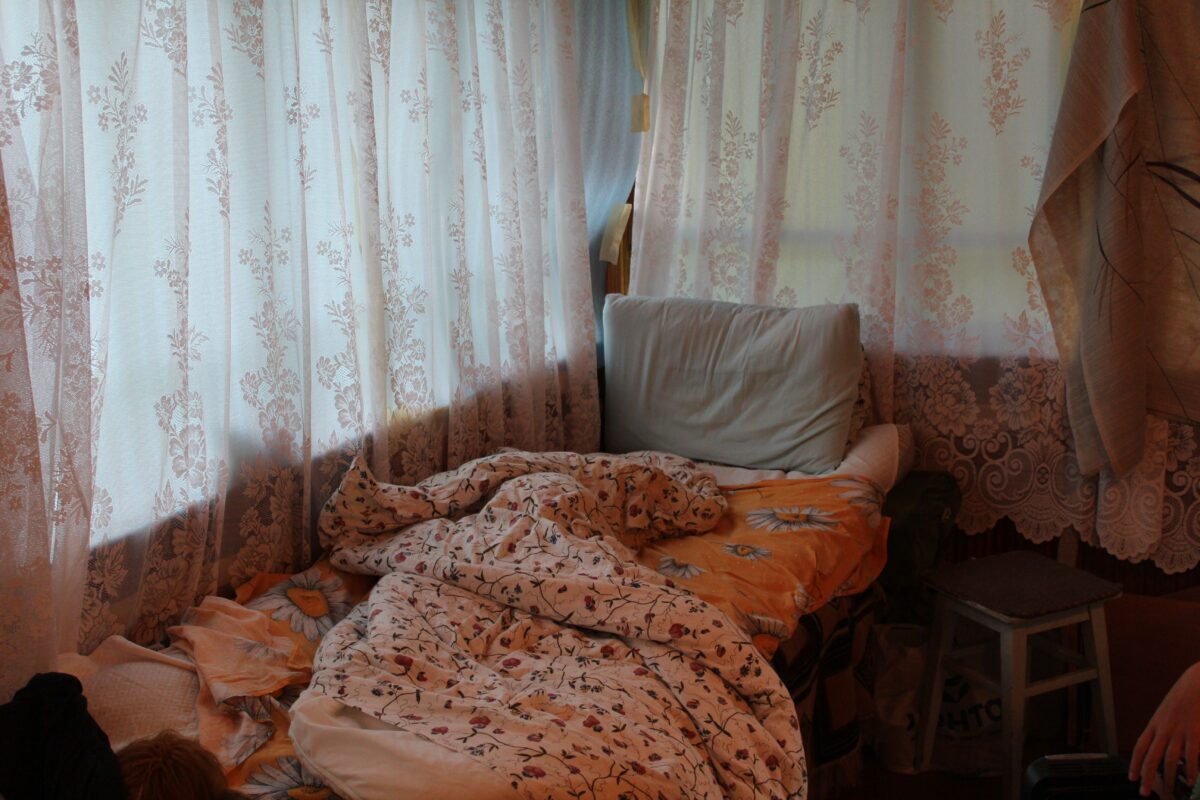
When someone lives alone, changes in hygiene and housekeeping may happen slowly. Laundry piles up. Dishes stay in the sink. Mail stacks on tables. The bathroom becomes less clean. Clothes are worn repeatedly. These signs can be easy to miss if visits are rare.
This is not about judging someone’s home. It is about noticing whether daily tasks have become too much. A decline in hygiene or house care can point to depression, pain, cognitive changes, poor vision, fatigue, or fear of falling. The mess is often a symptom, not the real problem.
Emergency silence
One of the greatest risks of living alone is silence during a crisis. If an older adult falls, becomes confused, has chest pain, suffers a stroke symptom, or experiences a sudden illness, every minute matters. Without a check-in system, an emergency can go unnoticed for hours or even days.
Families should not wait for a disaster before making a plan. Regular calls, trusted neighbors, medical alert devices, shared emergency contacts, spare keys, and agreed check-in times can protect independence rather than destroy it. The goal is not control. The goal is to make sure no one disappears behind a closed door when they need help most.
Conclusion
Living alone after 60 is not automatically unsafe, and families should not treat older adults like children. But pretending there are no risks is not respecting. It is avoidance dressed up as politeness.
The critical question is not whether an older adult can live alone today. The real question is whether the home, routines, health needs, social support, and emergency plan are strong enough for tomorrow. Independence should be protected, but it should never be left completely unguarded.