Volkswagen’s 100,000 Job Cuts Expose a Deeper Crisis Inside Germany’s Auto Empire
Volkswagen’s 100,000 job cuts are not just another corporate cost-cutting headline. They reveal something colder and more historic: one of Germany’s greatest industrial machines is struggling to fit into the auto market it once helped define. A company that still sells millions of vehicles now faces a painful question about profit, speed, labor, China, tariffs, and the future of European manufacturing.
The reported 100,000 job cuts at Volkswagen come at a time when the global car industry is no longer rewarding size alone. Automakers must now compete on software, batteries, price, supply chains, local production, and geopolitical flexibility. Volkswagen still has scale, famous brands, and deep engineering strength, but those advantages no longer guarantee control.
That is what makes this moment so consequential. Volkswagen is not fighting one bad year. It is fighting a new industrial reality that challenges the old German formula of designing at home, building in Europe, and exporting worldwide.
A Giant Still Moving, but No Longer Moving Cleanly
Volkswagen remains enormous by almost every traditional measure. The group reported more than €321 billion in 2025 sales revenue and sold around 9 million vehicles. Those figures suggest strength, reach, and customer trust across global markets.
Yet the profit picture tells a harsher story. Volkswagen’s operating result fell by more than half in 2025, and its operating margin dropped to 2.8%. That gap between revenue and profit lies at the heart of the Volkswagen 100,000-job-cuts story.
A weaker company can blame its collapse on vanishing customers. Volkswagen cannot use that simple excuse. Its problem looks more troubling because buyers still exist, factories still operate, and brands still matter, yet the business no longer generates enough profit to justify its own weight.
This is why the reported 100,000 job cuts at Volkswagen feel less like routine trimming and more like structural surgery. The company appears too heavy for a market that now punishes slow decisions and expensive production. Size has become both a shield and a burden.
The Old German Export Model Meets a Harder World
For decades, Volkswagen’s strength came from a trusted model. It developed cars in Germany, produced them in large numbers in Europe, and sold them worldwide. That system helped turn the company into a symbol of postwar German industrial confidence.
The world around that model has changed. Trade barriers have grown, political risk has intensified, and major markets now demand local production. U.S. tariffs make export-heavy strategies more expensive and less predictable.
The Volkswagen 100,000 job cuts highlight this wider shift. They show how a company built for globalization must now survive in an age of regional rivalry. Factories can no longer assume that global scale will protect every production line.
This matters beyond Volkswagen. Germany built much of its modern economic identity on precision manufacturing and export strength. If Volkswagen must rethink that model so aggressively, other European industrial giants may face similar pressure.
China Did Not Just Compete, It Changed the Game
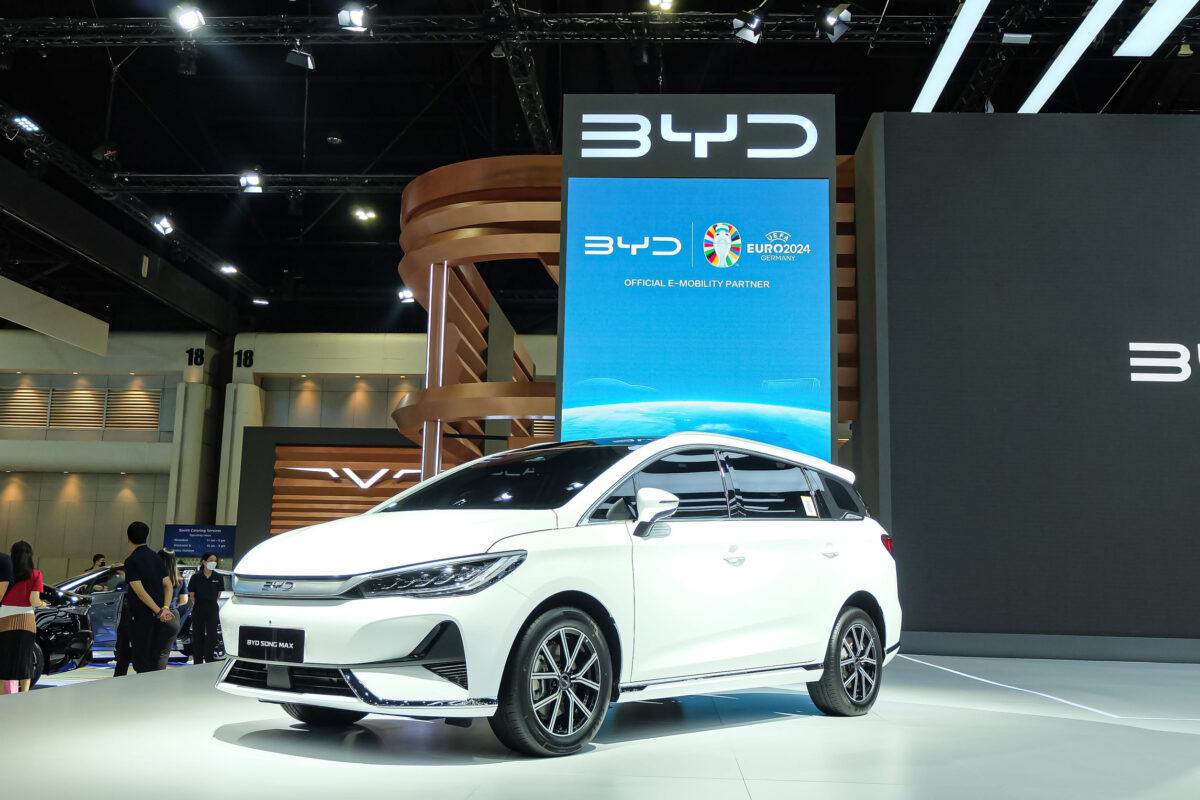
Volkswagen once enjoyed deep strength in China. The company became one of the most trusted foreign automakers in the world’s largest car market. For years, China helped support Volkswagen’s global growth story.
That advantage has weakened as Chinese automakers have become faster and more confident. Brands such as BYD, Geely, SAIC, and Chery now compete with strong electric vehicles, plug-in hybrids, modern interiors, and aggressive pricing. They understand local buyers and move with remarkable speed.
The Volkswagen 100,000 job cuts sit partly inside this China shock. Volkswagen is not only losing ground in a foreign market. It now faces Chinese competitors that are expanding into Europe, where Volkswagen once felt more protected.
That shift changes the meaning of competition. China is no longer just a sales region for Volkswagen. It has become the training ground for rivals that now challenge Volkswagen at home and abroad.
The EV Promise Now Carries an Uncomfortable Question
The reported plant discussions make the electric vehicle angle especially sensitive. Zwickau became a major symbol of Volkswagen’s EV transition after its conversion to electric production. Emden also became central to Volkswagen’s electric strategy.
That makes the Volkswagen 100,000 job cuts more complicated than a story about outdated factories. Some of the pressure touches plants linked to the future Volkswagen promised investors, workers, and governments. The company may not only be cutting away the past.
Electric vehicles still remain central to the auto industry’s future. The problem is that the transition costs enormous money before it guarantees steady profit. Automakers must pay for batteries, software, platforms, factory changes, and new supply chains while still managing combustion-engine demand.
Volkswagen now faces the painful middle stage of transformation. If it moves too slowly, faster EV rivals gain ground. If it moves too aggressively, it risks pouring capital into capacity that demand may not support quickly enough.
Factory Towns Carry the Human Weight
A large Volkswagen plant does not exist in isolation. It supports suppliers, local shops, logistics firms, apprenticeships, contractors, and public budgets. When a factory loses production, the damage spreads through streets, homes, and regional economies.
That is why the Volkswagen 100,000 job cuts carry a human force that financial reports cannot fully capture. In places such as Hanover, Emden, Zwickau, and Neckarsulm, Volkswagen means more than a paycheck. It shapes identity, training, community status, and family planning.
The workers did not create the global tariff system. They did not design China’s EV surge or write every strategic decision that Volkswagen now questions. Yet workers often feel restructuring first, through uncertainty, early exits, transfers, and fear.
This social cost will make the fight harder. Labor leaders will not treat the Volkswagen 100,000 job cuts as a narrow business correction. They will see them as a threat to Germany’s industrial promise.
A Political Company Tries to Move at Market Speed
Volkswagen does not operate like a lean technology start-up. Its governance includes strong labor influence, powerful worker representatives, and the political weight of Lower Saxony. That structure helped preserve jobs and stability for decades.
Now the same structure may slow down difficult decisions. Volkswagen needs speed, but its system favors negotiation. It needs flexibility, but its culture values security and consensus.
The Volkswagen 100,000 job cuts will test that balance. Management may argue that the company must shrink to stay competitive. Labor leaders will argue that workers should not carry the cost of a delayed strategy and executive misjudgment.
Both arguments carry force. A company that cannot compete cannot protect jobs forever. A company that breaks trust with workers can also damage the very culture that made it strong.
Investors Want More Than a Smaller Volkswagen
Markets often reward aggressive restructuring when investors believe it will produce a stronger company. Volkswagen’s case raises a tougher question. Will the Volkswagen 100,000 job cuts create a sharper company, or simply a smaller one?
Cost cuts can lift margins, but they cannot create desirable vehicles on their own. Plant closures can reduce overcapacity, but they cannot automatically restore pricing power in China. Lower investment can protect cash today, yet weaken innovation tomorrow.
That is why the next stage matters. Volkswagen must show that the cuts are connected to a clear industrial strategy. It needs better products, faster software execution, stronger regional decision-making, and a more convincing EV profit path.
Investors will not accept pain as proof of progress forever. They will look for evidence that Volkswagen still understands where the next generation of car buyers is moving. Restructuring can open the door, but strategy must walk through it.
The Broader Warning for Europe’s Industrial Future
Volkswagen’s crisis reflects a wider European problem. The continent still has skilled workers, admired brands, and advanced engineering. Yet those strengths face pressure from energy costs, regulation, tariffs, software competition, and faster Asian rivals.
The Volkswagen 100,000 job cuts show how quickly industrial prestige can give way to financial pressure. Europe’s old advantage came from quality, reliability, and manufacturing depth. The new market also demands speed, digital experience, and affordability.
This does not mean European industry has lost its future. It means the future will not arrive by reputation alone. Companies must earn it through sharper execution and a willingness to rethink old assumptions.
For Germany, the stakes feel especially high. Volkswagen has long represented more than cars. It represents the promise that disciplined engineering and social partnership could build prosperity across generations.
The Cost of Rebuilding While the Road Is Moving
Volkswagen must now rebuild while still operating at a global scale. It cannot pause production, settle every labor dispute, and relaunch itself from a clean sheet. The company must transform while competitors keep taking orders.
That makes the Volkswagen 100,000 job cuts both drastic and incomplete. They may reduce costs, but they do not solve every market weakness. Volkswagen still needs to win customers in China, defend its European business, manage U.S. trade exposure, and fund its EV transition.
The company also needs to protect morale. Workers who fear closure rarely feel inspired by slogans about transformation. Engineers, designers, and factory teams need proof that sacrifice leads somewhere credible.
This is where leadership becomes decisive. Volkswagen must explain not only what it wants to cut, but what it wants to become. Without that second part, the story remains one of decline rather than renewal.
When Being Big Is No Longer Enough
The Volkswagen 100,000-job cuts expose a truth many legacy companies fear. Scale can help a business survive shocks, but scale can also hide weakness until the correction becomes enormous. Volkswagen’s size delayed the reckoning, but it did not cancel it.
The auto industry now rewards companies that can adjust quickly. It rewards local insight, lower cost structures, software confidence, and product clarity. Volkswagen still has major strengths, but it must make those strengths work in a faster market.
The most serious risk is not that Volkswagen will disappear. The brand remains too large, too embedded, and too valuable for that simple reading. The real risk is that Volkswagen becomes a slower, less profitable version of itself while rivals define the future.
The reported 100,000 job cuts at Volkswagen may become a turning point if they force honest renewal. They may also serve as a warning of what happens when an industrial giant waits too long to simplify, adapt, and compete differently. The question now is whether Volkswagen can shrink its burden without shrinking its ambition.