A New Era Tech Empire Is Blurring the Line Between Machines and Human Life
Elon Musk is no longer just known as the electric car entrepreneur, the rocket builder, or the billionaire behind a major social media platform. He is now developing something far larger and more complex. Through companies like SpaceX, Tesla, Neuralink, xAI, X, and The Boring Company, he is constructing a business network that stretches across transportation, communications, healthcare, artificial intelligence, space exploration, and even neuroscience.
That is why many Americans are paying close attention. This is not simply a story about wealth or innovation. It is about the growing influence one individual may have over the systems people rely on to drive, work, communicate, travel, learn, and potentially receive advanced medical treatment.
A Rocket Company Is No Longer Just About Rockets
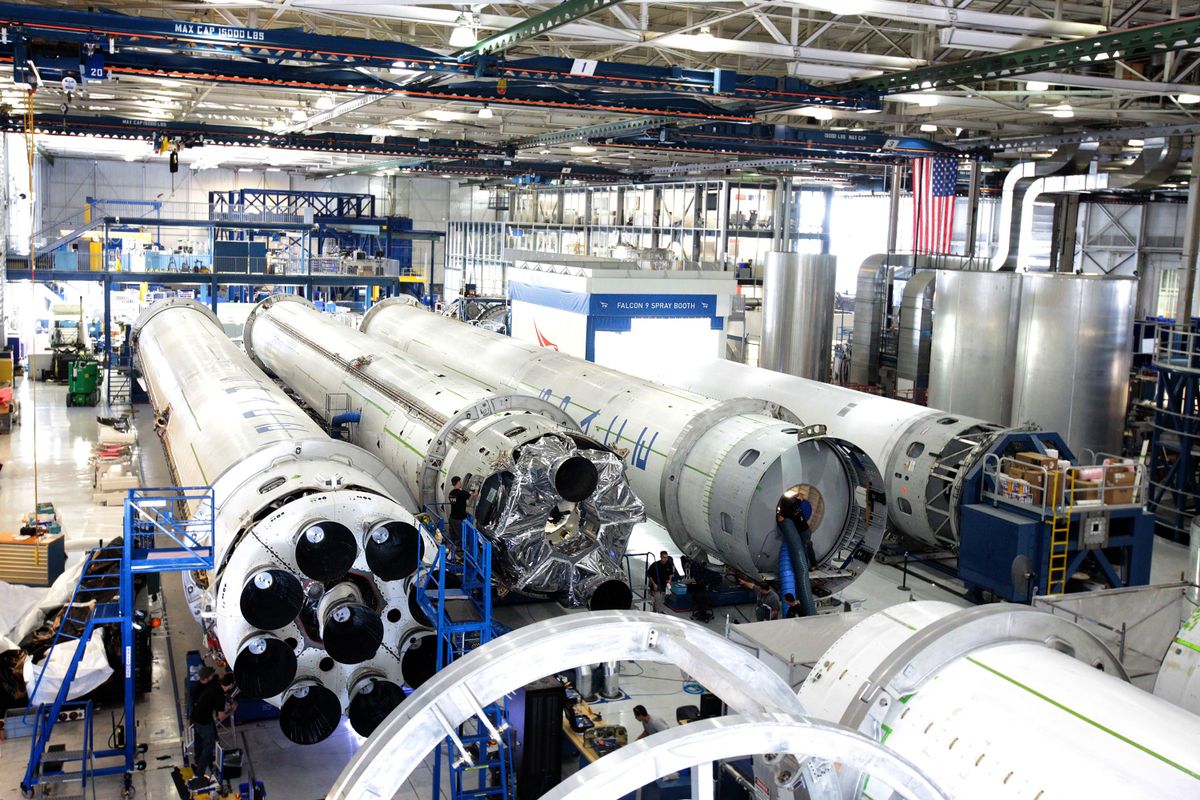
SpaceX started as a company with a bold mission: to make space more accessible and eventually help humans reach Mars. Today, it has become one of the most powerful private space companies in the world.
Its rockets support satellite launches, government contracts, commercial missions, and the growing Starlink internet network. That matters because space is no longer a distant science story. It now affects internet access, military planning, emergency communication, and global business.
For Americans in rural areas, Starlink has already changed the conversation around internet access. For the government, SpaceX has become a major partner in space operations. For investors, its growth has turned space into something that feels closer to Wall Street than science fiction.
The concern is just as clear as the excitement. When one private company becomes deeply tied to satellites, launches, and communication systems, people naturally ask who controls the future of access, pricing, and reliability.
Tesla Changed the Road Before America Was Ready
Before Tesla became a household name, electric cars were often treated like slow, strange vehicles for a narrow market. Tesla helped make them fast, desirable, and mainstream.
That shift pushed major automakers to rethink their future. Ford, General Motors, Hyundai, Toyota, and others all had to answer the same question: if Tesla could make electric vehicles aspirational, how long could the old car business remain unchanged?
But Tesla is no longer just about cars. It is about batteries, charging networks, software, driver assistance, robotics, and data. Every Tesla on the road is also part of a larger experiment in how vehicles can become rolling computers.
For Americans, that has real consequences. The future car may not just be something people own. It may be something that updates itself, tracks driving patterns, connects to energy systems, and depends heavily on software decisions made far from the driver’s seat.
Neuralink Brings the Empire Into the Human Body
Neuralink may be Musk’s most personal and unsettling company because it deals directly with the brain. The company’s goal is to build brain-computer interfaces that allow people to control devices using neural signals.
For patients with paralysis or severe neurological conditions, that idea could become life-changing. A person who cannot move freely may one day communicate, use a computer, or interact with the world in ways that once seemed impossible.
That is the hopeful side of Neuralink, and it deserves to be taken seriously. Medical technology has always advanced because someone imagined a tool that seemed impossible at first.
Still, the questions are enormous. Brain implants are not like phones, cars, or apps. They raise concerns about safety, consent, privacy, long-term effects, and who gets access if the technology becomes expensive. If computers get closer to the brain, Americans will have to decide how much trust they are willing to place in private companies.
xAI and X Are About Attention, Data, and Power
Musk’s AI ambitions are closely tied to xAI and X. Together, they point toward a future in which social media, artificial intelligence, real-time information, and public conversation may become deeply interconnected.
That could be useful. AI tools can help people search faster, summarize information, answer questions, and make digital work less overwhelming. In a busy world, that kind of help can feel powerful.
But AI also raises major concerns. Who trains the models? What data do they use? Who decides what information gets amplified, buried, challenged, or trusted? These are not small questions, especially when millions of people already depend on digital platforms to understand politics, culture, money, and world events.
The deeper Musk moves into AI, the more his empire becomes about thinking itself. It is not just about making machines smarter. It is about shaping how people receive information and how they decide what is true.
The Boring Company Shows a Different Kind of Ambition
The Boring Company does not get the same attention as SpaceX or Tesla, but it fits the same pattern. Musk looks at a frustrating American problem and tries to redesign the system around it.
Traffic is one of those problems. In many cities, people lose hours every week sitting in traffic. The Boring Company’s tunnel projects aim to create new transportation routes beneath crowded urban areas.
The idea sounds simple: move some traffic underground and reduce congestion above. In practice, the challenge is much harder. Tunneling is expensive, regulation is slow, and public infrastructure requires trust from cities, taxpayers, and commuters.
Still, the company reveals something important about Musk’s larger strategy. He does not just want to sell products. He wants to rebuild systems that people rely on every day.
The Promise Is Huge, but So Is the Risk
Musk’s supporters see a builder who takes on problems other companies avoid. They point to reusable rockets, electric cars, satellite internet, AI tools, and medical implants as proof that big ideas can become real.
His critics see something more troubling. They worry about too much power being concentrated across industries that shape public life. Transportation, space, communication, artificial intelligence, and medical technology are not minor markets. They are the backbone of modern society.
Both views can be true at the same time. Musk’s companies have pushed industries forward, but they have also forced Americans to ask harder questions about accountability, regulation, safety, and corporate influence.
When one person is connected to cars, rockets, satellites, social platforms, AI systems, tunnels, and brain implants, the story becomes bigger than innovation. It becomes a question of control.
Why This Empire Matters to Ordinary Americans
The average American may never ride in a rocket, buy a Tesla, use a brain implant, or invest in SpaceX. But Musk’s empire could still shape daily life in quiet ways.
It could affect how people get internet service in rural communities. It could influence how cars are built and priced. It could change how workers use AI tools. It could shape online conversation. It could even affect how doctors treat certain neurological conditions in the future.
That is why the story matters beyond Silicon Valley. Musk is not just building companies that compete in separate industries. He is building a connected web of technology that could reach into the home, the workplace, the road, the hospital, and the sky.
The American question is no longer whether Elon Musk dreams big. That part is obvious. The bigger question is whether the country is ready for one private empire to sit so close to the systems that may define how Americans live, work, and think.