The Hidden Problem in plain Sight Keeping Americans From Buying Homes
The American dream of homeownership is being squeezed by rising mortgage rates, high prices, and tight inventory. A quieter problem is sitting behind the freshly painted model homes, the empty lots, the delayed subdivisions, and the unfinished framing crews across the country. We do not simply have a shortage of affordable homes. We have a shortage of the people needed to build them.
For many families, the housing crisis feels like a monthly payment problem. They see a home listed for more than their budget allows. They run the mortgage numbers. They watch the down payment stretch further out of reach. But before that home ever reaches a listing page, builders are already fighting a deeper battle: not enough carpenters, framers, electricians, plumbers, roofers, concrete workers, site managers, and skilled tradespeople to keep construction moving at the speed America needs.
America Needs More Homes, But Fewer Workers Are Building Them
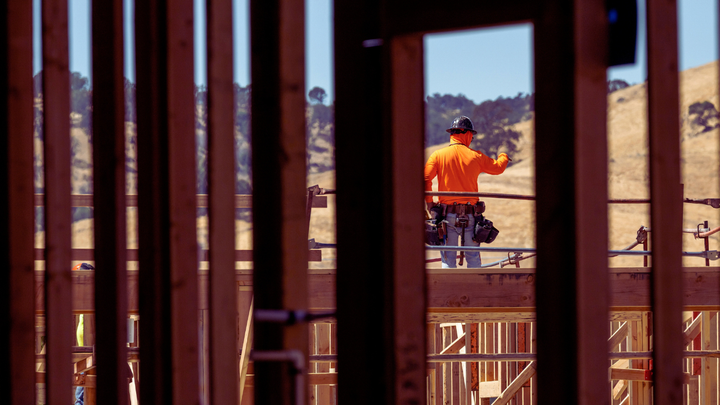
The basic math is brutal. America needs millions of additional homes, yet the construction industry continues to struggle with a persistent shortage of skilled labor. Builders have warned that the industry is short hundreds of thousands of workers each month, and the need for new workers is expected to remain high as older tradespeople retire and fewer younger Americans enter the field.
This is not a small staffing problem. It is a national production problem. When builders cannot fully staff projects, homes take longer to complete. A subdivision that should move quickly from grading to foundations to framing can sit in phases for weeks or months. A buyer who expected to move in during the spring may wait until summer. A builder carrying construction loans may pay more in interest. Those added costs rarely disappear. They often move straight to the home’s final price.
The Housing Affordability Crisis Begins on the Job Site
When we discuss home prices, we usually focus on the visible costs: land, mortgage rates, materials, insurance, property taxes, and local demand. Labor is less visible, but it is one of the largest and most expensive inputs in homebuilding.
Every home is a chain of specialized tasks. A delay in one trade can stall the next. If framers are unavailable, electricians cannot begin. If plumbers are backed up, inspections move later. If roofers are short, interior work may be exposed to weather delays. One missing crew member can trigger a domino effect throughout the entire construction schedule.
This is where affordability begins to break. Longer timelines mean higher financing costs for builders. Higher labor costs mean higher bids from subcontractors. Scheduling delays mean fewer homes delivered in a year. Fewer homes mean a tighter supply. Tight supply gives sellers more leverage and leaves buyers with fewer choices.
Immigration Has Become a Housing Supply Issue

The homebuilding workforce also depends heavily on immigrant labor. In many markets, immigrant workers make up a major share of crews that handle framing, drywall, roofing, concrete, landscaping, and other essential construction tasks. That reality turns immigration policy into a housing-supply issue, not just a border or labor-market debate.
When legal pathways for construction workers are limited, builders face a tighter labor pool. When enforcement uncertainty grows, contractors may hesitate to expand. When fewer workers are available, projects slow down, and costs rise. The effects are felt not in political speeches, but in monthly mortgage estimates, rent increases, and delayed move-in dates.
We can debate immigration policy from many angles, but the housing market exposes a practical truth: a country that wants more homes needs enough people who are legally authorized and properly trained to build them. Workforce development at home matters. So does a legal labor system that reflects actual construction demand.
Regulations, Permits, and Labor Shortages Create a Cost Trap
Labor is not the only pressure on builders. Regulations, permitting delays, zoning rules, building codes, impact fees, environmental reviews, and local approval processes also add major costs to new homes. Some rules protect safety and community standards. Others create slow, expensive bottlenecks that make housing harder to produce at scale.
The problem becomes worse when regulation and labor shortages collide. A delayed permit can push a project into a period when labor is more expensive. A shortage of inspectors can slow approvals. A change in code can require design revisions, new materials, or specialized workers who are already in short supply.
For builders, this creates a cost trap. They must pay more for labor, wait longer for approvals, absorb higher financing costs, and still produce homes at prices buyers can afford. In many cases, the numbers do not work. Builders may delay projects, reduce production, focus on higher-priced homes, or avoid markets where approval timelines are too unpredictable.
High Mortgage Rates Make Every Construction Delay More Expensive

Mortgage rates above 6% have already changed the buying power of American households. A buyer who could afford one price range when rates were near historic lows may qualify for a far lower price range today. Even when wages rise, higher borrowing costs can erase the gain.
This makes construction delays more damaging. When new homes arrive late, buyers remain stuck in a market where rates may shift, rents may rise, and savings may be drained by everyday costs. A delayed home is not just an inconvenience. It can change whether a buyer still qualifies for the mortgage.
Builders face similar pressure. Many rely on financing to acquire land, develop lots, and carry projects through completion. The longer a project takes, the more expensive that financing becomes. In a high-rate environment, time itself becomes a cost. Labor shortages stretch time. Buyers pay the bill.
Local Communities Feel the Shortage First
The national housing shortage shows up locally in very practical ways. In fast-growing Sun Belt communities, workers may move in faster than builders can produce housing. In expensive coastal markets, restrictive land-use rules and labor costs make new supply difficult. In smaller towns, a shortage of builders can leave families with few options beyond aging homes that need repairs.
Local employers also feel the pressure. A hospital, school district, police department, restaurant, warehouse, or manufacturing plant may struggle to hire if workers cannot afford to live nearby. Housing then becomes an economic development issue. Communities cannot grow smoothly if teachers, nurses, firefighters, service workers, and young families are priced out.
This is why the construction labor shortage should concern more than builders. It affects school enrollment, commute times, small business staffing, local tax bases, and family stability. When homes are not built, communities do not simply stay the same. They become more expensive, less flexible, and harder for ordinary workers to enter.