Free Meth And Crack Pipe Programs May Expand As Denver City Confronts Addiction, Homelessness And Public Safety
Denver is once again at the center of a fierce public health debate, and this time the argument is not only about drugs, homelessness, or city spending. It is about what a city should do when people are already using meth, crack cocaine, fentanyl, and other substances in public view, while residents, outreach workers, police, business owners, and families all live with the consequences.
At issue are city-backed harm reduction programs that distribute supplies such as sterile syringes, overdose reversal medication, testing resources, hygiene items, and safer smoking kits that can include pipes. Supporters say these services keep people alive long enough to reach treatment. Critics see the same programs as a taxpayer-supported signal that Denver is managing addiction instead of ending it.
Denver City Council Faces a High-Stakes Vote on Harm Reduction Funding
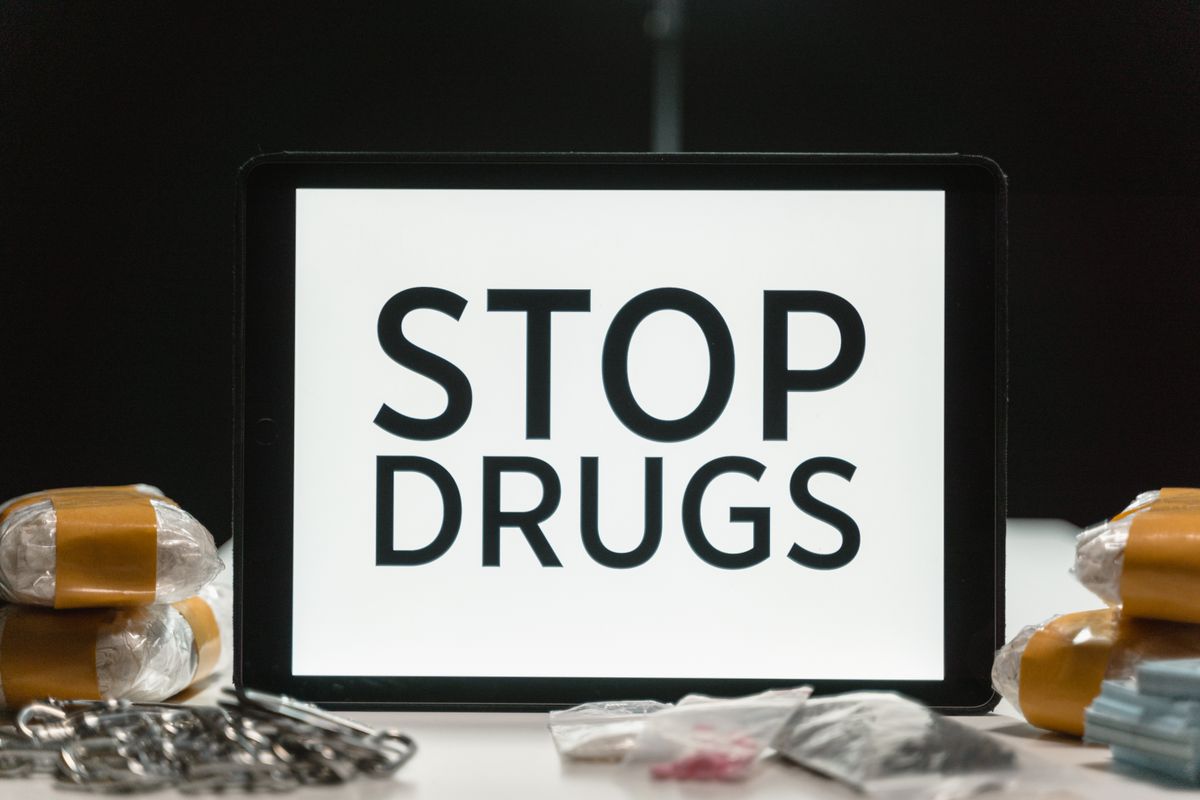
The immediate question before Denver leaders is whether unused contract money should roll into the next budget year for two organizations already working with people affected by substance use. The contracts involve Advocates for Recovery Colorado and Colorado Health Network, two groups with distinct yet interconnected roles in the city’s addiction response system.
Advocates for Recovery Colorado focuses on peer recovery support, coaching, community connection, and recovery-centered services. Colorado Health Network operates Access Point, a harm reduction program that provides health services and supplies to people who use drugs, including people living outdoors or in unstable housing.
The numbers have sharpened public attention. Advocates for Recovery Colorado is tied to more than $124,000 in unused funds that would roll over into the next year. Colorado Health Network is tied to more than $340,000 in unused funds related to expanding Access Point services and mobile outreach.
That distinction matters. This is not a simple yes or no vote on whether Denver approves of drug use. It is a vote about whether money already attached to city contracts should continue supporting outreach programs that operate where addiction, homelessness, untreated mental illness, and public disorder often overlap.
Why Free Pipes Became Part of the Public Health Conversation
The phrase “free meth and crack pipes” is politically powerful because it sounds like surrender. For many Denver residents, the image is hard to separate from open-air drug use, downtown disorder, transit station concerns, encampment complaints, and the exhaustion of watching people deteriorate in public.
But harm reduction workers describe the supplies differently. They argue that smoking supplies can reduce some of the health risks linked to injection drug use, including bloodborne disease transmission and severe wounds. In that model, safer smoking kits are not presented as a cure for addiction. They are used as points of contact.
That contact point is the core of the harm reduction argument. A person who will not walk into a clinic, call a treatment center, or trust a government agency may still approach a van for supplies, naloxone, wound care, testing, food, or a conversation with someone who does not begin by demanding sobriety.
The public divide begins there. Supporters see the first conversation as a doorway to survival and eventual recovery. Opponents see the giveaway itself as the wrong doorway, one that risks normalizing dangerous drug use and deepening neighborhood frustration.
The Denver Homelessness Connection Makes the Debate More Emotional
The controversy is especially intense because harm reduction outreach often intersects with homelessness. Denver has spent years trying to manage encampments, expand shelter capacity, move people into temporary housing, and respond to public complaints about safety and sanitation.
For people living on the street or in unstable shelter settings, addiction is often tangled with trauma, poverty, untreated illness, criminal justice history, and the daily pressure of survival. A person may need treatment, but they may also need identification, transportation, a phone, food, wound care, a safe place to sleep, and someone willing to build trust over time.
That is why outreach teams argue that mobile services matter. A fixed site can serve people who are able and willing to travel. A van or outreach team can reach people where they actually are. In Denver, that can mean areas near temporary housing, high traffic corridors, encampment zones, and neighborhoods where residents already feel the strain of visible addiction.
The political problem is that the same outreach model that reaches vulnerable people can also make surrounding residents feel abandoned. When neighbors see lines forming near a service van or supplies circulating in public spaces, they may not see a health intervention. They may see proof that the city is bringing the crisis closer to their door.
What Colorado Health Network’s Access Point Program Provides
Access Point is part of a broader harm reduction system that does more than hand out supplies. Its services include sterile syringes, safer-use materials, safe disposal options, overdose-prevention education, naloxone distribution, testing for infectious diseases, wound-care supplies, behavioral-health connections, and referrals to other services.
This broader menu is important because addiction rarely appears as one isolated problem. A person using drugs may also be at risk of HIV, hepatitis C, sexually transmitted infections, abscesses, overdose, exploitation, arrest, or hospitalization. Harm reduction programs attempt to reduce those harms even when the person is not ready or able to stop using drugs immediately.
The most controversial part remains the smoking supplies. For critics, pipes cross a moral and practical line. For advocates, the supplies are one part of a larger attempt to reduce injection-related disease and maintain enough trust to move people toward care.
Denver residents are not wrong to ask hard questions. How many people move from these services into treatment? How many receive housing referrals? How many overdoses are reversed? How many used syringes are collected? How often do outreach visits generate neighborhood complaints? Without clear public reporting, the debate becomes a fight between slogans.
Advocates for Recovery Colorado Brings a Different Piece of the Puzzle
Advocates for Recovery Colorado is not the same kind of program as Access Point. Its role centers more directly on recovery support, peer coaching, family support, meetings, advocacy, and community connection. That difference matters because the strongest addiction response is not built on a single service. It needs prevention, emergency response, harm reduction, treatment, recovery support, housing, and accountability.
Peer recovery programs can be powerful because they involve people who understand substance use from lived experience. For someone who distrusts institutions, a peer coach may feel more credible than a caseworker, police officer, clinician, or city official.
The challenge is scale. Peer support works through relationships, and relationships take time. A city can fund a contract, but it cannot instantly manufacture trust. That is why Denver’s decision should not be judged only by the dollar amount. It should be judged by the outcomes attached to those dollars.
The Public Safety Question Denver Cannot Avoid
Any serious discussion of harm reduction in Denver must confront public safety directly. Residents who object to these programs are not always rejecting compassion. Many are reacting to stolen property, open drug use, discarded needles, aggressive behavior, business disruption, public defecation, fires, and the emotional burden of watching people suffer in plain sight.
A responsible city cannot tell residents that discomfort is simply stigma. It cannot pretend that arrest alone will solve a public health crisis. Denver’s hard task is to protect neighborhoods while also preventing disease, overdose, and death among people using drugs.
That means harm reduction programs need to be visibly accountable. Supplies should be paired with disposal. Outreach should be paired with treatment navigation. Mobile services should be coordinated with sanitation, housing teams, emergency medical response, and neighborhood communication. Recovery pathways should be measured, not merely promised.
If Denver expands harm reduction funding without stronger public reporting, critics will fill the silence with suspicion. If Denver cuts off harm reduction without replacing it with treatment capacity and street-level engagement, the city may simply push addiction into more dangerous and less visible places.
Supporters Say Harm Reduction Saves Lives
Supporters point to decades of public health research around syringe service programs. They argue that sterile supplies reduce infectious disease transmission, naloxone prevents overdose deaths, testing detects disease earlier, and outreach creates relationships that can lead to treatment.
Their case rests on a practical belief: people cannot recover if they die first. Under this view, a pipe, syringe, testing strip, or naloxone kit is not the end goal. It is the first step in a longer relationship between a person in crisis and a system that has often failed to reach them.
The emotional force of that argument is strong. Families who have lost someone to overdose often know that addiction does not end neatly on command. Recovery may take repeated attempts. Survival can depend on whether someone nearby has naloxone, whether a wound is treated before it becomes life-threatening, or whether a trusted outreach worker is present when someone is ready.
Critics Say the Program Sends the Wrong Message
Critics see a different story. They argue that distributing pipes and other supplies blurs the line between preventing harm and enabling addiction. They worry that public money is being used to make destructive drug use easier, even as residents are asked to tolerate more disorder.
They also question whether harm reduction programs truly lead enough people into treatment. A weekly contact point may be valuable, but critics want proof that it produces measurable progress. They want to know whether people are getting sober, whether neighborhoods are getting safer, and whether public spaces are improving.
This is where Denver’s leaders need to speak with unusual clarity. It is not enough to say the programs are evidence-based. It is not enough to say opponents lack compassion. City officials must show how these contracts fit into a larger addiction strategy with measurable goals, public dashboards, neighborhood safeguards, and consequences when programs fail to deliver.
What Should Denver Require in Exchange for Funding?
The debate should not stop at whether Denver funds harm reduction. The sharper question is what Denver should demand from every funded program.
We should expect transparent reporting on overdose reversals, referrals to treatment, successful treatment connections, disease testing, returned syringes, disposal volume, neighborhood complaints, outreach locations, and follow-up contacts. We should expect coordination with housing teams and recovery organizations. We should expect clear rules for mobile outreach near shelters, hotels, schools, parks, libraries, and business corridors.
The city should also separate emotional language from operational reality. A program can distribute controversial supplies and still produce public health benefits. A program can be compassionate and still create neighborhood tension. Both things can be true at once.
The most honest approach is not blind support or blanket rejection. It is strict public accountability.