8 Ways Apple’s Coming Price Hikes Could Change How Americans Buy iPhones, Macs, and Tech in the AI Era
Apple’s next price hike may not feel like a normal tech upgrade story. It may feel like the moment artificial intelligence quietly walks out of the data center and into the average American household budget. For years, many shoppers understood Apple pricing in a familiar way. The newest iPhone costs more because the camera is better. The MacBook costs more because the chip is faster. The Pro model costs more because it looks, feels, and performs like the premium choice.
This time, the story is different. The price pressure is coming from something most customers never see: memory chips. These are the small but essential parts that help phones, laptops, tablets, and AI servers process and store information quickly. The surprise is not that Apple may raise prices. The surprise is why. The same AI boom that promises smarter assistants, faster tools, and more personalized devices is also making the parts inside those devices more expensive.
Here are nine ways Apple’s memory chip problem could change the way Americans buy tech.
The AI Boom May Become a Hidden Tax on Everyday Devices

Most people do not think about AI when they buy a phone. They think about battery life, camera quality, storage, screen size, and monthly payments. But AI is now competing for the same hardware that powers consumer devices. Big technology companies need huge amounts of memory for AI servers, cloud systems, and data centers. Those buyers can lock in supply, pay large sums upfront, and place enormous orders that smaller device makers cannot easily match.
That creates a hidden cost for consumers. The phone in someone’s pocket and the AI server powering a chatbot may now be fighting for overlapping parts of the same supply chain. This means the AI boom may not appear only as a new feature on a device. It may also show up as a higher price tag at the Apple Store.
The Next iPhone Upgrade Could Feel More Like a Financial Decision.
For many Americans, buying a new iPhone has already become a serious budget choice. Carrier installment plans can soften the shock, but they do not erase the cost. If Apple raises prices, the upgrade decision becomes even more personal. A family replacing two or three phones at once could see the increase immediately. A parent buying a teenager’s first iPhone may think twice about the latest model. A worker who depends on a phone for business may keep an older device longer.
This is where Apple’s pricing power will be tested. Customers love the brand, but loyalty has limits when prices keep climbing alongside the costs of rent, groceries, car insurance, streaming subscriptions, and health care. The iPhone is no longer just a gadget for many households. It is a monthly expense, a work tool, a camera, a wallet, a school device, and a connection to daily life. If that cost rises, people will notice.
Apple May Protect Base Prices While Making Better Models More Expensive

Apple does not have to raise every price in the same obvious way. The company may choose a more careful strategy. One likely move is to keep entry-level models looking somewhat familiar while pushing larger increases onto Pro models, higher storage tiers, and premium configurations. That would allow Apple to advertise a starting price that does not scare away casual buyers while still recovering higher component costs from customers who want the best version.
This is already a familiar pattern for Apple shoppers. A device may look affordable at first glance, but once a customer chooses more storage, a larger screen, AppleCare, accessories, or a Pro model, the final cost climbs quickly. The memory chip shortage could make that ladder steeper. The lowest storage version may remain the “headline price,” while the version most people actually want becomes much more expensive.
Storage Upgrades Could Become the Real Pain Point
Modern life eats storage quickly. Photos are sharper. Videos are heavier. Apps are bigger. Games take up more space. Work files, downloads, messages, and offline content add up fast. Now add AI features. If more intelligence runs directly on devices, future phones and laptops may need stronger memory and storage foundations. That makes storage not just a convenience, but part of how well a device performs in the next tech era.
The problem is that Apple customers already know how expensive storage upgrades can feel. A buyer may start with a base price, only to realize that the more practical storage option costs much more. If memory and storage costs keep rising, that gap could become one of the most visible parts of the price hike. For everyday buyers, the question will be simple: pay more upfront for enough storage, or gamble on a cheaper model and rely more heavily on cloud services later.
Refurbished Apple Devices Could Become the Smart Money Choice
If new Apple devices become more expensive, refurbished models may get a fresh wave of attention. Apple’s refurbished products, certified pre-owned devices, and carrier trade-in deals could become more attractive to budget-conscious buyers. The same may be true for lightly used iPhones, older MacBooks, and previous-generation iPads.
This could create a wider split in the Apple market. Some customers will still rush toward the newest Pro model. Others will look for value in last year’s device, a refurbished Mac, or a carrier discount. For many households, that may be the smarter move. Apple devices often receive software updates for years, and older models can still perform well for everyday use. If the new model costs significantly more but the practical difference feels smaller, the refurbished market becomes harder to ignore. The memory shortage may unintentionally make older Apple products feel more sensible.
Mac Buyers May Feel the Pressure Differently Than iPhone Buyers.
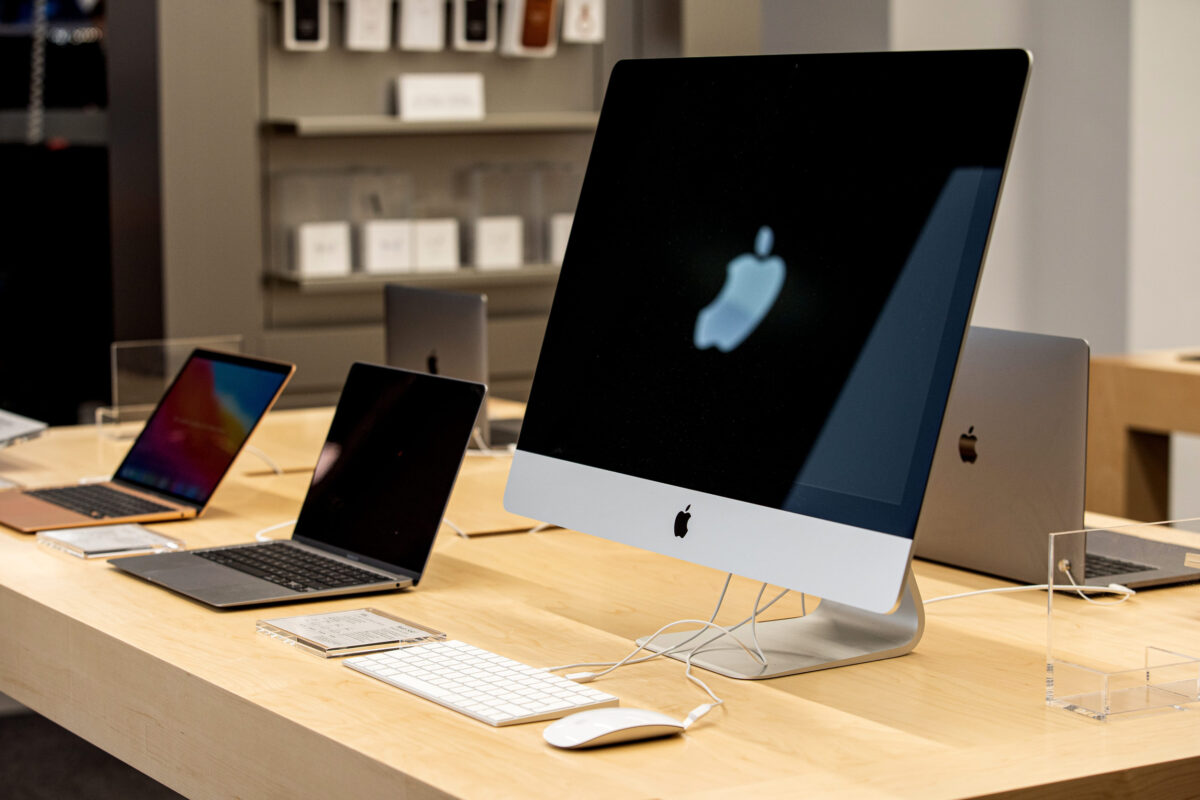
People who buy MacBooks and desktop Macs often care deeply about performance. Students, designers, editors, developers, business owners, and creators may need more memory and storage from the start. Unlike casual phone buyers, they may not be able to settle for the lowest configuration.
That makes Mac pricing especially sensitive. A customer buying a laptop for basic browsing may choose a cheaper model. But someone editing video, coding, designing graphics, or running business software may need more memory to avoid frustration.
If memory becomes more expensive, the gap between a basic Mac and a truly capable Mac could widen. That could make professional and creative work more expensive for freelancers, students, small businesses, and independent creators. This is where Apple’s price hike becomes more than a consumer story. It becomes a productivity story.
Apple’s AI Strategy Could Make Higher Prices Easier to Defend
Apple has a challenge. If it raises prices, it must also give customers a reason to believe the new devices are worth it. That is where AI enters the marketing story. Apple can argue that newer devices are built for smarter tools, more private on-device intelligence, faster performance, better productivity, and a more advanced user experience.
In simple terms, Apple needs customers to feel that higher prices are buying them more than a routine upgrade. The risk is that consumers may not see enough difference right away. If AI features feel unfinished, delayed, limited, or too subtle, higher prices could frustrate buyers. People may ask why they are paying more for a device when the most exciting features are not yet essential to their daily lives.
More Americans May Hold Onto Older iPhones Longer.
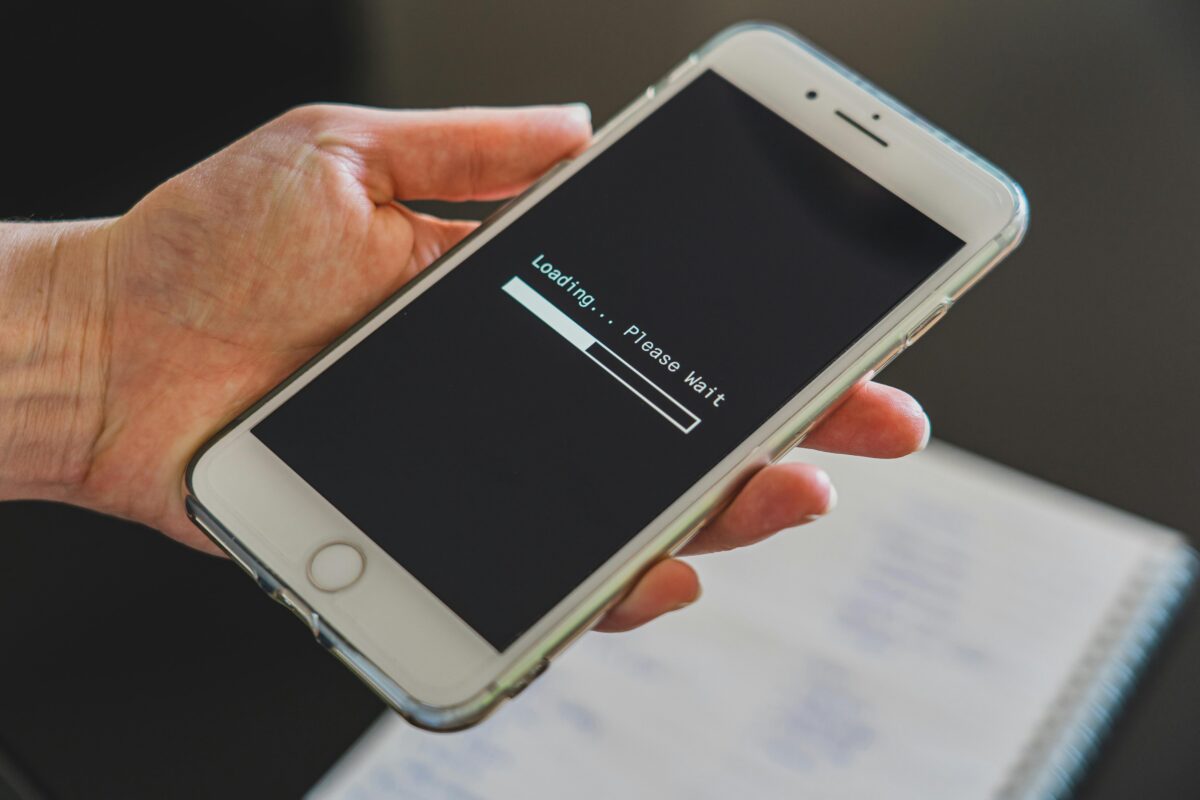
A higher price tag can change upgrade habits. If the newest iPhone becomes more expensive, many buyers may stretch the life of their current device. Instead of upgrading every two or three years, they may wait four or five. That shift is already happening in parts of the smartphone market because modern phones last longer than older models did.
Apple may not hate that completely. A customer who keeps an iPhone longer can still pay for iCloud, Apple Music, Apple TV, AppleCare, App Store purchases, and other services. But slower upgrade cycles can change how people interact with the company’s hardware business. This creates a strange new reality. Apple may raise prices to protect margins, but those higher prices may also encourage some customers to delay the very purchases Apple wants them to make.
For shoppers, the older phone may suddenly look more valuable. A battery replacement, a new case, or extra iCloud storage may feel cheaper than buying a brand-new device.