Man Dies Outside U.N. Headquarters as Tibetan Protest Shocks Manhattan
New York City often sees protests, sirens, motorcades, and visits from world leaders, but this event stood out. According to Tibetan exile media and advocacy groups, a man named Lobga Rangzen died after apparently setting himself on fire near the United Nations headquarters in Manhattan on Thursday evening. His actions turned a busy sidewalk into the focus of a global human rights discussion.
Police reported that the man was found with severe burns after an emergency call around 6:30 p.m. ET. He was taken to Bellevue Hospital, where he was pronounced dead. The investigation is still ongoing.
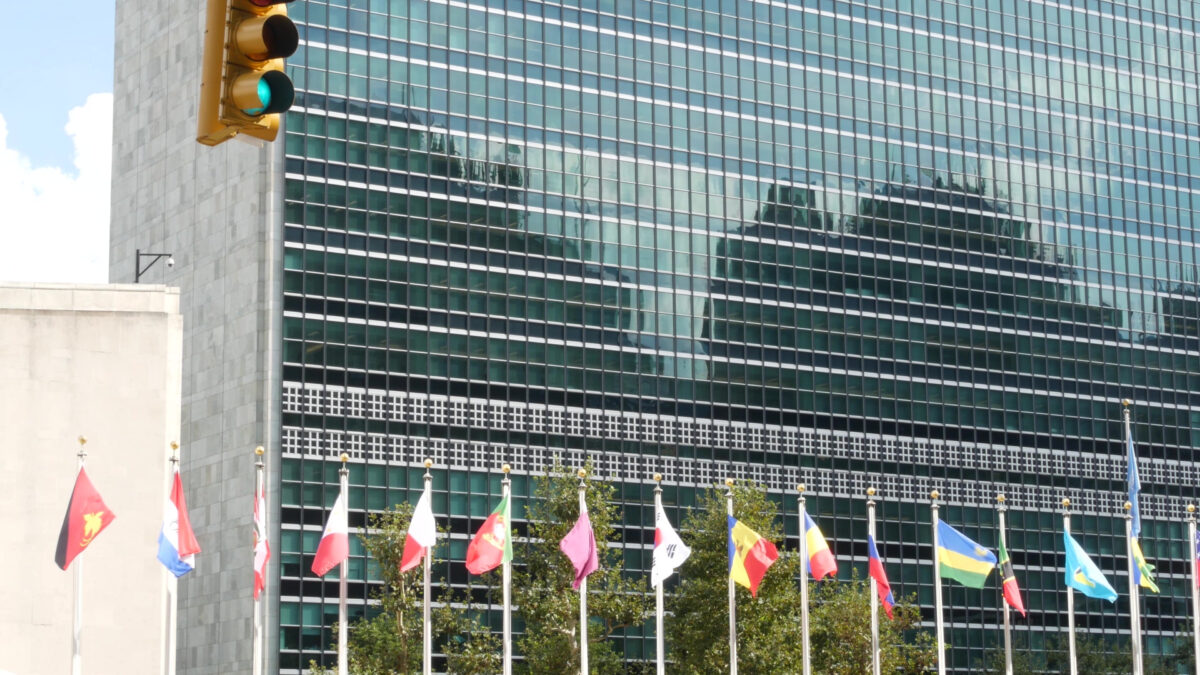
The location drew immediate attention. The United Nations is more than just another building in New York City. It is a place where global leaders discuss war, peace, sovereignty, human rights, refugees, and the rights of people without a country.
This is why the death meant much more than just another incident in Manhattan. It went beyond traffic, police tape, or a hospital report.
A Public Death Outside the U.N. Raises Questions About Tibet
Reuters reported that New York police had not released the man’s name or confirmed a motive. However, Voice of Tibet identified him as Tibetan activist Lobga Rangzen and said he acted after calling for Tibetan independence and unity.
Local reports cited by Reuters said he brought a Tibetan flag to the scene. Members of the Tibetan community described him as someone involved in the Free Tibet movement.
It is important to be cautious, as the facts are still emerging. What is clear is that Tibetan organizations and human rights advocates quickly described the death as a political protest linked to ongoing anger over China’s control of Tibet.
For many Americans who walk by the U.N. without much thought, this incident was a stark reminder that international conflicts can reach local communities. These issues appear in immigrant neighborhoods, diaspora events, college campuses, religious centers, city streets, and sometimes in painful public acts.
The International Campaign for Tibet described Rangzen, also called Lobga, as a “tireless advocate for Tibet.” He worked to raise awareness about human rights issues there. The group said his last statement warned that Chinese policies threatened Tibetan identity, language, and culture.
Why Tibet Remains Such a Painful Global Issue
Tibet has been under Chinese control for decades, with Beijing describing its takeover as a “peaceful liberation” and insisting Tibet has long been part of China.
Tibetan exiles and human rights groups strongly disagree with that view. They argue that Tibetans have faced strict limits on religion, culture, language, speech, movement, and political expression.
Reuters reported that international human rights groups and Tibetan exiles have often condemned China’s rule in Tibetan regions. China, however, denies these accusations.
This disagreement is not just a minor diplomatic issue. It is at the heart of one of the world’s most emotional disputes over sovereignty. For Tibetans in exile, it is about their survival as a people. For Beijing, activism for Tibetan independence is seen as a threat to national unity and control.
Amnesty International has reported decades of restrictions on Tibetans. These include limits on religious freedom, free expression, peaceful assembly, cultural rights, use of the Tibetan language, and peaceful displays of Tibetan identity.
China’s New Ethnic Unity Law Adds Fuel to the Debate
The timing of the death in Manhattan has drawn attention because it happened just after China’s new Ethnic Unity Law took effect on July 1, 2026.
Before the law took effect, Amnesty International warned that it could pressure Tibetans, Uyghurs, Mongolians, and other non-Han ethnic groups to adopt a single identity dominated by Han Chinese culture.
This concern is important because the phrase “ethnic unity” may sound harmless at first. In everyday American English, unity often seems positive or even healing. However, rights groups say that in China’s political system, it can mean forced conformity, increased surveillance, and punishment for those who defend minority languages, religions, and cultures.
Amnesty also warned that the law’s broad terms against acts that “undermine ethnic unity” or cause “ethnic division” could be used in arbitrary ways. The group said Chinese officials suggested that some parts of the law might apply outside China, raising concerns about pressure on activists living abroad.
Why Self Immolation Has Appeared in Tibetan Protest History
Self-immolation has appeared before in Tibetan protest history, though it is one of the most painful and extreme forms of protest. Reuters reported that the International Campaign for Tibet recorded over 150 Tibetan self-immolations between 2009 and 2022, including some among Tibetans in exile.
That number is hard to take in because each case is about a person, a family, a community, and a political message sent through deep despair. We should not romanticize these acts.
We should not treat these acts as just viral clips or shocking headlines. At the same time, we cannot ignore what Tibetan activists say these deaths are meant to show: they believe that regular protest, diplomacy, and media coverage have not protected Tibetan identity.
For readers in the U.S., the bigger question is not just what happened on a Manhattan sidewalk. It is why someone living far from Tibet would choose the U.N. as the place for his final public act.
The answer sits in the symbolism of the location. The U.N. represents international attention. The Tibetan flag represents a contested national identity. The act itself represents a belief that the world has not listened closely enough.
Manhattan Becomes a Stage for a Global Human Rights Crisis
New York is more than just a local city; it is a global stage. When something happens outside the United Nations, it is rarely just a local event. The area around First Avenue is where international struggles become visible to diplomats, journalists, tourists, workers, and everyday residents.
This is why the case will likely keep drawing attention from Tibetan groups, human rights organizations, China experts, and policymakers. Amnesty International said the death should lead to renewed focus on human rights in Tibet and called for independent access to the region for U.N. experts and other observers.
The Chinese government, meanwhile, maintains that Tibet is an inalienable part of its territory and rejects criticism of its policies. A Chinese foreign ministry spokesperson said Beijing believes the matter will be handled in accordance with the relevant country’s domestic laws, Reuters reported.
What Comes Next in the Investigation
For now, the official U.S. side of the story remains limited. Police said the investigation was ongoing, and authorities had not publicly confirmed the man’s identity or motive at the time of the Reuters report.
The political meaning is already under debate. Tibetan organizations are mourning a man they call an activist. Human rights groups link his death to wider repression. China is defending its claims of sovereignty. Americans are being reminded that struggles from far away can suddenly and painfully appear in New York City.
This is what we should remember: a man died outside one of the world’s most powerful diplomatic buildings, and the message he seemed to leave was not just about his own life. It was about people who fear being erased, a government that demands unity on its terms, and an international community now being asked to pay attention again.