The Climate Habit Nobody Wants to Talk About: How Rich and Middle-Class Lifestyles Are Heating the Planet
The climate debate usually points to oil companies, governments, factories, and global summits. And yes, those players matter. A lot.
But there is another uncomfortable part of the story sitting inside airports, driveways, dinner plates, shopping carts, oversized homes, and weekend travel plans.
The lifestyle choices of middle-class and rich consumers are now one of the biggest blind spots in climate action.
For years, the public message has been simple: governments must act, businesses must go green, and energy systems must move away from fossil fuels. That is true. But it is not enough.
Because the products people buy, the food they eat, the flights they take, the cars they drive, and the homes they live in all create demand for carbon-heavy systems. When high-income consumers live large, the planet quietly pays the price.
The Richest Consumers Have the Biggest Climate Footprint
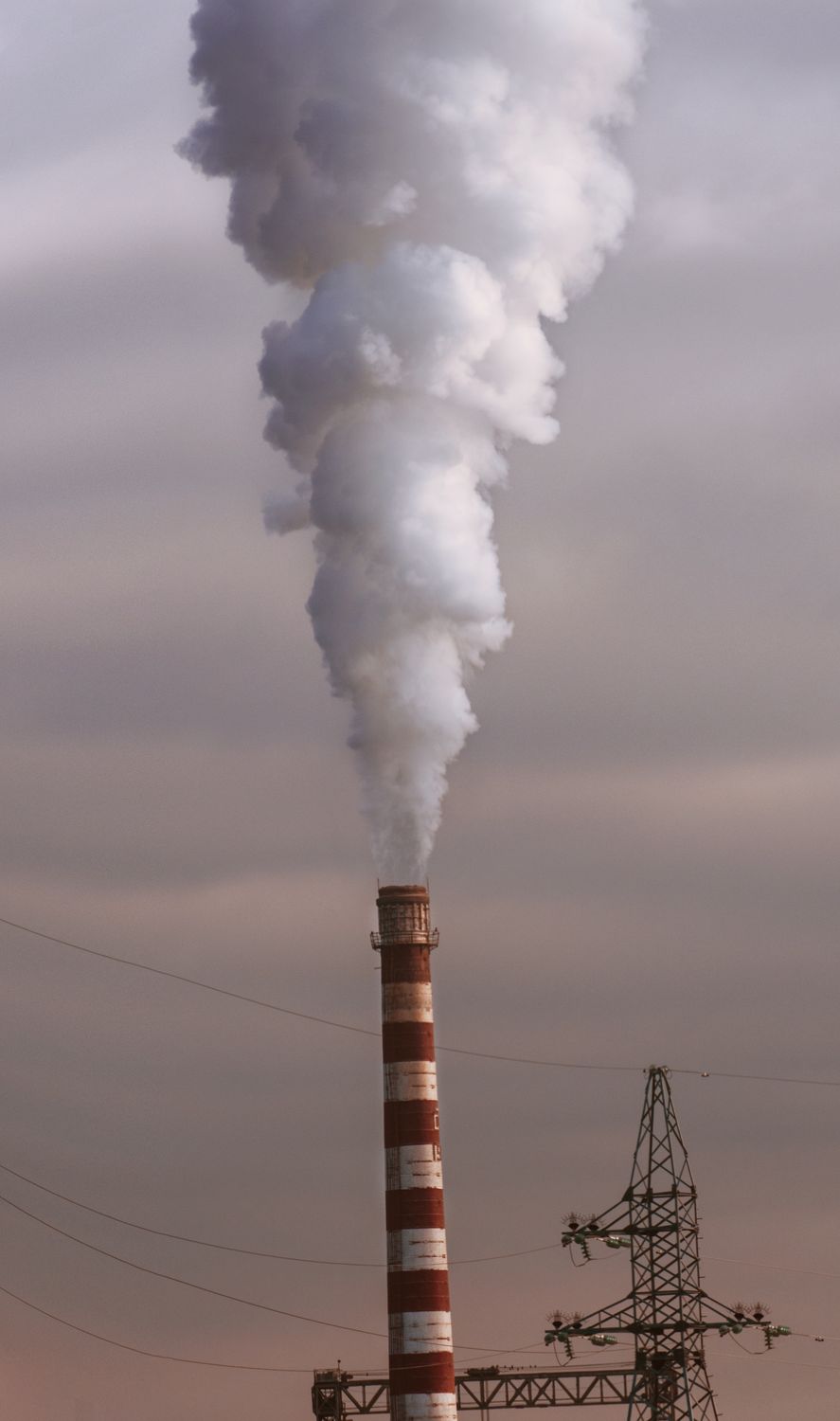
Here is the part that makes this debate hard to ignore: the richest 10% of consumers are responsible for about 44% of consumption-related carbon emissions.
That does not mean every wealthy or middle-class person is careless. It means high-consumption lifestyles produce far more emissions than basic living does.
A family struggling to pay electricity bills is not the same as someone taking multiple long-haul flights a year. A worker driving because there is no public transport is not the same as a wealthy household owning several large vehicles. A small apartment is not the same as a huge home that needs constant heating, cooling, lighting, and maintenance.
Climate responsibility is not equal because consumption is not equal.
That is why any serious climate conversation must look at lifestyle emissions, especially among people with the money and freedom to make different choices.
The Problem Is Not Living Well. It Is Living Wastefully
Nobody is asking people to stop enjoying life. The goal is not to remove comfort, travel, good food, family time, or ambition.
The real issue is waste.
Wasteful flying has become a normal part of success culture for many high-income consumers. Wasteful food habits turn full fridges into trash bins. Wasteful energy use keeps oversized homes running at a high cost. Wasteful shopping encourages people to buy more clothes, gadgets, and household items than they need. Wasteful luxury tells people that bigger, faster, newer, and more expensive must always mean better.
A better climate lifestyle does not have to feel miserable. It can mean living smarter, spending better, wasting less, and choosing status symbols that do not come with a massive carbon bill.
The new question is not, “How do we give everything up?”
The better question is, “Which high-carbon habits are no longer worth defending?”
Flights Are One of the Biggest Lifestyle Issues

Air travel is one of the clearest examples of climate inequality.
Most people in the world do not fly often. Many people never fly at all. But frequent flyers, especially wealthy travelers and business elites, can create huge emissions through repeated trips.
One family vacation every few years is not the same as someone taking five, six, or ten flights a year. A necessary trip is not the same as a luxury weekend escape. An online business meeting is not the same as essential travel.
This is why frequent-flyer taxes make sense. The first flight should not be treated like the tenth. The occasional traveler should not be punished the same way as the high-income frequent flyer.
If climate policy is going to be fair, it should focus on repeated luxury emissions first.
Meat, Food Waste, and the Carbon Cost of Dinner
Food is another major part of the lifestyle conversation.
Not every food has the same climate impact. Beef and lamb are among the most carbon-intensive foods because they are associated with methane, land use, feed, water, and long production chains.
That does not mean everyone must become vegan overnight. But it does mean rich and middle-class consumers can reduce emissions quickly by eating fewer beef-heavy meals, adding more plant-rich dishes, and treating meat as something less automatic.
Food waste is another easy target.
When food is thrown away, the emissions from farming, processing, packaging, transport, refrigeration, and cooking are thrown away too. Wealthier households often waste food because they overbuy, reject imperfect produce, forget what is in the fridge, or treat groceries as disposable.
Cutting food waste is one of the rare climate actions that saves money immediately.
Bigger Homes Come With Bigger Carbon Costs
Homes are not just places to live. They are energy machines.
A large home usually needs more materials to build, more furniture to fill, more electricity to power, and more heating or cooling to keep comfortable. If it is far from work, school, shops, and public transport, it also creates more driving.
This is where the climate debate needs honesty.
A comfortable home is a basic need. But oversized living has a climate cost. A smart, efficient, well-insulated home can provide comfort without wasting energy. Smaller does not have to mean worse. Efficient does not have to mean poor. Compact does not have to mean uncomfortable.
The future of housing should not be about building the biggest house possible. It should be about building homes that are cleaner, cheaper to run, healthier, and better connected to daily life.
Cars Still Shape the Climate Choices of Millions

Cars remain a major part of household emissions, especially in places where cities were built around driving.
For many people, driving is not a luxury. It is the only way to get to work, school, healthcare, or groceries. That is why blaming individuals without fixing transport systems is unfair.
But there is still a difference between necessary driving and high-carbon car culture.
Heavy fuel use, short trips that could be walked, private cars used where public transport is strong, and status-driven car ownership all add to the problem.
Electric vehicles can help, especially as electricity becomes cleaner. But the bigger solution is not just replacing every petrol car with an electric one. It is giving people more choices. Better buses, safer walking routes, trains, cycling lanes, car-sharing, and neighborhoods where daily life does not require driving everywhere can reduce emissions without reducing freedom.
Shopping Less May Be More Powerful Than Buying “Green”
Modern shopping culture has turned constant buying into a lifestyle.
New clothes arrive every season. New phones are promoted before old ones stop working. New gadgets are sold as necessities. New furniture follows every trend. New deliveries show up at the door with more packaging, more transport emissions, and more waste.
Many products carry hidden emissions before they ever reach the customer. Materials must be extracted. Factories must run. Ships and trucks must move goods. Warehouses must store them. Packaging must be produced. Then, after a short life, many items end up in landfills.
Buying a “green” product can help. But buying fewer things often helps more.
The most climate-friendly product is often the one already owned. Repairing, reusing, sharing, renting, and buying second-hand should not be seen as signs of struggle. They should be seen as smart, modern, and responsible.
Climate Policy Should Target Luxury Emissions First
Lifestyle change cannot depend only on personal guilt. Governments must make low-carbon choices easier and high-carbon luxury more expensive.
That means frequent-flyer levies should become part of the serious climate conversation. Private jets should face stronger taxes because they represent one of the clearest forms of luxury emissions. Very high-emission vehicles should cost more to own and operate, especially when cleaner alternatives exist. Public transport funding should increase so people are not trapped in car dependence. Home retrofit support should help families lower energy bills while cutting emissions. Building standards should push developers toward cleaner, more efficient homes. Right-to-repair laws should make it easier for people to repair electronics and appliances rather than replace them too quickly. Food waste rules should push supermarkets, restaurants, and households to treat food as valuable rather than disposable. School and workplace meals should make healthier, lower-carbon choices more normal. Farmers should also receive support to shift toward lower-emission production without being abandoned in the transition.
The key is fairness.
Do not punish low-income families for basic needs. Do not tell rural workers to stop driving when there is no transport alternative. Do not ask tenants to retrofit buildings they do not own.
Start with the people and habits that create the most avoidable emissions.
The New Climate Status Symbol Is Responsibility
For decades, success has been sold as more: more flights, bigger homes, larger cars, faster fashion, heavier meals, and endless upgrades.
That version of success is starting to look outdated.
The new status symbol should be responsibility. A well-designed, efficient home can say more about modern living than a wasteful mansion. A beautiful low-waste kitchen can be more impressive than a fridge full of food that ends up in the trash. A train trip instead of a short flight can feel smarter, calmer, and more intentional. A durable wardrobe can show better taste than fast fashion. A repaired phone can signal common sense. A cleaner commute can improve daily life. A smaller footprint can still come with comfort, pride, and freedom.
This is not about guilt. It is about leadership.
Middle-class and rich consumers have cultural power. Their choices shape markets. Their habits influence what others copy. Their money tells businesses what to produce. Their votes tell governments what policies are possible.
If they change, the market changes faster.