7 States Now Face a New Voting Rights Reality After Supreme Court Decision
A Supreme Court decision does not always arrive with fireworks, a televised argument, or a sweeping written opinion. Sometimes it lands as a short order that says almost nothing, yet changes the ground beneath millions of voters. That is what happened when the U.S. Supreme Court declined to review a case involving Arkansas United, voter assistance rules, and Section 208 of the Voting Rights Act. By refusing to take the case, the high court allowed an Eighth Circuit ruling to remain in place across Arkansas, Iowa, Minnesota, Missouri, Nebraska, North Dakota, and South Dakota.
The case may sound technical at first. It is about whether private people and groups can sue to enforce a part of the Voting Rights Act that protects voters who need help casting a ballot. But beneath the legal language is a very human question. If a voter cannot read the ballot, cannot physically mark it, or needs language assistance, who gets to stand beside that person in the voting booth?
Here are eight ways this quiet Supreme Court move could reshape voting access before many Americans even realize what changed.
A Voting Rights Fight Has Shifted From the Ballot Box to the Courthouse Door
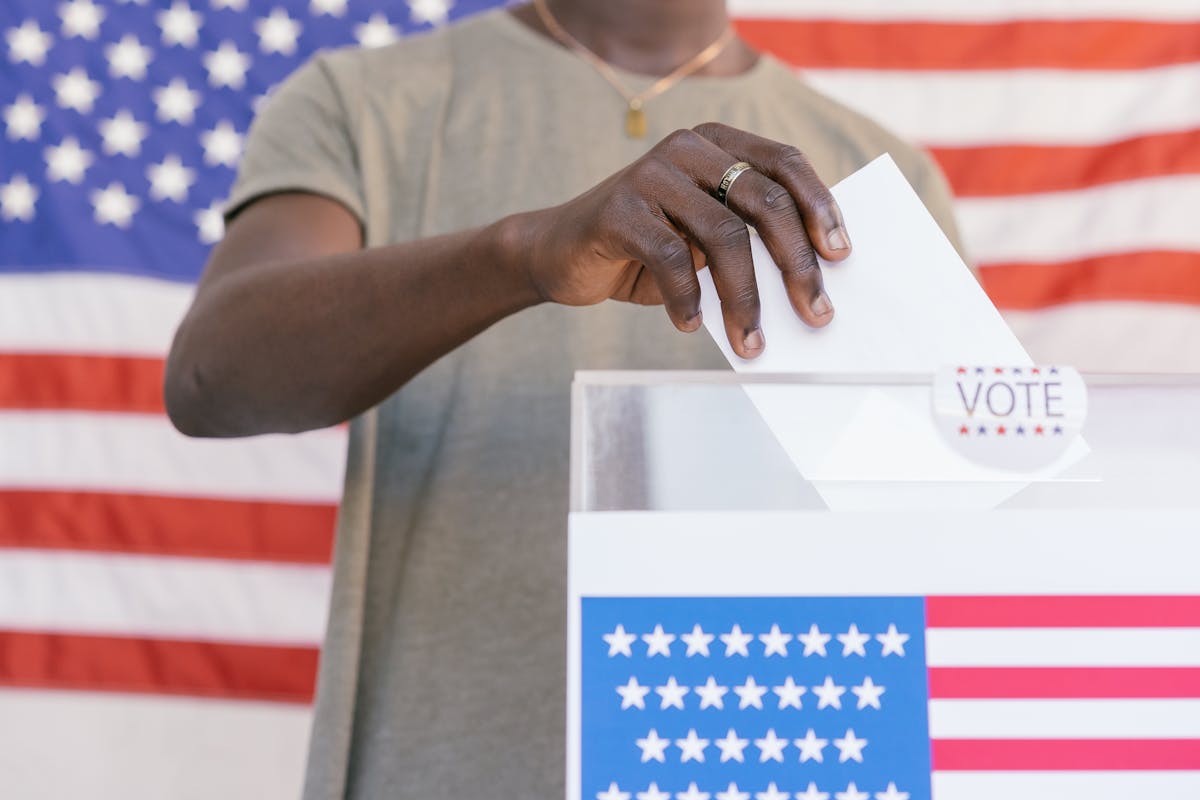
The central issue is not simply whether voters have a right to assistance. Section 208 of the Voting Rights Act still allows certain voters to receive assistance from a person of their choice. That includes voters who are blind, disabled, or unable to read or write well enough to complete the voting process alone. The bigger issue is enforcement.
The Eighth Circuit said private individuals and groups cannot bring lawsuits to enforce Section 208 in this kind of case. That means the legal right may remain on paper, but the ability to defend that right in federal court is much more limited in seven states. That distinction matters because rights often depend on who can enforce them. A rule that cannot be challenged quickly can become a barrier long before a court ever reviews it.
The Case Started With a Six-Voter Assistance Limit in Arkansas
The dispute began with an Arkansas law that restricts how many voters one person may help.Arkansas United, an immigrant advocacy group, challenged the rule because it had provided Spanish-language assistance to voters. The organization argued that the state’s limit conflicted with Section 208 because it could stop voters from choosing trusted help.
A federal district court initially agreed that the Arkansas restriction violated federal law. Then the Eighth Circuit reversed course. The appeals court did not merely approve Arkansas’s limit. It said private groups like Arkansas United did not have the right to bring the Section 208 lawsuit in the first place. That is why the case became much bigger than a single state’s rule.
Seven States Are Now Living Under a Different Voting Rights Rule

The Eighth Circuit covers Arkansas, Iowa, Minnesota, Missouri, Nebraska, North Dakota, and South Dakota. That means the ruling has regional force. A voter assistance dispute in Little Rock, Des Moines, Minneapolis, St. Louis, Omaha, Fargo, or Sioux Falls could now face the same enforcement problem. If a private group or voter wants to challenge a rule under Section 208, the court may say they are not the right party to bring the case. This creates a patchwork reality.
In one part of the country, private groups may still be able to sue over barriers to voter assistance. In the Eighth Circuit, that path is now far more difficult. For a national voting rights law, that is a serious fracture.
The Biggest Impact May Fall on Voters Who Already Need the Most Help
This ruling is not likely to affect every voter equally. Most voters walk into a polling place, read the ballot, make selections, and leave. They may never think about voter assistance rules because they never need them. But for other voters, assistance is the difference between participating and being left out. That includes voters with disabilities. It includes elderly voters whose eyesight, mobility, or reading ability has changed. It includes newly naturalized citizens who are eligible to vote but may need help understanding ballot language. It includes people with limited literacy who still have the same constitutional stake in choosing their leaders.
These voters do not experience election law as an abstract debate. They experience it as a practical question: Can someone I trust help me vote today?
“Private Right of Action” Is the Legal Phrase Everyone Should Understand
The phrase at the heart of this story is “private right of action.” It sounds like something only lawyers would care about. But it is one of the most important phrases in civil rights enforcement. A private right of action means a person or organization can sue to enforce a law. Without it, enforcement may depend almost entirely on the federal government. That creates a major bottleneck.
The U.S. Department of Justice cannot bring every voting rights case in every city, county, and state. Its priorities can also change depending on the administration in power. Private lawsuits have historically enabled affected voters, civil rights groups, and community organizations to move more quickly when they believe a voting rule violates federal law. Take that tool away, and many problems may never reach a courtroom.
This Is Why the Supreme Court’s Silence Was So Loud
The Supreme Court did not issue a major opinion in this case. It did not settle the national question. It did not say every court in America must follow the Eighth Circuit’s view. It simply declined to take the case. But in practical terms, silence was enough.
By doing nothing, the justices allowed the Eighth Circuit’s ruling to remain in effect across seven states. That means the people affected by the ruling cannot look to the Supreme Court for immediate relief. This is one reason Supreme Court orders can be so powerful. A denial of review may not sound dramatic. But for voters, organizers, election officials, and state lawmakers, it can decide which rules govern the next election cycle.
Election Integrity and Voter Assistance Are Now Colliding in a New Way
Supporters of limits on voter assistance often argue that such rules protect elections from pressure, fraud, or undue influence. That concern should not be dismissed casually. No voter should be manipulated, intimidated, or forced to vote a certain way by someone claiming to help. But there is another side to the issue.
A voter who genuinely needs assistance can also be harmed by rules that make trusted help harder to find. If a community has only a few trained bilingual volunteers, a strict cap on assistance can quickly become a real barrier. The challenge is balance. A fair election should protect voters from coercion and exclusion. The danger comes when one goal is used to erase the other.
The Ruling Could Push Voting Rights Groups Into New Strategies

Civil rights organizations are unlikely to stop working on voter assistance because of this ruling. But they may have to change tactics. Instead of relying primarily on federal Section 208 lawsuits in the Eighth Circuit, groups may focus more on voter education, state-law challenges, disability-access claims, language-access outreach, and direct pressure on election officials. They may also push Congress to clarify who can enforce Section 208.
If Congress clearly states that private voters and organizations can sue under Section 208, it would reduce the uncertainty now spreading through the courts. But in the current political climate, any voting rights bill would face a difficult road. That means the immediate fight may happen county by county and election by election.