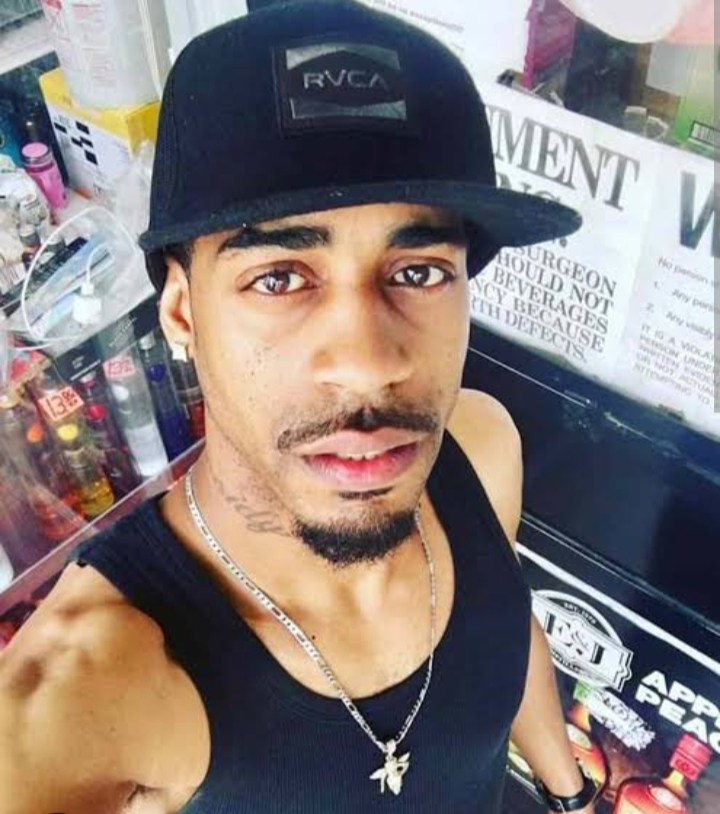
Boston gang member gets more than seven years in prison after federal gun case.
A Boston gang member will spend more than seven years in federal prison after authorities said he illegally possessed multiple firearms, ammunition, high-capacity magazines, and other gun accessories despite a prior conviction that barred him from having weapons.
Kenneth Bigby Williams, 30, of Hyde Park, was sentenced in federal court in Boston to 90 months in prison, followed by three years of supervised release, according to the U.S. Attorney’s Office for the District of Massachusetts. The sentence closes another chapter in a case that federal prosecutors framed as part of a broader push against illegal guns and violent crime in Massachusetts neighborhoods.
Prosecutors said Bigby Williams had admitted he was a member of the Bailey Street gang in Boston. In March 2026, he pleaded guilty to two counts of being a felon in possession of a firearm and ammunition. A federal grand jury had indicted him in October 2025.
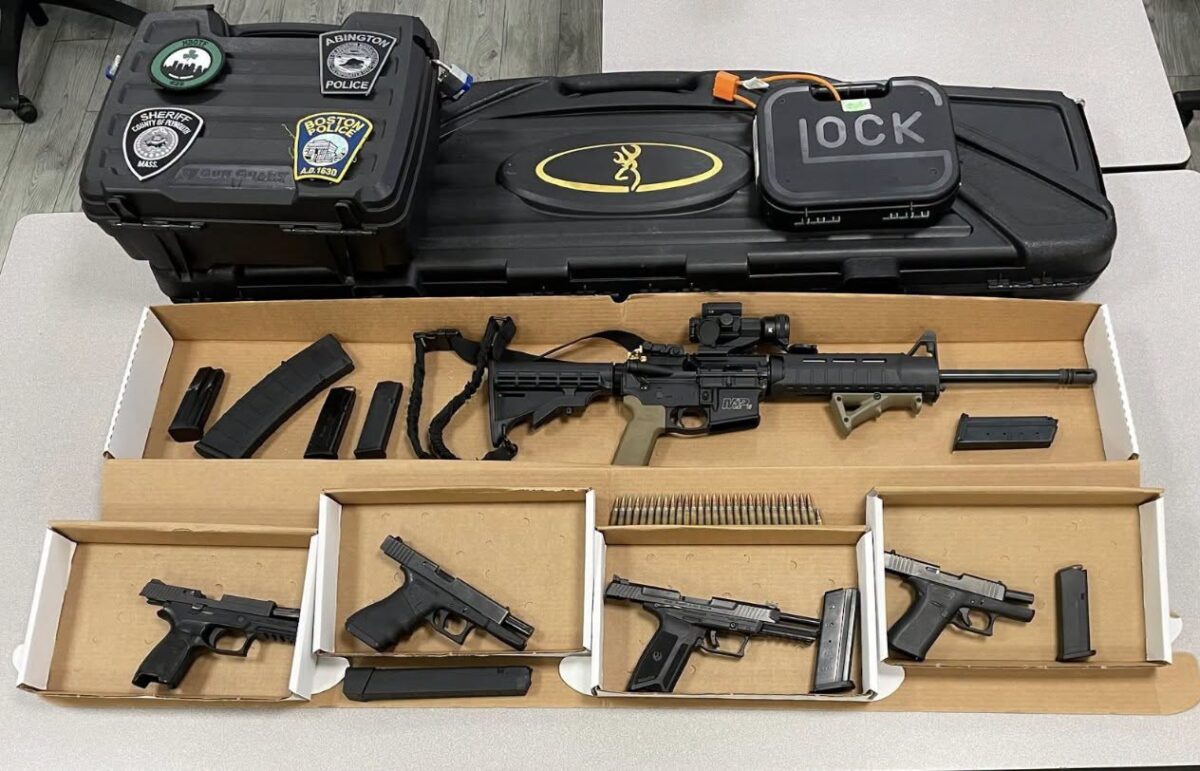
The case centered on what investigators found during a series of search warrants executed on August 7, 2025. Authorities said they seized five firearms, about 73 rounds of ammunition in different calibers, several high-capacity magazines, and other firearm accessories connected to Bigby Williams and his residence.
For prosecutors, the case was not only about the number of weapons recovered. It was also about who was accused of having them. Bigby Williams had a prior 2019 conviction in Suffolk Superior Court for possession of a firearm without a permit, which made it illegal for him to possess firearms.
That prior conviction became central to the federal case. Under federal law, a person with certain felony convictions cannot legally possess guns or ammunition. Prosecutors said Bigby Williams crossed that line when the weapons and ammunition were found.
U.S. District Court Judge Allison D. Burroughs handed down the sentence. The 90-month prison term means Bigby Williams faces 7.5 years behind bars before the supervised release period begins.
The announcement was made by U.S. Attorney Leah B. Foley, FBI Boston Special Agent in Charge Ted E. Docks, and Boston Police Commissioner Michael Cox. Prosecutors also credited the Suffolk County District Attorney’s Office with assisting in the investigation.
Assistant U.S. Attorney John Dawley of the Organized Crime and Gang Unit prosecuted the case.
The sentence comes at a time when federal, state, and local authorities continue to focus heavily on illegal firearms cases in cities where shootings and gun trafficking remain major public safety concerns. Officials have often argued that removing guns from people legally barred from possessing them can prevent violence before it reaches another crime scene.
This case was also connected to Operation Take Back America, a nationwide Justice Department initiative aimed at violent crime, cartels, transnational criminal organizations, and other public safety threats. The Justice Department said the initiative brings together resources from programs including Organized Crime Drug Enforcement Task Forces and Project Safe Neighborhoods, a long-running federal program focused on reducing violent crime through partnerships among law enforcement, prosecutors, community leaders, and local stakeholders.
For Boston residents, the case lands in a familiar debate about how to reduce gun violence while protecting neighborhoods from repeat firearms offenses. Federal prosecutors treated the seizure of five guns, ammunition, and high-capacity magazines as a serious warning sign, especially because Bigby Williams was already prohibited from possessing firearms.
The sentence also sends a message about how federal courts can handle gun cases involving prior convictions. A local firearm arrest can become a federal prosecution when investigators believe the case fits federal firearms laws, especially when the defendant has a record that makes possession illegal.
Bigby Williams will now serve the prison sentence ordered by the court, followed by three years of supervision after release. For prosecutors, the outcome represents another federal conviction in the government’s continued effort to keep illegal guns away from people they say pose a risk to public safety.
The case may be over in court, but the larger issue remains active across Boston and other U.S. cities. Illegal gun possession cases like this one continue to shape how law enforcement agencies respond to neighborhood violence, gang activity, and the flow of firearms into communities already under pressure.