New York City freezes rents for one million apartments in Mayor Mamdani’s victory.
New York City has delivered one of the most closely watched housing decisions in recent memory, freezing rents for roughly one million rent-stabilized apartments and giving Mayor Zohran Mamdani a defining early victory on affordability. For tenants who have watched grocery bills, transit costs, childcare expenses, and market rents climb year after year, the decision lands like immediate relief. For landlords, especially smaller building owners already warning about insurance, taxes, maintenance, and repair costs, it lands like a political earthquake.
The vote by the New York City Rent Guidelines Board set rent increases at 0% for one-year leases and 2-year leases, beginning with leases that start on or after October 1, 2026. In a city where housing is not just a monthly bill but a daily source of anxiety, the decision was more than a technical adjustment. It was a political message: City Hall is prioritizing tenant relief.
For Mamdani, the result fulfills one of the clearest promises of his campaign. He ran on the simple, emotionally powerful pledge to freeze the rent, and now the board’s vote has transformed that slogan into policy. We are now watching whether that victory becomes a model for affordability politics or the opening act of a much larger housing fight.
What the New York City Rent Freeze Actually Means for Tenants
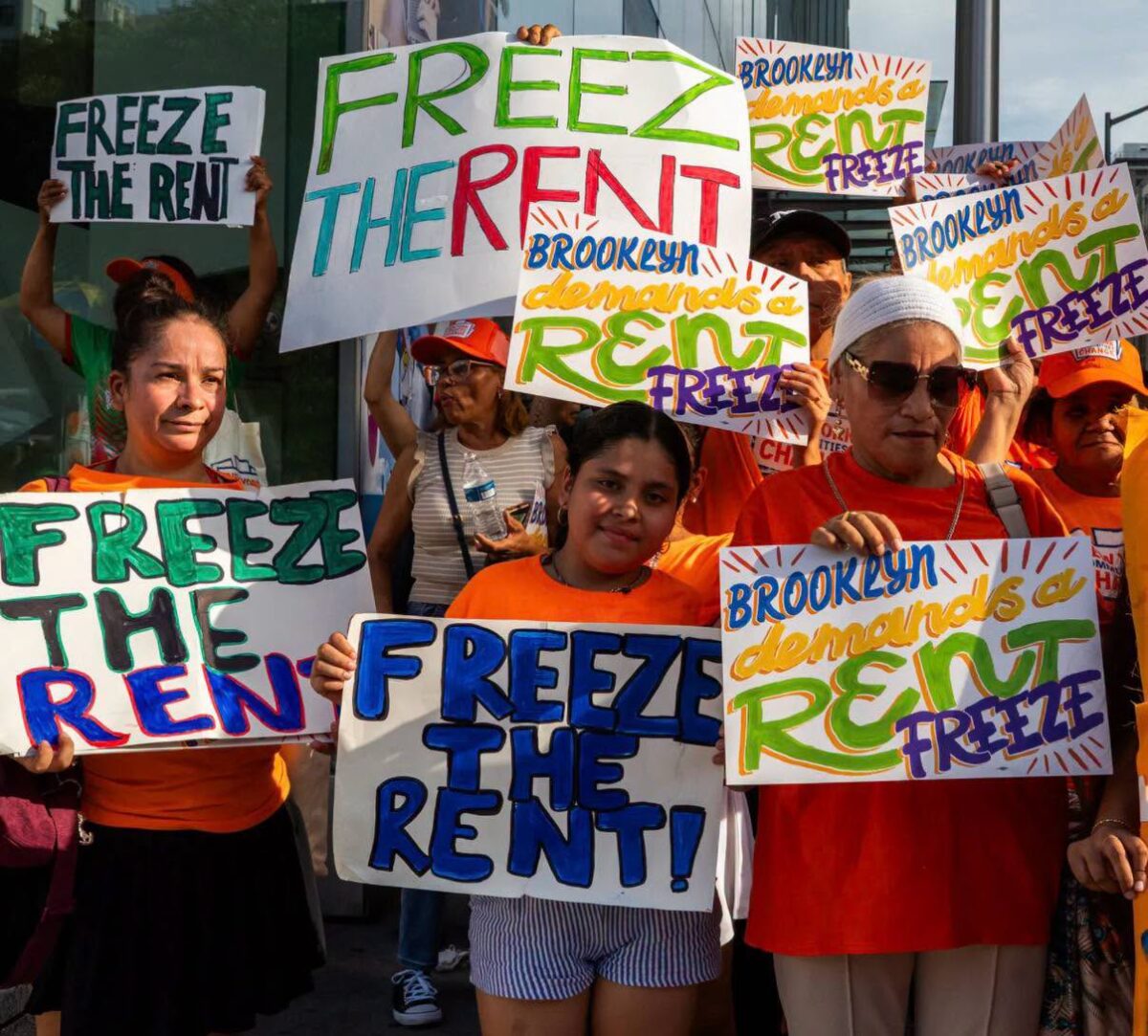
The rent freeze applies to rent-stabilized apartments, lofts, and related regulated housing covered by the city’s annual guidelines process. For eligible tenants renewing a one-year or two-year lease during the new guideline period, the legal rent increase is set at zero.
That does not mean every renter in New York City gets a frozen rent. Market-rate tenants are not covered by this decision. The freeze applies to the city’s rent-stabilized housing stock, a category that still represents one of the most important affordability protections in New York. These apartments are privately owned, but their yearly rent increases are limited by the Rent Guidelines Board.
The impact is enormous because rent-stabilized homes shelter a major share of the city’s working population. Nurses, teachers, restaurant workers, delivery drivers, retirees, students, public employees, immigrants, and families who have lived in the same neighborhood for decades may now avoid another annual rent hike. In a city where many households already spend a painful share of income on housing, even a modest increase can decide whether a family stays stable or starts falling behind.
For tenants, the message is direct: the next renewal cycle will not bring another automatic rent increase. That matters because renters often do not experience affordability as a policy debate. They experience it as a math problem at the kitchen table.
Why This Is a Major Win for Mayor Mamdani
Mayor Mamdani’s victory is not just that rents were frozen. It is that the freeze happened early enough in his administration to define his governing image.
Campaign promises often fade once candidates meet bureaucracy, opposition, legal limits, budget math, and political pressure. Mamdani’s rent-freeze promise was always going to face scrutiny because the mayor does not directly set stabilized rents. The Rent Guidelines Board conducts hearings, studies economic conditions, reviews landlord costs, weighs tenant testimony, and votes annually.
Still, the mayor appoints board members, and Mamdani moved quickly after taking office. His administration appointed six members to the nine-member board, including a new chair. That gave his affordability agenda a direct pathway into the rent-setting process.
The result now gives Mamdani something many new mayors want, but few get so quickly: a concrete policy win that ordinary residents can understand immediately. No long explanation is needed. Rent-stabilized tenants know what 0% means.
Politically, that clarity is powerful. Mamdani can point to the rent freeze as proof that his administration is not simply speaking about affordability but using the tools of city government to act on it. In a city where housing anger crosses race, class, borough, age, and party lines, that is a strong early signal.
The Landlord Backlash Was Immediate and Intense
The celebration among tenant advocates was met with sharp criticism from landlord groups and property owners, who argue that a rent freeze ignores the financial realities of operating buildings in New York City.
Their argument is straightforward: costs are rising, and frozen rents do not freeze insurance premiums, taxes, labor, utilities, fuel, maintenance, repairs, debt service, or emergency work. Owners of rent-stabilized buildings say many properties are older and require constant upkeep. If revenue is capped while expenses rise, they warn, repairs may slow, building conditions may worsen, and financially stressed owners may face default or foreclosure.
This is the central tension in New York’s rent-stabilization debate. Tenants argue that they cannot keep absorbing increases when wages lag behind the cost of living. Landlords argue that buildings cannot be maintained properly if income fails to keep pace with operating costs.
The debate intensified before the final vote when a board member representing landlords resigned in protest, claiming the process had become politically predetermined. That resignation sharpened criticism from the real estate industry and helped frame the vote not only as a housing decision but as a test of whether the board’s independence remains intact.
Why Tenant Advocates Say the Freeze Was Necessary
Tenant groups see the issue very differently. For them, the rent freeze was not radical. It was overdue.
Their case begins with the lived reality of New York renters. Even stabilized tenants are not immune to displacement pressure. Many households are already juggling rising costs for food, transportation, healthcare, childcare, and utilities. A rent-stabilized apartment may be cheaper than a newly listed market-rate unit, but that does not mean it is affordable for the person paying the bill.
Supporters also argue that rent increases in previous years did not solve the city’s housing problems. Buildings still needed repairs. Tenants still faced harassment allegations in some properties. Neighborhoods still lost long-term residents. From that perspective, annual increases can feel less like a balanced policy tool and more like another burden on renters with limited bargaining power.
The rent freeze gives those households breathing room. It does not build new apartments. It does not solve homelessness. It does not lower market rents overnight. But for a rent-stabilized tenant receiving a renewal lease this cycle, it prevents one immediate cost from rising.
That is why the vote produced such strong emotion. Housing policy often sounds abstract until a family realizes it can stay put for another year without a rent hike.
The Board’s Decision Comes After Years of Rising Housing Pressure
New York City’s housing crisis has been building for years. Market rents remain out of reach for many workers. Vacancy remains tight in many neighborhoods. New construction has not kept pace with demand. The gap between what people earn and what they must pay to live near work has widened.
Rent-stabilized apartments have become one of the last remaining pressure valves in that system. They give tenants predictability, limit sudden rent spikes, and preserve a measure of neighborhood continuity in a city where displacement can happen quickly.
That is why the freeze carries symbolic power beyond the buildings directly covered. It tells the city that affordability is not only a long-term planning goal. It is an immediate governing priority.
Still, the policy also exposes the limits of rent regulation. A rent freeze can protect current tenants, but it cannot by itself produce enough new housing. It can slow displacement, but it cannot alone fix the shortage of affordable units. It can restrain one category of rents, but it does not directly affect market-rate apartments, which drive much of the city’s sticker shock.
The challenge for Mamdani is to pair the rent freeze with a broader housing strategy. If the administration wants this decision to become more than a headline, it will need to show progress on construction, code enforcement, tenant protections, public housing, shelter capacity, and landlord compliance.
Why the Legal Fight May Not Be Over
The vote may be final politically, but the battle may continue legally. Opponents are expected to examine whether the Rent Guidelines Board properly weighed the required economic evidence, including landlord operating costs, building finances, inflation, maintenance needs, housing supply, and tenant affordability.
That matters because the board is not supposed to act as a campaign committee. It has a legal and administrative role. It must consider data, testimony, and economic conditions before setting rent adjustments.
Supporters of the freeze will argue that tenant hardship, high housing costs, and the city’s affordability crisis fully justify a 0% increase. Critics will argue that the outcome was decided before the evidence was weighed.
That legal question could shape the future of Mamdani’s housing agenda. If courts allow the freeze to stand, the mayor’s political hand grows stronger. If a challenge gains traction, the administration may face pressure to prove that its affordability promises can survive judicial scrutiny as well as campaign rallies.
What This Means for New York’s Political Future
The New York City rent freeze is now bigger than rent. It has become a test case for a new kind of urban politics centered on the cost of living.
Mamdani’s supporters will see the vote as proof that progressive government can deliver tangible results. His critics will see it as proof that the administration is willing to push policy too far, too fast. Both sides understand the stakes because housing is the issue that touches almost every New Yorker.
For renters, the win is immediate. For landlords, the concern is long-term. For City Hall, the challenge is both. The administration must protect tenants without allowing buildings to deteriorate, and it must confront landlord costs without turning every affordability debate into a rent hike.
The next phase will reveal whether the freeze becomes a foundation or a flashpoint. If tenants feel relief and buildings remain stable, Mamdani will claim one of the strongest early wins of any recent New York mayor. If maintenance problems grow or courts intervene, opponents will argue that the policy was politically satisfying but structurally risky.
What is clear is that New York has made a choice. At a moment when affordability anxiety is reshaping cities across America, the nation’s largest city has chosen to freeze rents for about one million stabilized apartments and put tenant relief at the center of its housing agenda.
For now, the number that matters most is simple: 0%. To tenants, it means breathing room. To landlords, it means pressure. To Mayor Mamdani, it means a campaign promise kept. To New York City, it means the housing debate has entered a new and more consequential chapter.