Argentina Fans Bring a Beef Debate to Texas As World Cup Fever Turns Dallas Into An Asado vs. Barbecue Battleground
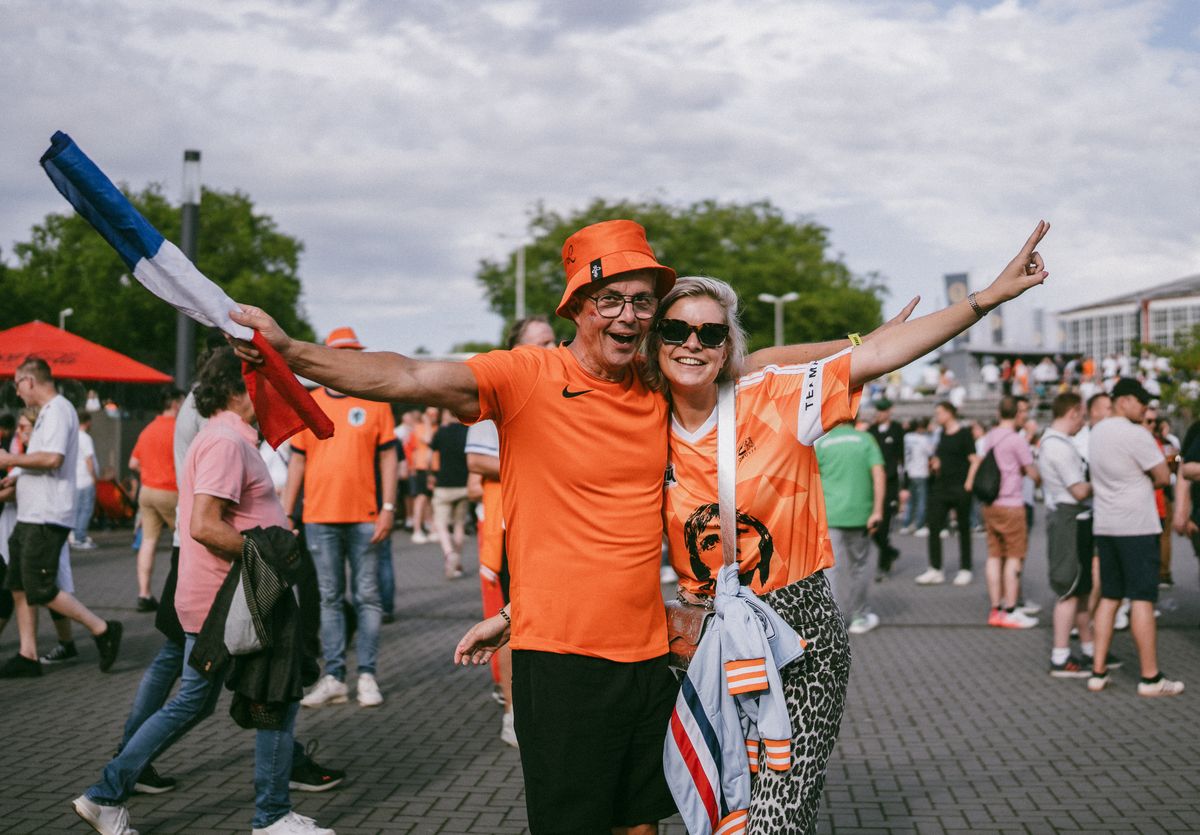
When Argentina fans arrive in Texas for the World Cup, they bring more than blue-and-white jerseys, Lionel Messi chants, flags, drums, and match-day nerves. They also bring one of the strongest food identities in world sports: the belief that Argentine beef is in a class of its own.
That belief is now meeting Texas on its own turf.
Dallas and Arlington are not just hosting World Cup matches. They are hosting a cultural collision between two places that treat beef almost like a national language. Argentina has its asado, the slow, social, fire-centered grilling tradition that turns steak into ritual. Texas has its barbecue, a smoke-heavy, patience-tested tradition built around brisket, ribs, sausage, and pitmaster pride.
The result is not a hostile feud. It is something more interesting: a delicious argument.
As thousands of Argentina supporters pour into North Texas, the debate follows them from stadium gates to steakhouse tables, from tailgate lots to restaurant patios, and from family WhatsApp groups to sports bars packed with traveling fans. The match may be decided on the field, but the question around dinner is just as emotional: Who really owns beef greatness — Argentina or Texas?
Why Argentina Fans Care So Deeply About Beef
To understand why this debate matters, we have to understand what beef means in Argentina.
In Argentina, beef is not just food. It is memory. It is family. It is Sunday afternoon. It is smoke drifting across a patio while relatives argue about football, politics, and whether the meat needs one more minute over the fire. It is the sound of a parrilla being prepared and the sight of cuts laid carefully over hot embers.
The Argentine asado is not rushed. It is not usually buried under thick sauce. It does not depend on heavy seasoning. The traditional approach is simple: good meat, salt, fire, patience, and someone who knows how to control heat.
That simplicity is exactly why many Argentine fans defend it so strongly. For them, great beef should taste like beef. The seasoning should support the meat, not hide it. The fire should shape the flavor, not overpower it. The meal should be slow enough for people to gather, talk, and stay long after the plates are empty.
So when Argentine supporters land in Texas and hear locals say Texas beef is better, the response is almost automatic: friendly disbelief.
They may respect Texas. They may enjoy the brisket. They may even praise the steak. But for many of them, Argentine beef still carries the taste of home. And at a World Cup, home matters more than ever.
Texas Has Its Own Claim to Beef Royalty
Texas is not an easy place to challenge on beef.
This is a state where cattle history runs deep, ranching is part of the identity, and barbecue is treated with the seriousness of a civic institution. In Texas, beef is not simply dinner. It is weekend culture, road-trip culture, small-town culture, and stadium-adjacent celebration.
Texas barbecue has its own code. Brisket can cook for half a day. Smoke rings are inspected like artwork. Pitmasters guard wood choices, rub blends, trimming methods, and cook times with near-religious intensity. A great Texas brisket should be tender enough to pull apart, smoky enough to announce itself, and rich enough to make sauce optional.
That is where the debate gets fascinating. Argentina and Texas are not arguing over the same plate.
Argentina is often talking about steak, ribs, short ribs, sausages, and slow-grilled cuts cooked over fire in a social asado setting. Texas is often talking about smoked brisket, ribs, sausage, beef ribs, and barbecue plates shaped by long cooking times and hardwood smoke.
One side is built around the grill. The other is built around the smoker. One prizes clean beef flavor. The other prizes smoke, bark, fat, tenderness, and time.
That makes the “best beef” argument less like a straight contest and more like comparing two love letters written in different languages.
Dallas Becomes the Perfect Stage for the Beef Argument
Dallas and Arlington are uniquely suited for this moment.
World Cup matches already bring global drama. But when Argentina plays in North Texas, the atmosphere becomes bigger than soccer. Fans travel with songs, flags, rituals, food memories, and enormous national pride. Texas brings its own confidence, hospitality, and beef culture. Put both together, and the region becomes a temporary capital of football and fire.
Argentine restaurants in the Dallas area are positioned to benefit from the fan wave. Traveling supporters often search for familiar food when they are far from home, especially during major tournaments. A plate of entraña, vacío, chorizo, morcilla, provoleta, or grilled short ribs can become emotional comfort before or after a tense match.
At the same time, many visitors want to experience Texas the way locals do. That means barbecue lines, brisket trays, smoked beef ribs, and the kind of roadside or city barbecue stops that turn tourists into believers.
This creates a rare food tourism moment. The World Cup is not only filling hotel rooms and stadium seats. It is sending fans into restaurants, bars, food trucks, butcher shops, and barbecue joints. For local businesses, the Argentina fan presence is more than a sports story. It is an economic and cultural opening.
The Real Difference: Grass-Fed Tradition vs. Grain-Fed Richness
Part of the Argentina-Texas beef debate comes down to how cattle are raised and how diners define “better.”
Argentine beef has long been associated with pasture-raised cattle and a leaner, more mineral, more direct beef flavor. Even as Argentina’s beef industry has changed over time, the country’s global image remains tied to the Pampas, open grasslands, gaucho culture, and cattle raised in wide spaces.
Texas and the broader U.S. beef system often lean more heavily into grain-finished beef, which tends to produce more marbling. That marbling can make steaks feel richer, juicier, and more buttery. American diners often prize that texture, especially in premium cuts.
So the disagreement is not simply about quality. It is about preference.
Argentine fans may prefer a cleaner, leaner, fire-forward taste. Texans may prefer richer marbling, smoke, bark, and tenderness. Both sides can be right because they are judging beef by different standards.
The same steak that an Argentine diner might call too fatty could be exactly what a Texas diner loves. The same lean Argentine cut that tastes pure and nostalgic to one person might feel less indulgent to someone raised on heavily marbled American beef.
Taste is personal. Culture makes it emotional.
Asado Is Not Just Cooking ( It Is a Social System)
One reason Argentina fans defend asado so passionately is because asado is about more than meat.
The asador, the person managing the grill, has a role of honor. Guests do not simply eat and leave. They gather. They wait. They talk. They watch the fire. They build the day around the meal. The cooking method creates time for connection.
That matters during the World Cup because football fandom works the same way. It is communal. It is loud. It is emotional. It is built around shared waiting, shared hope, and shared release.
For Argentina supporters, asado and football naturally belong together. Both are tied to identity. Both are passed through families. Both invite arguments that are half serious and half affectionate. Both can turn strangers into temporary relatives when the national team is playing.
That is why the beef debate in Texas has such energy. It is not only about flavor. It is about two cultures showing how they gather.
Texas Barbecue Has the Same Emotional Power
Texas barbecue has its own social gravity.
People wake up early for it. They stand in line for it. They drive hours for it. They debate which town, pitmaster, wood, rub, or smoke profile deserves the crown. A barbecue joint can become a pilgrimage site. A brisket tray can become a story someone tells for years.
Like asado, Texas barbecue is slow food. It rewards patience. It values skill. It turns meat into an event.
That is why the Argentina-Texas beef debate feels so natural. These are two cultures that understand the same basic truth: when beef is treated with care, it becomes more than a meal.
Argentina does it with flame, salt, and parrilla tradition. Texas does it with smoke, rub, and low-and-slow discipline. Both methods create loyalty because both methods create memory.
World Cup Fans Are Fueling a Local Restaurant Moment
For Dallas-area restaurants, the arrival of Argentina fans creates an unusually strong audience.
Sports fans eat differently during tournaments. They want group-friendly spaces, late-night options, familiar dishes, big screens, festive energy, and meals that feel connected to the event. Argentine restaurants can become gathering points before and after matches. Texas barbecue spots can become must-visit stops for traveling fans who want to taste the host state.
This matters for local businesses because the World Cup is not only about stadium revenue. It is about the smaller spending that happens around the event: meals, drinks, rideshares, hotel stays, watch parties, merch, parking, and neighborhood foot traffic.
A single match can create a ripple effect across a city. A national team with a passionate traveling fan base can create even more.
Argentina’s supporters are known for turning matches into moving festivals. When they arrive in large numbers, they bring sound, color, spending, and attention. That attention can turn a local steakhouse or barbecue joint into part of the World Cup story.
The Beef Debate Also Shows How Global the World Cup Really Is
The World Cup is often described through scores, standings, brackets, and star players. But the tournament is also one of the world’s biggest cultural exchanges.
Fans do not travel empty-handed. They bring songs, foods, jokes, habits, rivalries, and expectations. Host cities do not simply provide stadiums. They absorb and respond to those cultures.
That is what makes this Texas beef debate so useful as a bigger story. It shows how a global sports event becomes local. Argentina fans arrive for football, but their presence changes restaurant demand. Texas welcomes them with barbecue, but also has to make room for asado pride. The result is a temporary cultural marketplace where taste becomes conversation.
This is the World Cup at street level.
Not just the anthem. Not just the kickoff. Not just the scoreboard.
It is the fan asking where to find a proper Argentine steak. It is the Texan telling that fan to try brisket first. It is the group table where everyone argues, eats, laughs, and eventually admits that both sides may have a point.